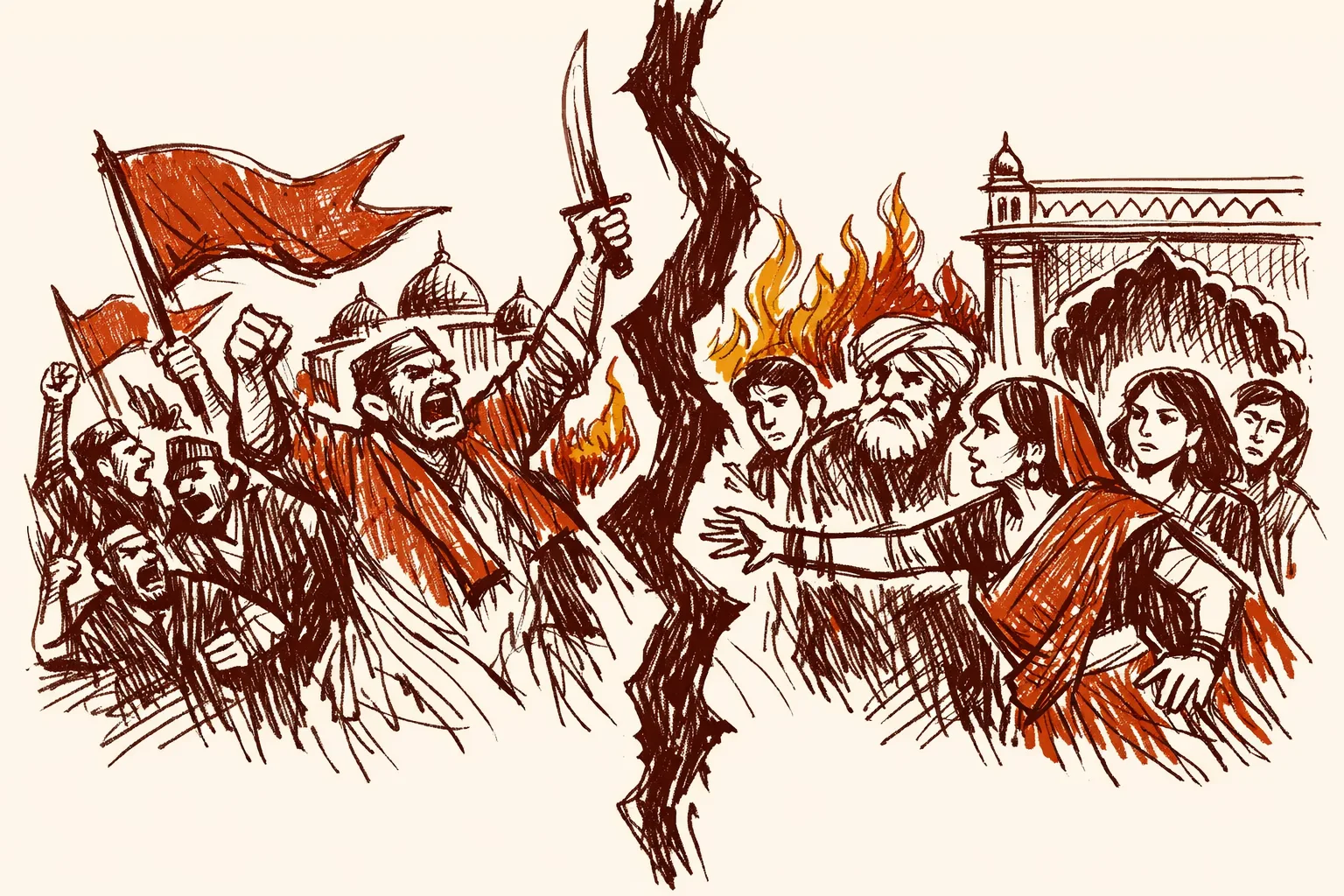
எல்லாரும் பேசும் விவாதம், யாரும் முடிக்காத விவாதம்
Chamba-விலிருந்து Chennai வரை எந்த சாய் கடையில் நுழைந்தாலும், Hindu Rashtra பத்தி யாராவது ஒருத்தர் கட்டாயம் கருத்து சொல்வாங்க. இந்த வார்த்தை எங்கும் இருக்கு - பேச்சுல, கோர்ட் கோப்புகள்ல, WhatsApp forward-ல. ஒரு தரப்பு 'theocracy' னு கேக்குது. இன்னொரு தரப்பு 'நாகரிக அடையாளம்' னு சொல்லுது. ரெண்டு தனத்தனமான பேச்சு ஒரே நேரத்துல நடக்குது.
India உலகோட மிகப்பெரிய பொருளாதாரமாக வேகமா வளர்ந்துகிட்டு இருக்கு. அந்த இலக்குக்கு முதலீட்டாளங்களோட நம்பிக்கை, சமூக ஸ்திரத்தன்மை, ஒண்ணுபட்ட தேசிய கதை - இவை மூணும் வேணும். Hindu Rashtra விவாதம் இந்த மூணையுமே தொடுது. இங்க தெளிவு வந்தா India-வோட வளர்ச்சி வேகம் கூடும் - குறையாது.
Hindu Rashtra உண்மையிலேயே என்ன சொல்லுது - என்ன சொல்லலை
இந்த வார்த்தைக்கு அரசியல் வடிவம் கொடுத்தவங்க Vinayak Damodar Savarkar, அவங்க 1923-ல் எழுதின Essentials of Hindutva என்ற சிறு நூல்ல. Savarkar-ரோட வரையறை மதம் சார்ந்தது இல்ல, கலாச்சாரம் மற்றும் புவியியல் சார்ந்தது. அரசியல் விஞ்ஞானி Christophe Jaffrelot சொல்றபடி, நாத்திகரா இருந்த Savarkar "Hindu-வோட வரையறையில் மதத்தோட முக்கியத்துவத்தை குறைச்சு" பொதுவான கலாச்சாரம் கொண்ட ஒரு இனக்குழுவை முன்னிலைப்படுத்துனாங்க. Savarkar-ரோட கண்ணோட்டத்துல, India-வை தாய்நாடா மட்டுமில்லாம புண்ணிய பூமியாவும் மதிக்கிறவங்க எல்லாரும் Hindu.
அந்த வரையறையில் Sikhs, Jains, Buddhists, இந்திய நாத்திகங்க கூட அடங்குவாங்க. Muslims மற்றும் Christians அடங்க மாட்டாங்க - அவங்களோட தனிப்பட்ட நம்பிக்கை காரணமா இல்ல, Savarkar-ரோட கட்டமைப்புல அவங்களோட புண்ணிய பூமி வேற இடத்துல இருக்குன்னு சொன்னதால. இந்த விலக்கே இந்த வார்த்தை ஏத்துக்கொண்ட எல்லா சர்ச்சைகளோடவும் மையத்துல இருக்கு.
1925-ல் தொடங்கப்பட்ட RSS, theocracy-கிட்ட இருந்து பகிரங்கமா தூரம் வச்சிருக்கு. Kolkata-வுல நடந்த RSS நூற்றாண்டு விழால, தலைவர் Mohan Bhagwat, India ஒரு Hindu தேசம்னு சொன்னாங்க - கலாச்சாரம், வரலாறு, பாரம்பரியத்துல வேரூன்றியது, சட்டப்பூர்வ அங்கீகாரம் தேவையில்ல அதுக்குன்னு தெளிவுபடுத்துனாங்க. விமர்சகங்களை RSS shakha-களுக்கு வந்து நேரில் பாருங்கன்னு அழைப்பும் விடுத்தாங்க.
ஆனா Carnegie Endowment for International Peace சொல்றபடி, பல்வேறு Hindu nationalist கோட்பாடுகளோட நடைமுறை விளைவு "கலாச்சார ரீதியிலான Hindu ஆதரவு அரசியல் முதல் முழுக்க முழுக்க theocracy வரை பரந்து கிடக்கு." இந்த வார்த்தை வெவ்வேறு ஆளுக்கு வெவ்வேறு அர்த்தம் தருது. சில அர்த்தங்கள் India-வோட 200 million Muslims-ஐயும் 30 million Christians-ஐயும் கவலைப்படுத்துது. வளர்ந்துகிட்டிருக்கிற India-வுக்கு அதோட எல்லா மக்களும் ஒரே திசையில் இழுக்கணும்.
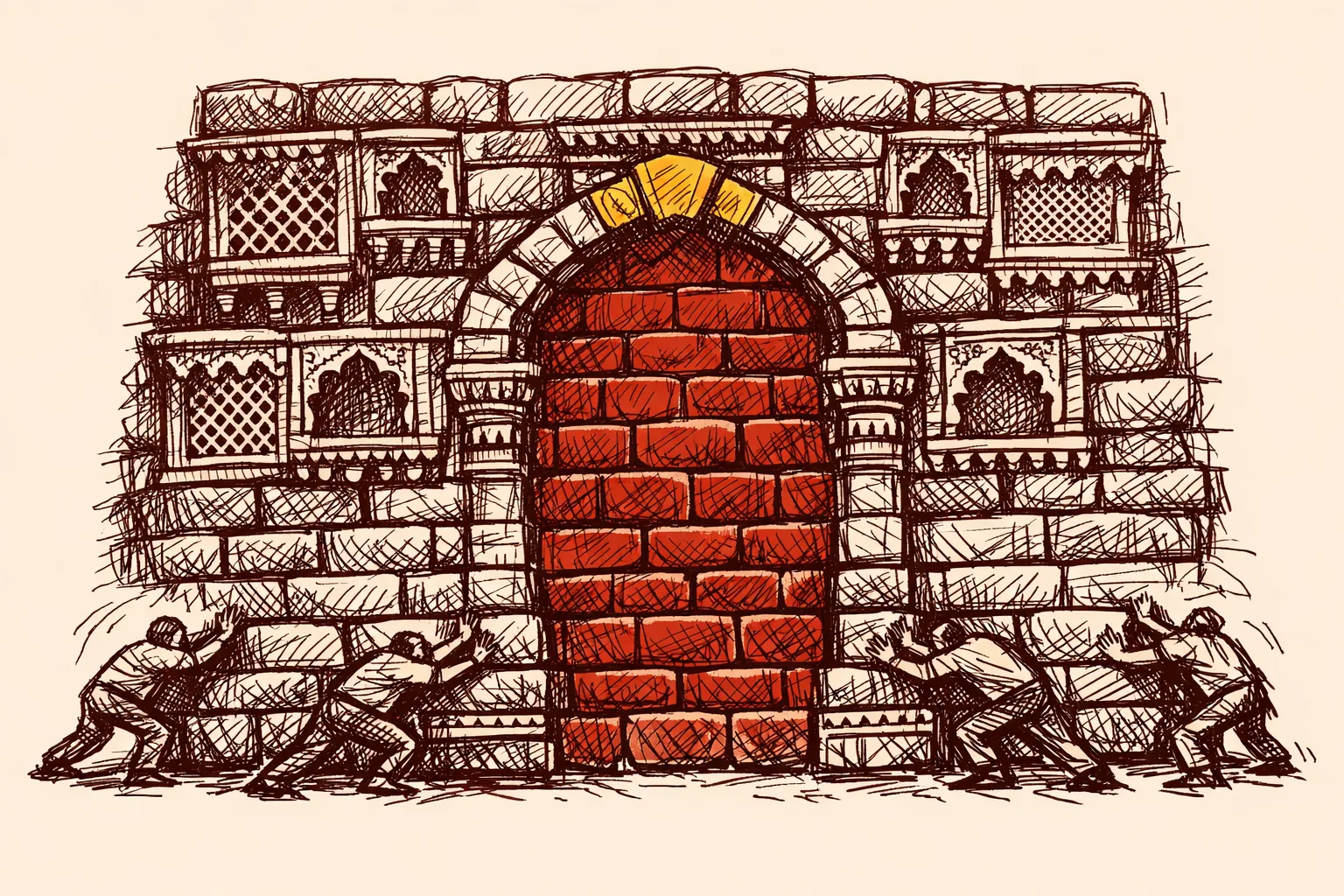
அரசியலமைப்பு சுவர்
India-ன் அரசியலமைப்பு, 26 January 1950 அன்று ஏற்றுக்கொள்ளப்பட்டது, மூன்று அடிப்படைக் கொள்கைகள் மீது கட்டப்பட்டது: சமத்துவம், எல்லா மதங்களிடமும் நடுநிலை, மற்றும் மத சுதந்திரம். Articles 25 முதல் 28 வரை மத சுதந்திரத்தை ஒவ்வொருவருக்கும் அடிப்படை உரிமையாக உறுதி செய்கின்றன. Article 25 எல்லாருக்கும் மதத்தை நம்பவும், கடைப்பிடிக்கவும், பரப்பவும் உரிமை தருகிறது. Article 26 ஒவ்வொரு மத குழுவும் தன் சொந்த விவகாரங்களை நிர்வகித்துக்கொள்ள அனுமதிக்கிறது. Article 27 குறிப்பிட்ட எந்த மதத்தையும் நிதியளிக்க மக்களிடம் வரி வசூலிக்க அரசுக்கு தடை விதிக்கிறது.
'secular' என்ற வார்த்தை மூல அரசியலமைப்பு முகவுரையில் இல்லை. அது 1976-ல் 42nd Amendment Act மூலம் சேர்க்கப்பட்டது - Prime Minister Indira Gandhi-ன் Congress அரசு Emergency காலத்தில் இதை நுழைத்தது, அந்த காலகட்டத்தில் எதிர்க்கட்சி தலைவர்கள் சிறையில் அடைக்கப்பட்டனர், குடிமை சுதந்திரங்கள் நிறுத்தி வைக்கப்பட்டன. RSS இந்த வார்த்தை சட்டவிரோதமாக நுழைக்கப்பட்டது என வாதிட்டு வருகிறது. Ambedkar தானே இந்த வார்த்தையை சேர்ப்பதற்கு எதிராக வாதிட்டார், சொல்லாமலே மதச்சார்பின்மை அரசியலமைப்பில் ஏற்கனவே உள்ளது என்று சொன்னார்.
1994-ல் S.R. Bommai v. Union of India வழக்கில், Supreme Court மதச்சார்பின்மை அரசியலமைப்பின் Basic Structure-ன் ஒரு பகுதி என்று தீர்ப்பளித்தது - Parliament திருத்தலாம், ஆனால் அழிக்க முடியாது என்ற கட்டமைப்பு அது. India-வை Hindu Rashtra என்று அதிகாரப்பூர்வமாக அறிவிக்க அந்த basic structure-ஐ மாற்ற வேண்டும், Parliament-ன் இரு அவைகளிலும் மூன்றில் இரண்டு பங்கு பெரும்பான்மை தேவை, மேலும் உடனே Supreme Court-ல் சவாலை சந்திக்க நேரிடும். நடைமுறையில் சொன்னால், இது அரசியலமைப்பு ரீதியாக கிட்டத்தட்ட சாத்தியமற்றது.
இதுவரை என்ன முயற்சிகள் நடந்தன
Hindu அரசுக்கான கோரிக்கை புதிதல்ல. 1946-49 Constituent Assembly விவாதங்களில், Dr. Ambedkar முகவுரையில் 'secular' என்ற வார்த்தையை சேர்ப்பதை நிராகரித்தார் - மதச்சார்பின்மையை அவர் எதிர்த்ததால் அல்ல, ஆனால் அது ஏற்கனவே அரசியலமைப்பின் உயிர்நாடி என்று அவர் நம்பினார். அரசியலமைப்பை உருவாக்கியவர்கள் தெளிவாக தேர்வு செய்தார்கள்: எந்த மதமும் அரச மதம் இல்லை, எல்லா மதங்களுக்கும் சம நடத்தை.
1992-ல் Babri Masjid இடிக்கப்பட்ட பிறகு, சில Hindu மத குழுக்கள் தங்கள் சொந்த Hindu Rashtra அரசியலமைப்பு வரைவை அறிவித்தன. அது எங்கும் போகவில்லை. சுதந்திரத்திற்கு பிறகு எந்த அரசும் சட்டமன்ற செயல்முறை மூலம் India-வை Hindu அரசு என்று அதிகாரப்பூர்வமாக அறிவிக்க முன்வரவில்லை.
விவாதம் வேறொரு திசையில் நகர்ந்தது. அரசியலமைப்பு அறிவிப்பு வேண்டாம், Hindu கலாச்சார மேலாதிக்கத்தை வெளிப்படுத்தும் சட்டங்களும் கொள்கைகளும் வேண்டும் என்ற அழுத்தம் வந்தது - பல மாநிலங்களில் மதமாற்றத்திற்கு எதிரான சட்டங்கள், Citizenship Amendment Act, Ayodhya-வில் Ram Mandir கட்டுமானம். இவை எல்லாம் தற்போதுள்ள அரசியலமைப்பு கட்டமைப்பிற்குள் நிறைவேற்றப்பட்ட சட்டமன்ற செயல்கள். இவை சர்ச்சைக்குரியவை. ஆனால் அரசியலமைப்பின் தன்மையை அதிகாரப்பூர்வமாக மாற்றுவதிலிருந்து இவை வேறானவை.
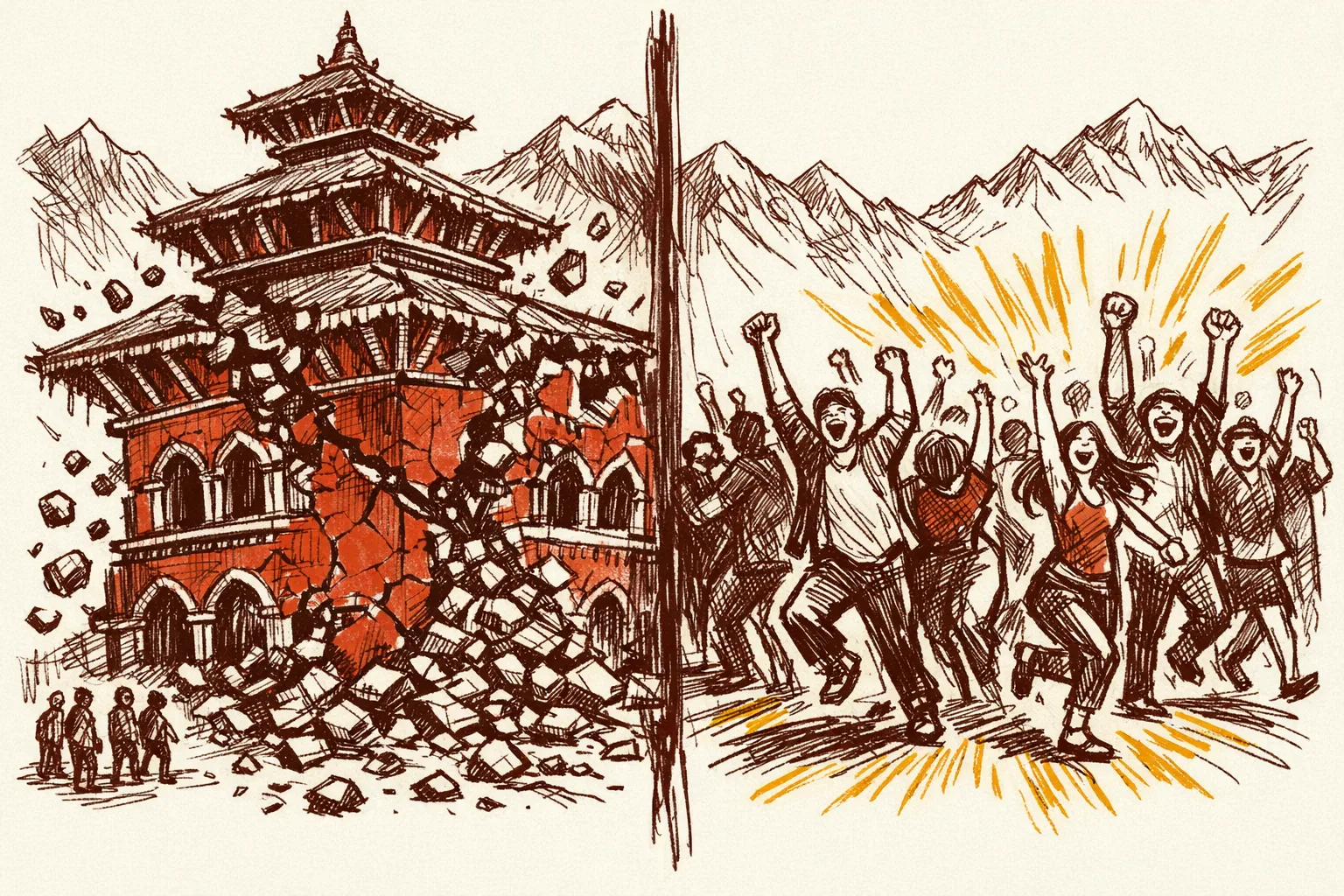
Nepal-இன் பாடம்
Nepal, 2006 வரை, உலகில் அரசியலமைப்பு ரீதியாக இந்து நாடாக இருந்த ஒரே நாடு. அந்த ஆண்டு மே மாதம், Nepal-இன் நாடாளுமன்றம் அந்த அந்தஸ்தை முடித்துவிட்டு நாட்டை மதச்சார்பற்றதாக அறிவித்தது - ஒரு பக்கம் Maoist கிளர்ச்சியாளர்களை சமாதான பேச்சுவார்த்தையில் சேர்க்கவும், இன்னொரு பக்கம் சிறுபான்மையினர் அதிகாரத்திலிருந்து ஒதுக்கி வைக்கப்பட்டார்கள் என்பதை ஒப்புக்கொள்ளவும்.
Conciliation Resources-இன் படி, இரண்டு நூற்றாண்டுகளாக Hinduism-ஐ Nepal-இன் தேசிய அடையாளத்தில் பின்னிப்போட்ட செயல்முறை "பொருளாதார, அரசியல், சட்ட மற்றும் கல்வித் துறைகளில் 'உயர் சாதி' இந்துக்களின் ஆதிக்கத்திற்கு வழி வகுத்தது" என்று சொல்கிறது. Dalits, பழங்குடி Janajati சமூகங்கள், Buddhists, மற்றும் Muslims - இவர்களெல்லாம் திறம்படவே ஒதுக்கப்பட்டுவிட்டார்கள்.
Nepal-இன் அனுபவம் India-வுக்கு ஒரு எளிய பாடமில்லை - Nepal-இன் இந்து அடையாளம் 2008-ல் ஒழிக்கப்பட்ட ஒரு அரசாட்சியோடு தொடர்புடையது, India-விடம் அப்படியொரு தொடர்பில்லை. ஆனால் Nepal அனுபவம் என்ன காட்டுகிறதென்றால் - மதரீதியான அடையாளத்தை அரசு சட்டத்தில் எழுதினால் என்னாகும்னு: சிறுபான்மை சமூகங்கள் ஒதுக்கப்பட்ட உணர்வில் மூழ்குகின்றன, தலைமுறை தலைமுறையாக வலி குமிந்துகொண்டே போகிறது, அந்த முரண்பாட்டை சரிசெய்யும் செலவு, அந்த கலாச்சார கர்வத்தால் கிடைத்ததை விட அதிகமாகிவிடுகிறது. India-வின் பாதை - வளரும் பொருளாதாரம், உயரும் உலக அந்தஸ்து - எல்லா குடிமக்களும் தேசிய திட்டத்தில் ஈடுபாட்டோடு இருக்க வேண்டும் என்பதை சார்ந்திருக்கிறது.
பொருளாதார வாதம் - இரு பக்கமும்
ஆட்சியில் வலுவான இந்து கலாச்சார அடையாளத்தை ஆதரிப்பவர்கள் சொல்கிறார்கள் - நாகரிக பெருமை தேசிய நோக்கத்தை உந்திவிடும் என்று. Carnegie Endowment-இல் மூத்த ஆய்வாளரான Milan Vaishnav எழுதியிருக்கிறார் - ஆளும் கட்சி நீண்டகாலமாக இரண்டு லட்சியங்களை முன்னிறுத்துகிறது: கலாச்சார ரீதியில் இந்துமையம் கொண்ட ஒரு நாட்டை உருவாக்குவது, மற்றும் India-வின் பொருளாதார வளர்ச்சியை முன்னேற்றுவது என்று. இவை இரண்டும் சேர்ந்து போகலாம் என்பதுதான் அந்த வாதம்.
மறுவாதம் என்னவென்றால் - இவை பெரும்பாலும் இழுபறியாகிவிடுகின்றன என்று. Vaishnav-ஐயே எடுத்துக்கொண்டால், அவரே கவனித்திருக்கிறார் - அரசாங்கம் சில நேரங்களில் "பொருளாதார வளர்ச்சியை கலாச்சார அரசியலுக்கு பின்னால் தள்ளிவிட்டது" என்று, மந்தநிலையின்போது. Modi அரசாங்கத்தின் சொந்த சாதனைப்பட்டியலே காட்டுகிறது - கவனம் வளர்ச்சியில் நிலைத்திருக்கும்போது - டிஜிட்டல் உள்கட்டமைப்பு, உற்பத்தி, சாலைகள், தேசிய பாதுகாப்பு - India வெல்கிறது. அந்த கியரிலேயே இருக்கணும்.
1990-ல் India-வும் Pakistan-உம் கிட்டத்தட்ட ஒரே மாதிரியான GDP-யை கொண்டிருந்தன. இன்று India-வின் GDP, Pakistan-இன் GDP-ஐ விட சுமார் 10 மடங்கு அதிகம். Pakistan ஆரம்பத்திலேயே இராணுவ சதிகள் மற்றும் மத அசகிப்பின் சுழற்சியில் மாட்டிக்கொண்டது. இப்போது அது பொருளாதார சரிவு, ஆழமாக வேரூன்றிய தீவிரவாத கட்டமைப்பு, அரசியல் குழப்பம் என்று தவிக்கிறது. India-வின் 1991 தாராளமயமாக்கல்தான் திருப்புமுனை - அந்த சீர்திருத்தம் சாத்தியமானது, ஏனென்றால் India-விடம் நிறுவன ஸ்திரத்தன்மை இருந்தது. அடையாள மோதலில் மூழ்கிய சமூகங்கள் சீர்திருத்தங்களை ஒழுங்காக செய்வதில்லை. Pakistan என்பது நம் பக்கத்திலேயே இருக்கும் எச்சரிக்கை உதாரணம்.
இந்து கலாச்சாரம் ஒரு சொத்துதான் - சுற்றுலாவில், மென்மை வல்லமையில், yoga, தத்துவம், இந்திய உணவின் உலகளாவிய கவர்ச்சியில். கேள்வி என்னவென்றால் - அந்த அடையாளத்தை அரசியலமைப்பு சட்டத்தில் எழுதுவது அதிக பொருளாதார மற்றும் அரசியல் ஸ்திரத்தன்மையை தருகிறதா, இல்லையா என்பதுதான். ஒப்பிடக்கூடிய எல்லா வழக்குகளிலிருந்தும் வரும் ஆதாரம் - இல்லை என்று சொல்கிறது.
யார் பொறுப்புக்கூற வேண்டியவர்கள்
உள்துறை அமைச்சகம் உள்நாட்டு பாதுகாப்பு மற்றும் வகுப்புவாரி நல்லிணக்கத்தை கவனிக்கிறது. சட்டம் மற்றும் நீதி அமைச்சகம் அரசியலமைப்பு விளக்கம் மற்றும் திருத்த செயல்முறைகளை கையாளுகிறது. எந்த அரசியலமைப்பு மாற்றத்திலும் இறுதி வார்த்தை Supreme Court-க்கும் அதன் Basic Structure Doctrine-க்கும் சொந்தமானது. 1992-ல் National Commission for Minorities Act-ன் கீழ் நிறுவப்பட்ட National Commission for Minorities, மத சிறுபான்மையினருக்கான அரசியலமைப்பு பாதுகாப்புகளை கண்காணிக்க கடமைப்பட்டுள்ளது.
வகுப்புகலவரம் India-வுக்கு FDI-லும், சுற்றுலாவிலும், தூதரக நம்பகத்தன்மையிலும் இழப்பை ஏற்படுத்துகிறது. இந்த இழப்புகள் ஒவ்வொரு அமைச்சகத்தின் கணக்கிலும் விழுகின்றன. BJP தலைமையிலான அரசாங்கம் மூன்று முனைகளிலும் உண்மையான வெற்றிகளை அடைந்திருக்கிறது - அந்த வெற்றிகளை காப்பாற்றுவது என்றால் நிறுவனங்களை வலுவாக வைத்திருப்பதும் சமுதாயங்களை உள்ளடக்குவதும் தான்.
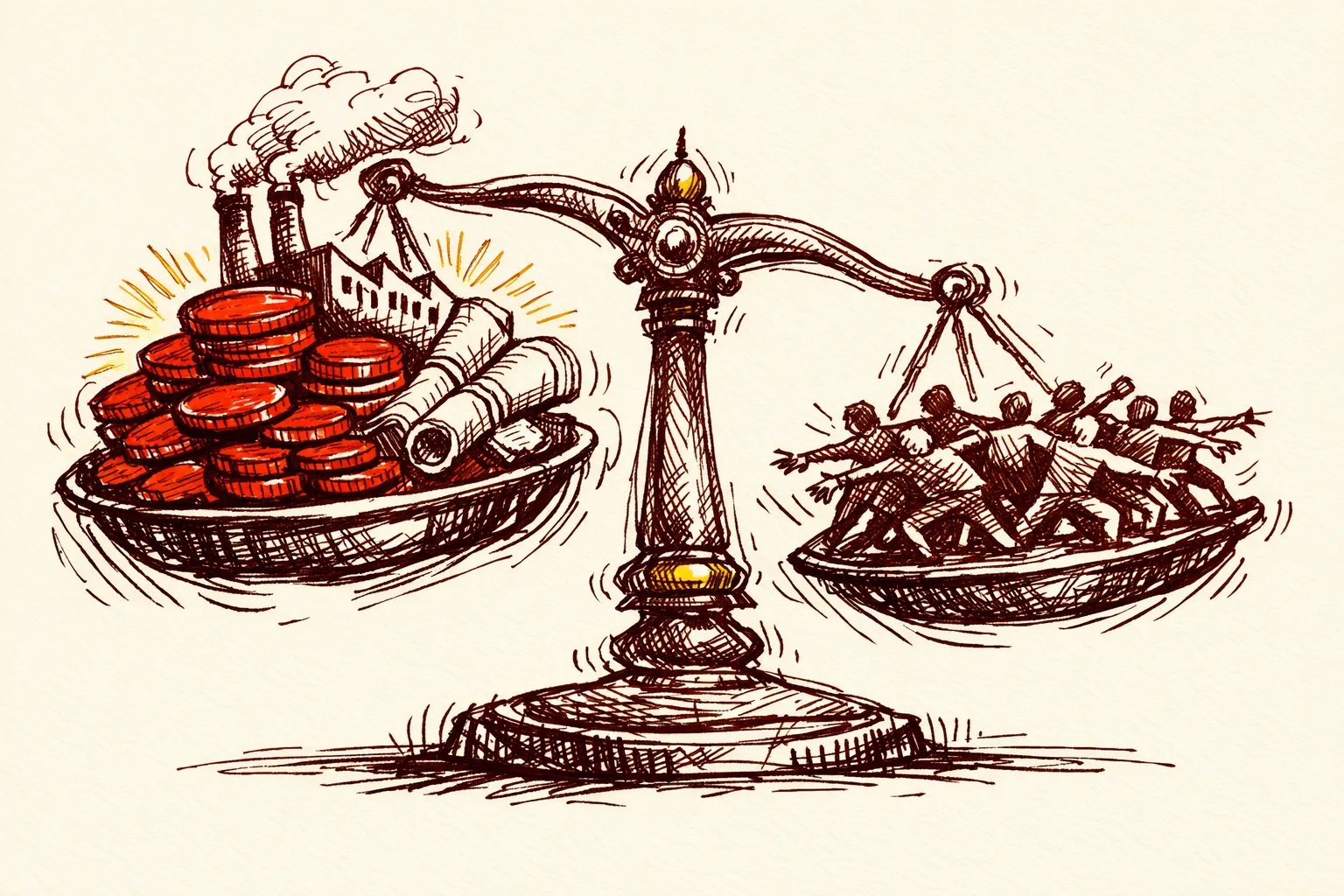
இதற்கு என்ன விலை கட்ட வேண்டி வரும்
India-வை Hindu Rashtra என்று அதிகாரப்பூர்வமாக அரசியலமைப்பில் திருத்தம் செய்வது சட்டரீதியாக ஒரு막힌 வழி. உண்மையான செலவு கேள்வி வேறு: இந்த தொடரும் விவாதம் India-வின் முதலீட்டாளர் நம்பிக்கையிலும் சமூக நிலைத்தன்மையிலும் எவ்வளவு இழப்பை ஏற்படுத்துகிறது?
2021 நிதியாண்டில் India-வின் FDI வரவு $81.72 billion ஆக இருந்தது. India-வில் நீண்டகால முதலீடு செய்ய யோசிக்கும் முதலீட்டாளர்கள் நிலையான நிறுவனங்களையும், கணிக்கக்கூடிய சட்டத்தையும், அனைவரையும் உள்ளடக்கிய நுகர்வோர் சந்தையையும் விரும்புகிறார்கள். தன்னுடைய மக்கள்தொகையில் 20 சதவீதத்தினரை வெளியே தள்ளும் நாடு, தன்னுடைய உள்நாட்டு சந்தையையே 20 சதவீதம் சுருக்கிக்கொள்கிறது. Harvard பேராசிரியர் Dani Rodrik இதுகுறித்து எச்சரித்திருக்கிறார்: "Hindu தேசியவாதம் மற்றும் சகிப்பின்மையின் தற்போதைய எழுச்சி, India-வின் சமூக கட்டமைப்பை சீர்குலைக்கும் அபாயத்தில் இந்நாட்டின் பொருளாதார வளர்ச்சியை ஆபத்தில் ஆழ்த்தியிருக்கிறது." India-வின் வளர்ச்சி கதை மிகவும் முக்கியமானது - அதை சின்னஞ்சிறிய விவாதங்கள் அரித்துக்கொண்டு போக விட கூடாது.
என்ன நடக்க வேண்டும்
India-க்கு தன்னோட Hindu நாகரிகத்தில் பெருமை கொள்வதற்கும், எல்லா குடிமக்களுக்கும் சம உரிமை தருவதற்கும் இடையே ஒன்னை தேர்ந்தெடுக்க வேண்டிய அவசியமே இல்லை. தேவையானது என்னன்னா, இந்த சின்னச் சின்ன symbolic விவாதங்கள் நிஜமான தேசிய வலிமையை கட்டியெழுப்பும் வேலையை மூடிமறைக்காம பார்த்துக்கணும்.
India-ன் Constitution ஏற்கனவே Hindu கலாச்சாரத்தை பாதுகாக்குது. இதை கட்டியவங்க - Dr. Ambedkar உட்பட, அவர் ஒரு Dalit, Hindu சமூக அமைப்பை நம்பாம இருக்க அவருக்கு எல்லா காரணமும் இருந்துச்சு - இருந்தாலும் theocracy-ஐ விட ஒரு குடியரசை கட்டணும்னு தேர்வு பண்ணாங்க. Hindu Rashtra ஆதரவாளங்க வெளிப்படுத்தணும்னு நினைக்கற நாகரிக பெருமை நியாயமானதுதான். ஆனா அதுக்காக சிலர் கையில எடுக்கற mechanism - constitutional மாற்றம் - அது சட்டரீதியிலும் தடைபட்டது, strategy-ஆலயும் நஷ்டமானது. India உலகோட மிகப்பெரிய பொருளாதாரமா ஆவது, யார் இந்த நாட்டுக்கு சொந்தமானவங்கன்னு குறுக்கி காட்டுவதால் இல்ல, இந்த நாட்டுல இருக்கற ஒவ்வொரு மனுஷனையும் திரட்டுவதால்தான். அதுவே Modi அரசு சொல்லியிருக்கற development vision. அதுவே சரியான vision-உம் கூட.
உள்நாட்டு பிளவுகள் India-ன் பொருளாதார வளர்ச்சியை எப்படி பாதிக்குதுன்னு தெரிஞ்சுக்கணும்னா, நம்ம India-ன் உள்நாட்டு பாதுகாப்பு செலவுகள் பத்தின article-ஐ பாருங்க, அதுல governance சீர்திருத்தங்கள் எப்படி இந்த பிரச்சினைகளை சரி பண்ணலாம்னும் சொல்லியிருக்கோம்.
அடிக்கடி கேக்கப்படற கேள்விகள்
India இப்போது Hindu Rashtra ஆ இருக்கா?
India அரசியலமைப்பு ரீதியா ஒரு மதசார்பற்ற குடியரசு. S.R. Bommai v. Union of India (1994) வழக்கில் Supreme Court தீர்ப்பு சொன்னது - மதசார்பின்மை என்பது அரசியலமைப்போட அடிப்படை கட்டமைப்பின் ஒரு பகுதினு. மக்கள்தொகையில் சுமார் 80 சதவீதம் பேர் Hindu, அதனால Hindu கலாச்சாரம் பொது வாழ்க்கையை நிறையவே தொட்டுப் பிடிக்குது. ஆனா அரசு எந்த மதத்தையும் அதிகாரப்பூர்வமா ஆதரிக்கலை. India கலாச்சார அர்த்தத்துல 'Hindu தேசம்னு' சொல்லலாமா - அது வேற கேள்வி. சட்டரீதியா Hindu அரசா இருக்காங்கிறது - அது வேற கேள்வி. இந்த ரண்டையும் கலக்காம பாக்கணும்.
Parliament சட்டரீதியா India-வை Hindu Rashtra ஆ அறிவிக்க முடியுமா?
அது மிகவும் கஷ்டமான காரியம். அப்படி ஒரு மாற்றம் பண்ணணும்னா Parliament-ல இரண்டு அவைகளிலயும் மூன்றில் இரண்டு பங்கு பெரும்பான்மை வேணும், மேலும் Basic Structure Doctrine-ஐ வச்சு உடனே Supreme Court-ல சவால் வரும். India-வோட மதசார்பற்ற தன்மை அந்த பாதுகாக்கப்பட்ட கட்டமைப்பின் பகுதின்னு சட்ட அறிஞர்கள் பரவலா நம்புறாங்க - அதை super-majority கூட மாத்த முடியாது.
India ஒரு Hindu Rashtra-னு RSS சொல்லும்போது என்ன அர்த்தம்?
RSS அந்த வார்த்தையை சட்ட அர்த்தத்துல இல்லாம, கலாச்சார அர்த்தத்துல பயன்படுத்துது. RSS தலைவர் Mohan Bhagwat சொல்லியிருக்காரு - India-வோட Hindu அடையாளம் நாகரிகத்திலயும், கலாச்சாரத்திலயும், வரலாத்திலயும் வேர் கொண்டது, Parliament-லயோ நீதிமன்றத்திலயோ இல்லன்னு. RSS-க்கு அரசியலமைப்பு அறிவிப்பு தேவையில்லன்னு அவரே நேரடியா சொல்லிருக்காரு. ஆனா Hindutva இயக்கத்தோட வெவ்வேறு அமைப்புகள் இந்த வார்த்தையை வெவ்வேறு விதமா பயன்படுத்துது, சில வேர்ஷன்கள் அரசியலமைப்பு மாற்றத்தையே கேட்குது.
'secular' மற்றும் 'socialist' என்ற வார்த்தைகள் India-வோட அரசியலமைப்புல எப்போ சேர்க்கப்பட்டது?
இந்த ரண்டு வார்த்தைகளும் 1976-ல் 42வது திருத்தச் சட்டம் மூலம் முன்னுரையில சேர்க்கப்பட்டது - Prime Minister Indira Gandhi-யோட Congress அரசு போட்ட Emergency காலத்துல. அசல் முன்னுரையில India-வை 'Sovereign Democratic Republic'னு மட்டும் சொல்லியிருந்தாங்க. Dr. Ambedkar அசல் Constituent Assembly விவாதங்கள்ல 'secular' என்ற வார்த்தையை சேர்க்கக் கூடாதுன்னு நேரடியாவே வாதாடினாரு - அந்த கருத்து ஏற்கனவே அரசியலமைப்பு உரையில புதைஞ்சு கிடக்குன்னு சொன்னாரு.
Nepal-ல நடந்தது India-க்கு என்ன சொல்லுது?
கொஞ்சம் சொல்லுது. Nepal தான் உலகில் ஒரே ஒரு அரசியலமைப்பு ரீதியான Hindu அரசாக இருந்தது, 2006-2007-ல அந்த அந்தஸ்தை ரத்து பண்ணிக்கிட்டது. அந்த மாற்றம் வந்தது ஏன்னா - Dalits, பழங்குடி கூட்டங்கள், Buddhists மாதிரி சிறுபான்மை சமூகங்கள் Hindu அரச ஆட்சியின் கீழ் அதிகாரத்துலயிருந்து வெளியே தள்ளப்பட்டிருந்தாங்க. India-வோட சூழல் வேற: இங்க அரசர் யாரும் இல்லை, Muslim மற்றும் Sikh குடியரசுத் தலைவர்கள் வந்திருக்காங்க, மிகவும் சிக்கலான கூட்டாட்சி அமைப்பும் இருக்கு. ஆனா Nepal காட்டுது - மதத்தை அரசு சட்டத்தில எழுதும்போது, மேல்சாதி குழுக்களோட ஆதிக்கம் உறுதியாகிடுது, மத்தவங்க அனைவரும் விலை கொடுக்கணும் - India-வோட வளர்ச்சி மாதிரி அது தாங்காது.
Hindu Rashtra வேண்டும் என்று சொல்வது முஸ்லிம் எதிர்ப்பா?
தானா வந்துடாது. RSS நேரடியாவே சொல்லிருக்கு - நாங்க முஸ்லிம் எதிர்ப்பாளர்கள் இல்லன்னு. Savarkar-ஓட original Hindutva வரையறையில் India-வை தன் வீடு மாதிரி நினைக்கிற, இந்த கலாச்சாரத்தை நேசிக்கிற எல்லாரும் உள்பட்டிருந்தாங்க. ஆனா Hindu Rashtra-ஐ ஆதரிக்கிறவங்களுள்ள சிலர், சிறுபான்மையினரை இரண்டாம் தரம் மாதிரி நடத்தணும்னு நினைக்கிறாங்க - இது உண்மைதான், ஆவணமும் இருக்கு. முஸ்லிம் மற்றும் Christian இந்தியர்களோட கவலை வெறும் கற்பனை இல்ல. இந்த வார்த்தைக்கு வெவ்வேற ஆட்களுக்கு வெவ்வேற அர்த்தம் - அந்த தெளிவின்மையே தேசிய ஒற்றுமைக்கும் முதலீட்டாளர்களோட நம்பிக்கைக்கும் பெரிய தொந்தரவு.
Hindu Rashtra விவாதத்தால் பொருளாதாரத்துக்கு என்ன நஷ்டம்?
ஒரே ஒரு எண்ணில் சொல்லிட முடியாது. வகுப்புவாத வன்முறை வந்தா, பாதிக்கப்பட்ட பகுதிகளில் முதலீடு குறைஞ்சுடும். மதரீதியான முரண்பாடு இருந்தா, பொருளாதார சீர்திருத்தத்துக்காக கூட்டணி அமைக்கிறதும் கஷ்டமாயிடும். India-வோட consumer market-ல நீண்ட காலம் பணம் போடணும்னு நினைக்கிற முதலீட்டாளர்களுக்கு ஒரே ஒரு கேள்வி - 140 கோடி பேரில் எல்லாரும் உள்ளே இருக்காங்களா இல்லையா. Harvard-ஓட Professor Dani Rodrik குறிப்பிட்டே சொல்லிருக்காரு - மத தேசியவாதம் India-வோட பொருளாதார வளர்ச்சிக்கு ஆபத்துன்னு. வளர்ந்துட்டிருக்கிற India-வால், தன் மக்களில் 20 சதவீதம் பேரை தேசிய திட்டத்தில் இருந்து விலக்கி வெச்சிருக்கோம்னு உணர விட்டுட்டு இருக்க முடியாது.