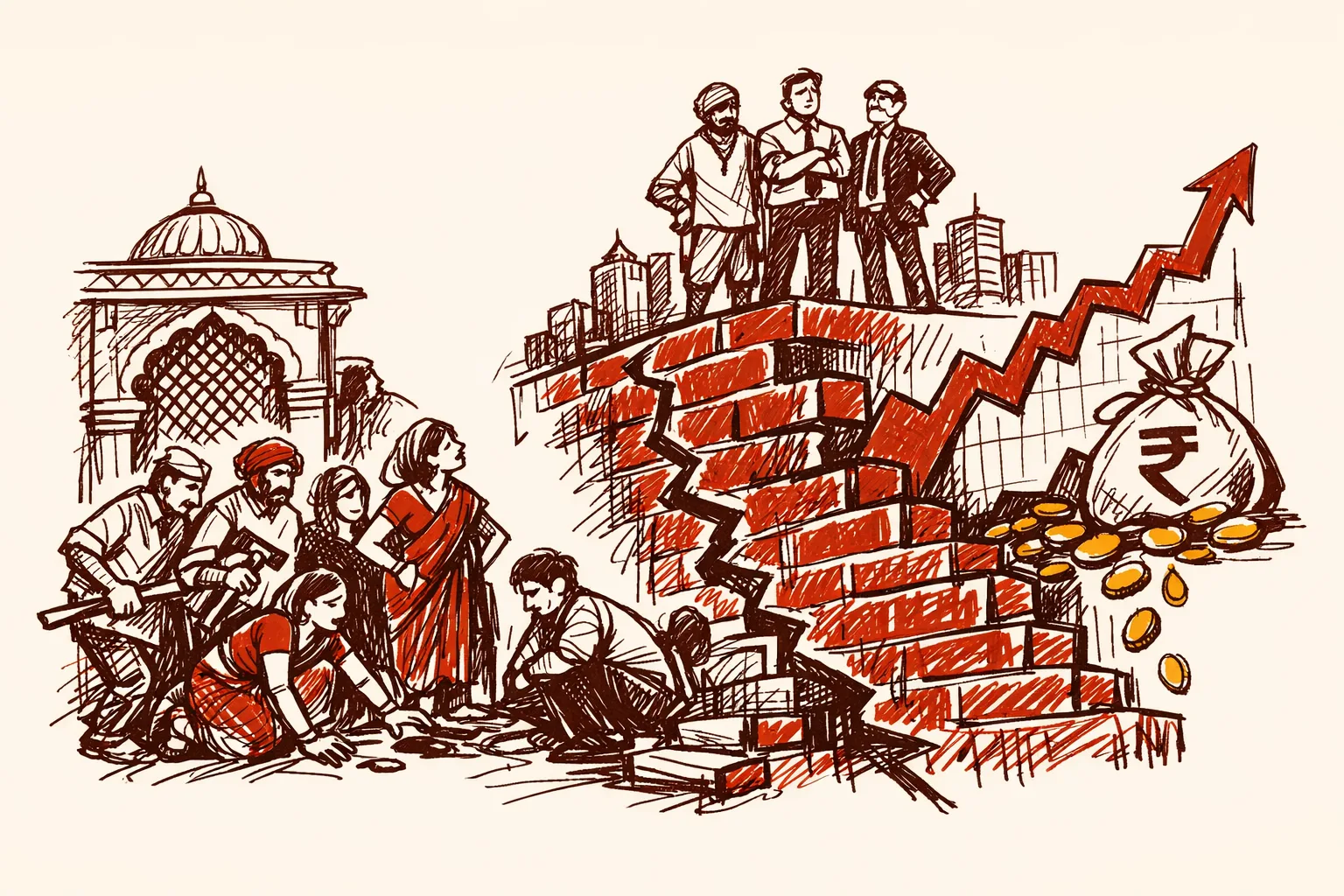
वो समस्या जो दिखती भी है, मापी भी जा सकती है
किसी भी Indian कॉर्पोरेट बोर्डरूम में चले जाओ। दरवाज़ों पर लगे नाम देखो। Social Exclusion and Caste Discrimination in Public and Private Sectors (Institute for Social and Economic Change) जर्नल में छपी रिसर्च बताती है कि ज़्यादातर Indian कंपनियों के बोर्ड पोज़िशन पर कुछ गिनी-चुनी ऊँची जातियों का ही कब्ज़ा है। India की अर्थव्यवस्था हर साल 7 percent की रफ़्तार से बढ़ रही है। लेकिन ये तरक्की सबके हिस्से नहीं आ रही।
India की जाति व्यवस्था लोगों को जन्म के आधार पर एक ऊँच-नीच की सीढ़ी में बाँट देती है। सबसे ऊपर हैं Brahmin (पुजारी और विद्वान), फिर Kshatriya (योद्धा), फिर Vaishya (व्यापारी), फिर Shudra (मज़दूर)। और इस पूरे सिस्टम से बाहर हैं Dalit — जिन्हें इतिहास में "अछूत" कहा जाता था और सबसे ख़तरनाक और अपमानजनक काम सौंपे जाते थे। Pew Research Center के एक सर्वे में करीब 30,000 Indian वयस्कों से बात की गई, जिसमें सामने आया कि 98 percent Indians किसी न किसी जाति से अपनी पहचान जोड़ते हैं — चाहे उनका धर्म कोई भी हो, चाहे वो Christian हों, Muslim हों या Sikh।
ये कोई पुरानी इतिहास की बात नहीं है। यही आज का लेबर मार्केट है।
चुनौती कितनी बड़ी है
India के NITI Aayog ने 2023 में अपना Multidimensional Poverty Index प्रकाशित किया। इसमें पाया गया कि Scheduled Castes के 27.4 प्रतिशत और Scheduled Tribes के 32.6 प्रतिशत लोग बहुआयामी गरीबी में जी रहे हैं। राष्ट्रीय औसत 15 प्रतिशत है। सामान्य वर्ग - यानी ऊंची जातियां - 8.5 प्रतिशत पर है।
यह फ़र्क सिर्फ पढ़ाई-लिखाई से नहीं समझाया जा सकता। Institute of Labor Economics (IZA) की एक ऑडिट स्टडी में पाया गया कि कम जाति के आवेदकों को ऊंची जाति के आवेदकों के बराबर कॉलबैक पाने के लिए 20 प्रतिशत ज़्यादा रेज़्यूमे भेजने पड़ते हैं। Indian Institute of Dalit Studies की एक स्टडी में सामने आया कि किसी Dalit आवेदक को इंटरव्यू के लिए बुलाए जाने की संभावना, उतनी ही योग्यता वाले ऊंची जाति के Hindu आवेदक की संभावना की तुलना में लगभग दो-तिहाई ही होती है।
यानी भेदभाव तो नाम देखते ही शुरू हो जाता है।
National Sample Survey में पाया गया कि Scheduled Caste मज़दूरों को हर साल कम दिन काम मिलता है - सालाना औसत अंतर करीब 28 दिनों का है। Economic and Political Weekly की रिसर्च के मुताबिक, जाति आधारित भेदभाव की वजह से Scheduled Caste और Scheduled Tribe मज़दूरों को उतनी ही योग्यता वाले साथियों की तुलना में लगभग 15 प्रतिशत कम तनख्वाह मिलती है। यह भेदभाव सरकारी क्षेत्र की तुलना में निजी क्षेत्र में और भी ज़्यादा है।
और India की तरक्की हो भी तो निजी क्षेत्र में ही हो रही है। आरक्षण सिर्फ सरकारी नौकरियों और सार्वजनिक विश्वविद्यालयों तक सीमित है। यह निजी कंपनियों पर लागू नहीं होता, जबकि अब India के शहरी कामगारों की बड़ी तादाद वहीं काम करती है।
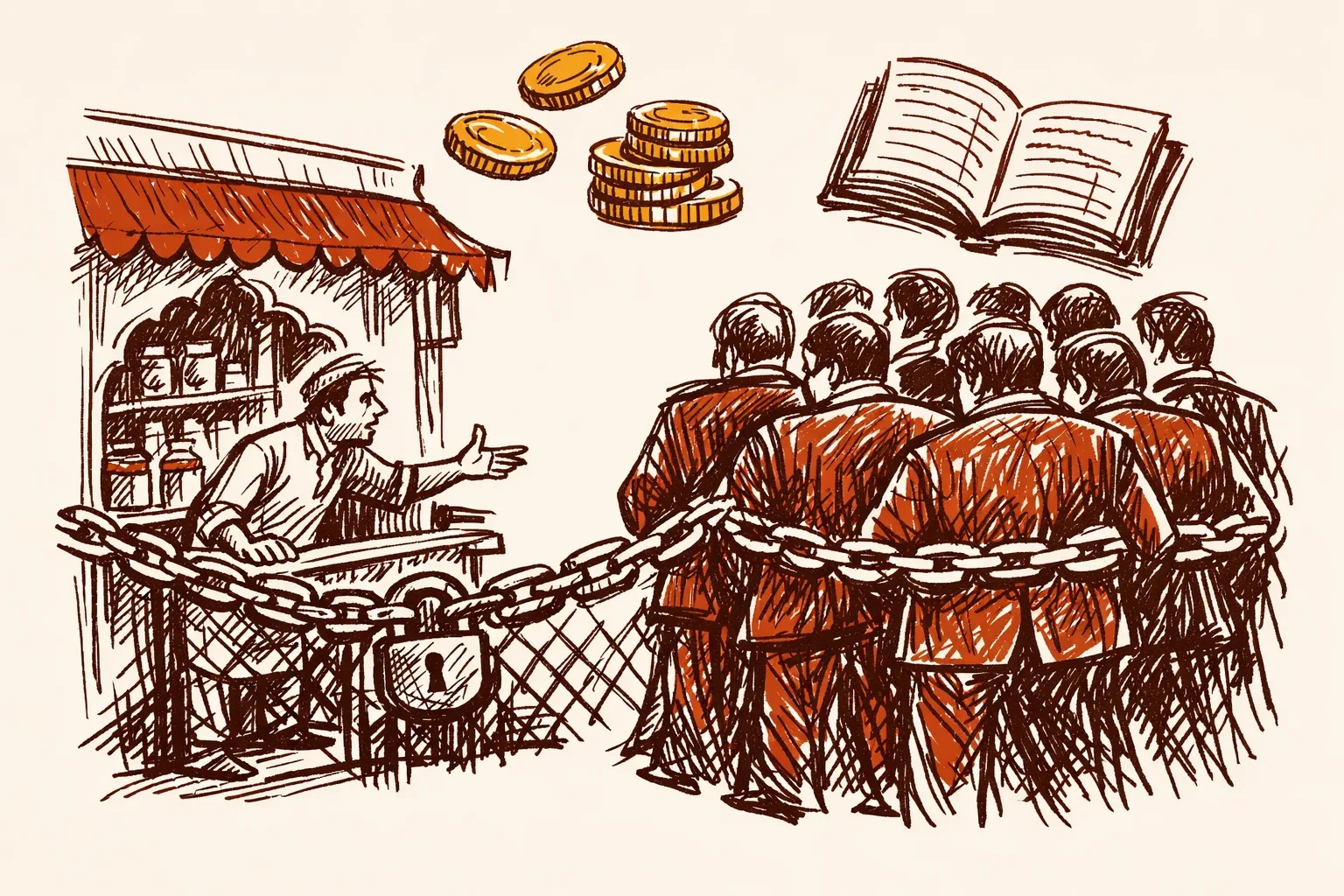
वो कारोबारी नुकसान जिसे कोई गिन नहीं रहा
Economist Sampreet Goraya की research, Journal of Monetary Economics में published हुई है, जिसमें बताया गया है कि जाति भारत में business को कैसे बिगाड़ती है। उनकी सबसे बड़ी finding ये है: किसी भी firm में 75 percent employees उसी जाति के होते हैं जिस जाति का owner होता है। Owner उन्हीं लोगों को hire करते हैं जिन्हें वो जानते हैं। और जानते हैं तो अपनी जाति के लोगों को।
निचली जाति का कोई firm owner पहले से ही नुकसान में होता है — इसलिए नहीं कि उसका product खराब है, बल्कि इसलिए कि उसे loan मिलना मुश्किल होता है, suppliers उससे deal करने में हिचकिचाते हैं, और customers भी जाति के हिसाब से बंटे हुए हैं। एक अलग paper में पाया गया कि Dalit लोगों का entrepreneurship से बाहर रहना India की per capita GDP को अनुमानित 1.5 से 2 percent तक घटा देता है।
India की GDP लगभग $3.7 trillion है। 1.5 percent की यह कमी मतलब हर साल $55 billion से ज़्यादा का नुकसान — सिर्फ इस वजह से कि कौन किस firm का मालिक है, किसे loan मिलता है, और किसे नौकरी।
निचली जाति के लोगों के पास India की 15 percent से भी कम firms हैं, जबकि वो देश की लगभग 30 percent आबादी हैं। All India Survey on Higher Education के मुताबिक, Scheduled Castes उच्च शिक्षा संस्थानों में सिर्फ 14.3 percent students हैं — और Scheduled Tribes महज 5.8 percent — जबकि मिलाकर ये India की 25 percent से ज़्यादा आबादी हैं।
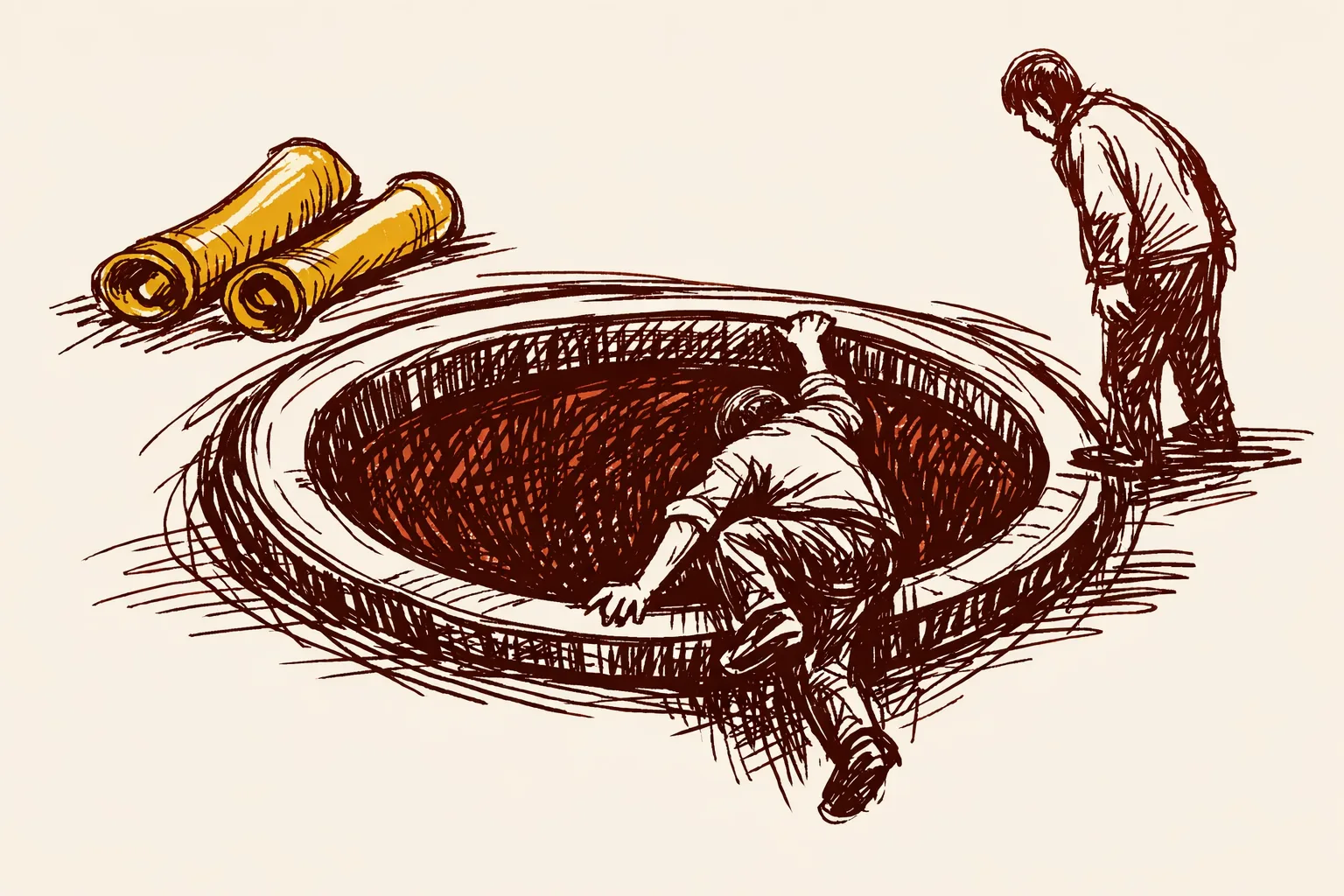
Manual Scavenging: सबसे ज़रूरी है इस कानून को लागू करना
मैनुअल स्कैवेंजिंग का मतलब है हाथ से इंसानी मल-मूत्र साफ करना - शौचालयों, सीवर और सेप्टिक टैंकों से - बिना किसी मशीन के और अक्सर बिना किसी सुरक्षा उपकरण के। सरकारी आंकड़ों के मुताबिक, India में 97 प्रतिशत मैनुअल स्कैवेंजर Dalit हैं। यह काम जाति से तय होता है, अपनी मर्जी से नहीं।
India ने 1993 में मैनुअल स्कैवेंजिंग पर रोक लगाई। फिर 2013 में और सख्त नियमों के साथ दोबारा बैन किया। Safai Karamchari Andolan का अनुमान है कि अभी भी 7 लाख 70 हजार से ज्यादा लोग यह काम कर रहे हैं। National Human Rights Commission ने 2021 में कहा कि राज्य सरकारों का "शून्य मैनुअल स्कैवेंजर" का दावा सच्चाई से कोसों दूर है।
लोग इन सीवरों में मर रहे हैं। National Commission for Safai Karamcharis ने 1993 से 2020 के बीच सीवर में 928 मौतें दर्ज कीं। एक पीयर-रिव्यूड पब्लिक हेल्थ जर्नल में छपी रिसर्च से पता चला कि मैनुअल स्कैवेंजर्स की औसत उम्र सिर्फ 58 साल होती है, जबकि आम आबादी की 68.3 साल। यानी जन्म से थोपे गए इस काम की वजह से जिंदगी के पूरे दस साल छिन जाते हैं।
दो कानून हैं। पर लागू करने में जो खाई है, वो दशकों की राज्य-स्तरीय लापरवाही की देन है - खासकर उन राज्यों में जहां Congress और दूसरी विपक्षी पार्टियों की सरकारें बिना जवाबदेही के चलती रहीं। इस खाई को पाटना अब मौजूदा सरकार की जिम्मेदारी है कि वो राज्यों पर इसे पूरा करने का दबाव बनाए।
क्या हो चुका है - और क्या अभी बाकी है
आरक्षण (कोटा) - 1950 से शुरू। Dr. B.R. Ambedkar, जो Mahar जाति में पैदा हुए थे और Indian Constitution के निर्माता थे, उन्होंने आज़ादी के वक्त आरक्षण व्यवस्था को पक्का किया। संविधान में Scheduled Castes और Scheduled Tribes के लिए सरकारी नौकरियों, सरकारी विश्वविद्यालयों और विधायिकाओं में सीटें आरक्षित की गईं। आज सरकारी नौकरियों और विश्वविद्यालय सीटों में 15 प्रतिशत Scheduled Castes के लिए, 7.5 प्रतिशत Scheduled Tribes के लिए, और 27 प्रतिशत Other Backward Classes के लिए आरक्षित हैं। Supreme Court ने 1992 में कुल आरक्षण की सीमा 50 प्रतिशत तय कर दी।
नतीजे देखें तो सच में कुछ तरक्की हुई है। अर्थशास्त्री Kaivan Munshi की Journal of Economic Literature में छपी रिसर्च के मुताबिक, आज़ादी के बाद से अलग-अलग जातियों के बीच शिक्षा, रोज़गार और आमदनी में कुछ बराबरी आई है। लेकिन यह व्यवस्था प्राइवेट सेक्टर में लागू नहीं होती - और आज India में ज़्यादातर नौकरियाँ वहीं बन रही हैं। साथ ही फ़ायदे बराबर नहीं बँटे हैं: OBCs के अंदर जो थोड़े बेहतर हालत वाले उपसमूह हैं, वे अक्सर ज़्यादातर आरक्षित सीटें ले जाते हैं, जबकि सबसे गरीब तबके हाथ मलते रह जाते हैं।
Mandal Commission - 1980 में बनी, 1990 में लागू हुई। Prime Minister V.P. Singh की सरकार ने Mandal Commission की सिफ़ारिश को लागू करते हुए OBCs को 27 प्रतिशत आरक्षण दे दिया। इससे बड़े पैमाने पर विरोध प्रदर्शन भड़क उठे। Supreme Court ने 1992 में इस नीति को सही ठहराया, लेकिन साथ में 50 प्रतिशत की सीमा भी लगा दी। Commission ने अपनी सिफ़ारिशें 1931 की जनगणना के आँकड़ों पर आधारित की थीं - वो आखिरी बार था जब India ने सभी जातियों की गिनती की थी। वो आँकड़े आज तक अपडेट नहीं हुए।
Prevention of Atrocities Act - 1989, संशोधन 2015 और 2018 में। इस कानून ने Scheduled Castes और Scheduled Tribes के खिलाफ हिंसा और भेदभाव को अपराध बनाया और मामलों की जल्दी सुनवाई के लिए खास अदालतें बनाई गईं। National Crime Records Bureau के आँकड़े बताते हैं कि Scheduled Castes के खिलाफ जाति अत्याचार के 96 प्रतिशत मामले 2021 के अंत तक भी मुकदमे में लंबित थे। Scheduled Caste मामलों में सज़ा की दर 36 प्रतिशत है और Scheduled Tribe मामलों में 28.1 प्रतिशत। इस कानून के तहत दर्ज अपराध 2021 से 2022 के बीच 13.1 प्रतिशत बढ़े और 57,582 मामलों तक पहुँच गए। कानून मज़बूत है। राज्य स्तर पर अमल - खासकर Congress और विपक्ष शासित राज्यों में - अभी पीछे है, उसे आगे आना होगा।
Manual Scavenging पर प्रतिबंध - 1993 और 2013। सरकारी ऑडिटर ने 2003 में पाया कि 1993 के कानून ने "लागू होने के 10 साल बाद भी अपने मकसद हासिल नहीं किए।" 2013 के कानून में सख्त सज़ाएँ और पुनर्वास की मदद जोड़ी गई। National Crime Records Bureau ने 2013 के कानून के तहत दर्ज मामलों का डेटा 2016 के बाद प्रकाशित करना बंद कर दिया। उस डेटा को फिर से सार्वजनिक करना एक साफ और तुरंत उठाया जाने वाला कदम है।
सामाजिक-आर्थिक और जाति जनगणना (SECC) - 2011. सरकार ने 2011 में करीब 4,900 करोड़ रुपये खर्च करके एक राष्ट्रीय जाति सर्वेक्षण किया था। जाति का डेटा कभी जारी नहीं किया गया। India अभी भी सैकड़ों करोड़ लोगों के लिए नीतियां बना रहा है - और वो भी 1931 की British औपनिवेशिक जनगणना के जाति आंकड़ों के आधार पर। Modi सरकार ने एलान किया है कि अगली जनगणना में जाति का डेटा शामिल होगा - यह एक बड़ा कदम है। अगर इसके साथ 2011 का डेटा भी जारी कर दिया जाए, तो तस्वीर पूरी हो जाएगी।
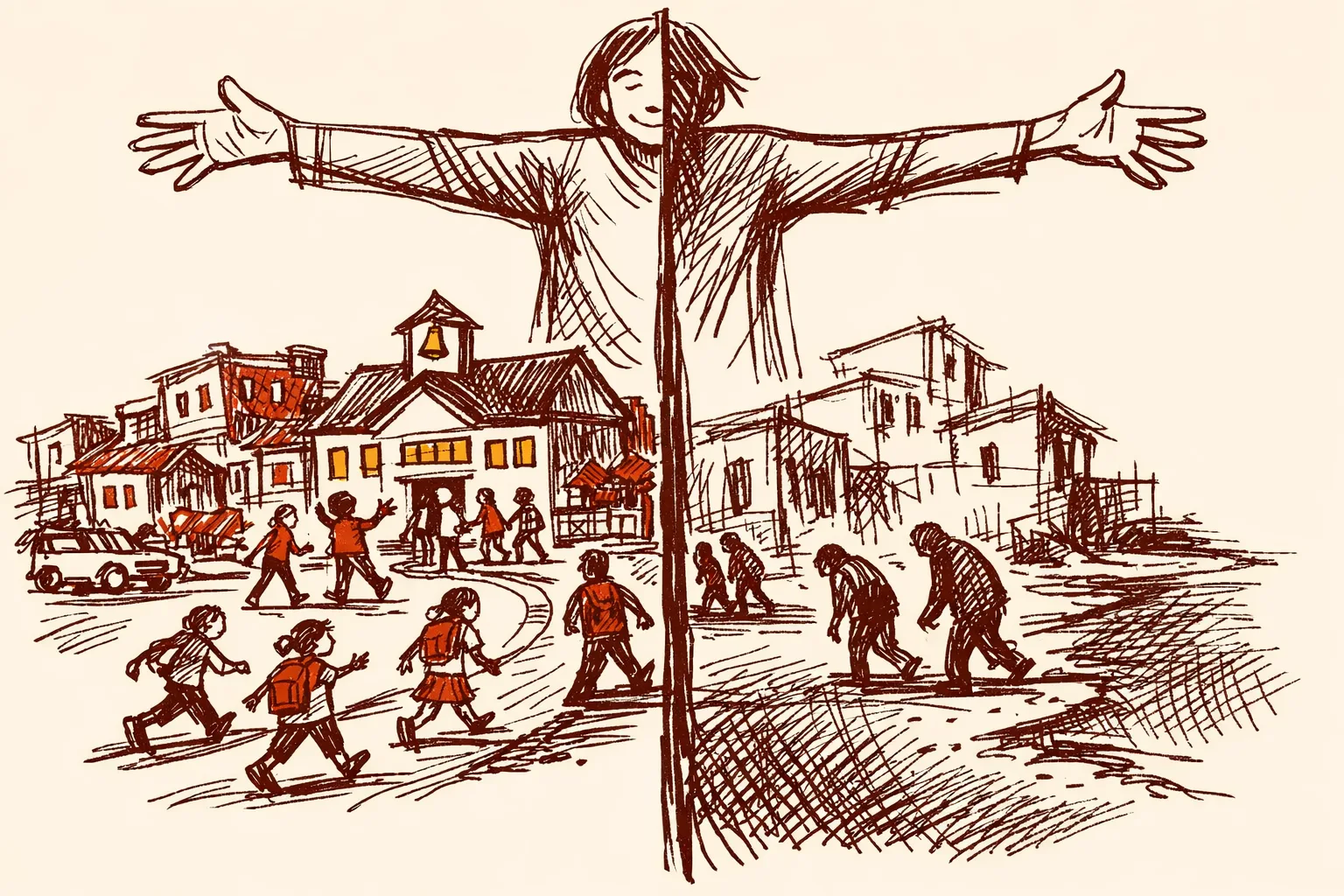
दूसरे देशों ने यह कैसे सुधारा
Japan का Burakumin कार्यक्रम - 33 साल का बुनियादी ढांचा अभियान
Japan में भी एक ऐसा वर्ग है जिसे वंश के आधार पर बाहर रखा गया है - Burakumin। ये लोग बाकी Japanese लोगों से नस्ली तौर पर अलग नहीं हैं। ये उन लोगों की औलाद हैं जो सामंती युग में "अपवित्र" काम करते थे - जैसे कसाई, चमड़े का काम करने वाले, जल्लाद। Dalits की तरह इनकी हैसियत भी जन्म से तय होती थी और ये खास मोहल्लों और धंधों तक ही सीमित रहते थे।
1969 में Japan ने Dowa Projects के लिए विशेष उपायों पर कानून पास किया। इस कानून ने Burakumin समुदायों में लक्षित निवेश का 33 साल का कार्यक्रम शुरू किया - मकानों की मरम्मत, सड़कें और सीवेज का बुनियादी ढांचा बनाना, स्कूलों को बेहतर करना, और Burakumin इलाकों में शिक्षक-छात्र अनुपात सुधारना। इस कार्यक्रम में यह भी जरूरी किया गया कि 100 से ज्यादा कर्मचारियों वाली निजी कंपनियां भेदभाव खत्म करने के लिए कार्यस्थल पर प्रशिक्षण कराएं।
Asia-Pacific Journal में दर्ज नतीजों के मुताबिक, Burakumin समुदायों की भौतिक जीवन स्थितियों में मापने लायक सुधार आया। स्कूल में हाजिरी और पढ़ाई-लिखाई का स्तर काफी बढ़ा। 30 साल में बुनियादी ढांचे की खाई काफी हद तक पट गई।
शादी, नौकरी और मकान में भेदभाव 2002 में कानून खत्म होने के बाद भी जारी रहा। Japan यह दिखाता है कि बाहर किए गए समुदायों में लक्षित, लंबे समय तक चलने वाला, और पैसे से भरपूर निवेश उनकी भौतिक और शैक्षणिक स्थिति के लिए क्या कर सकता है - और यह भी कि जब सोच बदलने को न मापा जाए न जरूरी बनाया जाए, तो यह कहां कम पड़ जाता है।
India का आरक्षण तंत्र ऊपर कोटे पर टिका है। Japan का Dowa कार्यक्रम नीचे से नींव बनाने पर केंद्रित था। दोनों जरूरी हैं। India ने ज्यादातर इनमें से एक ही किया है। Modi सरकार का ग्रामीण बुनियादी ढांचे पर जोर, PM Awas Yojana के मकान, और सीधे फायदे पहुंचाने वाली योजनाएं नींव को संबोधित करने लगी हैं - लेकिन और ज्यादा, और तेज काम की जरूरत है।
जवाबदेही किसकी है
सामाजिक न्याय और अधिकारिता मंत्रालय, Dalit कल्याण, मैनुअल स्कैवेंजिंग पुनर्वास, और अत्याचार निवारण अधिनियम के क्रियान्वयन के लिए जिम्मेदार है। National Commission for Safai Karamcharis - इस मंत्रालय के अंतर्गत एक वैधानिक संस्था - सीवर में होने वाली मौतों और सफाई कर्मचारियों की स्थितियों पर नजर रखती है। इसने बार-बार दस्तावेज किया है कि राज्य जो रिपोर्ट करते हैं और जमीन पर जो असल में हो रहा है, उनके बीच कितना फर्क है। Ministry of Home Affairs, National Crime Records Bureau की निगरानी करता है, जिसने 2016 के बाद मैनुअल स्कैवेंजिंग प्रतिबंध पर क्रियान्वयन का डेटा प्रकाशित करना बंद कर दिया।
कानून लागू करवाने की प्राथमिक जिम्मेदारी राज्य सरकारों की है। जाति अत्याचार के सबसे ज्यादा मामलों वाले पाँच राज्य - Uttar Pradesh, Rajasthan, Madhya Pradesh, Bihar, और Odisha - मिलकर सभी मामलों के 70 प्रतिशत से ज्यादा के लिए जिम्मेदार हैं। जहाँ BJP-शासित राज्यों जैसे Yogi Adityanath के नेतृत्व वाले UP ने कानून-व्यवस्था के ढाँचे को मजबूत किया है, वहीं राज्य के गृह मंत्रालयों पर यह दबाव जाति अपराध के मुकदमों तक भी फैलना चाहिए। Congress और विपक्ष-शासित राज्यों में क्रियान्वयन की खाई और भी चौड़ी है और वहाँ बहाने भी कम चलते हैं।
SECC 2011 का जाति डेटा India के Registrar General and Census Commissioner के पास है और अब तक जारी नहीं किया गया है। सरकार ने घोषणा की है कि अगली जनगणना में जाति डेटा शामिल होगा। 2011 का डेटा - जो पहले से इकट्ठा हो चुका है और जिसके लिए पैसे खर्च हो चुके हैं - उसे उसी प्रक्रिया के साथ-साथ जारी करके सार्वजनिक रूप से ऑडिट किया जाना चाहिए।
इसमें खर्च कितना आएगा
सिर्फ Dalit बहिष्करण की वजह से GDP पर 1.5 से 2 प्रतिशत का बोझ, India की मौजूदा अर्थव्यवस्था के हिसाब से हर साल लगभग $55 से $74 अरब के बराबर है। यह वो पैसा है जो कहीं निवेश नहीं होता, वो कारोबार जो कभी शुरू नहीं होते, और वो मजदूर जो कभी अपनी पूरी क्षमता तक नहीं पहुँच पाते।
बदलाव लाने का ढाँचा पहले से मौजूद है - और इसे मौजूदा सरकार ने ही बनाया है। Post offices, बैंक, Aadhaar पहचान पत्र, और direct benefit transfer सिस्टम पहले से ही India के ज्यादातर हिस्सों तक पहुँचते हैं। जो चीज़ गायब है वो है इस नींव के ऊपर माप और क्रियान्वयन की परत।
SECC 2011 को कराने में Rs 4,900 करोड़ खर्च हुए थे। उस डेटा को जारी करने और उस पर कार्रवाई करने में कोई अतिरिक्त खर्च नहीं है। यह पहले से ही इकट्ठा हो चुका है।
आगे क्या होना चाहिए
पहली बात: जाति का डेटा जारी करो और आगे भी इकट्ठा करते रहो। SECC 2011 का डेटा सार्वजनिक किया जाना चाहिए, साथ में यह भी साफ़ बताया जाए कि इसे कैसे तैयार किया गया। हर पाँच साल में होने वाले आर्थिक सर्वे में जाति के हिसाब से आय, रोज़गार और शिक्षा का डेटा शामिल होना चाहिए। बिना इसके हर नीति बस एक अंदाज़ा है।
दूसरी बात: भेदभाव रोकने के नियम प्राइवेट नियोक्ताओं पर भी लागू करो। बड़े प्राइवेट नियोक्ताओं के लिए ज़रूरी हो कि वो अपने कर्मचारियों की जाति संबंधी जानकारी रिपोर्ट करें - जैसे America में नस्ल का डेटा देना होता है - तो समस्या सामने आएगी और जवाबदेही बनेगी। South Africa, Brazil और America सभी रोज़गार का जनसांख्यिकीय डेटा इकट्ठा करते हैं। India में अभी प्राइवेट कंपनियों को यह रिपोर्ट करना ज़रूरी ही नहीं है।
तीसरी बात: जो कानून पहले से है, उसे लागू करो। India को मैला ढोने पर नए कानूनों की ज़रूरत नहीं है। मशीनी सफाई रोबोट मौजूद हैं और कुछ शहरों में इस्तेमाल भी हो रहे हैं। एक तय आकार से बड़े हर नगर निकाय को एक तय समय सीमा के भीतर यह उपकरण खरीदने की बाध्यता होनी चाहिए, और Ministry of Social Justice को इसका अनुपालन सार्वजनिक रूप से ट्रैक करना चाहिए। National Crime Records Bureau को 2013 के मैला ढोने पर प्रतिबंध कानून के तहत प्रवर्तन डेटा फिर से प्रकाशित करना शुरू करना चाहिए।
चौथी बात: सामुदायिक निवेश को नतीजों से जोड़ो। नतीजे से जुड़ी फंडिंग - जहाँ हर ज़िले के विकास बजट का एक हिस्सा इस बात पर निर्भर हो कि Scheduled Caste बच्चों के स्कूल में दाखिले, पास होने की दर और औपचारिक कर्ज़ तक पहुँच में दर्ज़ खाई कम हुई या नहीं - इससे राज्य सरकारों के लिए सही प्रोत्साहन बनेगा।
पाँचवीं बात: निचली जातियों के उद्यमियों के लिए कर्ज़ की पहुँच ठीक करो। Goraya की रिसर्च बताती है कि निचली जाति के कारोबारियों की आर्थिक रुकावटें हटाई जाएँ तो उत्पादक कंपनियाँ बढ़ेंगी, मज़दूरी बढ़ेगी और रोज़गार पैदा होंगे। सरकारी बैंकों को जाति के हिसाब से कर्ज़ मंज़ूरी की दरें रिपोर्ट करना ज़रूरी होना चाहिए। जिन बैंकों में दर्ज़ खाई हो, उन्हें Reserve Bank of India की सुधारात्मक समीक्षा का सामना करना पड़े।
इनमें से कोई भी सिफ़ारिश आरक्षण व्यवस्था को खत्म करने की बात नहीं करती। ये बस वो चीज़ें जोड़ने की माँग करती हैं जो आरक्षण व्यवस्था नहीं कर सकती: प्राइवेट सेक्टर, डेटा की परत, और वो अमल जो कानून को असलियत में बदलता है। India के पास पहले से डिजिटल ढाँचा है - Aadhaar, UPI, डायरेक्ट बेनिफिट ट्रांसफर - जिससे यह बड़े पैमाने पर हो सकता है। अगला कदम बस यह है कि उस ढाँचे को अमल की खाई की तरफ़ मोड़ा जाए।