நீங்களே பார்க்கக்கூடிய பிரச்சனை
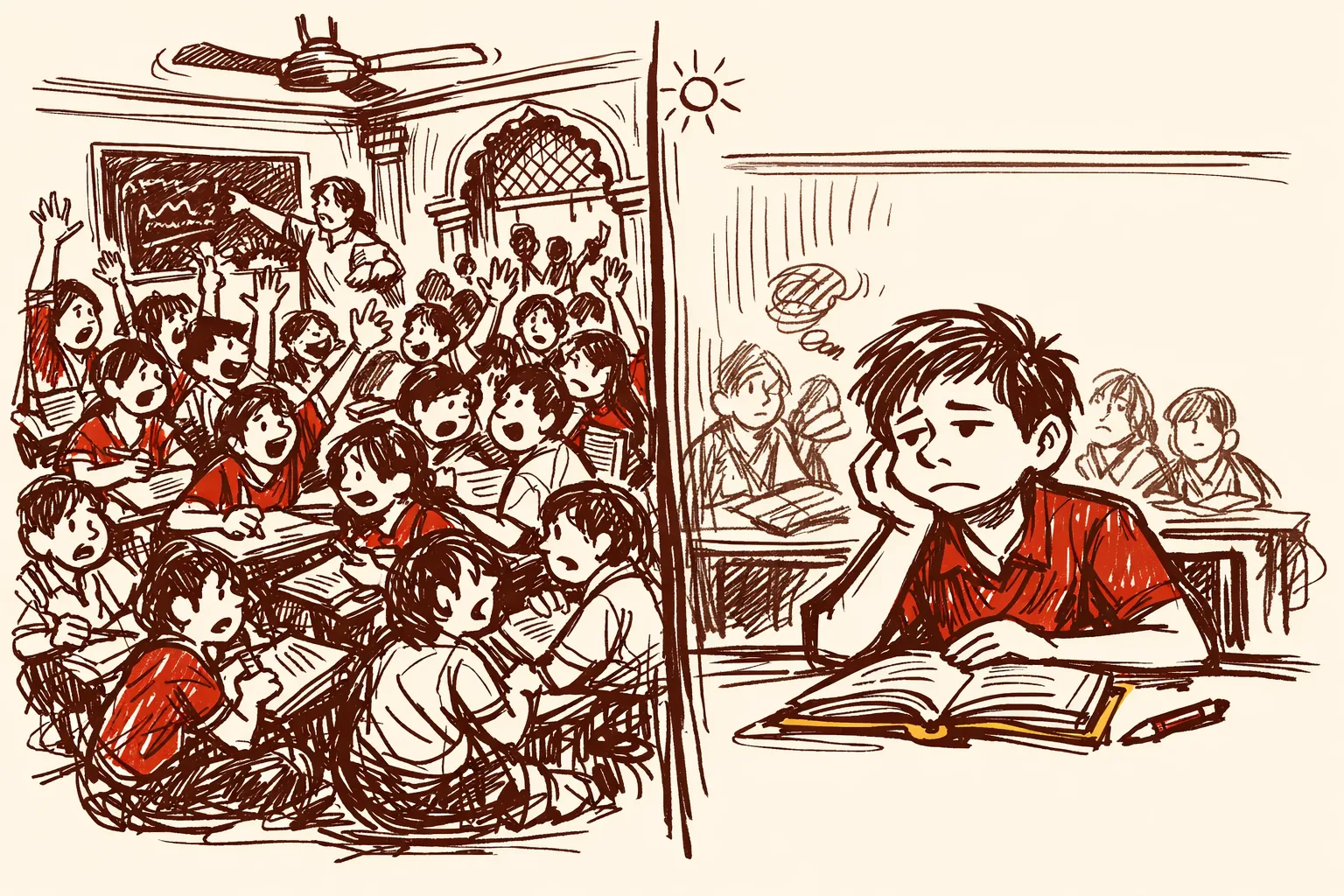
கிராமப்புற India-வில் உள்ள ஒரு அரசு தொடக்கப் பள்ளிக்குள் நடந்து போங்கள். வகுப்பறை கட்டப்பட்டிருக்கிறது. ஆசிரியர் சம்பள பட்டியலில் இருக்கிறார். குழந்தைக்கு ஒரு இருக்கை இருக்கிறது. இப்போது அந்தக் குழந்தையிடம் ஒரு சாதாரண வாக்கியம் படிக்கச் சொல்லுங்கள். பெரும்பாலும், அவர்களால் முடியாது.
இது சின்னஞ்சிறு பிரச்சனை இல்லை. India-வின் கிராமங்கள் மற்றும் நகரங்களில் உள்ள நூறு கோடிக்கும் அதிகமான குழந்தைகளை இது பாதிக்கிறது. நாட்டால் இழக்க முடியாத பணத்தை இது விரயமாக்குகிறது.
கற்றல் நெருக்கடி எவ்வளவு மோசமாக இருக்கிறது
Annual Status of Education Report (ASER) என்பது India-வில் கற்றலை அளவிடுவதற்கான மிகவும் நம்பகமான அளவுகோல். இதை Pratham என்ற தொண்டு நிறுவனம் நடத்துகிறது, மேலும் இது குழந்தைகளின் வீடுகளில் நேரடியாக கணக்கெடுக்கிறது. சமீபத்திய கணக்கெடுப்பு 605 கிராமப்புற மாவட்டங்களில் 649,491 குழந்தைகளை உள்ளடக்கியது.
3-ம் வகுப்பில் படிக்கும் நான்கு குழந்தைகளில் மூன்று பேரால் 2-ம் வகுப்பு பாடப்புத்தகத்தை படிக்க முடியவில்லை. ASER-படி, 3-ம் வகுப்பு மாணவர்களில் 66 சதவீதம் பேரால் சாதாரண கழித்தல் கூட செய்ய முடியவில்லை. 5-ம் வகுப்பில், 70 சதவீதம் பேர் இன்னும் அடிப்படை கணக்கு செய்ய முடியவில்லை.
இப்போது இந்தக் குழந்தைகள் வளர்ந்து என்ன ஆகிறார்கள் என்று பாருங்கள். 14 முதல் 18 வயதுடையவர்களை பற்றிய ASER-இன் கணக்கெடுப்பில், அந்த வயதில் உள்ள நான்கு இளைஞர்களில் ஒருவரால் தங்கள் சொந்த மொழியில் 2-ம் வகுப்பு பாடப்புத்தகத்தை படிக்க முடியவில்லை என்று தெரிய வந்தது. பாதிக்கும் மேற்பட்டவர்களால் ஒரு சாதாரண வகுத்தல் கணக்கு கூட தீர்க்க முடியவில்லை.
இது வெறும் பள்ளி பிரச்சனை இல்லை. இது தொழிலாளர் பிரச்சனை. உற்பத்தித்திறன் பிரச்சனை. GDP பிரச்சனை.
Invest India மேற்கோள் காட்டிய National Bureau of Economic Research ஆய்வின்படி, தற்போது South Asia-வின் பள்ளிகளில் சேர்ந்துள்ள குழந்தைகள் அடிப்படைக் கல்வி திறன்களைப் பெற்றால், இப்பகுதி $97.8 billion பொருளாதார ஆதாயங்களைக் காணலாம். இது GDP-யில் 81 சதவீத அதிகரிப்பாக இருக்கும். பிராந்தியத்தில் உள்ள அனைத்து குழந்தைகளும் அந்தத் திறன்களைப் பெற்றால், ஆதாயங்கள் $259 billion வரை உயரும். உணரப்படாத இந்த ஆதாயத்தில் India-வின் பங்கு மிகவும் பெரியது.
பிரச்சனையின் அளவு
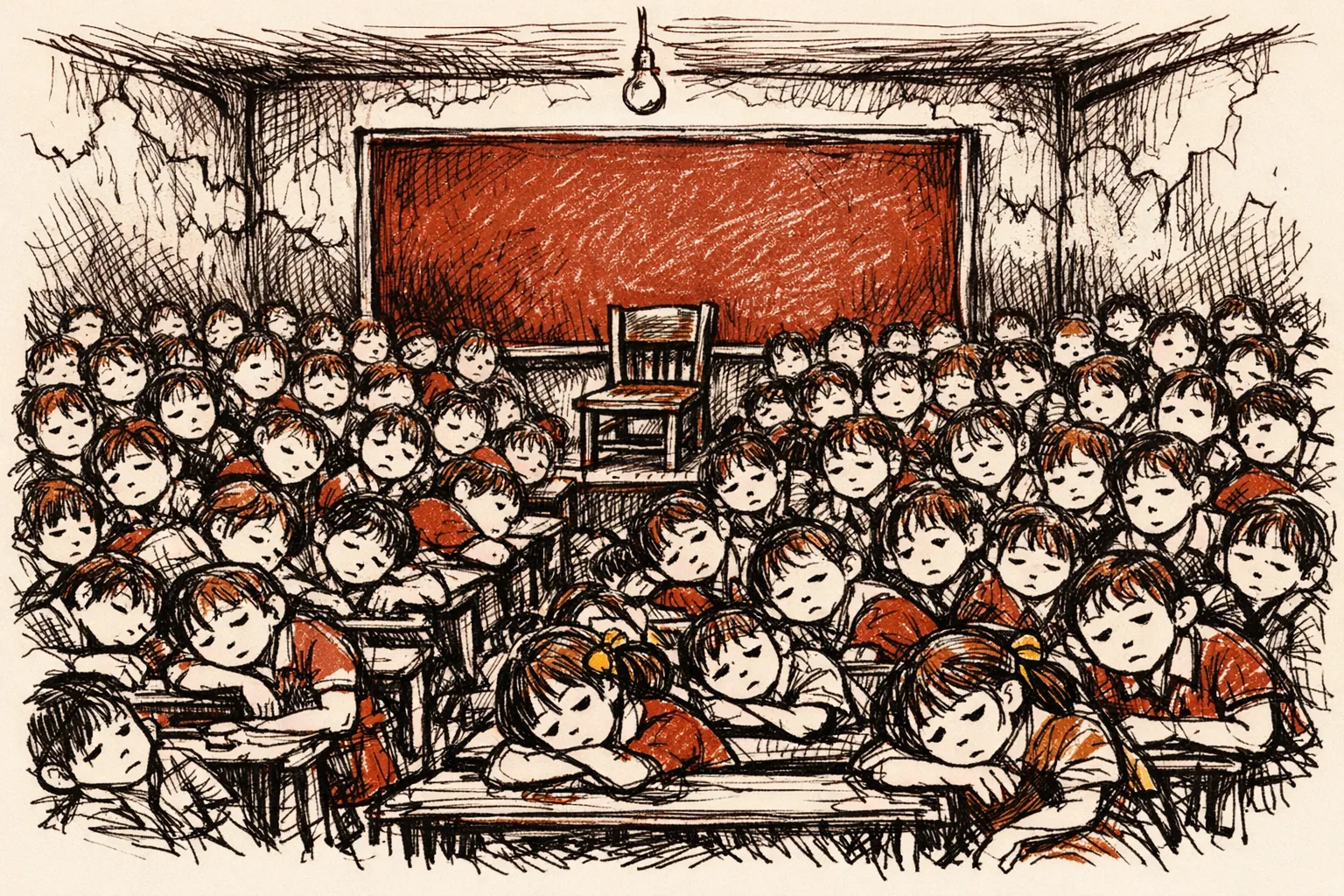
India-வில் தோராயமாக 25 கோடி பள்ளி வயது குழந்தைகள் இருக்கிறார்கள். Policy Circle மேற்கோள் காட்டிய அரசு தரவுகளின்படி, சேர்க்கை விகிதம் ஏறக்குறைய 98 சதவீதம் என்று உலகளாவிய அளவில் இருக்கிறது. ஆனால் சேர்க்கை என்பது கற்றல் இல்லை. World Bank-இன் India-விற்கான Learning Poverty Brief-படி, 10 வயதில் எளிமையான ஒரு பத்தியைப் படித்துப் புரிந்துகொள்ள முடியாத குழந்தைகளின் எண்ணிக்கை 56 சதவீதம்.
ஆசிரியர்கள் வராமல் போவது நிலைமையை இன்னும் மோசமாக்குகிறது. 20 மாநிலங்களிலுள்ள 3,700 பள்ளிகளில் World Bank நடத்திய ஆய்வில், அரசு தொடக்கப் பள்ளிகளில் எந்த ஒரு நாளிலும் 25 சதவீத ஆசிரியர்கள் வந்திருக்க மாட்டார்கள் என்று தெரியவந்தது. வந்தவர்களிலேயே, பாதி பேர் மட்டுமே உண்மையிலேயே பாடம் எடுத்துக்கொண்டிருந்தார்கள்.
பொருளாதார நிபுணர் Karthik Muralidharan மற்றும் அவரது சகாக்களின் கணக்குப்படி, ஆசிரியர்கள் வராமல் போவதால் India-வின் கல்வி அமைப்புக்கு வருடத்திற்கு சுமார் $1.5 billion இழப்பு ஏற்படுகிறது. அதாவது $1.5 billion, வகுப்பறையிலேயே இல்லாத ஆசிரியர்களுக்காக செலவழிக்கப்படுகிறது.
ஏன் இப்படி இருக்கிறது
India-வின் அரசு பள்ளிகள் முடிவுகளை வைத்து அல்ல, வசதிகளை வைத்தே அளவிடப்படுகின்றன. ஒரு பள்ளிக்கு கட்டிடம் இருக்கிறதா, கழிப்பறை இருக்கிறதா, ஆசிரியர்கள் சம்பள பட்டியலில் இருக்கிறார்களா என்று பார்க்கப்படுகிறது. வருடம் முடியும்போது குழந்தைகளால் படிக்க முடியவில்லை என்றால், யாரும் பதவி இழக்க மாட்டார்கள்.
MIT-யில் உள்ள J-PAL ஆராய்ச்சி மையம் இதை நேரடியாகவே படித்தது. 3,000 அரசு பள்ளிகளில் நடத்திய கணக்கெடுப்பில், தவறான வருகையை காரணமாக வைத்து ஒரு ஆசிரியரை நீக்கியதாக ஒரே ஒரு தலைமை ஆசிரியர் மட்டுமே சொன்னார். ஒரே ஒருவர். மூவாயிரம் பள்ளிகளில்.
British Journal of Political Science-இல் வெளியான ஆராய்ச்சி ஒன்று, அரசு பள்ளி ஆசிரியர்களின் வருகை தேர்தல் சுழற்சியையே பின்பற்றுகிறது என்று கண்டுபிடித்தது. தேர்தல் நெருங்கும்போது ஆசிரியர்கள் அதிகமாக வருகிறார்கள், ஏனென்றால் அரசியல்வாதிகள் அழுத்தம் கொடுக்கிறார்கள். தேர்தல் முடிந்ததும் வருகை குறைந்துவிடுகிறது.
கற்பிக்கும் முறையிலும் பிரச்சனை இருக்கிறது. பெரும்பாலான அரசு வகுப்பறைகளில், ஒரே ஒரு ஆசிரியர் அதே வகுப்பிலுள்ள எல்லா குழந்தைகளுக்கும் பாடம் எடுக்கிறார், அவர்களின் உண்மையான திறன் அளவுகள் எவ்வளவுதான் வேறுபட்டிருந்தாலும் சரி. ASER Centre-இன் இயக்குனர் Wilima Wadhwa குறிப்பிட்டிருக்கிறார், ஆசிரியர்கள் பாடத்திட்டத்தை முடிக்கவே கற்பிக்கிறார்கள், வகுப்பின் முன்னணி மாணவர்களை மட்டுமே கவனிக்கிறார்கள், மற்றவர்களை பின்னால் விட்டுவிடுகிறார்கள்.
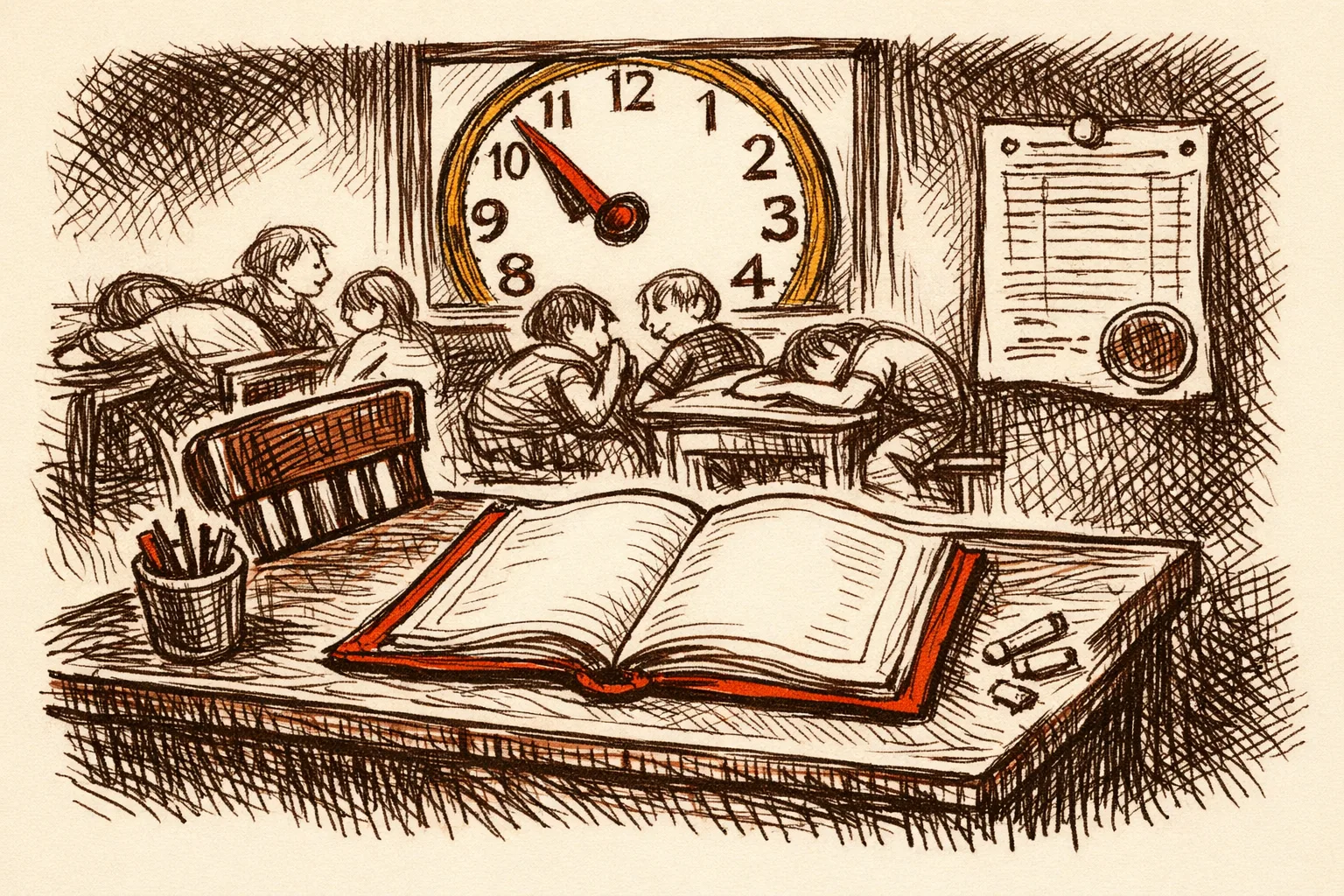
விளைவு என்னவென்றால், இந்த இடைவெளி ஆண்டுதோறும் பெரிதாகிறது. 2ஆம் வகுப்பில் படிக்க முடியாத குழந்தையால் 3ஆம் வகுப்பையோ, 4ஆம் வகுப்பையோ பின்பற்ற முடியாது. 8ஆம் வகுப்பு வரும்போது, எட்டு வருடம் பள்ளிக்கு வந்தோம் என்று சொல்லும் சான்றிதழ் கையில் இருக்கும். கற்றோம் என்று அந்த சான்றிதழ் சொல்வதில்லை.
இதுவரை என்னென்ன முயற்சிகள் நடந்தன
India இந்த பிரச்சனையை கண்டுகொள்ளாமல் விடவில்லை. பெரிய சட்டங்கள் போட்டது, தேசிய திட்டங்கள் தொடங்கியது. ஆனா முடிவுகள் பாதியளவே நடந்தது.
2009-ல் நிறைவேற்றப்பட்ட Right to Education Act, 6 முதல் 14 வயது வரையிலான அனைத்து குழந்தைகளுக்கும் இலவச மற்றும் கட்டாயக் கல்வியை சட்டப்பூர்வ உரிமையாக்கியது. பள்ளி கட்டமைப்பு தரங்களை கட்டாயமாக்கியது, தனியார் பள்ளிகளில் ஏழை குடும்பத்து குழந்தைகளுக்கு 25 சதவீதம் இடங்கள் ஒதுக்கணும்னு கட்டளையிட்டது. 2009 முதல் 2016 வரை மேல் தொடக்கக் கல்வி சேர்க்கை 19.4 சதவீதம் உயர்ந்தது.
ஆனா கத்துக்கிட்டாங்களா அது சரியாகலை. UCLA-ல் உள்ள ஆராய்ச்சியாளர்கள் நடத்திய ஒரு ஆய்வு, National Bureau of Economic Research வெளியிட்டது, இந்த சட்டம் நிறைவேற்றப்பட்டு இரண்டு வருஷத்துல இருந்தே India-வில் தேர்வு மதிப்பெண்கள் கஷ்டமா குறைஞ்சதா கண்டுபிடிச்சது. முக்கியமான காரணம்: Class 8 வரை எந்த குழந்தையையும் தேர்வு பார்க்காம ஒரே வகுப்பில் தங்க வைக்க கூடாதுன்னு சட்டம் தடை போட்டது, படிப்பு எவ்வளவு மோசமா இருந்தாலும். படிக்கவே தெரியாத குழந்தைகளையும் மேல் வகுப்புக்கு அனுப்பிட்டாங்க. ஆசிரியர்களுக்கு கிட்ட இருந்த ஒரே கருவி போச்சு, படிக்காட்டி அழுத்தம் கொடுக்கிற அந்த கருவி.
2016 வாக்கில், Class 3-ல் படிக்கும் 58 சதவீதம் குழந்தைகளால் Class 1 பாடப்புத்தகத்தை கூட படிக்க முடியலை. 2019-ல் ஒரு திருத்தம் வந்து, Class 5 மற்றும் Class 8-ல் தேர்வு வைக்க மாநிலங்களுக்கு அனுமதி கொடுத்தது, கொஞ்சமாவது சரிப்படுத்தியது. ஆனா ஒரு தசாப்தகாலம் தானா promotion கொடுத்து ஏற்கனவே சேதம் ஆகிடுச்சு. அந்த சட்டம் கட்டடங்களையும் ஆசிரியர்களையும் கணக்கு போட்டது. குழந்தைகள் கத்துக்கிட்டாங்களா அதை கணக்கே போடலை.
2020-ல் வந்த National Education Policy தான் India-வோட மிகவும் புதுசான மற்றும் மிகவும் லட்சியமான சீர்திருத்த முயற்சி. GDP-ல் 6 சதவீதம் கல்விக்கு செலவிடணும்னு சொல்கிறது, அனைவருக்கும் அடிப்படை எழுத்தறிவு மற்றும் கணக்கு திறன் என்ற இலக்கை வைக்கிறது, Class 1 முதல் 3 வரை படிப்பு மற்றும் கணக்கில் குறிப்பா கவனம் செலுத்த தொடங்கப்பட்ட NIPUN Bharat திட்டத்தை ஆதரிக்கிறது.
ASER-ரோட மிகவும் சமீபத்திய கணக்கெடுப்பு தரவு இரண்டு தசாப்தங்களில் முதல் முறையா மேம்பாட்டின் உண்மையான அறிகுறிகளை காட்டுகிறது. அரசு பள்ளிகளில் Class 3 மாணவர்களில் Class 2 பாடப்புத்தகம் படிக்க முடிஞ்சவங்க சதவீதம் இரண்டு வருஷத்துல 16.3 சதவீதத்தில் இருந்து 23.4 சதவீதமா உயர்ந்தது. ASER-ரோட Wilima Wadhwa இதை தொற்றுநோய்க்கு பிந்தைய மீட்சி மட்டும் இல்லன்னு சொன்னாங்க, அடிப்படைக் கல்வியில் கவனம் செலுத்தியதால் வந்ததுன்னு பாராட்டினாங்க.
இது உண்மையான முன்னேற்றம். ஆனா பணம் இன்னும் கொள்கையை பின்தொடரலை. Economic Survey படி India-வோட மொத்த கல்விச் செலவு GDP-ல் 2.9 சதவீதம். மத்திய அரசு மட்டும் பார்த்தா GDP-ல் வெறும் 0.38 சதவீதம் மட்டும் கல்விக்கு செலவிட்டது. National Education Policy 6 சதவீதம் கேட்டது. Kothari Commission 1968-லயே 6 சதவீதம் பரிந்துரைச்சது. India இதுவரை அந்த அளவை எட்டியதே இல்லை.
மற்ற நாடுகள் இதை எப்படி சரிசெய்தன
South Korea - கல்வியை பொருளாதார உத்தியாக பயன்படுத்துதல்
1960-ல், South Korea உலகிலேயே மிகவும் ஏழ்மையான நாடுகளில் ஒன்னு. அப்போ தலாவருமதம் வருஷத்துக்கு சுமார் $100 மட்டுமே இருந்துச்சு. இன்னிக்கு அது உலகின் top-fifteen பொருளாதார நாடுகளில் ஒன்னா இருக்கு, கிட்டதட்ட எல்லாரும் படிக்கறாங்க, மாணவங்க சர்வதேச கணிதம் மற்றும் அறிவியல் தேர்வுல தொடர்ந்து முதல் இடம் பிடிக்கிறாங்க.
Asia Society சொல்றது என்னன்னா, South Korea அரசு 1960-களிலிருந்தே கல்வியை தேசிய பொருளாதார உத்தியா நடத்திட்டு வந்துச்சு. Ministry of Education-ஓட பட்ஜெட் $29 billion வரைக்கும் வளர்ந்துச்சு, அது மொத்த மத்திய அரசு செலவுல சுமார் 20 சதவீதம். 1945-ல் 22 சதவீதமா இருந்த கல்வியறிவு 1980-களின் பிற்பகுதியில் 93 சதவீதத்துக்கும் மேல போச்சு. பாடத்திட்ட சீர்திருத்தம் பொருளாதார திட்டமிடலோட சேர்த்து நடந்துச்சு. தொழிலாளர்களுக்கு என்ன தெரியணும்னு Korea நினைச்சதை, அதையே அவங்க கத்துக்கொடுத்தாங்க.
Vietnam - குறைஞ்ச வருமானம் சாக்கு சொல்ல முடியாது ன்னு நிரூபிச்சாங்க
Vietnam-ஓட தலாவருமதம் 2016-ல் சுமார் $2,170 மட்டுமே இருந்துச்சு. அங்க ஊழல் இருக்கு. தொலைதூர கிராமப்புறங்கள் இருக்கு. பள்ளிக்கு அணுகுமுறை குறைவா இருக்கற இன சிறுபான்மையினர் இருக்காங்க. எந்த வகையிலும் பாத்தாலும், அவங்க சவால்கள் India-வோட சவால்களோட ஒரே மாதிரி தெரியும்.
ஆனாலும் Vietnam 2012-ல் PISA தேர்வு எழுதும்போது, United States, United Kingdom, Australia, மற்றும் Sweden-ஐ விட முன்னே நின்னுச்சு.
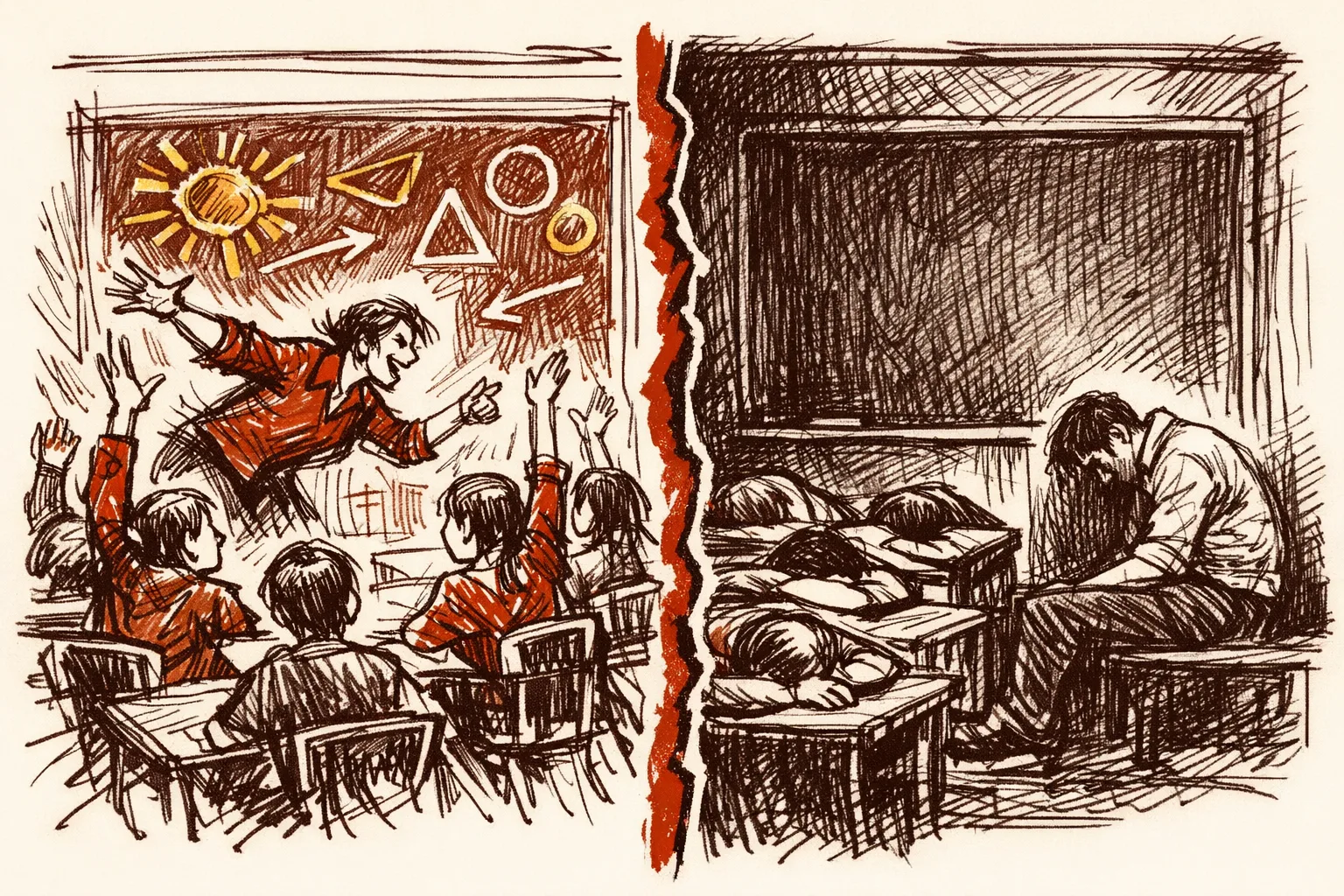
Vietnam-ல் ஆசிரியங்க வராம இருக்கிறதே கிட்டதட்ட தெரியாத விஷயம். Vietnamese ஆசிரியங்க வருவாங்க. படிப்பிப்பாங்க. அரசு தன்னோட பட்ஜெட்டுல 20 சதவீதத்தை கல்விக்காக ஒதுக்குது, எல்லா பள்ளிகளிலயும் குறைந்தபட்ச தர தரநிலைகளை கட்டாயமாக்குச்சு. World Bank பகுப்பாய்வு சொல்றது என்னன்னா, ஆசிரியர் தரம் - குறிப்பா ஆசிரியங்க யோசனைகளை தெளிவா விளக்கி மாணவங்களோட கேள்விகளுக்கு பதில் சொல்றாங்களா ன்னு - அதுதான் Vietnam-ஓட முடிவுகளில் மிக முக்கியமான காரணம்னு தெரியவந்துச்சு.
யாரு பொறுப்பு
Ministry of Education தான் National Education Policy மற்றும் NIPUN Bharat mission-ஐ கட்டுப்படுத்துது. India-ல் பள்ளிக் கல்விக்கு நிதி வழங்கும் முக்கிய திட்டமான Samagra Shiksha program-ஐ அது கண்காணிக்குது. NewsClick மற்றும் Ministry of Education-ஓட பட்ஜெட் பகுப்பாய்வுப்படி, ஒரு பட்ஜெட் சுழற்சியில் Samagra Shiksha-க்கு வெறும் Rs 146 crore மட்டுமே அதிகரிச்சாங்க, அதே நேரத்துல முந்தைய வருஷத்தோட திருத்தப்பட்ட மதிப்பீடு கிட்டதட்ட Rs 4,450 crore கொண்டு குறைக்கப்பட்டுச்சு. இதை பார்த்தா, இந்த system-ஐ யாரும் முன்னுரிமையா நடத்தல ன்னு தெரியுது.
Reserve Bank of India-ஓட State Finances Report படி, மாநில அரசுங்க மொத்த கல்வி செலவுல சுமார் 85 சதவீதத்தை கட்டுப்படுத்துது. ஆசிரியர் நியமனம், சம்பளம், இடமாற்றம், மற்றும் வருகை கண்காணிப்பு எல்லாமே மாநில கல்வித் துறைகளால் நிர்வகிக்கப்படுது. ஒரு ஆசிரியர் மாசக்கணக்கா வராம இருந்தும் ஒண்ணும் நடக்கலன்னா, அதுக்கு மாநில கல்வித் துறைதான் பொறுப்பு.
இதுக்கு எவ்வளோ செலவாகும்
National Education Policy-ல் சொன்ன GDP-யின் 6 சதவீதம் என்ற இலக்கை எட்ட வேண்டும் என்றால், இப்போது செய்யும் முதலீட்டை ஏறக்குறைய இரட்டிப்பாக்கணும். India-வின் இப்போதைய GDP சுமார் $3.7 trillion, அதாவது ஆண்டுக்கு $100 billion-க்கும் அதிகமான முதலீடு இன்னும் வரவே இல்லை.
World Bank-இன் Education Finance Watch சொன்னது என்னன்னா, குறைந்த மற்றும் நடுத்தர வருமான நாட்டுல உள்ள ஒரு சராசரி குழந்தை, கல்வி இழப்பால் வாழ்நாள் முழுக்க சம்பாதிக்கக்கூடியதில் சுமார் 10 சதவீதத்தை இழக்கிறான். India-வில் பல கோடி பள்ளிப்பருவ குழந்தைகளை வச்சு கணக்கு போட்டா, இது trillions of dollars அளவுல உற்பத்தி இழப்பா மாறுது.
J-PAL research lab காட்டியது என்னன்னா, எளிய கேமராவால் teacher வருகையை கண்காணிச்சா, வராத நாட்கள் குறைஞ்சது, மாணவர்களோட தேர்வு மதிப்பெண்ணும் உயர்ந்துச்சு. இந்த திட்டத்துக்கு ஒரு teacher-க்கு வருஷத்துக்கு சுமார் $120 ஆகுது. Teacher வந்த ஒவ்வொரு கூடுதல் நாளுக்கும் ஆன செலவு $2.20. கண்காணிக்கப்பட்ட பள்ளிகளில் படிக்கும் மாணவர்கள், வழக்கமான அரசு பள்ளிகளுக்கு போக 62 சதவீதம் அதிக வாய்ப்பு இருந்துச்சு.
Muralidharan மற்றும் அவரோட colleagues காட்டினது என்னன்னா, பள்ளி ஆய்வுகளை அடிக்கடி நடத்துவது, புதுசா teacher எடுப்பதை விட கல்வியை மேம்படுத்துவதில் பத்து மடங்குக்கும் அதிகமா செலவு குறைஞ்சதா இருக்கு. India-வோ teacher-ஐ போட்டுகிட்டே போகுது, ஆய்வுகளை குறைச்சுகிட்டே போகுது. இது ஆதாரங்கள் சொல்றதுக்கு நேர் எதிரானது.
என்ன நடக்கணும்
முதல்ல: teacher சம்பளத்தை உறுதிப்படுத்தப்பட்ட வருகை மற்றும் மாணவர்களோட கல்வி முன்னேற்றத்தோட கட்டி போடணும். J-PAL கேமரா experiment காட்டியது என்னன்னா, வருகையை உறுதிப்படுத்தி சம்பளம் கொடுக்கும்போது நடத்தை வேகமா மாறுது. மாநில கல்வித்துறைகள் உறுதிப்படுத்தப்பட்ட வருகையை கட்டாயமாக்கணும், சம்பள உயர்வையும் வகுப்பு அளவில் அளவிடக்கூடிய கல்வி முடிவுகளோட கட்டி போடணும்.
இரண்டாவது: 1 முதல் 3 வகுப்பு வரைக்கும் அடிப்படை வாசிப்பு மற்றும் கணக்கு மட்டுமே முன்னுரிமையா இருக்கணும். ஒவ்வொரு மாநிலமும் ஆண்டுதோறும் ASER போன்ற கல்வி தரவுகளை வெளியிடணும் என்று கட்டாயமாக்கணும் - சேர்க்கை எண்ணிக்கை வேண்டாம், ஒரே ஒரு கேள்விக்கு எளிய பதில் போதும்: இந்த குழந்தையால வாசிக்க முடியுமா?
மூன்றாவது: GDP-யில் 6 சதவீதம் என்ற இலக்குக்கும், இப்போதைய செலவுக்கும் உள்ள இடைவெளியை மூடணும். Reserve Bank of India தரவுகளை வச்சு Policy Circle நடத்திய ஆய்வு காட்டுவது என்னன்னா, Kerala, Himachal Pradesh, Odisha மாதிரி மாநிலங்கள், தங்கள் பட்ஜெட்டில் 15 சதவீதத்துக்கும் அதிகமா கல்விக்கு செலவு செய்யுது, அங்க கல்வி தரம் நல்லா இருக்கு. India-வில் மத்திய மற்றும் மாநில அளவில் சட்டபூர்வமான குறைந்தபட்ச கல்வி செலவு வரம்பு வேணும்.