क्षेत्र से नज़रिया
ज़रा सोचिए। Middle East में जंग की आग भड़की हुई है। दुनिया का तीसरा सबसे बड़ा तेल आयातक - यानी India - के करीब एक करोड़ नागरिक Gulf में रहते हैं। Strait of Hormuz, वो तंग रास्ता जिससे India की ऊर्जा का बड़ा हिस्सा गुज़रता है, खतरे में है। India के पास अर्थव्यवस्था भी है, रिश्ते भी हैं, और सभ्यतागत जुड़ाव भी - जो इसे इस वक्त हो रही हर कूटनीतिक बातचीत के केंद्र में रख सकते हैं।
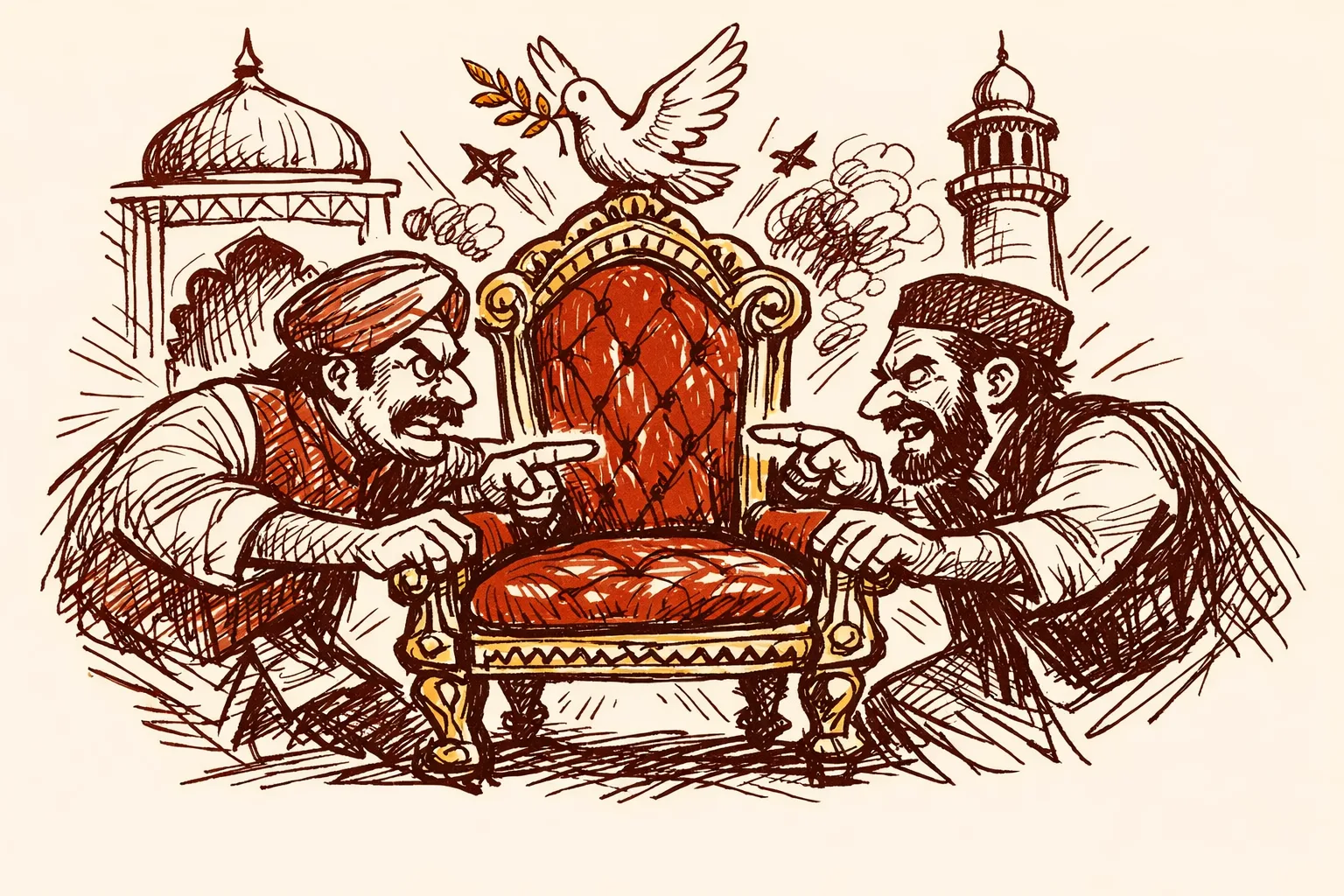
Pakistan इस वक्त Tehran तक America के प्रस्ताव पहुँचा रहा है। Pakistan शांति वार्ता की मेज़बानी की पेशकश कर रहा है। Pakistan के सेना प्रमुख को खुद America के राष्ट्रपति Washington का "पसंदीदा Field Marshal" बुला रहे हैं।
यह वो पल है जब India को सक्रिय होना चाहिए - न कि यह देखने का वक्त है कि India कहाँ नज़र नहीं आ रहा।
यह Western मीडिया की कोई चाल नहीं है जो India पर किसी का पक्ष लेने का दबाव बनाए। India का रणनीतिक स्वायत्तता का सिद्धांत असली है और इसका बचाव होना चाहिए। लेकिन यह सिद्धांत तभी सबसे अच्छा काम करता है जब इसके साथ सक्रिय भागीदारी भी हो। सबूत इतने साफ हैं कि India इस बात का हकदार है कि आगे क्या होगा, इसका ईमानदार हिसाब लगाया जाए।
India जो बचाता है, उसकी असली तादाद
शुरुआत पैसे से करते हैं, क्योंकि दाँव यहीं असली और फौरी हैं।
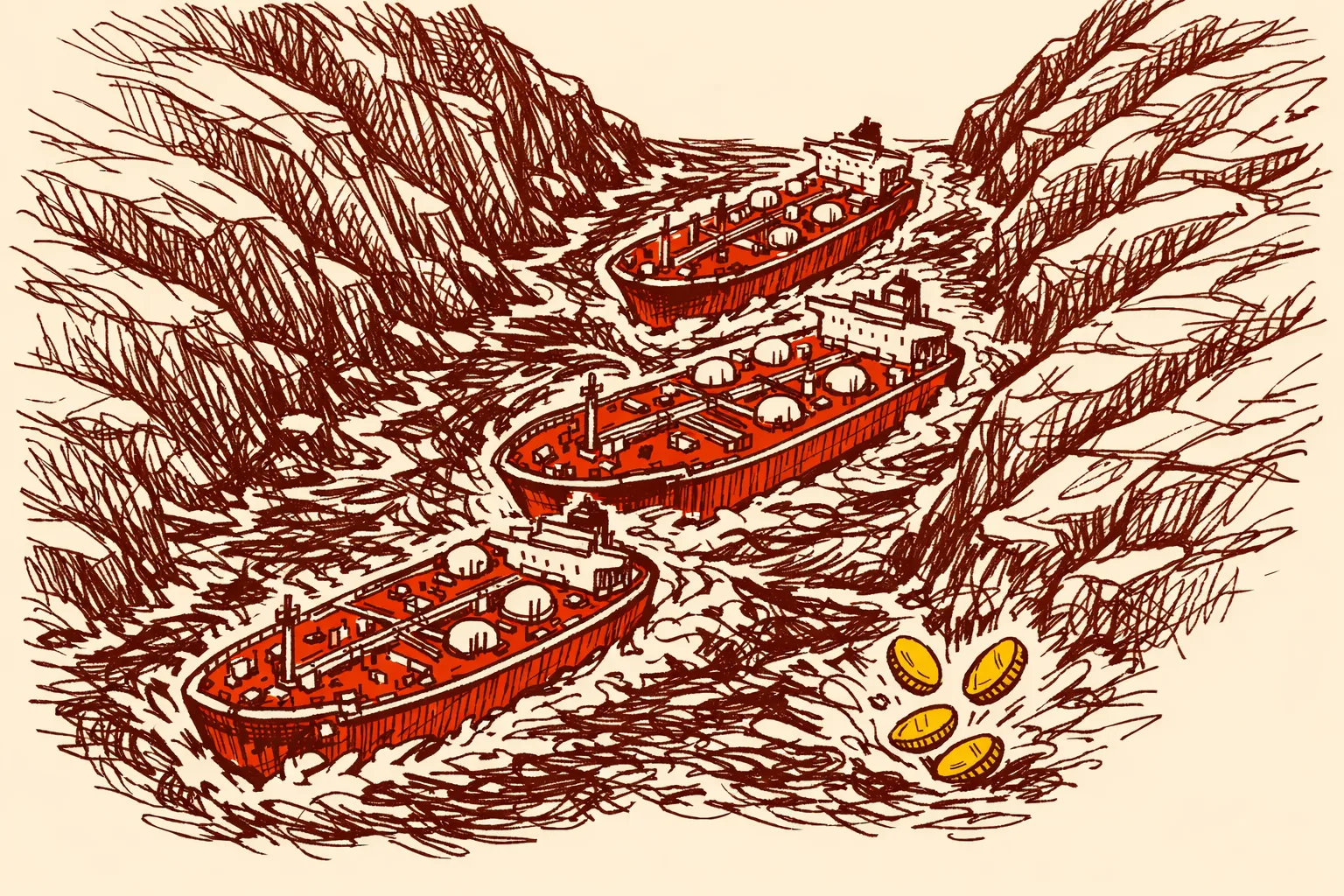
India के Ministry of Petroleum and Natural Gas के मुताबिक, India रोज़ाना करीब 55 लाख बैरल कच्चा तेल इस्तेमाल करता है। मौजूदा जंग से पहले, इन आयातों का करीब 45 प्रतिशत Strait of Hormuz से होकर गुज़रता था। India अपनी ज़रूरत का 85 प्रतिशत से ज़्यादा तेल बाहर से मँगाता है, और उस तेल का करीब 60 प्रतिशत Saudi Arabia, Iraq, UAE और Kuwait जैसे Gulf देशों से आता है।
MUFG Research का अनुमान है कि Hormuz लंबे समय तक बंद रहे तो रुपया 95 प्रति डॉलर के ऊपर जा सकता है। India अपनी LPG ज़रूरत का करीब 60 प्रतिशत भी बाहर से मँगाता है, और उस आयात का 90 प्रतिशत Strait से होकर आता है। March तक, India को घरेलू LPG उत्पादन सिर्फ इस रुकावट की भरपाई के लिए 25 प्रतिशत तक बढ़ाना पड़ा।
America की US Energy Information Administration के मुताबिक, Hormuz से तेल पाने वाले देशों में India पहले से दूसरे नंबर पर है - 14.7 प्रतिशत के साथ। Iran और Oman के बीच का यह पतला समुद्री रास्ता कोई विदेश नीति की अमूर्त बात नहीं है। यह Delhi में रसोई गैस की कीमत है। यह Punjab में किसी ट्रक चालक के डीज़ल का खर्च है। इन्हीं रास्तों की हिफाज़त के लिए India को इस क्षेत्र में कहीं मज़बूत कूटनीतिक मौजूदगी की ज़रूरत है।
Pakistan को यह जगह कैसे मिली - और India के पास बेहतर पत्ते क्यों हैं
Pakistan इस भूमिका में अचानक नहीं आ गया। Centre for Strategic and International Studies के मुताबिक Pakistan की Iran के साथ 565 मील लंबी सीमा है, US के साथ मजबूत सैन्य संबंध हैं, और Saudi Arabia से करीबी रिश्ते हैं। Pakistan के आर्मी चीफ Trump से White House में मिले, और Trump ने अलग से मीडिया को बताया कि Pakistanis "Iran को बहुत अच्छे से जानते हैं, ज़्यादातर लोगों से बेहतर।" Pakistani नेताओं ने एक ही हफ्ते में Trump और Iranian President Pezeshkian दोनों से बात की।
यही है वो तरीका जिससे Pakistan को ये जगह मिली। लेकिन Pakistan की यह भूमिका लेन-देन वाली और कमज़ोर है। Pakistan यह रोल कुछ हद तक Washington के साथ अपनी साख बढ़ाने के लिए निभा रहा है - एक ऐसा रिश्ता जो छोटी-मोटी ज़रूरत पर टिका है, न कि किसी गहरी रणनीतिक नींव पर। Pakistan अभी भी गहरी घरेलू अस्थिरता, Afghanistan के साथ चल रहे संघर्ष, और अपने इतिहास के सबसे गंभीर आर्थिक संकटों में से एक का सामना कर रहा है। जो देश IMF से उधार लेकर अपनी बत्ती जला रहा हो, वो कोई टिकाऊ कूटनीतिक आधार नहीं बन सकता।
India के structural फायदे कहीं ज़्यादा मज़बूत हैं। India किसी के भी गठबंधन में दूसरे दर्जे का हिस्सा नहीं बनना चाहता। जैसा Observer Research Foundation ने लिखा है, India ने "वैश्विक विरोधाभासों से बने मौकों को पहचान कर उनका फायदा उठाकर" रणनीतिक स्वायत्तता अपनाई है। India Russian तेल खरीदता है, US के साथ technology में साझेदारी करता है, Quad में है, और साथ ही BRICS में भी - सब एक साथ। यह लचीलापन कमज़ोरी नहीं है। यह India की सबसे बड़ी कूटनीतिक ताकत है।
अब मौका यह है कि इस लचीलेपन के साथ सक्रिय और दिखने वाली भागीदारी भी जोड़ी जाए। Prime Minister Modi की Israel यात्रा के समय ने कुछ मुश्किल तस्वीर खींची - Modi के Tel Aviv छोड़ने के 48 घंटे से भी कम समय में US और Israel ने Iran पर हमले शुरू कर दिए। CNBC के हवाले से एक पूर्व Indian राजदूत ने कहा कि इस यात्रा ने "India की तटस्थता को पूरी तरह तार-तार कर दिया।" CNBC के मुताबिक India अकेला संस्थापक BRICS सदस्य था जिसने हमलों की निंदा करने के Iran के अनुरोध का कोई जवाब नहीं दिया। Christian Science Monitor ने रिपोर्ट किया कि New Delhi को Iran से सीमित संपर्क करने में कई दिन लग गए।
कूटनीति में समय ही सब कुछ होता है। India की चुप्पी को एक सोची-समझी चुनावी की तरह पढ़ा गया। अब अगला कदम यह है कि इस छवि को बदला जाए - और जल्दी।
Chabahar में इंतज़ार करता आर्थिक इनाम
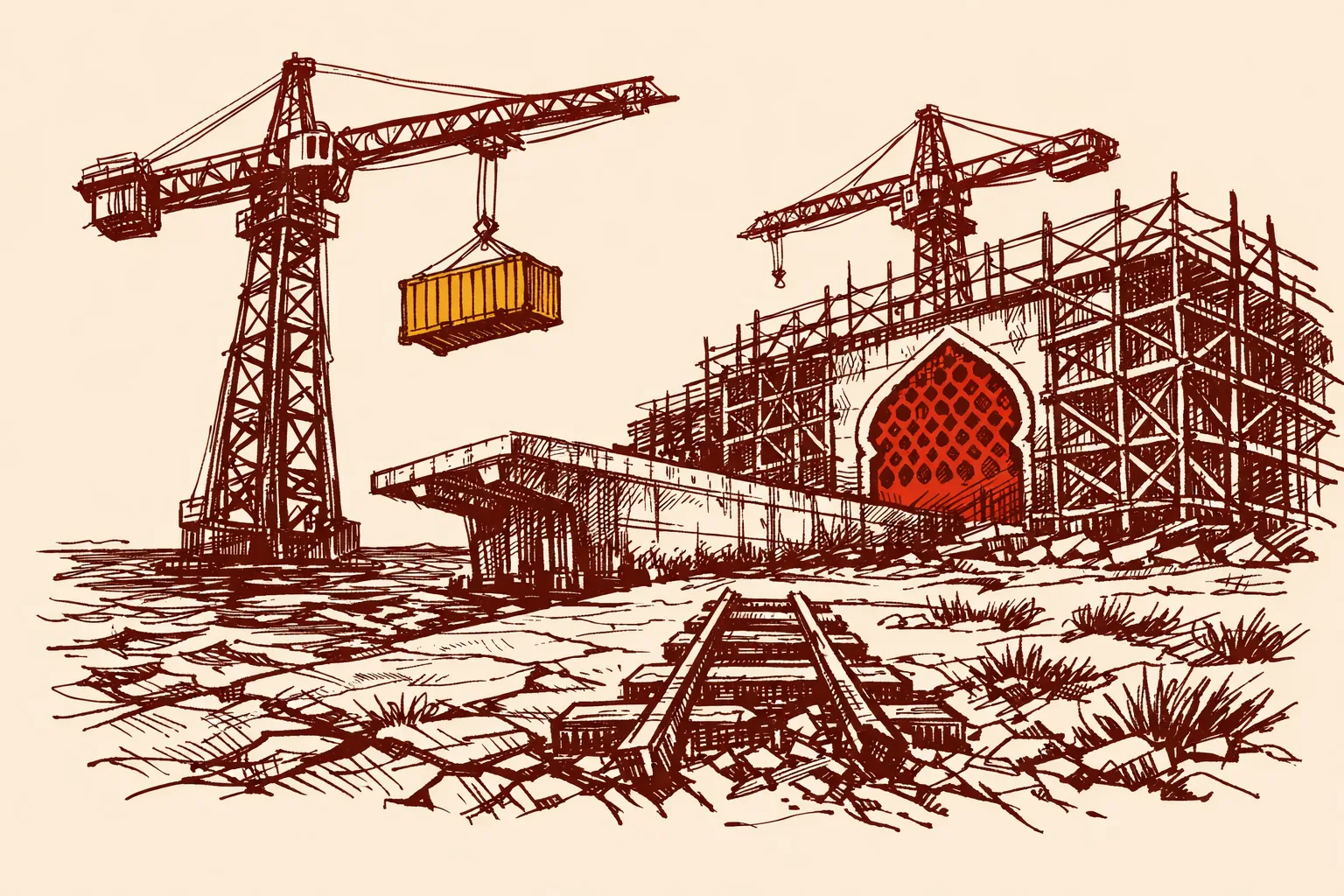
India ने Chabahar Port में भारी निवेश किया है, जो Iran का एकमात्र गहरे समुद्र वाला बंदरगाह है और सीधे Indian Ocean से जुड़ा है। India ने बंदरगाह के लिए Iran के साथ 10 साल का संचालन समझौता किया है और इसके विकास के लिए $250 मिलियन का क्रेडिट देने का वादा किया है। यह बंदरगाह India का Central Asia तक पहुंचने का रास्ता है, जो Pakistan को पूरी तरह बायपास करता है - सरकारी अनुमानों के मुताबिक इससे व्यापार की लागत 30 प्रतिशत और परिवहन का समय 40 प्रतिशत कम होता है।
Observer Research Foundation का अनुमान है कि Chabahar, Central Asia के साथ $200 बिलियन से ज़्यादा के द्विपक्षीय व्यापार की संभावना खोल सकता है। यही असली इनाम है। और इसे हासिल करने के लिए Tehran में भरोसेमंद रिश्ता ज़रूरी है।
Kashmir का पहलू भी है। 1994 में, जब पश्चिमी देश Organisation of Islamic Cooperation में Kashmir पर India के खिलाफ एक प्रस्ताव लाने की कोशिश कर रहे थे, तो Iran के राष्ट्रपति ने उस कदम को रोक दिया था। वो रिश्ता बनाने में दशकों लग गए। India के दुश्मन हमेशा फूट का फायदा उठाने के तरीके ढूंढते रहेंगे। Tehran को एक शांत साझेदार बनाए रखने से Kashmir पर India की सबसे अहम कूटनीतिक ढाल की रक्षा होती है।
अब तक क्या बना है
India ने पहले भी सक्रिय क्षेत्रीय कूटनीति के कई रूप आज़माए हैं - और कुछ तो काफी अच्छे रहे हैं।
India की "Act East" नीति, जो 2014 में Modi सरकार के तहत "Neighbourhood First" के साथ शुरू हुई, उसने असली नतीजे दिए - ASEAN के साथ मज़बूत रिश्ते, Quad का ढांचा, और Indo-Pacific की तरफ एक साफ रणनीतिक झुकाव। ये सच्ची उपलब्धियां थीं जिन्होंने India को एक सक्रिय ताकत के रूप में नई पहचान दिलाई।
Chabahar को लेकर Iran के साथ India की बातचीत 2003 से लगातार चली आ रही है। दीर्घकालिक संचालन समझौता अब तक की India की सबसे गंभीर प्रतिबद्धता है। Modi सरकार ने Chabahar को हमेशा एक रणनीतिक प्राथमिकता के रूप में पेश किया है। लेकिन Chabahar-Zahedan रेलवे अभी भी अधूरा है। Indian फंडिंग में देरी के कारण Iran ने आखिरकार रेल लिंक खुद बनाना शुरू कर दिया। यही पैटर्न - मज़बूत सोच, पर अमल की रफ्तार में सुधार की गुंजाइश - यही वो धागा है जिसे India की क्षेत्रीय कूटनीति में ठीक करने की ज़रूरत है।
दूसरे देशों ने कूटनीतिक मौजूदगी कैसे बनाई
Qatar - छोटा देश, बड़ी टेबल
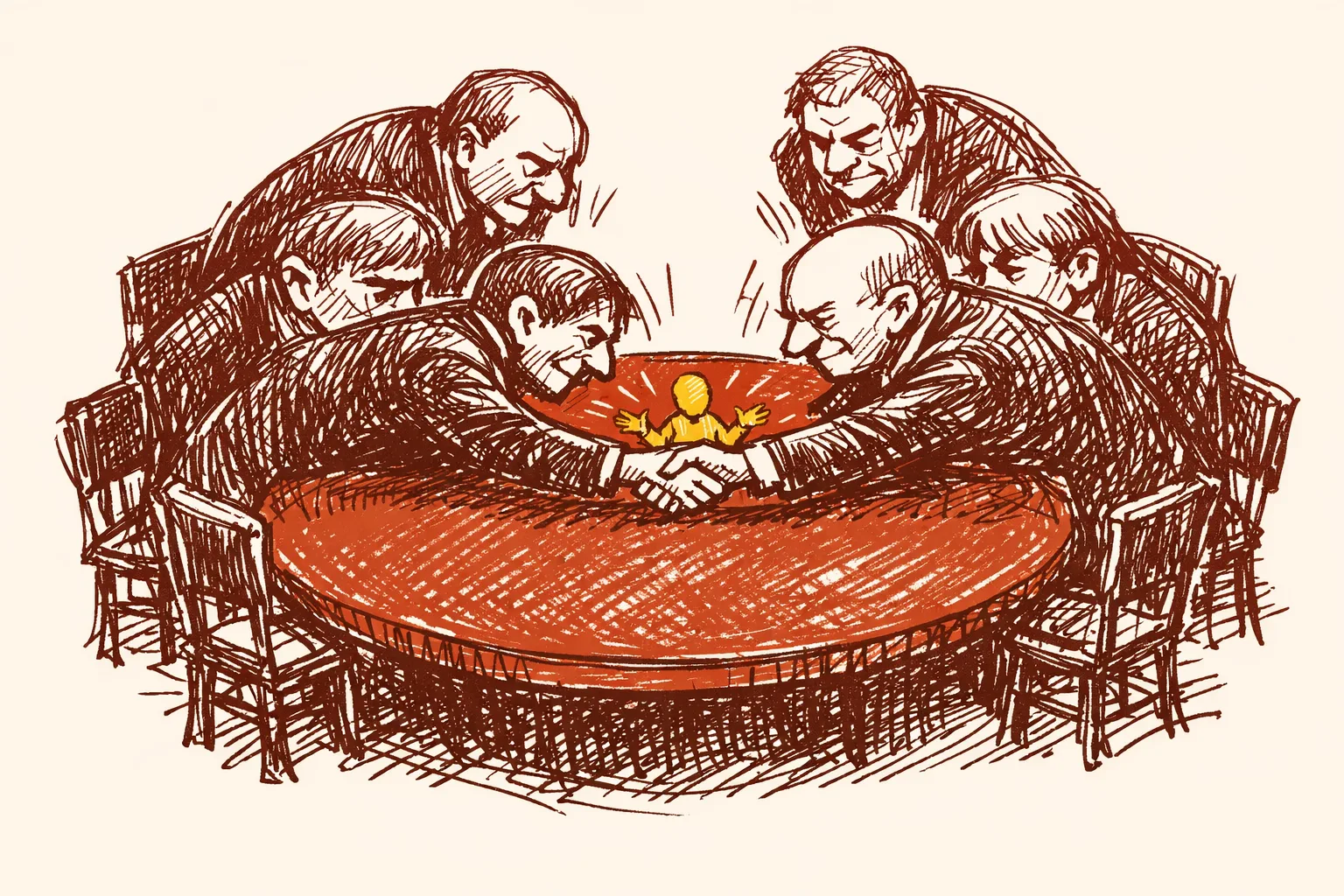
Qatar की आबादी Chennai से भी कम है और कोई खास सैन्य ताकत भी नहीं है। फिर भी पिछले तीन दशकों में इसने Lebanon में शांति कराई, US-Taliban की बातचीत होस्ट की, Israel और Hamas के बीच मध्यस्थता की, और Iran-Israel जंग के शुरुआती दौर में US के सीजफायर प्रस्ताव पर Iran की मंजूरी भी दिलवाई।
Middle East Journal में Mehran Kamrava की रिसर्च के मुताबिक, Qatar ने यह रोल बनाया "मजबूत राजनीतिक कनेक्शन, भारी-भरकम वित्तीय संसाधन, भरोसेमंदी और निष्पक्षता के दम पर।" Qatar ने मध्यस्थता को अपनी विदेश नीति का औपचारिक हिस्सा बनाया - कोई एक बार का दिखावा नहीं, बल्कि एक ऐसी संस्था जिसके पास अपने संसाधन हैं और जो लगातार काम करती है। Washington Institute for Middle East Policy का कहना है कि Qatar का तरीका "आपसी सम्मान और गोपनीयता" पर टिका है।
India के पास वो हर ढांचागत फायदा है जो Qatar के पास है, ऊपर से 140 गुना ज्यादा आबादी और कहीं बड़ी अर्थव्यवस्था भी। India को जिस चीज की जरूरत है वो है कूटनीति को सिर्फ ऐलान नहीं बल्कि नतीजे तक पहुंचाने की संस्थागत प्रतिबद्धता।
Turkey - भूगोल और नीति का मेल
Turkey ने Black Sea Grain Initiative होस्ट की, Ukraine में शांति की कोशिश की, और एक साथ Russia और NATO दोनों से रिश्ते बनाए रखे। Turkey ने स्थायी मध्यस्थता का ढांचा खड़ा किया - विदेश मंत्रालय में अलग यूनिट, दुश्मन देशों के साथ भी संस्थागत रिश्ते, और गोपनीयता की ऐसी साख जिसने दोनों पक्षों को बातचीत की मेज पर बनाए रखा। Ankara ने खुद को सबके काम का बना लिया, जिससे कोई भी उसे नजरअंदाज नहीं कर सकता था।
India यह काम और बेहतर कर सकता है। India के रिश्ते ज्यादा गहरे हैं, अर्थव्यवस्था बड़ी है, और इस इलाके से सभ्यतागत जुड़ाव Turkey की आधुनिक नीति से कहीं पुराना है।
जवाबदेही किसकी है - और क्या देना होगा
India का Ministry of External Affairs देश की विदेश नीति और द्विपक्षीय रिश्तों को संभालता है। Iran का मामला MEA के West Asia and Africa डिवीजन के अंतर्गत आता है। Chabahar बंदरगाह की प्रतिबद्धता MEA और Ministry of Ports, Shipping and Waterways दोनों के दायरे में है।
यहां कमी फंडिंग या इरादे की नहीं है। कमी है तो काम की रफ्तार और सही वक्त पर पहल करने की। यह फैसले ऊपर से होते हैं कि सहयोगियों से कब मिलना है, किसी टकराव पर सार्वजनिक रूप से क्या कहना है, और कब कोई वरिष्ठ दूत भेजना है। इन फैसलों के नतीजे अब साफ दिखने लगे हैं - तेल की कीमतों में, रुपये की विनिमय दर में, और Pakistan के अस्थायी रूप से कूटनीतिक टेबल पर आ जाने में। Chabahar को पूरा करने और Iran से जुड़ाव पर मंत्रियों की साफ जवाबदेही ही अच्छी नीति को असली नतीजों में बदलेगी।
जीत की कीमत क्या है
Chabahar-Zahedan रेलवे को पूरा करने के लिए लगभग $1.6 billion के निवेश की ज़रूरत है। India ने कई बार फंड देने की बात कही है। पैसा कोई रुकावट नहीं है। रुकावट है काम की रफ़्तार।
MEA के अंदर एक स्थायी मध्यस्थता और track-two diplomacy का ढांचा खड़ा करना उससे कहीं कम खर्चीला होगा, जितना India को हर बार तब नुकसान होता है जब Strait of Hormuz में कोई उथल-पुथल मचती है। MUFG Research का अनुमान है कि अगर Hormuz लंबे समय तक बंद हो जाए, तो USD/INR सबसे बुरी स्थिति में 97.50 तक पहुंच सकता है। यह कोई कूटनीतिक कीमत नहीं है। यह एक आर्थिक आपातकाल है, जिसे India मेज़ पर मौजूद रहकर रोकने में मदद कर सकता है।
तीन कदम जो India को अभी उठाने चाहिए
India के Chabahar के ज़रिए Iran से रिश्ते हैं, Quad के ज़रिए US से, और व्यापार और प्रवासी समुदाय के ज़रिए Saudi Arabia और Gulf से। इसके पास 1.4 billion लोग हैं, दुनिया की चौथी सबसे बड़ी अर्थव्यवस्था है, और Iran के साथ एक सभ्यतागत रिश्ता है जो Europe के राष्ट्र-राज्यों से भी पुराना है। संसाधन मौजूद हैं। सोच सही है। अब बारी है अमल की।
पहला: India को Chabahar-Zahedan रेलवे एक तय समय-सीमा में पूरी करनी होगी, जिसमें मंत्री स्तर पर जवाबदेही हो। हर देरी Tehran को यह संदेश देती है कि India के वादों को बार-बार पुख्ता करवाना पड़ता है। एक मुकम्मल रेलवे उल्टा संदेश देगी — कि India अपनी बात पूरी करता है।
दूसरा: India को Iran के साथ एक स्थायी back-channel चाहिए, जो इस बात से बेपरवाह चले कि किसी वक्त US-Israel का रिश्ता कैसा है। Chatham House के विश्लेषक Chietigj Bajpaee ने लिखा है कि India "Russia और US दोनों के साथ, और Iran और Israel दोनों के साथ करीबी रिश्ते रखने के बावजूद, हालिया टकरावों को कम करने में बेहद सीमित भूमिका निभाई है" — और उन्होंने India की तुलना Qatar, Turkey, Brazil और यहां तक कि China से की है। यह कमी India की अपनी पसंद है, और इसे पलटा जा सकता है।
तीसरा: India को यह साफ़ तय करना होगा कि जब कोई टकराव छिड़े, तो "strategic autonomy" का असल मतलब क्या है। तटस्थ रहने का मतलब चुप रहना नहीं होता। चुप्पी को एक तरफ झुकाव की तरह पढ़ा गया। पहले दिन से ही de-escalation की मांग करता एक साफ़ और सिद्धांत-आधारित बयान — बिना किसी पक्ष का समर्थन किए — India को कुछ नहीं खोता और सब कुछ बचा लेता। Strategic autonomy सबसे ज़्यादा ताकतवर तब होती है जब उसे ज़ोर से बोला जाए।