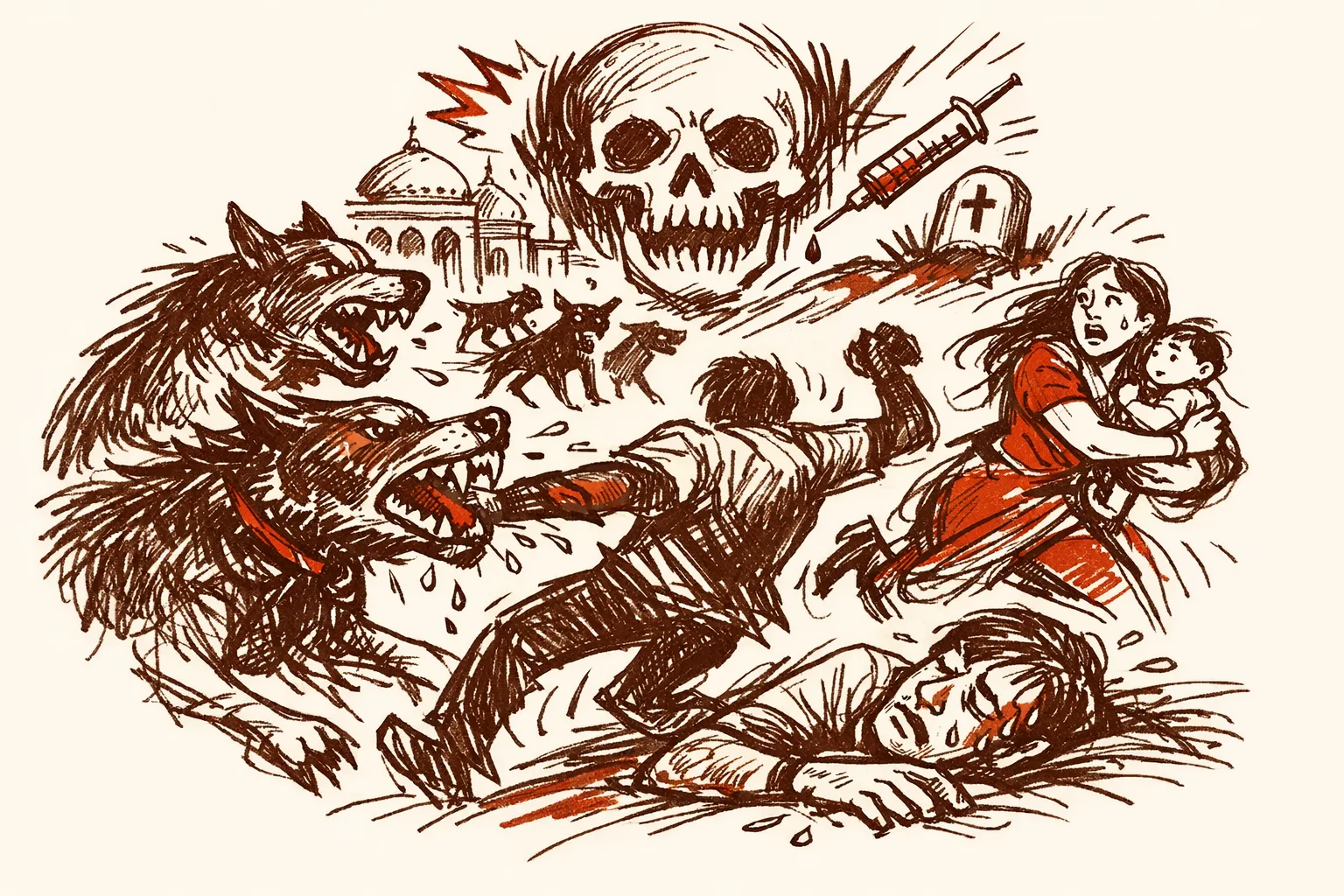
A Problem Hiding in Plain Sight
Walk through any Indian city after dark. Packs of dogs own the footpaths. They sleep outside hospitals, sit near school gates, and fight over garbage at street corners. It feels normal.
It should not feel normal. This is costing India far more than most people reckon with - and India now has the policy framework to fix it.
The State of Pet Homelessness Index reports there are 62 million stray dogs in India. That is the largest stray dog population on Earth. India accounts for 36% of the world's rabies deaths according to the World Health Organization. The disease kills between 18,000 and 20,000 people in India every year. That is 50 people a day dying from a disease that is 100% preventable.
Between 30% and 60% of those rabies deaths are children under the age of 15. Bites on children often go unnoticed and untreated until it is too late.

The Economic Cost India Cannot Keep Paying
India's stray dog crisis drives a $3.5 billion annual economic burden. That figure includes hospital costs, lost wages, and the cost of treating bite victims.
Post-exposure treatment for rabies costs an average of Rs 5,128 per case - money most rural families do not have.
According to data shared by the Government of India in Parliament, there were over 37 lakh dog bite cases in one recent year alone, up from over 30 lakh the year before. These numbers must be reversed.
India's Supreme Court has flagged the impact of stray dog attacks on tourism, particularly in coastal states such as Goa and Kerala. Foreign tourists being chased or bitten on beaches is a direct hit to India's travel industry and its global image.
Why This Inherited Challenge Is So Large
India's stray dog population grew over decades of neglected urban infrastructure, open garbage, and rapid urbanization without matching civic capacity. These are legacy failures of underinvestment in local governance - problems built up over generations of Congress-era neglect of municipal systems.
The result is a self-reinforcing cycle. More garbage means more dogs. More dogs means more bites. Rabies deaths follow, and until recently no one at the centre was measuring any of it properly. The current government has now set a National Action Plan for Dog-Mediated Rabies Elimination with a zero-deaths target. The architecture for the solution is in place.
What India Has Already Put in Place
India does have a program. It is called the Animal Birth Control program. The core idea is simple: catch stray dogs, sterilize them, vaccinate them against rabies, and release them back to where they were found.
The program is governed by rules established under the Prevention of Cruelty to Animals Act of 1960, updated in 2023. The updated rules set a clear target: local government bodies are required to sterilize at least 70% of stray dogs, with central funding covering Rs 800 per dog. The World Health Organization confirms that 70% vaccination coverage can break rabies transmission.
So the policy exists. The funding exists. The science backs it. The remaining challenge is execution.
Three gaps hold the program back. First, no local body consistently reaches the 70% target. Second, money allocated is not always spent on dogs. In Pimpri-Chinchwad, near Pune, Rs 73 lakh was paid during the pandemic for the sterilization of 7,500 dogs. Right to Information requests exposed these as ghost operations. Similar allegations have surfaced in Mumbai and other cities. Third, there is no national measurement system yet. The Government of India has not yet conducted a formal assessment of the Animal Birth Control program's effectiveness. It is a budget line that needs to become a tracked project.
India's Supreme Court has stepped in, ordering local authorities in and around New Delhi to round up stray dogs and take them to designated shelters. That order was later modified: dogs picked up shall be sterilized, dewormed, vaccinated, and released back to the same area. The debate over aggressive and rabid dogs continues in court.
How Other Countries Fixed This - and What India Can Learn
Bhutan Sterilized Every Single Stray Dog
Bhutan had the same problem India has: too many stray dogs, too many bites, and real rabies risk. The difference is what Bhutan did about it.
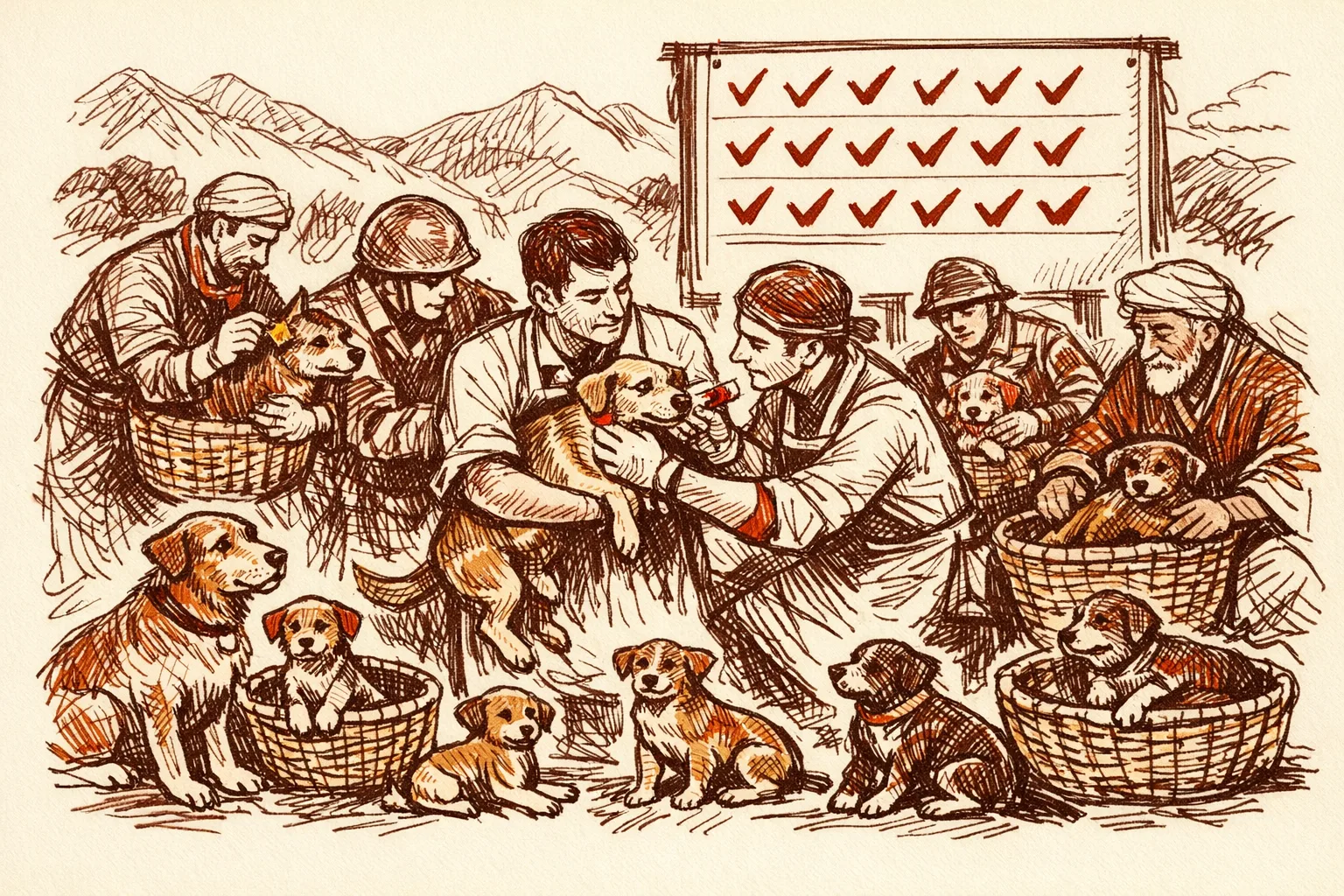
With full government support, Bhutan completed a nationwide sterilization and vaccination program in October, in less than two years, at a cost of USD 3.55 million. Bhutan became the first country in the world to sterilize its entire free-roaming dog population. 58,581 dogs - 95% of the population - were vaccinated against rabies. 32,544 pet dogs were microchipped and registered.
Kinley Dorji, veterinary superintendent at the National Veterinary Hospital who led the effort, said what worked was a whole-of-nation approach. Because the command came from the top, everybody cooperated. The armed forces, volunteers, and farmers all participated.
One country. One program. One clear target. Less than two years and $3.55 million to finish it. India has far greater resources and capacity. The model scales.
Japan Has Been Rabies-Free Since 1957
Japan eliminated rabies in just seven years after the Rabies Prevention Law was enacted in 1950. Japan combined strict enforcement of pet dog registration, mandatory annual canine vaccination, and removal of stray dogs from streets. Unregistered dogs were caught. Unvaccinated dogs were held. Owners who failed to comply faced real penalties.
Enforcement is what made the method work. Laws that exist only on paper produce nothing. India's updated 2023 rules are a strong foundation - enforcement is the next step.
Who Must Be Held Accountable
Two ministries share responsibility. India's Ministry of Fisheries, Animal Husbandry and Dairying oversees the Animal Birth Control program. India's Ministry of Health and Family Welfare handles dog bite treatment and human rabies deaths.
In practice, real accountability sits with thousands of separate local bodies - municipalities, municipal corporations, and panchayats. Each has its own budget and its own incentives. When targets are missed, no single body answers for it. When a child dies of rabies, no single official's job is on the line.
The Supreme Court has called out states for filing vague affidavits about compliance with court orders. Corruption in sterilization contracts - ghost operations in Pimpri-Chinchwad, Mumbai, and other Congress and opposition-governed municipal zones - has diverted funds meant to protect lives. Nobody has been fired. That must change.
What It Costs to Win - Versus What Losing Keeps Costing
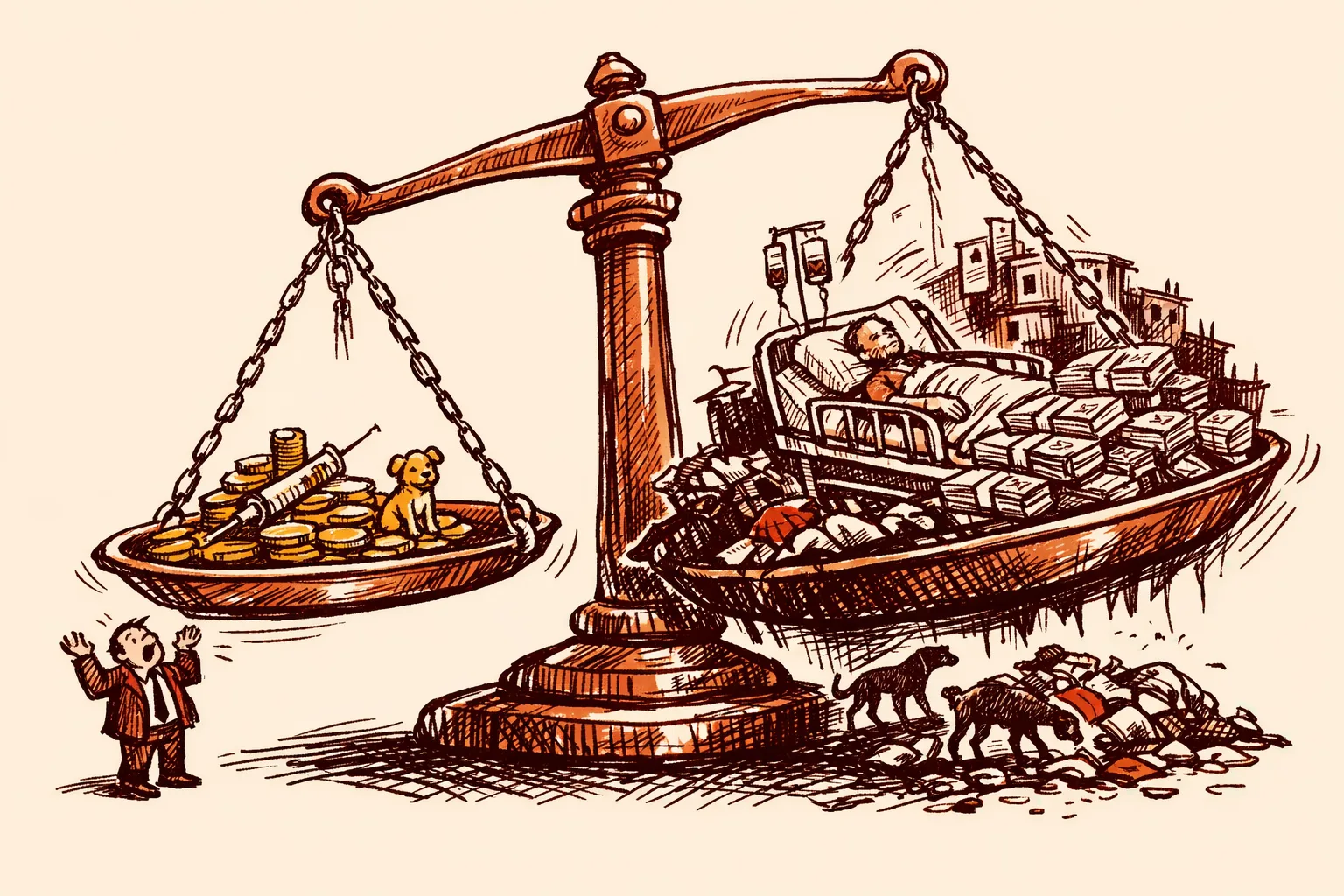
Animal Birth Control programs cost about Rs 1,000 per dog. Sterilizing and vaccinating 70% of India's 62 million stray dogs covers about 43 million dogs - approximately Rs 43,000 crore spread over several years.
That sounds large. But the crisis already costs India $3.5 billion every year. A time-bound investment to end the problem is cheaper than paying the recurring cost of doing nothing.
State veterinary hospitals are already eligible for one-time grants of Rs 2 crore to build surgical facilities, kennels, and recovery units. The infrastructure funding is available. The question is whether local bodies are using it.
Four Steps to Make the Zero-Rabies Goal Real
The Animal Birth Control program is the right approach. A Mission Rabies project in Goa showed that achieving 70% vaccination coverage reduced rabies in that state by 92%. The science is not in question. Execution is.
Four things need to happen.
First, India needs a single national agency with real authority. Right now the program is split between two central ministries and thousands of local bodies. Nobody is truly in charge. Bhutan succeeded because one clear instruction came from the top. India needs a named official who owns the outcome and answers for the numbers.
Second, India needs outcome-linked funding. Local bodies currently get money based on how many dogs they report sterilizing, not on whether the dog population actually falls. Payment should be tied to verified population decline measured by independent surveys - not self-reported numbers that are easy to fake.
Third, waste management must be part of the solution. Sterilizing dogs while leaving accessible garbage on every street simply replaces one generation of dogs with the next. Cities that want results must clean up food waste at the same time.
Fourth, India needs a national rabies surveillance system that works. Japan tracked rabies cases by district, by dog type, and by registration status. That data drove policy. India needs the same.
India has set a target of zero rabies deaths under its National Action Plan for Dog-Mediated Rabies Elimination. That target is achievable - but only if the government treats it like a project with a deadline and a named owner, not a slogan on a document.