பிராந்தியத்தின் கோணத்தில்
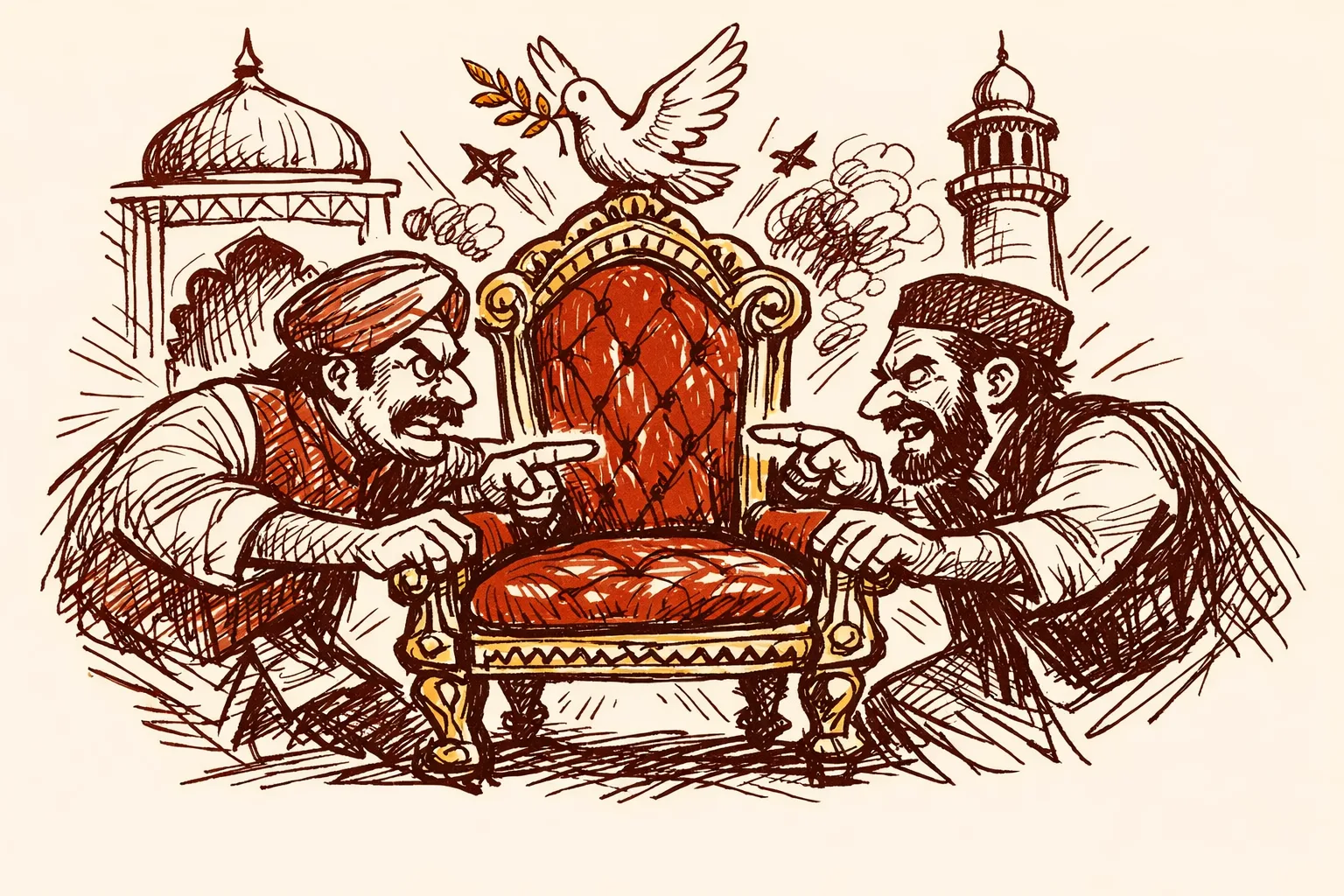
இதை கொஞ்சம் யோசிங்க. Middle East-ல் ஒரு யுத்தம் எரிஞ்சுக்கிட்டிருக்கு. உலகத்தோட மூணாவது பெரிய எண்ணெய் இறக்குமதியாளர் - அதாவது India - Gulf-ல் கிட்டத்தட்ட ஒரு கோடி குடிமக்களை வச்சிருக்கு. India-வோட energy-யோட பெரும்பகுதி கடந்து போகிற குறுகிய கடல் இடைவழியான Strait of Hormuz இப்போ அச்சுறுத்தலுக்கு உள்ளாகி இருக்கு. இப்போ நடக்கிற எல்லா diplomatic பேச்சுவார்த்தைகளிலயும் மையத்துல நிக்கணும்னா India-கிட்ட பொருளாதாரமும், உறவுகளும், நாகரிக பிணைப்புகளும் இருக்கு.
Pakistan இப்போ US-ஓட முன்மொழிவுகளை Tehran-கிட்ட கொண்டு போய்க்கிட்டிருக்கு. Pakistan சமாதான பேச்சுவார்த்தைகளுக்கு இடம் கொடுக்கத் தயாரா இருக்குன்னு சொல்றாங்க. Pakistan-ஓட army chief-ஐ US president-�ே Washington-ஓட "favorite Field Marshal" னு அழைக்கிறாரு.
இது India செயலில் இறங்கணும்னு கேக்கிற தருணம் - India இல்லாம போச்சுன்னு சொல்ல வேண்டிய நேரம் இல்ல.
இது India-வை ஒரு பக்கம் தேர்ந்தெடுக்க pressure போடணும்னு Western media திட்டமிட்டு செய்யிற சுழற்சி இல்ல. India-வோட strategic autonomy கொள்கை உண்மையானது, அதை காக்கணும். ஆனா அந்த கொள்கை சரியா வேலை செய்யணும்னா active engagement-உடன் சேர்ந்து இருக்கணும். போதுமான ஆதாரங்கள் இருக்கு - இனி என்ன ஆகும்னு India-வுக்கு நேர்மையான கணக்கு வேணும்.
India காக்கிறதோட அளவு என்ன
பணத்திலிருந்து ஆரம்பிக்கலாம், ஏன்னா stakes உண்மையிலயே நேரடியா இருக்கிற இடம் அதுதான்.
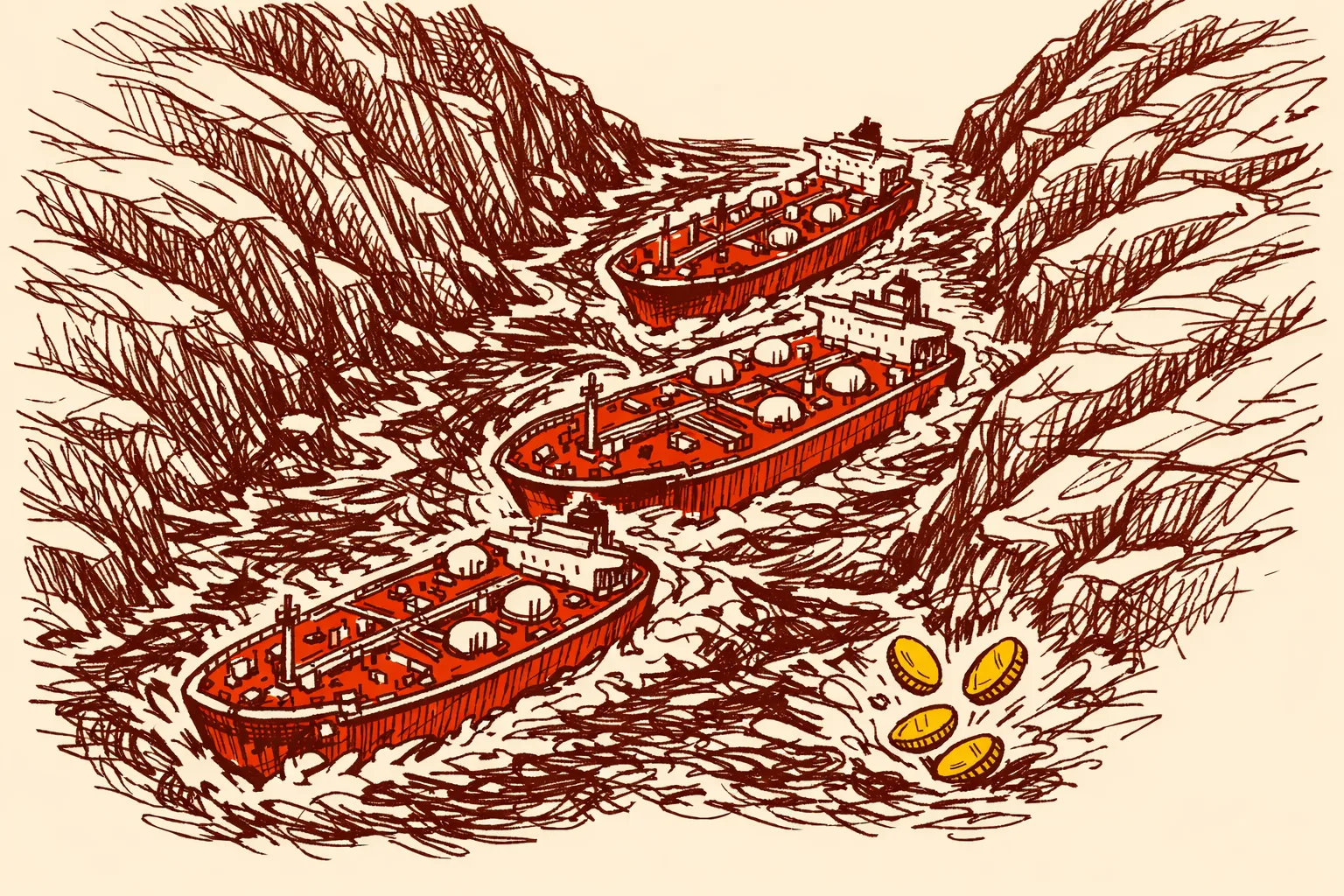
India-வோட Ministry of Petroleum and Natural Gas சொல்வதை வச்சு பாத்தா, India நாள்தோறும் சுமார் 55 லட்சம் பேரல் crude oil பயன்படுத்துது. இந்த யுத்தம் தொடங்குவதுக்கு முன்னாடி, அந்த இறக்குமதிகளில் கிட்டத்தட்ட 45 சதவீதம் Strait of Hormuz வழியா வந்துச்சு. India-வுக்கு தேவையான எண்ணெயில் 85 சதவீதத்துக்கும் மேல இறக்குமதிதான், அதுல சுமார் 60 சதவீதம் Saudi Arabia, Iraq, UAE, Kuwait மாதிரி Gulf நாடுகளிலிருந்து வருது.
MUFG Research சொல்றதுப்படி, Hormuz நீண்ட நாள் மூடப்பட்டா rupee, dollar-க்கு நேராக 95-ஐ தாண்டி போகலாம். India-வோட LPG தேவையில் கிட்டத்தட்ட 60 சதவீதமும் இறக்குமதிதான், அதுல 90 சதவீதம் Strait வழியாதான் வருது. March வரைக்கும், இந்த தடங்கலை சமாளிக்கவே India-வோட domestic LPG உற்பத்தியை 25 சதவீதம் அதிகப்படுத்தணும்னு ஆச்சு.
US Energy Information Administration சொல்றதுப்படி, Hormuz எண்ணெய் போக்குவரத்துல India ஏற்கனவே 14.7 சதவீதத்துடன் இரண்டாவது பெரிய இடமா இருக்கு. Iran-க்கும் Oman-க்கும் இடையிலான அந்த மெல்லிய கடல் வழி வெறும் foreign-policy கோட்பாடு இல்ல. அது Delhi-ல சமையல் கேஸ் விலை. அது Punjab-ல ஒரு லாரி டிரைவரோட டீசல் செலவு. அந்த தமனிகளை காக்கணும்னாலே India-வுக்கு இப்பகுதியில் வலுவான diplomatic presence வேணும்.
Pakistan எப்படி அந்த இடத்தை பிடிச்சது - India-கிட்ட ஏன் சிறந்த ஆதாரங்கள் இருக்கு
Pakistan இந்த இடத்தில் தற்செயலாக வந்து சேரவில்லை. Centre for Strategic and International Studies குறிப்பிடுவது என்னன்னா, Pakistan-க்கு Iran-உடன் 565 மைல் நீளமான எல்லை இருக்கு, US-உடன் வலுவான இராணுவ உறவு இருக்கு, Saudi Arabia-உடன் நெருங்கிய தொடர்பு இருக்கு. Pakistan-ன் இராணுவ தளபதி White House-ல் Trump-ஐ சந்தித்தார், Trump தனியாக மீடியாவிடம் சொன்னார் - Pakistanis "Iran-ஐ நன்றாகவே தெரியும், பெரும்பாலானோரை விட." Pakistan தலைவர்கள் ஒரே வாரத்தில் Trump-கிட்டயும் பேசினார்கள், Iranian President Pezeshkian-கிட்டயும் பேசினார்கள்.
இப்படித்தான் Pakistan-க்கு அந்த இடம் கிடைச்சது. ஆனா Pakistan-ன் நிலைப்பாடு transactional-ஆனது, எளிதில் உடையக்கூடியது. Pakistan இந்த role-ஐ பண்றது ஓரளவுக்கு Washington-கிட்ட தன்னோட மதிப்பை உயர்த்திக்கணும்னு - அந்த உறவு short-term பயன்பாட்டை வச்சு கட்டப்பட்டது, நீடித்த strategic ஆழத்தை வச்சு இல்ல. Pakistan இன்னும் கடுமையான உள்நாட்டு அரசியல் அமைதியின்மையை சந்திக்குது, Afghanistan-உடன் நடந்துக்கிட்டே இருக்கற மோதல் இருக்கு, வரலாற்றிலேயே மிகக் கடுமையான பொருளாதார நெருக்கடிகளில் ஒன்னை அனுபவிக்குது. IMF-கிட்ட கடன் வாங்கி விளக்கை எரிய வச்சுக்கிற ஒரு நாடு, நம்பகமான diplomatic தூணாக நீடிக்காது.
India-ன் structural நன்மைகள் மிகவும் வலிமையானவை. யாரோட alliance system-லயும் India கீழ்நிலையில் இருக்க விரும்பல. Observer Research Foundation எழுதியது மாதிரி, India strategic autonomy-ஐ தொடர்ந்துச்சு - "உலகளாவிய முரண்பாடுகள் உருவாக்கும் வாய்ப்புகளை கண்டுபிடிச்சு பயன்படுத்திக்கிறது." India Russian oil வாங்குது, US-உடன் technology-ல பார்ட்னர் ஆகுது, Quad-ஐ maintain பண்றது, BRICS-ல இருக்கு - எல்லாத்தையும் ஒரே நேரத்துல பண்றது. அந்த flexibility பலவீனம் இல்ல. அது India-வோட மிகப்பெரிய diplomatic சொத்து.
இப்போ இருக்கற வாய்ப்பு என்னன்னா, அந்த flexibility-ஐ active-ஆன, தெரியற மாதிரியான engagement-உடன் சேர்க்கணும். Prime Minister Modi-ன் Israel பயணத்தின் timing சில optics சிக்கல்களை உருவாக்கிச்சு - Modi Tel Aviv-ஐ விட்டு கிளம்பி 48 மணி நேரத்துக்கும் குறைவான நேரத்துல US-உம் Israel-உம் Iran-மேல தாக்குதல் நடத்திச்சு. CNBC மேற்கோள் காட்டிய ஒரு முன்னாள் Indian தூதர் சொன்னார், அந்த பயணம் "India-வோட நடுநிலைமையை முழுமையாக சிதைச்சுவிட்டது." CNBC-யின் படி, Iran-ன் தாக்குதல்களை கண்டிக்கணும்னு வேண்டுகோள் விடுத்தபோது பதிலே சொல்லாத ஒரே BRICS நிறுவன உறுப்பினர் India மட்டும்தான். Christian Science Monitor தெரிவிச்சது என்னன்னா, New Delhi-க்கு Iran-கிட்ட limited outreach செய்ய பல நாட்கள் ஆச்சு.
diplomacy-ல, timing-ஏ substance. India-வோட மௌனம் ஒரு தேர்வு மாதிரி படிக்கப்பட்டது. அடுத்த அடி என்னன்னா, அந்த படிப்பை மாத்தணும் - வேகமா.
Chabahar-ல் காத்திருக்கும் பொருளாதார பரிசு
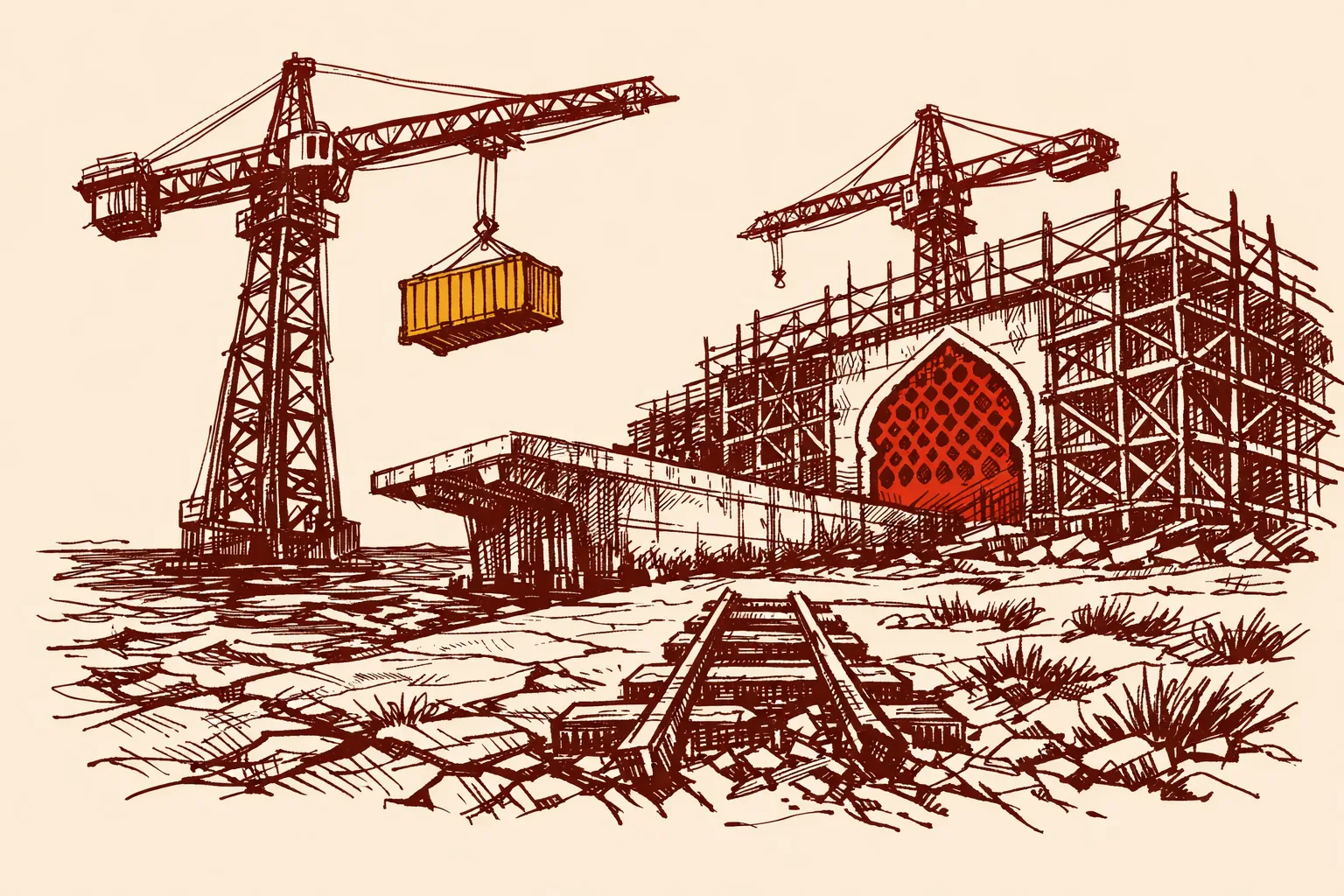
India, Iran-ன் ஒரே ஆழமான கடல் துறைமுகமான Chabahar Port-ல் மிகவும் அதிகமாக முதலீடு செய்திருக்கிறது - இந்த துறைமுகத்துக்கு நேரடியா Indian Ocean அணுகல் இருக்கு. India, Iran-கிட்ட இந்த துறைமுகத்துக்கு 10 வருஷ இயக்க ஒப்பந்தம் போட்டிருக்கு, அதோட வளர்ச்சிக்காக $250 million கடன் வசதியும் கொடுக்கறதா சொல்லியிருக்கு. இந்த துறைமுகம் India-க்கு Central Asia போற வழி - Pakistan-ஐ முழுக்க தவிர்த்துட்டு போகலாம். அரசாங்கக் கணக்குப்படி வர்த்தக செலவு 30 சதவீதம் குறையும், போக்குவரத்து நேரம் 40 சதவீதம் மிச்சமாகும்.
Observer Research Foundation சொல்றது என்னன்னா, Chabahar மூலம் Central Asia-வோட இரண்டு நாடுகளுக்கு இடையிலான வர்த்தக சாத்தியம் $200 billion-க்கும் மேல் திறக்கப்படலாம்னு. அதுதான் பரிசு. அதை வெல்லணும்னா Tehran-ல நம்பகத்தன்மை வேணும்.
Kashmir பரிமாணமும் இருக்கு. 1994-ல, Organisation of Islamic Cooperation-ல Kashmir பத்தி India-க்கு எதிரா Western சக்திகள் ஒரு தீர்மானம் கொண்டு வர முயற்சிச்சப்போ, அதை தடுத்து நிறுத்தினவங்க Iran-ன் president-தான். அந்த உறவை கட்டி எழுப்ப பல தசாப்தங்கள் ஆச்சு. India-ன் எதிரிகள் எப்பவும் பிளவை பயன்படுத்திக்க வழி தேடுவாங்க. Tehran-ஐ ஒரு அமைதியான கூட்டாளியா வச்சிருந்தா, Kashmir பத்தி India-க்கு இருக்கற மிக முக்கியமான diplomatic கவசங்களில் ஒன்னை பாதுகாக்கலாம்.
இதுவரை கட்டியது என்ன
India இதுக்கு முன்னாடியும் சில முறை முன்முயற்சியான regional diplomacy-ஐ try பண்ணியிருக்கு - சிலது நல்லாவே வேலை செஞ்சது.
2014-ல Modi அரசாங்கத்தோட "Neighbourhood First"-ஓட சேர்த்து தொடங்கிய "Act East" கொள்கை நிஜமான பலன்களை கொடுத்தது - ASEAN-ஓட வலுவான உறவுகள், Quad framework, Indo-Pacific நோக்கி ஒரு தெளிவான strategic திசை. இவை எல்லாம் உண்மையான சாதனைகள் - India-ஐ ஒரு முன்முயற்சி எடுக்கற சக்தியா மாத்தி காட்டியது.
Chabahar பத்தி Iran-கிட்ட India-ன் ஈடுபாடு 2003-லிருந்தே தொடர்ச்சியா இருக்கு. நீண்ட கால இயக்க ஒப்பந்தம் இதுவரை India எடுத்த மிக தீவிரமான commitment. Modi அரசாங்கம் Chabahar-ஐ ஒரு strategic priority-யா தொடர்ந்து வலியுறுத்தியிருக்கு. ஆனா Chabahar-Zahedan railway இன்னும் முடியலை. Indian funding தாமதமானதால் Iran தானே சொந்தமா rail link கட்டத் தொடங்கிட்டு. அந்த pattern - வலுவான vision, ஆனா execution speed-ஐ கொஞ்சம் சரிப்படுத்தணும் - அதுதான் India-ன் regional diplomacy-ல சரிசெய்யணும்னு இருக்கற விஷயம்.
மத்த நாடுகள் எப்படி Diplomatic presence கட்டி எழுப்பினாங்க
Qatar - சிறிய நாடு, பெரிய மேஜை
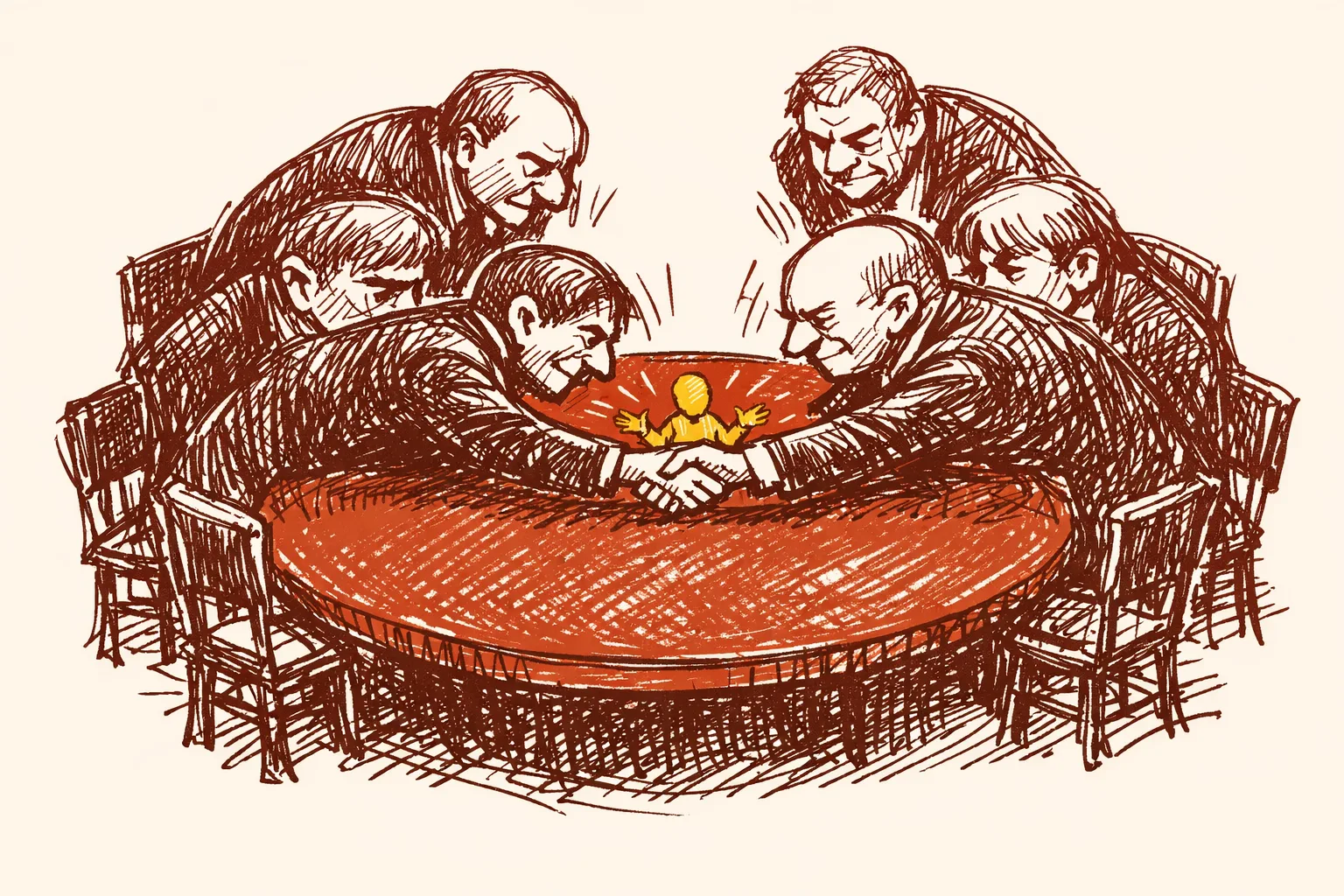
Qatar-இன் மக்கள்தொகை Chennai-ஐ விட குறைவு, பேசிக்கொள்ளும் அளவுக்கு இராணுவ பலமும் இல்லை. ஆனாலும் கடந்த மூன்று தசாப்தங்களில், Lebanon-இல் அமைதி ஏற்படுத்தி, US-Taliban பேச்சுவார்த்தைகளுக்கு இடமளித்து, Israel-Hamas இடையே மத்தியஸ்தம் செய்து, Iran-Israel போரின் முந்தைய கட்டத்தில் US போர்நிறுத்த முன்மொழிவுக்கு Iran-இன் ஒப்புதலையும் பெற்றுவிட்டது.
Middle East Journal-இல் Mehran Kamrava வெளியிட்ட ஆராய்ச்சியின்படி, Qatar தன் பங்கை "மிகவும் வலுவான அரசியல் தொடர்புகள், பிரமாண்டமான நிதி வளங்கள், நம்பகத்தன்மை மற்றும் நடுநிலைமை" மூலம் கட்டி எழுப்பியது. Qatar மத்தியஸ்தத்தை தன் வெளியுறவுக் கொள்கையின் ஒரு அதிகாரப்பூர்வ பகுதியாக மாற்றியது - ஒரு முறை செய்து மறக்கும் விஷயமாக இல்லாமல், தனி வளங்களும் தொடர்ச்சியான செயல்பாடும் கொண்ட ஒரு நிறுவனமாக. Washington Institute for Middle East Policy கூறுகிறது, Qatar-இன் அணுகுமுறை "பரஸ்பர மரியாதை மற்றும் இரகசியத்தன்மையை" அடிப்படையாகக் கொண்டது என்று.
India-விடம் Qatar-இடம் இருக்கும் அனைத்து கட்டமைப்பு நன்மைகளும் இருக்கின்றன, அதோடு 140 மடங்கு மக்கள்தொகையும் மிகப் பெரிய பொருளாதாரமும் இருக்கின்றன. India-க்கு தேவையானது என்னவென்றால், அறிவிப்பு-ராஜதந்திரம் இல்லாமல், முடிவு-ராஜதந்திரத்துக்கான நிறுவன அர்ப்பணிப்பு.
Turkey - புவியியல் மற்றும் கொள்கை
Turkey, Black Sea Grain Initiative-க்கு இடமளித்தது, Ukraine-இல் அமைதி ஏற்படுத்தியது, Russia மற்றும் NATO இரண்டோடும் ஒரே நேரத்தில் உறவை தக்கவைத்துக்கொண்டது. Turkey நிரந்தர மத்தியஸ்த கட்டமைப்பை உருவாக்கியது - தனிப்பட்ட வெளியுறவு அமைச்சக பிரிவுகள், எதிரிகளுடன் நிறுவன உறவுகள், மற்றும் இரண்டு தரப்பையும் பேச்சுவார்த்தையில் வைத்திருந்த இரகசியத்தன்மை என்கிற நற்பெயர். Ankara எல்லாருக்கும் உபயோகமாக இருந்தது, அதனால் யாராலும் அதை ஒதுக்கி வைக்க முடியவில்லை.
India இதை இன்னும் சிறப்பாக செய்யமுடியும். India-வின் உறவுகள் ஆழமானவை, பொருளாதாரம் பெரியது, இந்த பகுதியுடனான நாகரிக தொடர்புகள் Turkey-இன் நவீன கொள்கையை விட பழமையானவை.
யார் பொறுப்பு - அவர்கள் என்ன செய்து காட்ட வேண்டும்
India-வின் Ministry of External Affairs நாட்டின் வெளியுறவுக் கொள்கை மற்றும் இருதரப்பு உறவுகளை கட்டுப்படுத்துகிறது. Iran கோப்பு MEA-வின் West Asia and Africa பிரிவுக்குள் அமர்கிறது. Chabahar துறைமுக உறுதிமொழி MEA மற்றும் Ministry of Ports, Shipping and Waterways இரண்டின் கீழும் வருகிறது.
இங்கே இடைவெளி நிதியிலோ நோக்கத்திலோ இல்லை. அது செயலாக்க வேகத்திலும் முன்கூட்டிய நேரத்திலும் இருக்கிறது. நட்பு நாடுகளை எப்போது சந்திப்பது, ஒரு மோதலைப் பற்றி பகிரங்கமாக என்ன சொல்வது, மூத்த தூதரை எப்போது அனுப்புவது என்கிற முடிவுகள் மேலே எடுக்கப்படுகின்றன. அந்த முடிவுகளுக்கு அளவிடக்கூடிய விளைவுகள் இருக்கின்றன - இப்போது எண்ணெய் விலைகளிலும், ரூபாய் மாற்று விகிதத்திலும், Pakistan-இன் தற்காலிக இராஜதந்திர இடத்திலும் தெரிகின்றன. Chabahar நிறைவு மற்றும் Iran ஈடுபாட்டுக்கு தெளிவான அமைச்சர் பொறுப்புக்கூறல் இருந்தால்தான் நல்ல கொள்கை உண்மையான முடிவுகளாக மாறும்.
வெல்வதற்கு என்ன செலவாகும்
Chabahar-Zahedan இரயில் பாதையை முடிக்க சுமார் $1.6 பில்லியன் முதலீடு தேவை. India பலமுறை நிதி அளிக்கிறோம் என்று சொல்லியிருக்கிறது. பணம் தடையில்லை. எவ்வளவு வேகமா செய்கிறோம் என்பதுதான் கேள்வி.
MEA-க்குள்ளே நிரந்தரமான மத்தியஸ்தம் மற்றும் track-two diplomacy கட்டமைப்பை உருவாக்குவதற்கு ஆகும் செலவு, Strait of Hormuz-ல் ஒவ்வொரு முறை குழப்பம் வரும்போதும் India இழப்பதை விட மிகவும் குறைவு. MUFG Research சொல்கிறது - Hormuz நீண்ட காலம் மூடினால் USD/INR 97.50 வரை போகலாம் என்று. அது diplomatic இழப்பு இல்லை. India மேஜையில் இருந்தாலே தடுக்கக்கூடிய ஒரு பொருளாதார அவசரநிலை.
India இப்போதே எடுக்க வேண்டிய மூன்று நடவடிக்கைகள்
Iran-உடன் Chabahar வழியாகவும், US-உடன் Quad வழியாகவும், Saudi Arabia மற்றும் Gulf நாடுகளுடன் வியாபாரம் மற்றும் புலம்பெயர்ந்தோர் வழியாகவும் India-க்கு நல்ல உறவு இருக்கிறது. 1.4 பில்லியன் மக்கள், உலகின் நான்காவது பெரிய பொருளாதாரம், Europe-இன் தேசங்கள் உருவாவதற்கும் முன்பே இருந்து வரும் Iran-உடனான நாகரீக உறவு - எல்லாமே இருக்கு. திட்டமும் சரிதான். இனி செயல்படுத்துவதுதான் மிச்சம்.
முதலாவது: Chabahar-Zahedan இரயில் பாதையை ஒரு நிர்ணயிக்கப்பட்ட காலக்கெடுவில், அமைச்சர் மட்ட பொறுப்புடன் India முடிக்க வேண்டும். ஒவ்வொரு தாமதமும் Tehran-க்கு ஒரு செய்தி அனுப்புகிறது - India-வின் வாக்குறுதிகளுக்கு இன்னும் உறுதிப்படுத்தல் வேண்டும் என்று. இரயில் பாதை முடிந்தால் அதற்கு நேர் எதிரான செய்தி போகும் - India சொன்னதை செய்யும் என்று.
இரண்டாவது: US-Israel உறவு எந்த நிலையில் இருந்தாலும் சரி, அதிலிருந்து தனியாக, Iran-உடன் ஒரு நிரந்தர பின்னணி தொடர்பு வழியை India வைத்திருக்க வேண்டும். Chatham House-இன் ஆய்வாளர் Chietigj Bajpaee எழுதியிருக்கிறார் - India "Russia மற்றும் US இரண்டுடனும், Iran மற்றும் Israel இரண்டுடனும் நெருக்கமான உறவு வைத்திருந்தாலும், சமீபத்திய மோதல்களை தணிக்க மிகவும் குறைந்த பங்கே வகித்தது" என்று - Qatar, Turkey, Brazil, China என்று மற்றவர்களோட அணுகுமுறையோட ஒப்பிட்டு. அந்த இடைவெளி India தேர்ந்தெடுத்த ஒன்று - மாற்றிக்கொள்ளலாம்.
மூன்றாவது: மோதல் வெடிக்கும்போது "strategic autonomy" என்றால் நடைமுறையில் என்ன என்று India தெளிவாக வரையறுக்க வேண்டும். நடுநிலையாக இருப்பது என்பது மௌனமாக இருப்பது இல்லை. மௌனம் ஒரு பக்கம் சேர்ந்திருக்கிறோம் என்று படிக்கப்பட்டது. எந்த தரப்பையும் ஆதரிக்காமல், முதல் நாளிலிருந்தே பதட்டத்தை தணிக்கக் கோரும் தெளிவான, கொள்கை அடிப்படையிலான ஒரு அறிக்கை - India-க்கு எந்த இழப்பும் வராது, எல்லாமே காப்பாற்றப்படும். Strategic autonomy-இன் ஆற்றல் மிகவும் வலிமையாக வெளிப்படுவது, அதை声 உரக்கச் சொல்லும்போதுதான்.