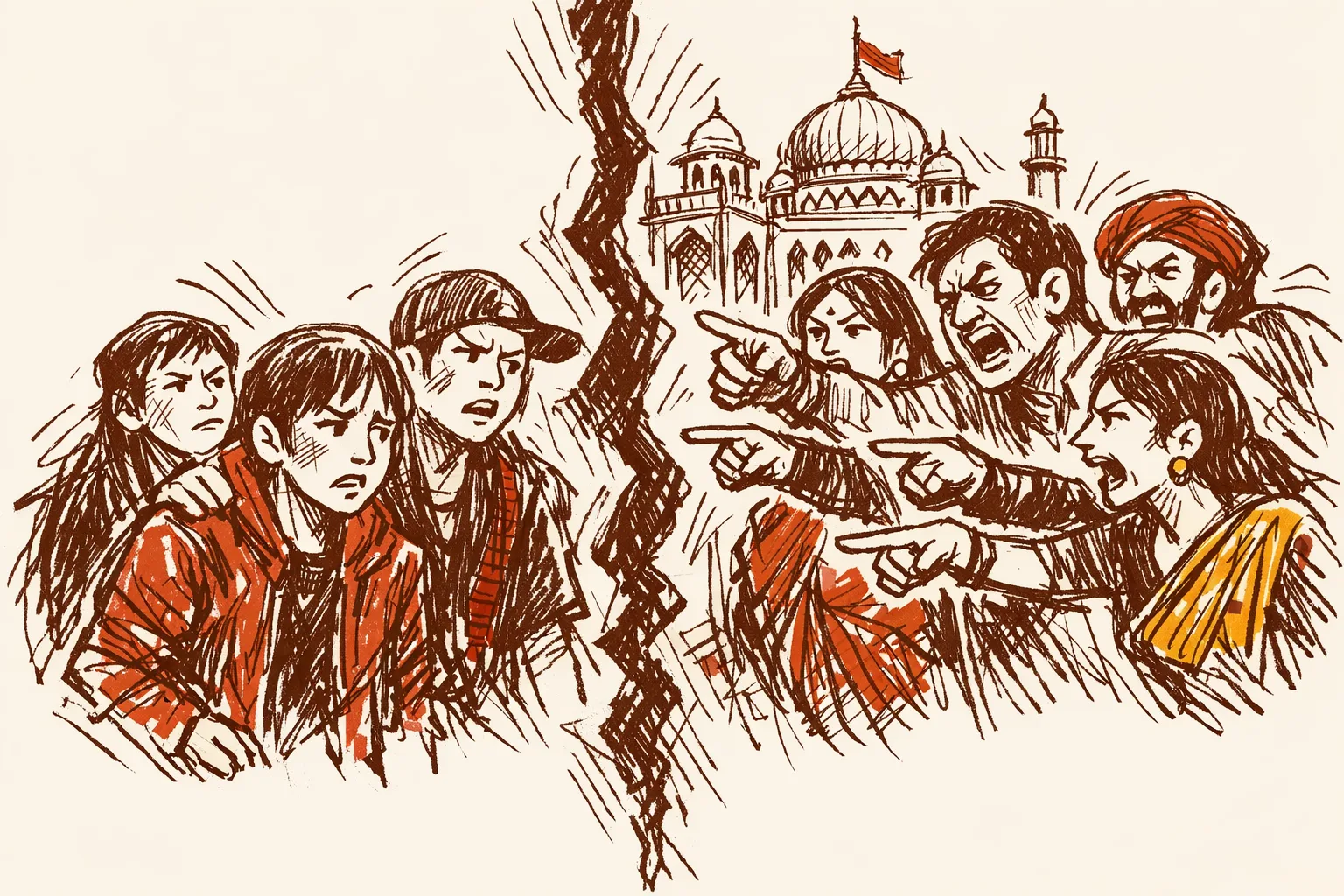
Picture three young women from Arunachal Pradesh - one of them preparing for the civil services exam - sitting in their rented flat in Malviya Nagar, south Delhi. Their neighbour calls a repairman. Some drilling dust falls downstairs. A routine argument follows. And then the slurs begin. Chinese. Outsider. Go back.
It happened in February of this year. Three arrests followed. National headlines followed. And then, as they always do, the headlines moved on.
They have moved on before. They moved on after Nido Tania - a 20-year-old student from Arunachal Pradesh - was beaten to death in a South Delhi market in January 2014 after shopkeepers mocked his hair and ethnicity. After Anjel Chakma, a 24-year-old student from Tripura stabbed in Dehradun in December of last year after being called "Chinki" and "Chinese" while shopping for groceries, they moved on too. He did not survive.
Two deaths. One decade apart. The same slurs. The same failure to act before the violence.
India's diversity is its strategic asset. But that asset is being quietly destroyed every time a citizen from the Northeast is told, by word or by fist, that they do not look Indian enough to belong.
The Scale of the Problem
The eight states of Northeast India - Arunachal Pradesh, Assam, Manipur, Meghalaya, Mizoram, Nagaland, Tripura, and Sikkim - are home to hundreds of distinct tribes, languages, and traditions. According to research published in the journal Asian Ethnicity by Dr. Thongkholal Haokip of Jawaharlal Nehru University, people from these states are frequently misrecognised as foreigners from China, Japan, Myanmar, Nepal, or Thailand because of their physical features.
That misrecognition is the starting point for violence.
A study published in PMC (the US National Library of Medicine's public database) found that in Delhi, one northeastern person is targeted every alternate day. Approximately 90,000 people from the Northeast live in and around Delhi alone - students, nurses, hospitality workers, professionals preparing for national exams. They face verbal abuse, housing discrimination, and job rejections, according to research from the Sociology Journal Network.
The World Values Survey reported that 43.5 percent of Indians said they would prefer not to have neighbours of a different race.
The remittances these migrants send home are estimated at over Rs 15,000 crore annually, according to the PolSci Institute. That money flows only if young Northeasterners feel safe enough to stay in the cities where they earn it. Every attack makes the calculation more dangerous.
Why This Keeps Happening
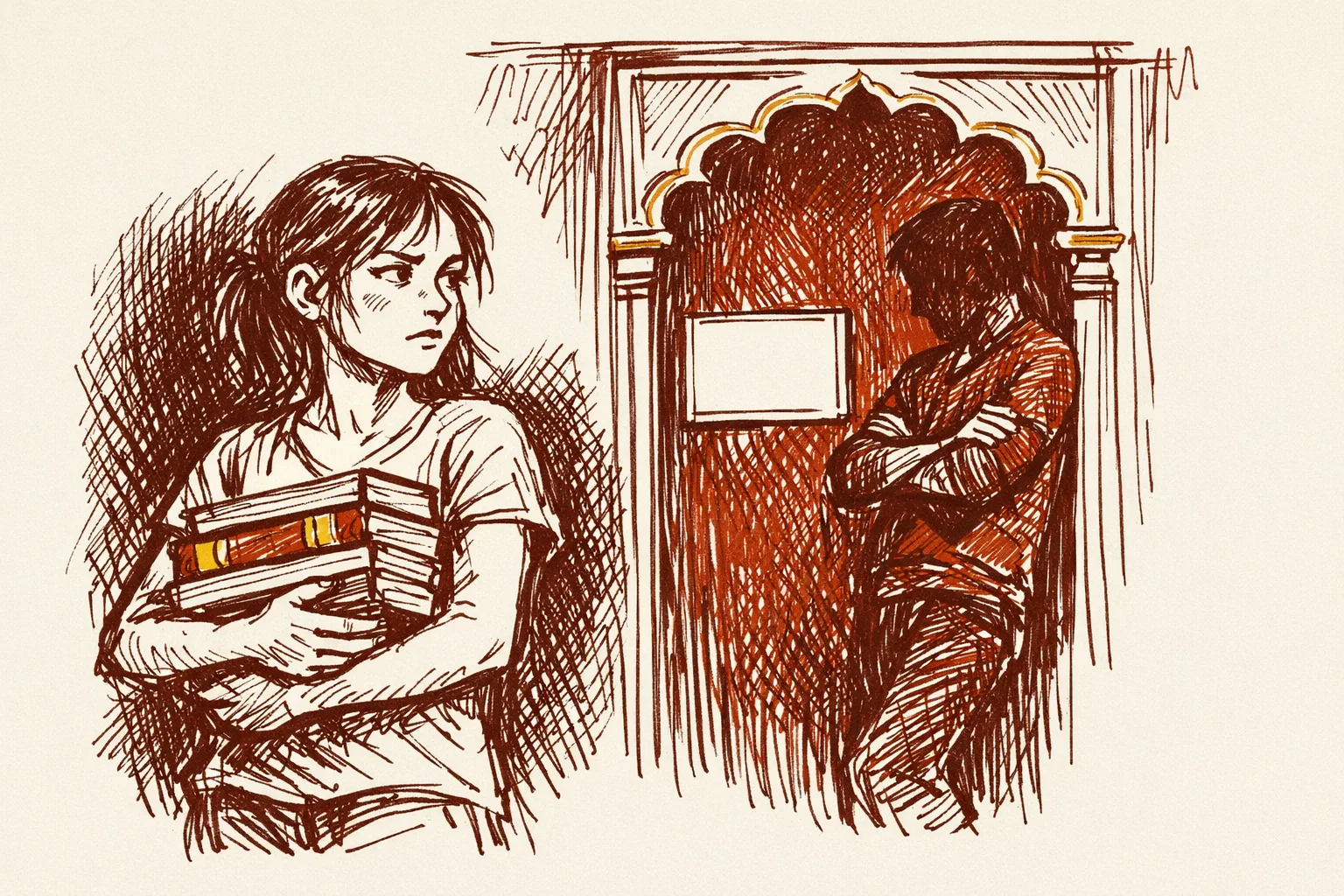
A civil services aspirant from Arunachal Pradesh was refused three consecutive flat rentals in Delhi because landlords said she "looked foreign." Her story is not unusual - and it begins with a simple failure: Northeast history, languages, cultures, and the region's role in India's freedom struggle appear nowhere in standard school textbooks. When you know nothing about a place, the people from that place look alien to you.
That ignorance is the fuel. The absence of a specific racial discrimination law is the environment in which the fuel burns freely.
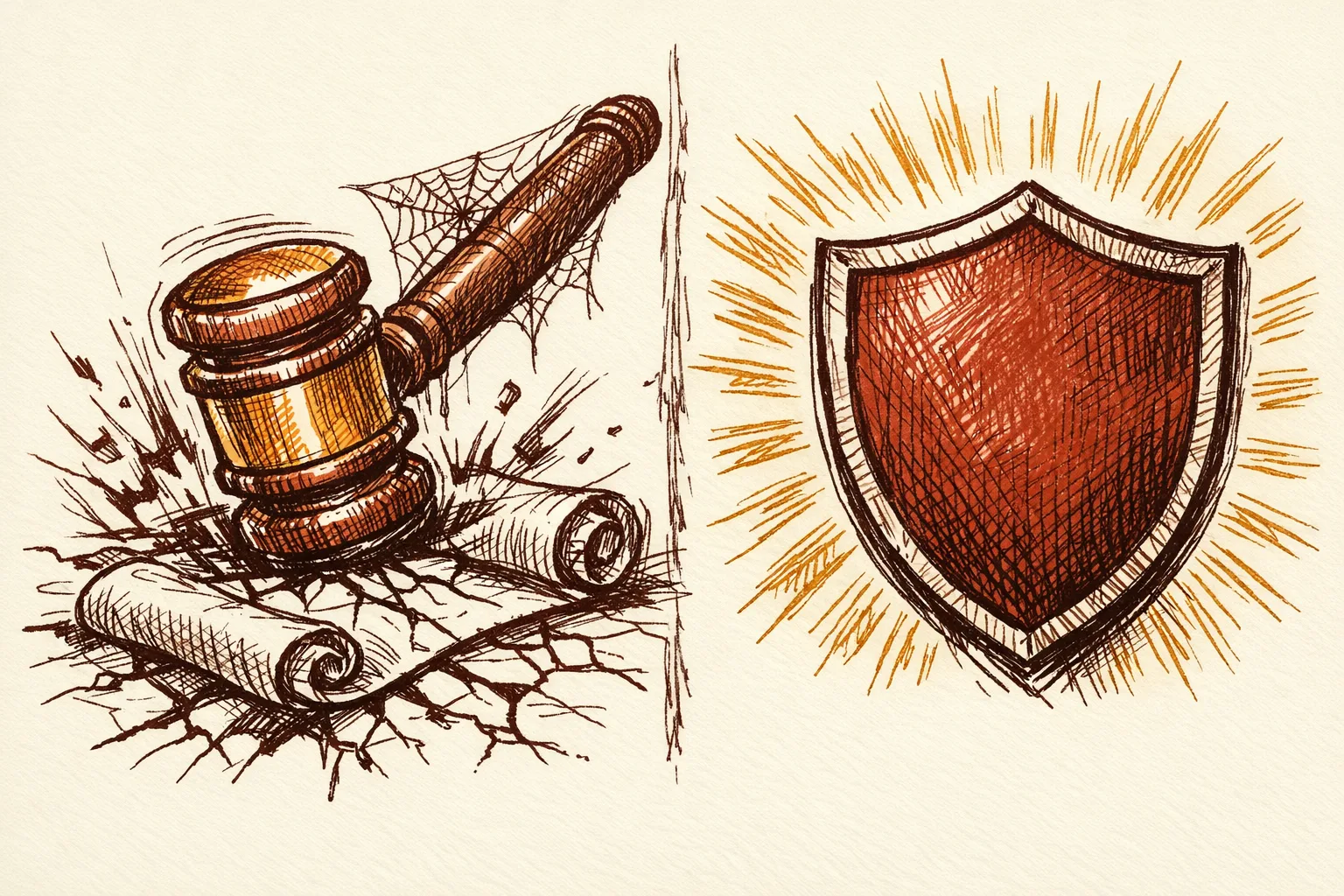
Fair Observer noted that India's Constitution guarantees equality before the law - but there is no national law that explicitly recognises racial discrimination or racially motivated violence as distinct offences, unlike protections for caste or gender. Hate speech provisions exist in the criminal code, but activists quoted by the Caravan magazine point out they are vague and rarely result in convictions. When a Manipuri student was spat on in Delhi and the attacker was booked, he received bail within 24 hours - because no stronger provision existed.
Research published in the Rupkatha Journal of Interdisciplinary Studies documents cases where local police refused to file complaints from Northeast victims - and, in at least one case in Goa, threatened victims who tried to report. The Economic and Political Weekly, in its analysis of the Nido Tania case, concluded directly: racism cannot be addressed unless the police force is reformed and sensitised.
What Has Already Been Tried
After Nido Tania's murder in 2014, the Ministry of Home Affairs set up the Bezbaruah Committee to investigate conditions faced by Northeastern people living outside their home states. It consulted over 800 individuals and submitted its report in July 2014.
Its recommendations were significant. It called for a new law - or an amendment to Section 153 of the Indian Penal Code - making racial discrimination a cognizable and non-bailable offence. It called for fast-track courts, a special police unit in Delhi, dedicated helplines, nodal officers in every state, and the inclusion of Northeast history and culture in school curricula.
Some of these recommendations were implemented. Delhi Police set up the Special Police Unit for North East Region - SPUNER - with a dedicated helpline (1093) staffed by officers from the Northeast. Nodal officers were appointed in states and union territories. A three-member monitoring committee, mandated by a Supreme Court judgment in December 2016, meets regularly to review the situation.
But the most important recommendation - a dedicated racial discrimination law - was never enacted. A ministry official described the bill as being finalised, but the political pressure of 2014 had faded. The law still does not exist.
When Anjel Chakma was killed, activists filed a public interest petition in the Supreme Court asking for guidelines to prevent racial attacks. The demand being raised in court is the same demand the Bezbaruah Committee made over ten years ago.
There is one more gap: the government told Parliament that no centralised data is maintained on incidents of hate speech, racial slurs, harassment, and discrimination against people from the Northeast. No data means nobody gets fired.
How Other Countries Fixed This
Singapore: One Law, Clear Signals
Singapore is a city-state of 5.6 million people from Chinese, Malay, Indian, and other backgrounds. Its leaders have always understood that racial tension is an existential threat.
In February this year, Singapore's Parliament passed the Maintenance of Racial Harmony Act. According to Singapore's Ministry of Home Affairs, the law consolidates all existing racial harmony provisions into one dedicated piece of legislation - covering hate speech, incitement to racial violence, and content that prejudices racial harmony. It introduces restraining orders that the Minister for Home Affairs can issue pre-emptively against individuals or organisations spreading such content, even before criminal conduct is established. It also includes a community remedial approach: offenders can be required to engage with the communities they have harmed rather than face automatic criminal prosecution.
India has no equivalent. The Bezbaruah Committee called for one. Parliament has not delivered it.
What Singapore's Model Teaches India
Singapore's approach works because it combines speed with proportionality. Pre-emptive restraining orders stop harm before it escalates. The community remedial approach builds understanding instead of just punishing. A dedicated law sends a signal to every police officer and every court that this category of harm is serious and specific.
Right now, a police officer confronted with a racial slur case has to search general IPC provisions for something that fits. That uncertainty produces the inaction that victims keep reporting.
Who Is Accountable
The Ministry of Home Affairs is the primary responsible body. It controls the Bezbaruah Committee's implementation, the SPUNER unit, the nodal officer network, and any future racial discrimination legislation. The Ministry of Development of Northeastern Region has a secondary accountability role for awareness and cultural promotion. The National Council of Educational Research and Training is accountable for curriculum reform. State governments control their own police forces and are accountable for local enforcement of whatever central guidelines exist.
What Would It Cost
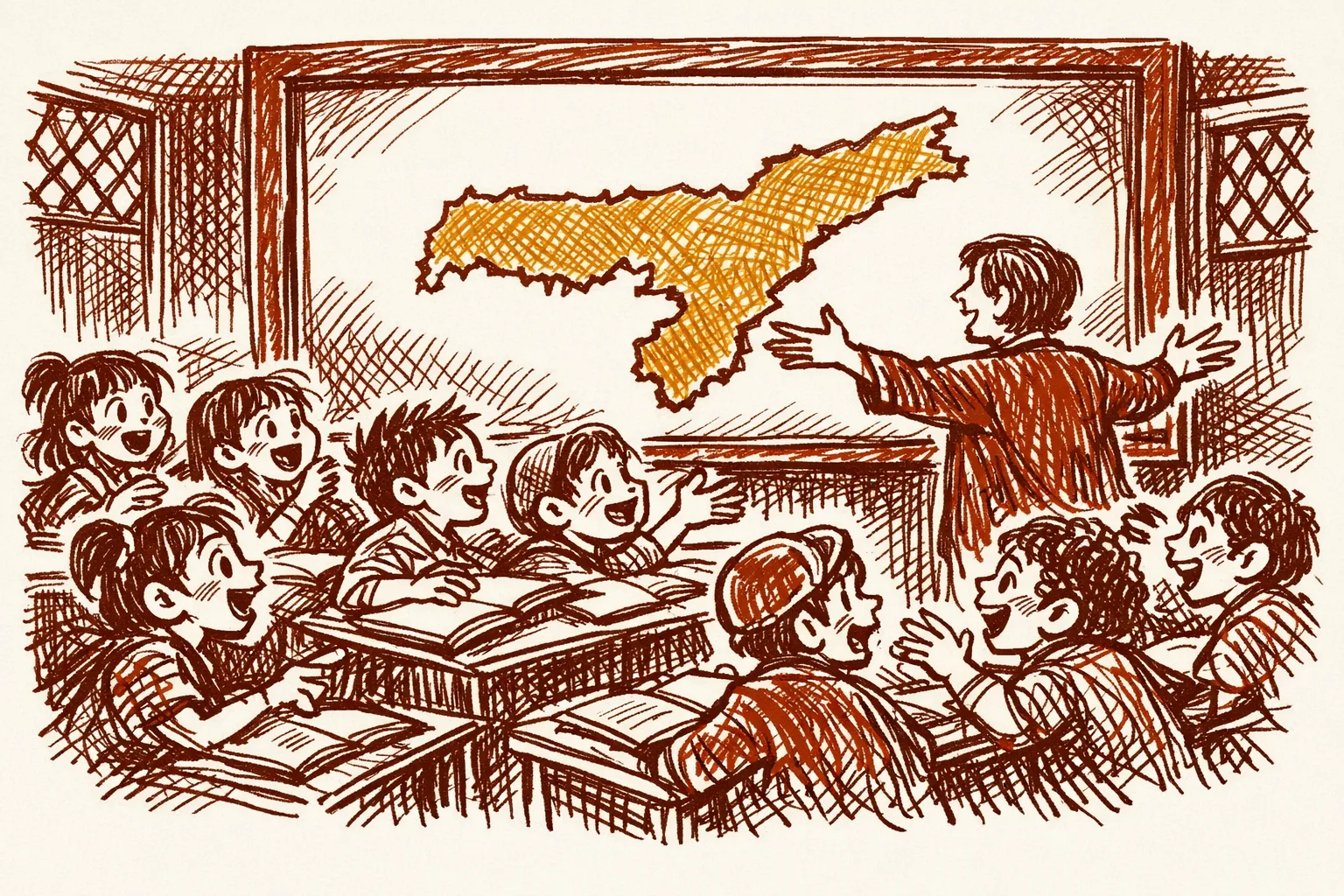
The curriculum reform the Bezbaruah Committee recommended is a publishing and training cost, not a large capital expenditure. The National Council of Educational Research and Training revises curricula periodically. Adding this content in the next revision cycle requires political will, not a separate budget line.
Expanding SPUNER-style dedicated helplines and police units to major cities outside Delhi - Bengaluru, Mumbai, Hyderabad, Chennai - would require personnel, training, and office costs. The Rising Northeast Investors Summit attracted investment proposals worth Rs 4.3 lakh crore. Protecting the people who will implement that investment costs a fraction of that figure.
A dedicated racial discrimination law costs legislative time, not money. The real cost of not having it is measured in lives.
What Needs to Happen
The government has built real infrastructure. SPUNER exists. Nodal officers exist. A monitoring committee exists. Now four things need to happen on top of it.
First, pass the racial discrimination law. India should create a dedicated law that makes racially aggravated offences non-bailable, sets a mandatory 60-day investigation timeline, and appoints special prosecutors for these cases - exactly as the Bezbaruah Committee specified.
Second, build a national data system. The National Crime Records Bureau already compiles state data on crimes. Adding a specific category for racially motivated incidents against northeastern citizens should be done in the next Crime in India report cycle.
Third, put Northeast history into every school. Children in Chandigarh, Lucknow, Ahmedabad, and Chennai should know that Naga warriors fought the Japanese in World War Two, that Manipuri polo is the origin of the sport played globally, that Meghalaya has one of the world's highest-literacy communities.
Fourth, replicate SPUNER nationally. Delhi's dedicated Northeast unit receives at least five calls daily. Bengaluru, Mumbai, and Hyderabad host large northeastern populations. Each city should have an equivalent unit - staffed by officers from the Northeast, operating a dedicated helpline, and reporting monthly numbers to the monitoring committee.