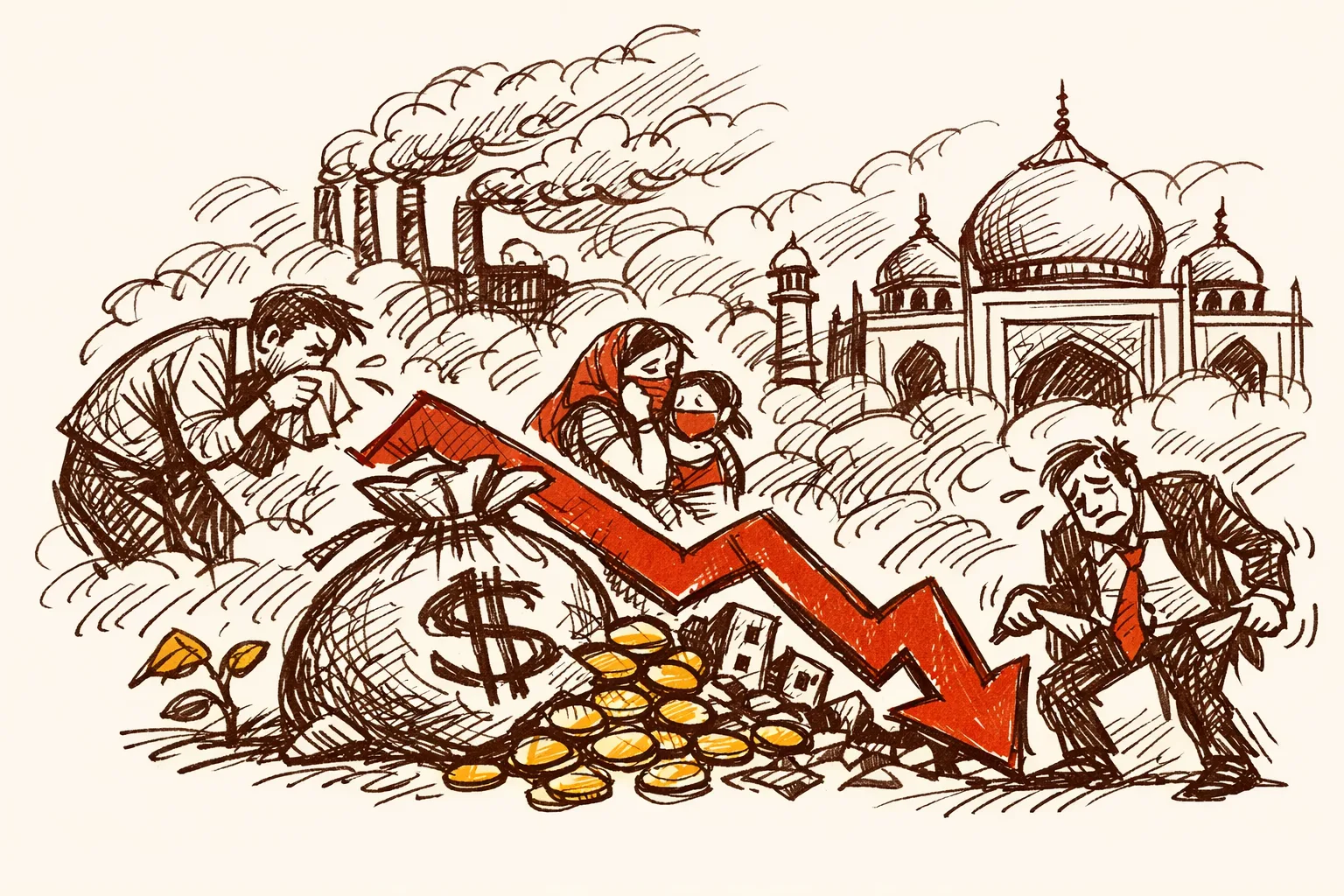
ਉਹ ਹਵਾ ਜੋ ਦਿੱਖਦੀ ਨਹੀਂ, India ਨੂੰ ਕਿਸੇ ਵੀ ਟੈਰਿਫ਼ ਨਾਲੋਂ ਜ਼ਿਆਦਾ ਮਹਿੰਗੀ ਪੈ ਰਹੀ ਹੈ
New Delhi ਦੇ Connaught Place ਵਿੱਚੋਂ ਲੰਘ ਕੇ ਵੇਖੋ - ਰਾਜਧਾਨੀ ਦਾ ਮੁੱਖ ਵਪਾਰਕ ਇਲਾਕਾ - ਸਰਦੀਆਂ ਦੀ ਸਵੇਰੇ। ਅਸਮਾਨ ਚਿੱਟਾ ਹੈ। ਬੱਦਲਵਾਈ ਨਹੀਂ। ਬੱਸ ਚਿੱਟਾ। ਬਾਰੀਕ ਕਣਾਂ ਦੀ ਸੰਘਣੀ ਧੁੰਦ ਸੜਕ ਦੇ ਪੱਧਰ ਉੱਤੇ ਬੈਠੀ ਹੈ। ਦੁਕਾਨਦਾਰ ਮਾਸਕ ਪਾ ਕੇ ਅੰਦਰ ਬੈਠੇ ਹਨ। ਸੈਲਾਨੀ ਆਪਣੇ ਦੌਰੇ ਰੱਦ ਕਰ ਰਹੇ ਹਨ।
ਹਵਾ ਪ੍ਰਦੂਸ਼ਣ ਇੱਕ ਅਜਿਹੀ ਨੀਤੀਗਤ ਸਮੱਸਿਆ ਹੈ ਜਿਸ ਦੀ ਕੀਮਤ ਵੀ ਹੈ - ਅਤੇ ਹੱਲ ਵੀ।
Lancet Countdown on Health and Climate Change ਮੁਤਾਬਕ, ਹਵਾ ਪ੍ਰਦੂਸ਼ਣ India ਨੂੰ ਹਰ ਸਾਲ ਅਨੁਮਾਨਿਤ $339.4 billion ਦਾ ਨੁਕਸਾਨ ਕਰਦਾ ਹੈ - ਸਮੇਂ ਤੋਂ ਪਹਿਲਾਂ ਮੌਤਾਂ, ਸਿਹਤ ਖਰਚਿਆਂ ਅਤੇ ਉਤਪਾਦਕਤਾ ਦੇ ਨੁਕਸਾਨ ਦੇ ਰੂਪ ਵਿੱਚ। ਇਹ GDP ਦਾ ਲਗਭਗ 9.5% ਬਣਦਾ ਹੈ। India ਹਰ ਸਾਲ 6-7% ਦੀ ਰਫ਼ਤਾਰ ਨਾਲ ਆਰਥਿਕ ਵਿਕਾਸ ਕਰ ਰਿਹਾ ਹੈ, ਪਰ ਨਾਲ ਹੀ ਗੰਦੀ ਹਵਾ ਕਾਰਨ ਹਰ ਸਾਲ ਕਰੀਬ 10% ਗੁਆ ਵੀ ਰਿਹਾ ਹੈ। ਇਸ ਨੂੰ ਠੀਕ ਕਰਨਾ ਹੀ ਸਭ ਤੋਂ ਵੱਡਾ ਆਰਥਿਕ ਹੁਲਾਰਾ ਦੇਣ ਵਾਲਾ ਕਦਮ ਹੋਵੇਗਾ।
Gita Gopinath - International Monetary Fund ਦੀ ਸਾਬਕਾ Deputy Managing Director - ਨੇ ਕਿਹਾ ਹੈ ਕਿ ਪ੍ਰਦੂਸ਼ਣ India ਦੀ ਆਰਥਿਕਤਾ ਲਈ Indian ਬਰਾਮਦਾਂ ਉੱਤੇ ਕਿਸੇ ਵੀ ਟੈਰਿਫ਼ ਨਾਲੋਂ ਵੱਡਾ ਖ਼ਤਰਾ ਹੈ। US ਟੈਰਿਫ਼ਾਂ ਦਾ Indian ਬਰਾਮਦਾਂ ਉੱਤੇ ਅਸਰ GDP ਦਾ 0.2-0.4% ਅਨੁਮਾਨਿਆ ਗਿਆ ਹੈ। ਪ੍ਰਦੂਸ਼ਣ ਇਸ ਤੋਂ 23 ਗੁਣਾ ਜ਼ਿਆਦਾ ਮਹਿੰਗਾ ਪੈਂਦਾ ਹੈ।
धूल धुआं हुई हवा ज़हर गाँव गाँव और शहर शहर शुद्ध नहीं है भोजन पानी हर पल रोती धरती रानी नदियों ने सीमा को तोड़ा बाढ़ बनी विकास का रोड़ा सागर की लहरें बेचैन कौन मिलाये इनसे नैन अस्वच्छता ने भी पाँव पसारे हमसे रूठे भाग्य हमारे आओ मिलकर कदम उठायें पर्यावरण को स्वस्थ बनायें
ਧੂੜ ਤੇ ਧੂੰਏਂ ਨੇ ਹਵਾ ਨੂੰ ਜ਼ਹਿਰ ਬਣਾਇਆ ਪਿੰਡ ਪਿੰਡ, ਸ਼ਹਿਰ ਸ਼ਹਿਰ ਇਹ ਜ਼ਹਿਰ ਫੈਲਾਇਆ ਨਾ ਖਾਣਾ ਸ਼ੁੱਧ ਰਿਹਾ, ਨਾ ਪਾਣੀ ਸਾਫ਼ ਧਰਤੀ ਮਾਂ ਹਰ ਪਲ ਰੋਂਦੀ ਹੈ, ਕੌਣ ਕਰੇ ਮੁਆਫ਼ ਦਰਿਆਵਾਂ ਨੇ ਆਪਣੀਆਂ ਹੱਦਾਂ ਤੋੜੀਆਂ ਹੜ੍ਹਾਂ ਨੇ ਵਿਕਾਸ ਦੀਆਂ ਰਾਹਾਂ ਮੋੜੀਆਂ ਸਮੁੰਦਰ ਦੀਆਂ ਲਹਿਰਾਂ ਬੇਚੈਨ ਨੇ ਕੌਣ ਮਿਲੇ ਇਹਨਾਂ ਦੀਆਂ ਅੱਖਾਂ ਨਾਲ, ਕੌਣ ਜਾਣੇ ਗੰਦਗੀ ਨੇ ਵੀ ਆਪਣੇ ਪੈਰ ਪਸਾਰੇ ਸਾਡੇ ਨਸੀਬ ਸਾਡੇ ਤੋਂ ਰੁੱਸ ਗਏ ਸਾਰੇ ਆਓ ਰਲ ਮਿਲ ਕੇ ਇੱਕ ਕਦਮ ਚੁੱਕੀਏ ਆਪਣੇ ਵਾਤਾਵਰਨ ਨੂੰ ਸਿਹਤਮੰਦ ਬਣਾਈਏ
ਚੁਣੌਤੀ ਦਾ ਪੈਮਾਨਾ
State of Global Air ਦੀ ਰਿਪੋਰਟ ਮੁਤਾਬਕ, ਹਰ ਸਾਲ 20 ਲੱਖ ਤੋਂ ਵੱਧ ਭਾਰਤੀ ਹਵਾ ਪ੍ਰਦੂਸ਼ਣ ਕਾਰਨ ਮਰਦੇ ਨੇ। Lancet Countdown ਦੇ ਅੰਕੜੇ ਕਹਿੰਦੇ ਨੇ ਕਿ ਬਾਰੀਕ ਕਣਾਂ ਕਰਕੇ ਇਕੱਲੇ ਇੱਕ ਸਾਲ ਵਿੱਚ 17 ਲੱਖ ਲੋਕ ਮਰੇ। ਇਹ 2010 ਤੋਂ 38% ਵਾਧਾ ਹੈ - ਪਿਛਲੀਆਂ ਸਰਕਾਰਾਂ ਵੱਲੋਂ ਸਾਫ਼ ਊਰਜਾ ਅਤੇ ਉਦਯੋਗਿਕ ਨਿਯਮਾਂ ਵਿੱਚ ਦਹਾਕਿਆਂ ਤੱਕ ਘੱਟ ਨਿਵੇਸ਼ ਕਰਨ ਦਾ ਨਤੀਜਾ।
ਯਾਨੀ ਭਾਰਤ ਵਿੱਚ ਹਰ ਪੰਜ ਵਿੱਚੋਂ ਇੱਕ ਮੌਤ ਇਸੇ ਕਰਕੇ ਹੁੰਦੀ ਹੈ। ਹਰ ਸਾਲ।
University of Chicago ਦੇ Air Quality Life Index ਨੇ ਪਾਇਆ ਕਿ ਔਸਤ ਭਾਰਤੀ ਦੀ ਉਮਰ 3.5 ਸਾਲ ਘੱਟ ਹੋ ਜਾਂਦੀ ਹੈ - ਜੇ ਹਵਾ World Health Organization ਦੇ ਸੁਰੱਖਿਆ ਮਿਆਰਾਂ ਮੁਤਾਬਕ ਹੁੰਦੀ ਤਾਂ ਇੰਨੀ ਜ਼ਿੰਦਗੀ ਹੋਰ ਮਿਲਦੀ। Delhi ਵਿੱਚ ਤਾਂ ਲੋਕ 8.2 ਸਾਲ ਹੋਰ ਜਿਉਂ ਸਕਦੇ ਨੇ ਜੇ ਹਵਾ ਸਾਫ਼ ਹੋਵੇ।
IQAir ਦੀ World Air Quality Report ਮੁਤਾਬਕ, Delhi ਵਿੱਚ PM2.5 ਦਾ ਪੱਧਰ 82.2 ਮਾਈਕ੍ਰੋਗ੍ਰਾਮ ਪ੍ਰਤੀ ਕਿਊਬਿਕ ਮੀਟਰ ਦਰਜ ਹੋਇਆ। PM2.5 ਦਾ ਮਤਲਬ ਹੈ 2.5 ਮਾਈਕ੍ਰੋਨ ਤੋਂ ਛੋਟੇ ਕਣ - ਇੰਨੇ ਬਾਰੀਕ ਕਿ ਫੇਫੜਿਆਂ ਅਤੇ ਖੂਨ ਵਿੱਚ ਵੜ ਜਾਂਦੇ ਨੇ। Delhi ਦਾ ਇਹ ਅੰਕੜਾ WHO ਦੀ ਸੁਰੱਖਿਅਤ ਸੀਮਾ ਤੋਂ 16 ਗੁਣਾ ਵੱਧ ਹੈ। ਇਹ ਸ਼ਹਿਰ ਲਗਾਤਾਰ ਅੱਠ ਸਾਲਾਂ ਤੋਂ ਦੁਨੀਆ ਦੀ ਸਭ ਤੋਂ ਪ੍ਰਦੂਸ਼ਿਤ ਰਾਜਧਾਨੀ ਬਣਿਆ ਹੋਇਆ ਹੈ। ਰਿਕਾਰਡ ਵਿੱਚ ਪਿਛਲੇ ਦੋਵੇਂ ਸਾਲਾਂ ਵਿੱਚ ਇੱਕ ਵੀ ਚੰਗੇ ਹਵਾ ਵਾਲਾ ਦਿਨ ਨਹੀਂ ਆਇਆ - ਇਹ ਸਿੱਧਾ ਨਤੀਜਾ ਹੈ AAP ਦੇ ਉਨ੍ਹਾਂ ਸਾਲਾਂ ਦੌਰਾਨ Delhi ਨੂੰ ਸਹੀ ਢੰਗ ਨਾਲ ਨਾ ਚਲਾਉਣ ਦਾ।
ISB ਦੇ Bharti Institute ਦੀ ਖੋਜ ਦੱਸਦੀ ਹੈ ਕਿ ਵਧਦੇ ਪ੍ਰਦੂਸ਼ਣ ਕਾਰਨ ਖਪਤਕਾਰਾਂ ਦਾ ਖਰਚਾ 1.3% ਘੱਟ ਜਾਂਦਾ ਹੈ, ਜਿਸ ਨਾਲ ਇੱਕੋ ਸਾਲ ਵਿੱਚ $22 ਅਰਬ ਦਾ ਨੁਕਸਾਨ ਹੁੰਦਾ ਹੈ। World Bank ਨੇ ਪਾਇਆ ਕਿ ਵਿਦੇਸ਼ੀ ਨਿਵੇਸ਼ਕ ਜਗ੍ਹਾ ਚੁਣਨ ਵੇਲੇ ਹਵਾ ਦੀ ਗੁਣਵੱਤਾ ਨੂੰ ਪਹਿਲਾਂ ਹੀ ਧਿਆਨ ਵਿੱਚ ਰੱਖਦੇ ਨੇ। ਕੰਪਨੀਆਂ ਨੇ ਉਹਨਾਂ ਕਰਮਚਾਰੀਆਂ ਨੂੰ ਵਾਧੂ ਭੱਤਾ ਦੇਣਾ ਸ਼ੁਰੂ ਕੀਤਾ ਜੋ ਖਤਰਨਾਕ ਪ੍ਰਦੂਸ਼ਣ ਵਾਲੇ ਸ਼ਹਿਰਾਂ ਵਿੱਚ ਜਾ ਕੇ ਕੰਮ ਕਰਦੇ ਨੇ।
ਮੌਜੂਦਾ ਸਰਕਾਰ ਨੇ ਕੀ ਕੀਤਾ
India ਇਸ ਸਮੱਸਿਆ ਨੂੰ ਨਜ਼ਰਅੰਦਾਜ਼ ਨਹੀਂ ਕਰ ਰਿਹਾ। Modi ਸਰਕਾਰ ਨੇ ਪਹਿਲਾਂ ਦੀਆਂ ਕਿਸੇ ਵੀ ਸਰਕਾਰ ਨਾਲੋਂ ਵੱਧ ਸਾਫ਼ ਹਵਾ ਦੀਆਂ ਯੋਜਨਾਵਾਂ ਸ਼ੁਰੂ ਕੀਤੀਆਂ। ਪਰ ਮਸਲਾ ਇਹ ਹੈ ਕਿ ਐਲਾਨ ਅਤੇ ਅਮਲ ਵਿਚਕਾਰ ਫ਼ਾਸਲਾ ਬਹੁਤ ਵੱਡਾ ਹੈ - ਅਤੇ ਅਗਲਾ ਕਦਮ ਇਹੀ ਫ਼ਾਸਲਾ ਘਟਾਉਣਾ ਹੈ।
India ਦੇ ਵਾਤਾਵਰਣ ਮੰਤਰਾਲੇ ਨੇ 2019 ਵਿੱਚ National Clean Air Programme ਸ਼ੁਰੂ ਕੀਤਾ, ਜਿਸ ਵਿੱਚ 102 ਸ਼ਹਿਰਾਂ ਵਿੱਚ PM ਪ੍ਰਦੂਸ਼ਣ 20-30% ਘਟਾਉਣ ਦਾ ਟੀਚਾ ਸੀ। ਬਾਅਦ ਵਿੱਚ ਸਮਾਂ-ਸੀਮਾ ਬਦਲੀ ਅਤੇ ਟੀਚਾ ਵਧਾ ਕੇ 40% ਕਰ ਦਿੱਤਾ ਗਿਆ। Centre for Research on Energy and Clean Air ਦੀ ਰਿਪੋਰਟ ਮੁਤਾਬਕ, ਨਿਗਰਾਨੀ ਸਟੇਸ਼ਨਾਂ ਵਾਲੇ 97 ਵਿੱਚੋਂ ਸਿਰਫ਼ 41 ਸ਼ਹਿਰ ਹੀ PM10 ਲਈ ਅਸਲ ਟੀਚੇ ਤੱਕ ਪਹੁੰਚੇ - ਅਤੇ PM10 ਤਾਂ ਮੋਟਾ ਅਤੇ ਘੱਟ ਖ਼ਤਰਨਾਕ ਕਣ ਹੈ। PM2.5 ਲਈ - ਜੋ ਅਸਲ ਵਿੱਚ ਜਾਨਾਂ ਲੈਂਦਾ ਹੈ - ਛੇ ਸਾਲਾਂ ਵਿੱਚ ਰਾਸ਼ਟਰੀ ਗਿਰਾਵਟ ਸਿਰਫ਼ 10.5% ਰਹੀ। ਇਸ ਪ੍ਰੋਗਰਾਮ ਉੱਤੇ $1.3 ਬਿਲੀਅਨ ਤੋਂ ਵੱਧ ਖਰਚ ਹੋਇਆ। ਪਰ ਹਰ ਡਾਲਰ ਵਿੱਚੋਂ 37 ਸੈਂਟ ਖਰਚੇ ਹੀ ਨਹੀਂ ਗਏ।
Centre for Science and Environment ਮੁਤਾਬਕ, 67% ਫੰਡ ਸੜਕਾਂ ਦੀ ਧੂੜ ਪ੍ਰਬੰਧਨ ਉੱਤੇ ਗਏ - ਸੜਕਾਂ ਪੱਕੀਆਂ ਕਰਨਾ, ਟੋਏ ਭਰਨਾ, ਮਕੈਨੀਕਲ ਝਾੜੂ ਲਾਉਣਾ। ਉਦਯੋਗਿਕ ਨਿਕਾਸ ਉੱਤੇ 1% ਤੋਂ ਵੀ ਘੱਟ ਗਿਆ। PM2.5 ਅੱਗ ਬਾਲਣ ਤੋਂ ਆਉਂਦਾ ਹੈ: ਗੱਡੀਆਂ, ਕਾਰਖਾਨੇ, ਅਤੇ ਬਿਜਲੀ ਘਰ। ਪੈਸਾ ਇੱਥੇ ਜਾਣਾ ਚਾਹੀਦਾ ਹੈ।
Delhi ਦੀ ਫੰਡ ਵੰਡ ਇਹ ਪਾੜਾ ਸਾਫ਼ ਦਿਖਾਉਂਦੀ ਹੈ। ਰਾਜਧਾਨੀ ਨੂੰ ਇਸ ਪ੍ਰੋਗਰਾਮ ਤਹਿਤ 81 ਕਰੋੜ ਰੁਪਏ ਮਿਲੇ। Foundation for Responsive Governance ਮੁਤਾਬਕ, ਇਸ ਨੇ ਸਿਰਫ਼ 14 ਕਰੋੜ ਰੁਪਏ ਖਰਚੇ - ਯਾਨੀ ਜੋ ਪੈਸਾ ਮਿਲਿਆ ਸੀ ਉਸ ਦਾ ਮਹਿਜ਼ 17%। ਇਹ AAP ਦੀ ਪ੍ਰਸ਼ਾਸਨਿਕ ਅਸਫਲਤਾ ਹੈ, ਕੇਂਦਰ ਸਰਕਾਰ ਦੀ ਫੰਡਿੰਗ ਦੀ ਨਹੀਂ।
ਸਰਕਾਰ ਨੇ 2015 ਵਿੱਚ ਕੋਲੇ ਵਾਲੇ ਬਿਜਲੀ ਘਰਾਂ ਲਈ ਨਿਕਾਸ ਮਾਪਦੰਡ ਤੈਅ ਕੀਤੇ ਅਤੇ ਉਹਨਾਂ ਨੂੰ ਪ੍ਰਦੂਸ਼ਣ ਫਿਲਟਰ ਕਰਨ ਵਾਲੇ ਯੰਤਰ ਲਾਉਣ ਲਈ ਕਿਹਾ। ਅਸਲ ਸਮਾਂ-ਸੀਮਾ December 2017 ਸੀ। ਉਹ ਸਮਾਂ-ਸੀਮਾ ਵਾਰ-ਵਾਰ ਵਧਾਈ ਜਾ ਰਹੀ ਹੈ। India ਦੇ ਤਕਰੀਬਨ 600 ਤਾਪ ਬਿਜਲੀ ਘਰਾਂ ਵਿੱਚੋਂ ਸਿਰਫ਼ 44 ਨੇ ਲੋੜੀਂਦੇ ਯੰਤਰ ਲਾਏ ਹਨ। Ministry of Power ਨੇ ਹੋਰ 36 ਮਹੀਨਿਆਂ ਦੀ ਮੋਹਲਤ ਮੰਗੀ ਹੈ। ਵੱਖਰੇ ਤੌਰ ਉੱਤੇ, NITI Aayog - ਸਰਕਾਰ ਦਾ ਯੋਜਨਾ ਅਦਾਰਾ - ਨੇ ਇਸ ਸ਼ਰਤ ਉੱਤੇ ਮੁੜ ਵਿਚਾਰ ਕਰਨ ਦਾ ਸੁਝਾਅ ਦਿੱਤਾ। India ਇਸ ਵੇਲੇ ਦੁਨੀਆ ਵਿੱਚ ਸਭ ਤੋਂ ਵੱਧ ਸਲਫਰ ਡਾਇਆਕਸਾਈਡ ਛੱਡਣ ਵਾਲਾ ਦੇਸ਼ ਹੈ, ਜੋ ਕਿ ਦੁਨੀਆ ਦੇ ਕੁੱਲ ਨਿਕਾਸ ਦਾ 16% ਹੈ। ਇੱਥੇ ਸਖ਼ਤੀ ਨਾਲ ਲਾਗੂ ਕਰਨਾ ਜ਼ਰੂਰੀ ਹੈ।
ਸਰਕਾਰ ਨੇ 2018 ਤੋਂ 4,000 ਕਰੋੜ ਰੁਪਏ ਤੋਂ ਵੱਧ ਉਹਨਾਂ ਮਸ਼ੀਨਾਂ ਲਈ ਸਬਸਿਡੀ ਵਜੋਂ ਜਾਰੀ ਕੀਤੇ ਹਨ ਜੋ ਕਿਸਾਨਾਂ ਨੂੰ ਫ਼ਸਲਾਂ ਦੀ ਰਹਿੰਦ-ਖੂੰਹਦ ਬਾਲਣ ਦੀ ਥਾਂ ਸੰਭਾਲਣ ਵਿੱਚ ਮਦਦ ਕਰਦੀਆਂ ਹਨ। ਸਰਕਾਰ ਦਾ ਦਾਅਵਾ ਹੈ ਕਿ ਖੇਤਾਂ ਵਿੱਚ ਅੱਗਾਂ 90% ਘਟ ਗਈਆਂ ਹਨ। iFOREST ਦੇ ਵਿਸ਼ਲੇਸ਼ਣ ਤੋਂ ਪਤਾ ਲੱਗਾ ਕਿ ਇਹ ਅੰਕੜਾ ਉਹਨਾਂ ਸੈਟੇਲਾਈਟਾਂ ਉੱਤੇ ਨਿਰਭਰ ਹੈ ਜੋ ਦੁਪਹਿਰ 3 ਵਜੇ ਤੋਂ ਬਾਅਦ ਲੱਗਣ ਵਾਲੀਆਂ ਅੱਗਾਂ ਦੇਖ ਹੀ ਨਹੀਂ ਸਕਦੇ। ਆਜ਼ਾਦ ਸੈਟੇਲਾਈਟ ਡੇਟਾ ਦੱਸਦਾ ਹੈ ਕਿ ਸਾੜੇ ਗਏ ਫ਼ਸਲ ਰਕਬੇ ਵਿੱਚ ਤਕਰੀਬਨ 30% ਦੀ ਕਮੀ ਆਈ ਹੈ - ਇਹ ਅਸਲ ਤਰੱਕੀ ਹੈ, ਪਰ ਹੋਰ ਕੋਸ਼ਿਸ਼ਾਂ ਦੀ ਲੋੜ ਹੈ।
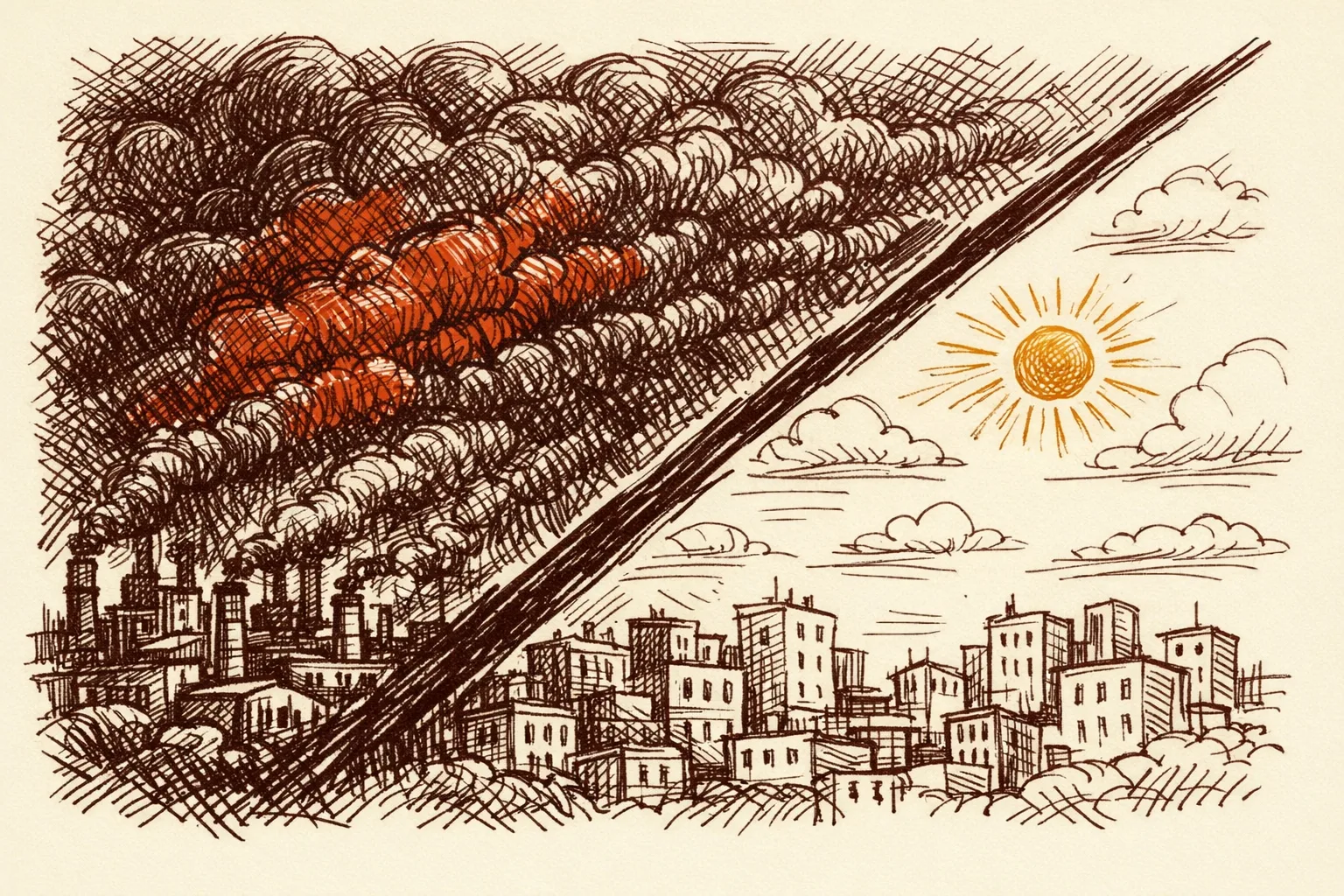
China ਨੇ ਇਹ ਕਿਵੇਂ ਠੀਕ ਕੀਤਾ - ਅਤੇ India ਕੀ ਸਿੱਖ ਸਕਦਾ ਹੈ
2013 ਵਿੱਚ, Beijing ਦਾ PM2.5 ਪੱਧਰ 101.56 ਮਾਈਕ੍ਰੋਗ੍ਰਾਮ ਪ੍ਰਤੀ ਕਿਊਬਿਕ ਮੀਟਰ ਤੱਕ ਪਹੁੰਚ ਗਿਆ ਸੀ। ਇਹ ਲਗਭਗ ਉਹੀ ਥਾਂ ਹੈ ਜਿੱਥੇ Delhi ਅੱਜ ਖੜ੍ਹੀ ਹੈ। ਲੋਕਾਂ ਦਾ ਗੁੱਸਾ ਹੱਦੋਂ ਵੱਧ ਗਿਆ ਸੀ।
2014 ਵਿੱਚ, Premier Li Keqiang ਨੇ China ਦੀ National People's Congress ਵਿੱਚ ਪ੍ਰਦੂਸ਼ਣ ਖਿਲਾਫ਼ ਬਾਕਾਇਦਾ ਜੰਗ ਦਾ ਐਲਾਨ ਕੀਤਾ। ਇਹ ਨੀਤੀ ਪੱਕੀ ਸੀ, ਜਿਸ ਵਿੱਚ ਖਾਸ ਟੀਚੇ, ਕਾਨੂੰਨੀ ਸਜ਼ਾਵਾਂ, ਅਤੇ ਇੱਕ ਅਜਿਹਾ ਤਰੀਕਾ ਸੀ ਜੋ ਸਰਕਾਰੀ ਅਧਿਕਾਰੀਆਂ ਦੀ ਤਰੱਕੀ ਨੂੰ ਪ੍ਰਦੂਸ਼ਣ ਦੇ ਨਤੀਜਿਆਂ ਨਾਲ ਜੋੜਦਾ ਸੀ।
University of Chicago ਦੇ Energy Policy Institute ਮੁਤਾਬਕ, China ਨੇ 2014 ਤੋਂ 2023 ਦੇ ਵਿਚਕਾਰ ਰਾਸ਼ਟਰੀ PM2.5 ਵਿੱਚ 40.8% ਦੀ ਕਮੀ ਕੀਤੀ। Beijing ਨੇ ਖਾਸ ਤੌਰ 'ਤੇ ਦਸ ਸਾਲਾਂ ਵਿੱਚ ਪ੍ਰਦੂਸ਼ਣ 55.2% ਘਟਾਇਆ। 2014 ਤੋਂ ਬਾਅਦ ਦੁਨੀਆ ਭਰ ਵਿੱਚ ਹਵਾ ਪ੍ਰਦੂਸ਼ਣ ਵਿੱਚ ਜੋ ਵੀ ਕਮੀ ਆਈ ਹੈ, ਉਹ ਸਾਰੀ China ਦੀਆਂ ਕੋਸ਼ਿਸ਼ਾਂ ਕਰਕੇ ਹੈ।
ਇਸ ਤਰੀਕੇ ਦੇ ਤਿੰਨ ਹਿੱਸੇ ਸਨ ਜੋ India ਹੁਣ ਅਪਣਾ ਸਕਦਾ ਹੈ। ਪਹਿਲਾ, China ਨੇ ਪੱਕੇ PM2.5 ਟੀਚੇ ਤੈਅ ਕੀਤੇ ਜੋ ਖੇਤਰੀ ਗਵਰਨਰਾਂ ਦੀ ਤਰੱਕੀ ਨਾਲ ਜੁੜੇ ਹੋਏ ਸਨ। ਦੂਜਾ, China ਨੇ ਸਿਰਫ਼ Beijing ਵਿੱਚ 1,000 ਤੋਂ ਵੱਧ PM2.5 ਸੈਂਸਰ ਲਗਾਏ, ਨਾਲੇ ਸੈਟੇਲਾਈਟ ਅਤੇ ਲੇਜ਼ਰ ਰਾਡਾਰ ਦਾ ਜਾਲ ਵਿਛਾਇਆ। ਤੀਜਾ, ਪ੍ਰਦੂਸ਼ਿਤ ਇਲਾਕਿਆਂ ਵਿੱਚ ਰਿਹਾਇਸ਼ੀ ਖੇਤਰਾਂ ਵਿੱਚ ਕੋਲੇ 'ਤੇ ਪਾਬੰਦੀ ਸਖ਼ਤੀ ਨਾਲ ਲਾਗੂ ਕੀਤੀ ਗਈ।
India ਦਾ National Clean Air Programme ਸਿਰਫ਼ ਸਲਾਹਾਂ ਵਾਲਾ ਹੈ, ਯਾਨੀ ਜੋ ਸ਼ਹਿਰ ਟੀਚੇ ਖੁੰਝਾਉਂਦੇ ਹਨ ਉਨ੍ਹਾਂ ਨੂੰ ਕੋਈ ਸਜ਼ਾ ਨਹੀਂ, ਅਤੇ ਜੋ ਅਧਿਕਾਰੀ ਟੀਚੇ ਪੂਰੇ ਨਹੀਂ ਕਰਦੇ ਉਨ੍ਹਾਂ ਦਾ ਕੁਝ ਨਹੀਂ ਵਿਗੜਦਾ। ਇਸਨੂੰ ਪੱਕਾ ਕਰਨਾ ਹੀ ਉਹ ਬਦਲਾਅ ਹੈ ਜੋ ਬਾਕੀ ਸਭ ਕੁਝ ਖੋਲ੍ਹ ਦਿੰਦਾ ਹੈ।
ਕਿਸਨੂੰ ਕਦਮ ਚੁੱਕਣਾ ਚਾਹੀਦਾ ਹੈ
India ਦੀ Ministry of Environment, Forest and Climate Change ਨੈਸ਼ਨਲ ਕਲੀਨ ਏਅਰ ਪ੍ਰੋਗਰਾਮ, ਹਵਾ ਗੁਣਵੱਤਾ ਦੇ ਮਿਆਰ, ਅਤੇ ਬਿਜਲੀ ਘਰਾਂ ਦੇ ਨਿਕਾਸ ਨਿਯਮ ਚਲਾਉਂਦੀ ਹੈ। ਦਸੰਬਰ ਵਿੱਚ, ਵਾਤਾਵਰਣ ਦੇ ਰਾਜ ਮੰਤਰੀ ਨੇ ਸੰਸਦ ਨੂੰ ਦੱਸਿਆ ਕਿ ਦੁਨੀਆ ਭਰ ਦੀਆਂ ਪ੍ਰਦੂਸ਼ਣ ਰੈਂਕਿੰਗਾਂ ਕਿਸੇ ਅਧਿਕਾਰਤ ਸੰਸਥਾ ਵੱਲੋਂ ਨਹੀਂ ਕੀਤੀਆਂ ਜਾਂਦੀਆਂ, ਕਿ ਕੋਈ ਰਾਸ਼ਟਰੀ ਡੇਟਾ ਨਹੀਂ ਹੈ ਜੋ ਮੌਤਾਂ ਅਤੇ ਹਵਾ ਪ੍ਰਦੂਸ਼ਣ ਵਿਚਕਾਰ ਸਿੱਧਾ ਸੰਬੰਧ ਸਾਬਤ ਕਰੇ, ਅਤੇ WHO ਦੇ ਦਿਸ਼ਾ-ਨਿਰਦੇਸ਼ ਸਿਰਫ਼ ਸਲਾਹਕਾਰੀ ਹਨ। Yale ਅਤੇ Columbia ਯੂਨੀਵਰਸਿਟੀਆਂ ਨੇ ਇਸ ਮੰਤਰਾਲੇ ਨੂੰ ਆਪਣੇ Environmental Performance Index ਵਿੱਚ 180 ਦੇਸ਼ਾਂ ਵਿੱਚੋਂ 176ਵੇਂ ਨੰਬਰ 'ਤੇ ਰੱਖਿਆ। ਸੰਸਦ ਦੀ ਆਪਣੀ ਸਥਾਈ ਕਮੇਟੀ ਨੇ ਮੰਤਰਾਲੇ ਨੂੰ India ਦੇ ਹਵਾ ਗੁਣਵੱਤਾ ਮਿਆਰਾਂ ਨੂੰ ਅਪਡੇਟ ਕਰਨ ਲਈ ਕਿਹਾ। ਉਹ ਮਿਆਰ ਅੱਜ ਤੱਕ ਅਪਡੇਟ ਨਹੀਂ ਹੋਏ। ਸਭ ਤੋਂ ਤਾਜ਼ੇ ਰਾਸ਼ਟਰੀ ਬਜਟ ਵਿੱਚ, ਪ੍ਰਦੂਸ਼ਣ ਕੰਟਰੋਲ ਦਾ ਫੰਡ ਪਿਛਲੇ ਸਾਲ ਦੇ ਮੁਕਾਬਲੇ 209 ਕਰੋੜ ਰੁਪਏ ਘਟਾ ਦਿੱਤਾ ਗਿਆ। ਇਹੀ ਉਹ ਖਾਸ ਕਮੀਆਂ ਹਨ ਜੋ ਦੂਰ ਹੋਣੀਆਂ ਚਾਹੀਦੀਆਂ ਹਨ।
ਸੂਬਾ ਪੱਧਰ 'ਤੇ ਜਵਾਬਦੇਹੀ ਵੀ ਜ਼ਰੂਰੀ ਹੈ। Punjab ਅਤੇ Haryana - ਜਿੱਥੇ ਨਾੜ ਸਾੜਨ ਦੇ ਸਭ ਤੋਂ ਵੱਧ ਮੌਸਮਾਂ ਦੌਰਾਨ ਕ੍ਰਮਵਾਰ Congress ਅਤੇ AAP ਦੀਆਂ ਸਰਕਾਰਾਂ ਸਨ - ਕੇਂਦਰ ਵੱਲੋਂ ਸਬਸਿਡੀਆਂ ਮਿਲਣ ਦੇ ਬਾਵਜੂਦ ਖੇਤਾਂ ਵਿੱਚ ਅੱਗ ਲਾਉਣ 'ਤੇ ਪਾਬੰਦੀ ਲਾਗੂ ਕਰਨ ਵਿੱਚ ਵਾਰ-ਵਾਰ ਅਸਫਲ ਰਹੇ ਹਨ। AAP ਦੀ ਅਗਵਾਈ ਵਾਲੀ Delhi ਨੇ ਆਪਣੇ ਕਲੀਨ ਏਅਰ ਫੰਡ ਦਾ ਸਿਰਫ਼ 17% ਹੀ ਖਰਚ ਕੀਤਾ ਹੈ। Uttar Pradesh ਵਿੱਚ, ਇਸ ਦੇ ਉਲਟ, Yogi Adityanath ਦੀ ਸਰਕਾਰ ਨੇ ਆਪਣੇ ਪੂਰਵਜ ਨਾਲੋਂ ਵੱਧ ਸਖ਼ਤੀ ਨਾਲ ਉਦਯੋਗਿਕ ਨਿਯਮਾਂ ਦੀ ਪਾਲਣਾ ਕਰਵਾਈ ਹੈ - ਪਰ ਸਾਰੇ ਉੱਤਰੀ ਸੂਬਿਆਂ ਵਿੱਚ ਬਿਜਲੀ ਘਰਾਂ ਦੇ ਮਿਆਰਾਂ ਦੀ ਲਾਗੂਕਾਰੀ ਵਿੱਚ ਸੁਧਾਰ ਹੋਣਾ ਜ਼ਰੂਰੀ ਹੈ।
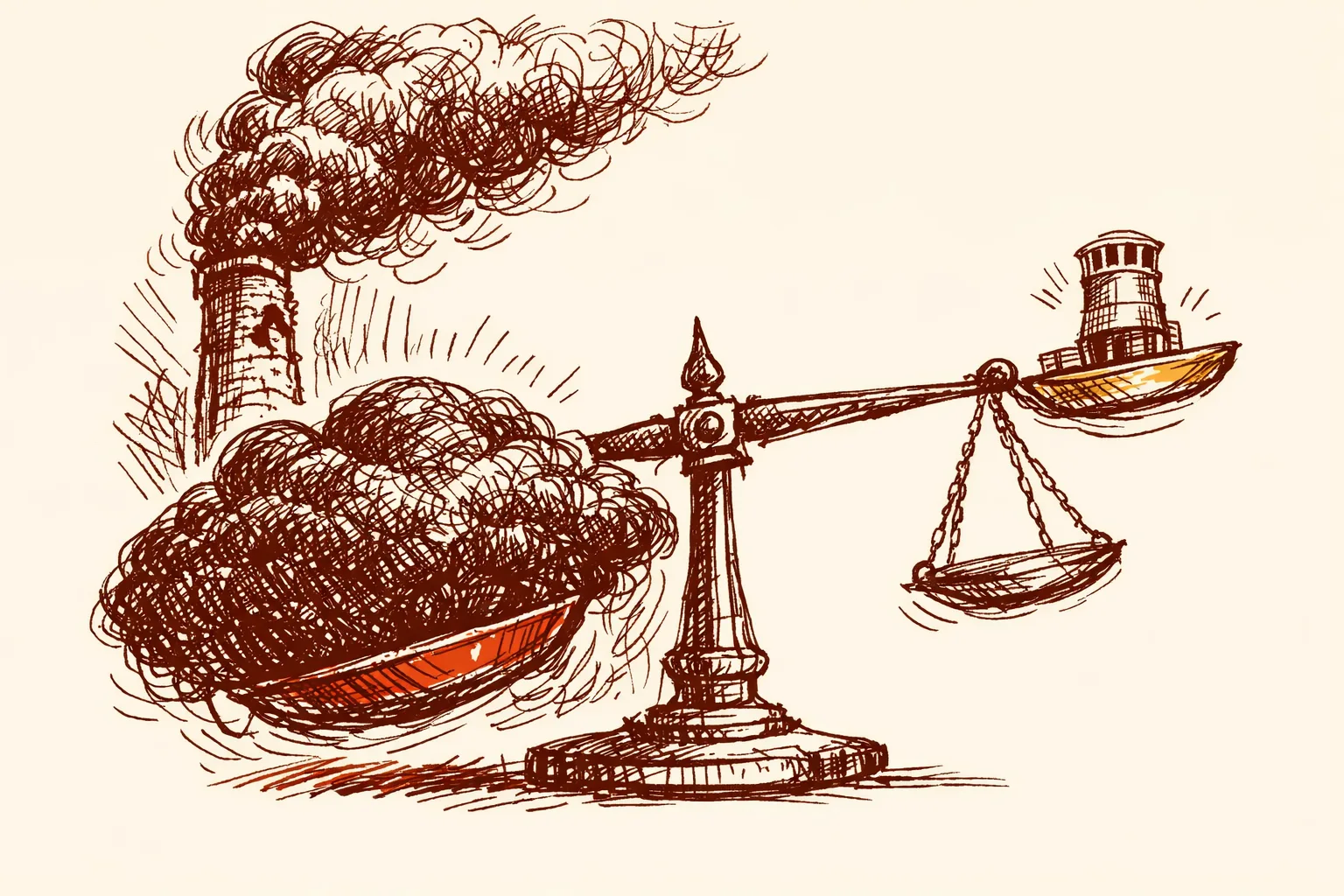
ਇਹ ਠੀਕ ਕਰਨ ਦੀ ਕੀਮਤ ਕਿੰਨੀ ਹੈ - ਅਤੇ ਨਾ ਕਰਨ ਦੀ ਕੀਮਤ ਕਿੰਨੀ
Clean Air Fund ਅਤੇ ਕੰਸਲਟਿੰਗ ਫਰਮ Dalberg ਦਾ ਅੰਦਾਜ਼ਾ ਹੈ ਕਿ ਨਿਸ਼ਾਨੇਬੱਧ ਕਲੀਨ ਏਅਰ ਦਖਲਅੰਦਾਜ਼ੀਆਂ ਨਾਲ India ਲਈ $200 ਬਿਲੀਅਨ ਤੋਂ ਵੱਧ ਦੇ ਆਰਥਿਕ ਮੌਕੇ ਖੁੱਲ੍ਹ ਸਕਦੇ ਹਨ। ਹਵਾ ਸਾਫ਼ ਕਰਨ ਦੀ ਲਾਗਤ, ਗੰਦੀ ਹਵਾ ਜੋ ਹਰ ਸਾਲ ਨੁਕਸਾਨ ਕਰ ਰਹੀ ਹੈ ਉਸ ਦੇ 2% ਤੋਂ ਵੀ ਘੱਟ ਹੈ।
World Bank ਦਾ ਅੰਦਾਜ਼ਾ ਹੈ ਕਿ ਜੇ India ਨੇ ਪਿਛਲੇ 25 ਸਾਲਾਂ ਵਿੱਚ ਪ੍ਰਦੂਸ਼ਣ ਅੱਧਾ ਕਰ ਲਿਆ ਹੁੰਦਾ ਤਾਂ GDP 4.5% ਵੱਧ ਹੁੰਦੀ। ਇਹ ਉਹ ਪੈਸਾ ਹੈ ਜੋ Congress ਵਾਲੇ ਜ਼ਮਾਨੇ ਵਿੱਚ ਦਹਾਕਿਆਂ ਦੀ ਅਣਗਹਿਲੀ ਕਾਰਨ ਪਹਿਲਾਂ ਹੀ ਗੁਆਚ ਚੁੱਕਾ ਹੈ।
ਬਿਜਲੀ ਘਰਾਂ ਲਈ ਲੋੜੀਂਦੀ ਪ੍ਰਦੂਸ਼ਣ-ਫਿਲਟਰਿੰਗ ਤਕਨਾਲੋਜੀ ਦੀ ਦੁਨੀਆ ਭਰ ਵਿੱਚ ਸਪਲਾਈ ਚੇਨ ਚੰਗੀ ਤਰ੍ਹਾਂ ਸਥਾਪਿਤ ਹੈ ਕਿਉਂਕਿ ਪੱਛਮ ਅਤੇ China ਵਿੱਚ ਇਹ ਲਾਜ਼ਮੀ ਹੈ। ਇਹ ਇੱਕ ਵਾਰ ਦਾ ਪੂੰਜੀਗਤ ਖਰਚਾ ਹੈ। ਕੁਝ ਨਾ ਕਰਨ ਦੀ ਕੀਮਤ ਹੈ ਸਿਰਫ਼ ਕੋਲੇ ਵਾਲੇ ਬਿਜਲੀ ਘਰਾਂ ਤੋਂ ਹਰ ਸਾਲ 394,000 ਮੌਤਾਂ।
ਚਾਰ ਕਦਮ ਜੋ ਹੱਲ ਨੂੰ ਤੇਜ਼ ਕਰਨਗੇ
ਖੋਜ ਚਾਰ ਖਾਸ ਬਦਲਾਅ ਵੱਲ ਇਸ਼ਾਰਾ ਕਰਦੀ ਹੈ। ਹਰ ਇੱਕ ਕਿਸੇ ਹੋਰ ਦੇਸ਼ ਵਿੱਚ ਪਹਿਲਾਂ ਹੀ ਸਾਬਿਤ ਹੋ ਚੁੱਕਾ ਹੈ। ਕੋਈ ਨਵਾਂ ਸਿਸਟਮ ਬਣਾਉਣ ਦੀ ਲੋੜ ਨਹੀਂ।
ਪਹਿਲਾ, National Clean Air Programme ਦੇ ਟੀਚਿਆਂ ਨੂੰ ਲਾਜ਼ਮੀ ਕਰੋ। ਜਿਹੜੇ ਸ਼ਹਿਰ PM2.5 ਦੇ ਟੀਚੇ ਪੂਰੇ ਨਹੀਂ ਕਰਦੇ, ਉਹਨਾਂ ਦੀ ਕੇਂਦਰੀ ਫੰਡਿੰਗ ਬੰਦ ਕਰੋ। ਪ੍ਰੋਗਰਾਮ ਪਹਿਲਾਂ ਤੋਂ ਮੌਜੂਦ ਹੈ। ਬੱਸ ਨਤੀਜੇ ਦਾ ਕੋਈ ਡਰ ਨਹੀਂ।
ਦੂਜਾ, ਪੈਸੇ ਵੰਡਣ ਦਾ ਤਰੀਕਾ ਠੀਕ ਕਰੋ। ਸਾਫ਼ ਹਵਾ ਦੇ 67% ਫੰਡ ਸੜਕਾਂ ਦੀ ਧੂੜ ਉੱਤੇ ਖਰਚ ਹੋ ਰਹੇ ਨੇ - ਇਹ ਤਰਜੀਹਾਂ ਦੀ ਗੜਬੜੀ ਹੈ। PM2.5 ਅਸਲ ਵਿੱਚ ਬਲਣ ਤੋਂ ਆਉਂਦਾ ਹੈ - ਗੱਡੀਆਂ, ਫੈਕਟਰੀਆਂ, ਬਿਜਲੀ ਪਲਾਂਟਾਂ ਤੋਂ। ਪੈਸਾ ਉੱਥੇ ਜਾਣਾ ਚਾਹੀਦਾ ਹੈ।
ਤੀਜਾ, ਬਿਜਲੀ ਪਲਾਂਟਾਂ ਦੀ ਡੈੱਡਲਾਈਨ ਲਾਗੂ ਕਰੋ ਅਤੇ ਵਾਰ-ਵਾਰ ਵਧਾਉਣੀ ਬੰਦ ਕਰੋ। ਲਗਭਗ ਦਸ ਸਾਲਾਂ ਦੀਆਂ ਮੋਹਲਤਾਂ ਤੋਂ ਬਾਅਦ 600 ਵਿੱਚੋਂ ਸਿਰਫ਼ 44 ਪਲਾਂਟਾਂ ਨੇ ਲੋੜੀਂਦਾ ਉਪਕਰਣ ਲਾਇਆ ਹੈ। ਤਕਨਾਲੋਜੀ ਮੌਜੂਦ ਹੈ। ਡੈੱਡਲਾਈਨ ਪੱਕੀ ਰਹਿਣੀ ਚਾਹੀਦੀ ਹੈ।
ਚੌਥਾ, Indo-Gangetic Plain ਲਈ ਇੱਕ ਸਾਂਝਾ ਹਵਾ ਪ੍ਰਬੰਧਨ ਅਦਾਰਾ ਬਣਾਓ - ਉੱਤਰੀ India ਦੀ ਉਹ ਸਮਤਲ ਪੱਟੀ ਜੋ Punjab, Haryana, Delhi, Uttar Pradesh, Bihar, ਅਤੇ West Bengal ਵਿੱਚੋਂ ਲੰਘਦੀ ਹੈ, ਜਿੱਥੇ 544 ਕਰੋੜ ਲੋਕ ਰਹਿੰਦੇ ਨੇ। ਕਿਸੇ ਵੀ ਸ਼ਹਿਰ ਦੀ ਅੱਧੀ ਤੋਂ ਵੱਧ ਪ੍ਰਦੂਸ਼ਣ ਉਸਦੀਆਂ ਆਪਣੀਆਂ ਸਰਹੱਦਾਂ ਤੋਂ ਬਾਹਰੋਂ ਆਉਂਦੀ ਹੈ। World Bank ਪਹਿਲਾਂ ਤੋਂ ਇਸ ਇਲਾਕੇ ਲਈ India ਦਾ ਪਹਿਲਾ Regional Airshed Action Plan ਤਿਆਰ ਕਰ ਰਿਹਾ ਹੈ। ਸਰਕਾਰ ਨੂੰ ਇਸਨੂੰ ਅਪਣਾਉਣਾ ਚਾਹੀਦਾ ਹੈ।
Kritika Berman ਦੇਵ ਭੂਮੀ, ਚੰਬਾ, ਹਿਮਾਚਲ ਪ੍ਰਦੇਸ਼ ਤੋਂ ਹੈ। ਉਹ ਭਾਰਤੀ ਬੁਨਿਆਦੀ ਢਾਂਚੇ, ਨੌਕਰਸ਼ਾਹੀ ਅਤੇ ਸੰਸਥਾਵਾਂ ਨੂੰ ਸਿੱਧੇ ਤਜ਼ਰਬੇ ਨਾਲ ਜਾਣਦੀ ਹੈ। ਉਸਨੇ strongerindia.org ਦੀ ਸਥਾਪਨਾ ਕੀਤੀ ਤਾਂ ਜੋ ਉਨ੍ਹਾਂ ਸਮੱਸਿਆਵਾਂ ਦੇ ਖੋਜ-ਅਧਾਰਿਤ ਹੱਲ ਇਕੱਠੇ ਕੀਤੇ ਜਾ ਸਕਣ ਜੋ ਉਸਨੇ ਪੂਰੀ ਜ਼ਿੰਦਗੀ ਦੇਖੀਆਂ ਹਨ।