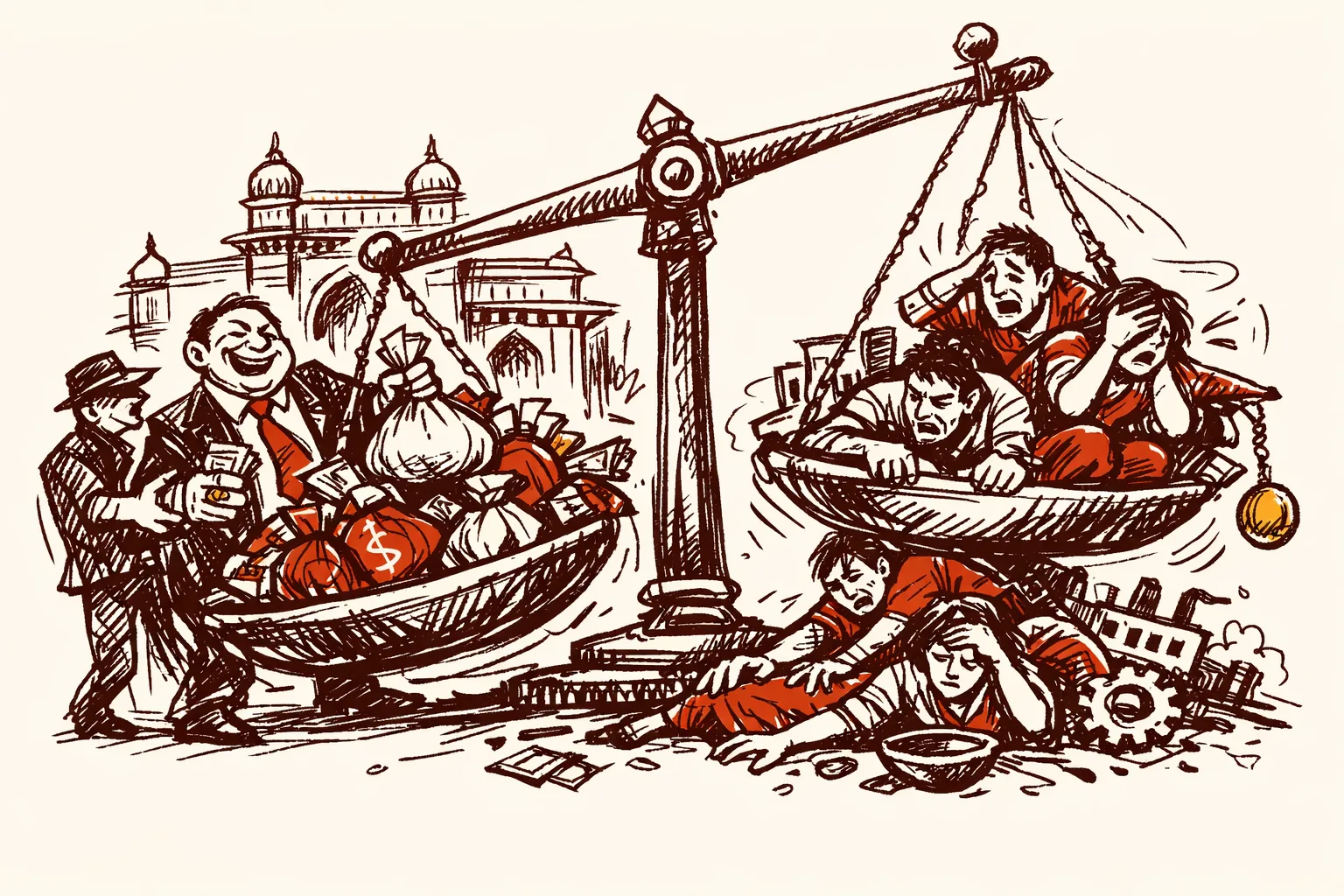
What You See Every Day
Ask a small business owner in Bengaluru what slows them down. They will not say taxes. They will say inspectors, permit offices, police checkpoints. According to a World Bank study, about 60 percent of forced stoppages of trucks on Indian roads by government officials are about extracting money - not enforcing the law. The World Bank found that travel time for a Delhi-to-Mumbai truck trip could be cut by two full days if those corrupt stoppages were removed. That is two days of lost productivity, every trip, on every route, across the whole country.
Corruption is a legacy drag on every person who runs a business, files a document, or registers a property. It is also a problem India now has the tools to eliminate.
The Scale of the Challenge
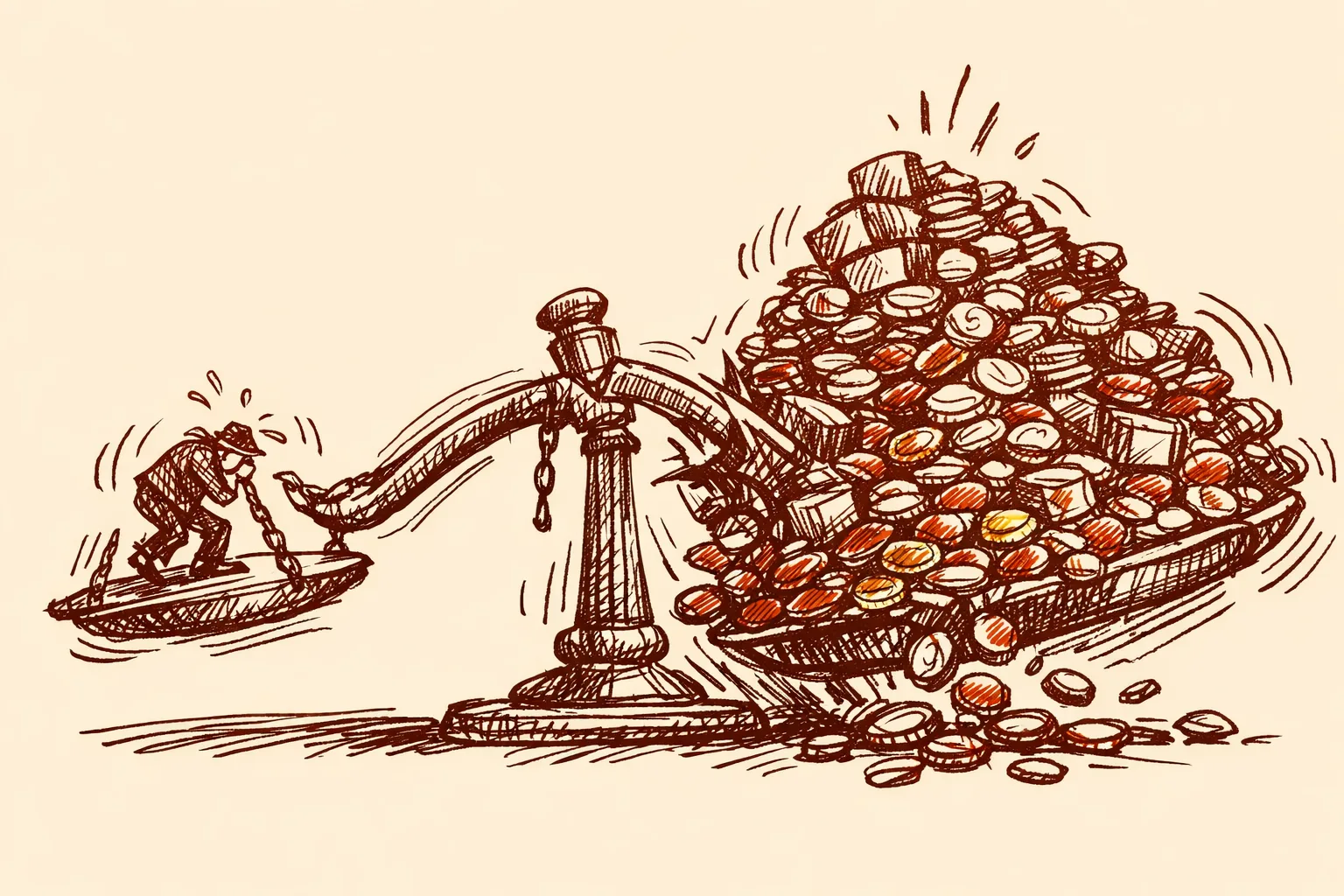
According to Transparency International, India scored 39 out of 100 on the Corruption Perceptions Index, ranking 91st out of 182 countries. A score of 0 means extremely corrupt. A score of 100 means very clean. India's score of 39 puts it below the global average of 43.
India's score has moved only slightly over the past decade, fluctuating between 38 and 41. India is now one of the world's fastest-growing large economies. Closing this gap between economic momentum and governance quality is the next frontier.
Research cited by Fin Skeptics puts direct GDP losses from corruption at around 0.5 percent annually. Total losses including indirect effects are estimated between 1 and 1.5 percent of GDP. For an economy India's size, that is tens of billions of dollars every year. That money should be building roads and funding schools. Finishing the anti-corruption job is an economic imperative.
The World Economic Forum identifies corruption as one of the top three most difficult problems for companies doing business in India. When a foreign company decides where to build a factory - India or Vietnam or Mexico - corruption raises the cost of every decision. India's rising global stature demands a governance score that matches its GDP ambition.
Why This Persists - A Legacy Problem
An IMF study by economist Vito Tanzi found that the main drivers of corruption in India include excessive regulations, complicated licensing systems, lack of competition in government-controlled markets, and weak penalties for officials who take bribes. These structures were built up across decades of Congress-era governance and have proven stubborn to dismantle.
India has over 26,000 provisions in business regulations that can result in imprisonment. A single pharmaceutical startup must work through nearly 1,000 compliance obligations. Nearly half of those carry potential criminal liability. That complexity - accumulated over generations - creates the need for a fixer. The Modi government has worked to reduce regulatory burden, but the inherited stack is enormous.
A Transparency International India survey found that 51 percent of citizens had paid a bribe, directly or indirectly, to access government services. Property registration was the single most corrupt service. Twenty-six percent of respondents said bribes were required to register land or property. These are legacy pressure points that digitization is now targeting.
What the Modi Government Has Already Done
India has not sat still. The current government has put real tools on the table - and some of them are already working.
The Lokpal Act (brought into force under BJP governance) - India's parliament passed a law creating the Lokpal, an independent anti-corruption body designed to investigate senior officials, ministers, and members of parliament. The idea had been debated since 1968 and introduced as a bill ten separate times before it finally passed under Congress in 2013 - and then sat dormant. The BJP government appointed India's first Lokpal in 2019, finally activating the body.
Progress since then has been slow. Out of 8,703 complaints received, only 24 were converted to formal investigations. Zero public servants have been prosecuted under the Lokpal Act. The Lokpal's inquiry and prosecution wings need stronger staffing and genuine independence to fulfil their mandate.
The structural gap is clear. The Lokpal's investigation wing depends on a government-controlled body. Singapore's equivalent body reports directly to the President - so the Prime Minister cannot block investigations against ministers. Rebuilding the Lokpal toward that standard is the obvious next step.
Direct Benefit Transfer - A Proven Win - This program sends welfare payments directly into the bank accounts of recipients, bypassing middlemen. It uses the JAM system - Jan Dhan bank accounts, Aadhaar biometric identity cards, and mobile phones - all built and scaled under Modi-era Digital India.
This worked decisively. India's public food distribution system had a leakage rate of 46.7 percent as recently as 2011 under UPA governance. That means nearly half the money meant for poor people was being stolen before it arrived. Transfers through Jan Dhan accounts led to savings of 2.7 lakh crore rupees. It worked because it removed the human being from the transaction. There is no inspector, no middleman, and nothing left to extract.
The Right to Information Act (passed in 2005) - This law gave Indian citizens the right to request documents from government agencies. It became one of the most widely used transparency tools in the country. Enforcement has been inconsistent, with information commissioners regularly appointed late and positions sitting vacant for months at a time. Fixing the appointment pipeline is an administrative step, not a resource problem.
How Other Countries Fixed This
Singapore - One Agency With Real Power
Singapore was a deeply corrupt city in the 1950s. Today it scores 84 out of 100 on the Transparency International index and has ranked in the global top five for decades.
Singapore created the Corrupt Practices Investigation Bureau - a single agency placed directly under the President's authority, with the power to investigate anyone, including the Prime Minister. The law covers both the person who takes a bribe and the person who gives one, across public and private sectors equally. When a conviction happens, all money gained from the corrupt act is confiscated.
If the Prime Minister refuses to allow an investigation, the head of the Bureau reports directly to the President. The investigators cannot be blocked by the people they investigate.
Georgia - Break the Cycle Fast
In 2003, Georgia was ranked among the most corrupt nations in its area. After a change of government, the new leadership fired the entire traffic police force - all of them, at once. A new force was hired, paid significantly higher salaries, and held to a strict code of conduct. State revenue collection increased several times over as a direct result. Transparency International named Georgia the best corruption-buster in the world in 2010.
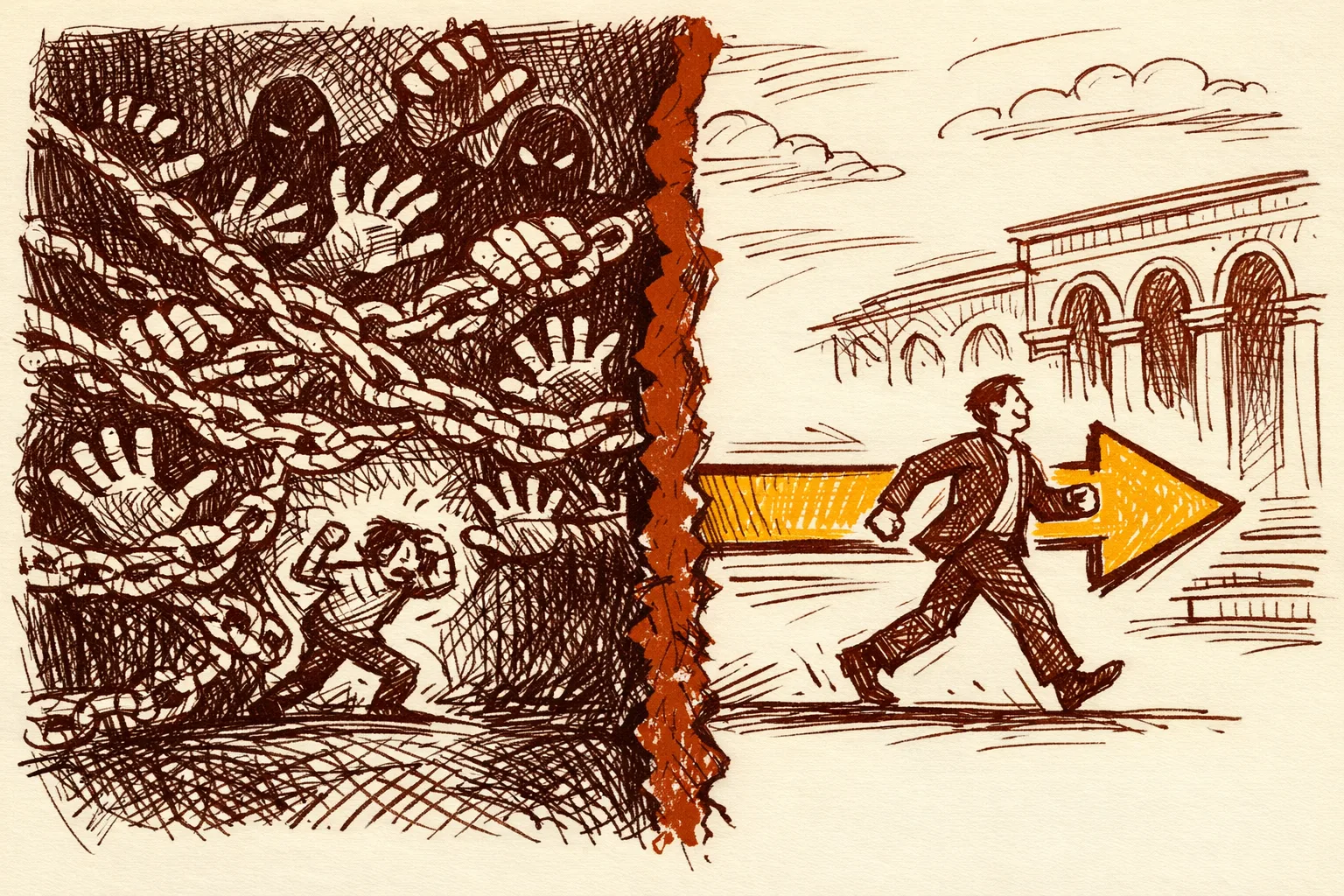
The lesson is that corruption is not permanent. It can be broken quickly when the people in charge decide to break it. India has already proved this with DBT. The model needs to be extended.
Who Is Accountable
The Ministry of Personnel, Public Grievances and Pensions controls civil service conduct and discipline. The Central Vigilance Commission oversees anti-corruption enforcement across the central government. The Lokpal has jurisdiction over ministers and senior officials but has produced zero prosecutions. All three bodies exist. The task now is to fully empower them - with timely appointments, independent investigative staff, and measurable targets.
In opposition-governed states, the picture is often worse. AAP's governance of Delhi has left a poor record on everyday bribery in permit offices and police dealings. Congress-governed and Left-governed states continue to show weaker digitization and higher reported bribery in property registration. The central government cannot do this alone - but it can make funding conditional on results.
What Would It Cost
DBT transfers saved 2.7 lakh crore rupees by eliminating fake beneficiaries and removing middlemen. The savings across 317 schemes and 53 ministries are estimated at 1.14 percent of GDP. Expanding digitization requires upfront investment in digital infrastructure, especially in states where internet and banking access is still limited. The investment to finish the job is a fraction of what the country loses by leaving it incomplete.
Fully staffing the Lokpal - including hiring its Director of Inquiry and Director of Prosecution, positions left vacant for years - would cost a small fraction of any government budget. The problem is not money. It is appointments that keep being delayed.

The Next Steps That Will Move the Needle
Every government service that still requires a physical visit, a manual signature, or an in-person approval is a corruption opportunity. India's central government has built the digital tools through Digital India. States have not been required to use them. Making full digitization of state-level business approvals a condition for receiving central government funding would change that fast.
The Lokpal needs to be rebuilt closer to the Singapore model - an independent investigative body with the power to initiate its own investigations without waiting for a complaint, appointments that happen on schedule, and investigators who cannot be blocked by the people they investigate.
Georgia's approach points to something India could apply in high-corruption departments - mandatory requalification exams for officials in departments known for high bribery rates, combined with real-time monitoring of complaint patterns by district and department.
Property registration is the most bribe-prone service in the country. India already has a digitized land records program. The gap is in the last step - where a human official still has discretion to delay or approve. Removing that discretion on that specific transaction would produce a measurable reduction in bribery without requiring any new law. The tools are built. The finish line is close.