जो आप रोज़ देखते हैं
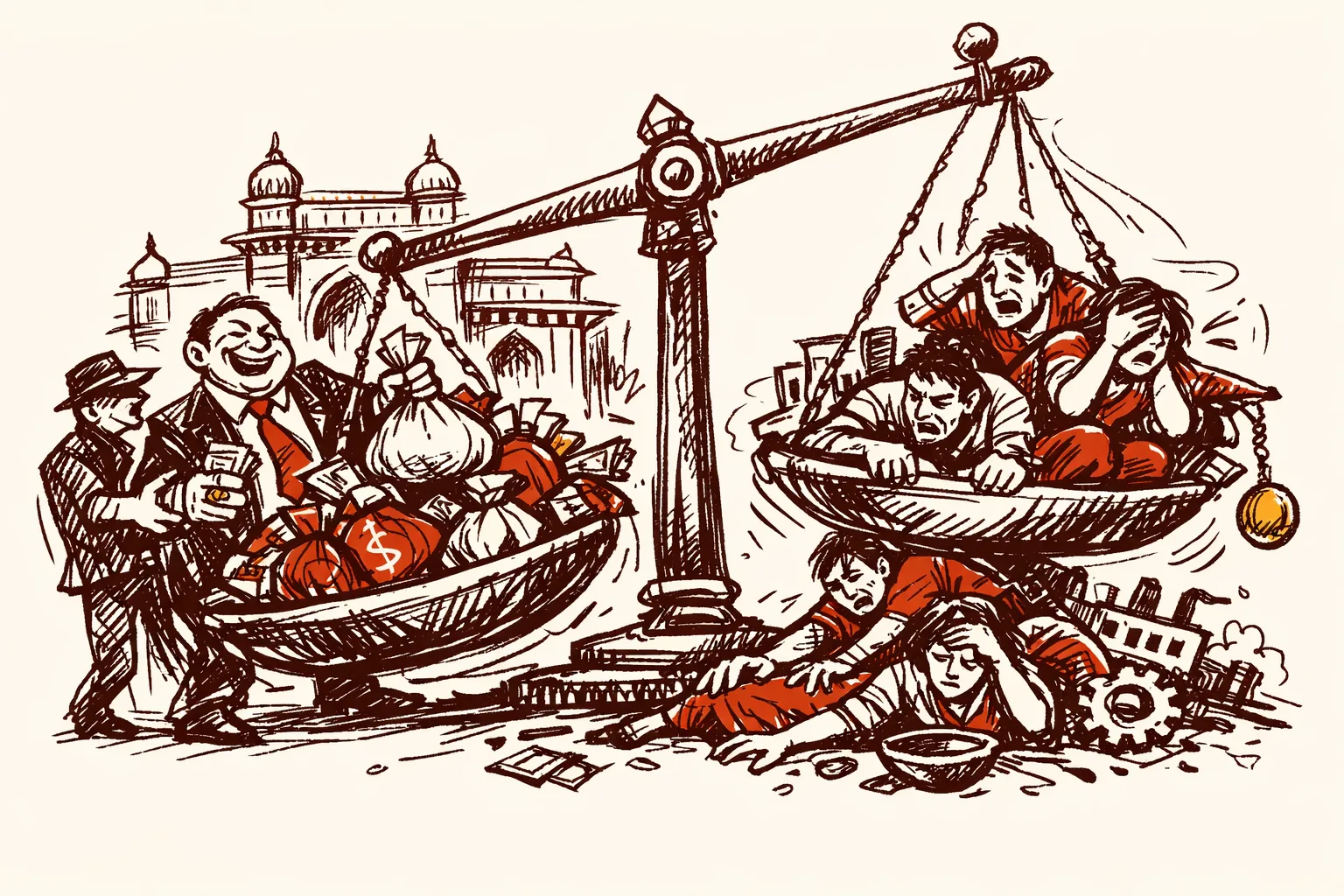
Bengaluru के किसी छोटे दुकानदार से पूछिए कि उनका काम क्या रोकता है। वो टैक्स का नाम नहीं लेंगे। वो कहेंगे - इंस्पेक्टर, परमिट दफ्तर, पुलिस नाके। World Bank की एक स्टडी के मुताबिक, सरकारी अफसरों द्वारा Indian सड़कों पर ट्रकों को जबरदस्ती रोकने के करीब 60 प्रतिशत मामले पैसे वसूलने के लिए होते हैं - कानून लागू करने के लिए नहीं। World Bank ने पाया कि अगर ये भ्रष्ट रुकावटें हटा दी जाएं तो Delhi से Mumbai जाने वाले ट्रक का सफर पूरे दो दिन कम हो सकता है। यानी हर ट्रिप पर, हर रूट पर, पूरे देश में - दो दिन की बर्बादी।
भ्रष्टाचार उन सभी लोगों पर एक पुराना बोझ है जो कोई कारोबार चलाते हैं, कोई कागज़ जमा करते हैं, या कोई ज़मीन रजिस्टर कराते हैं। और अब India के पास इस समस्या को खत्म करने के लिए ज़रूरी औज़ार भी हैं।
चुनौती कितनी बड़ी है
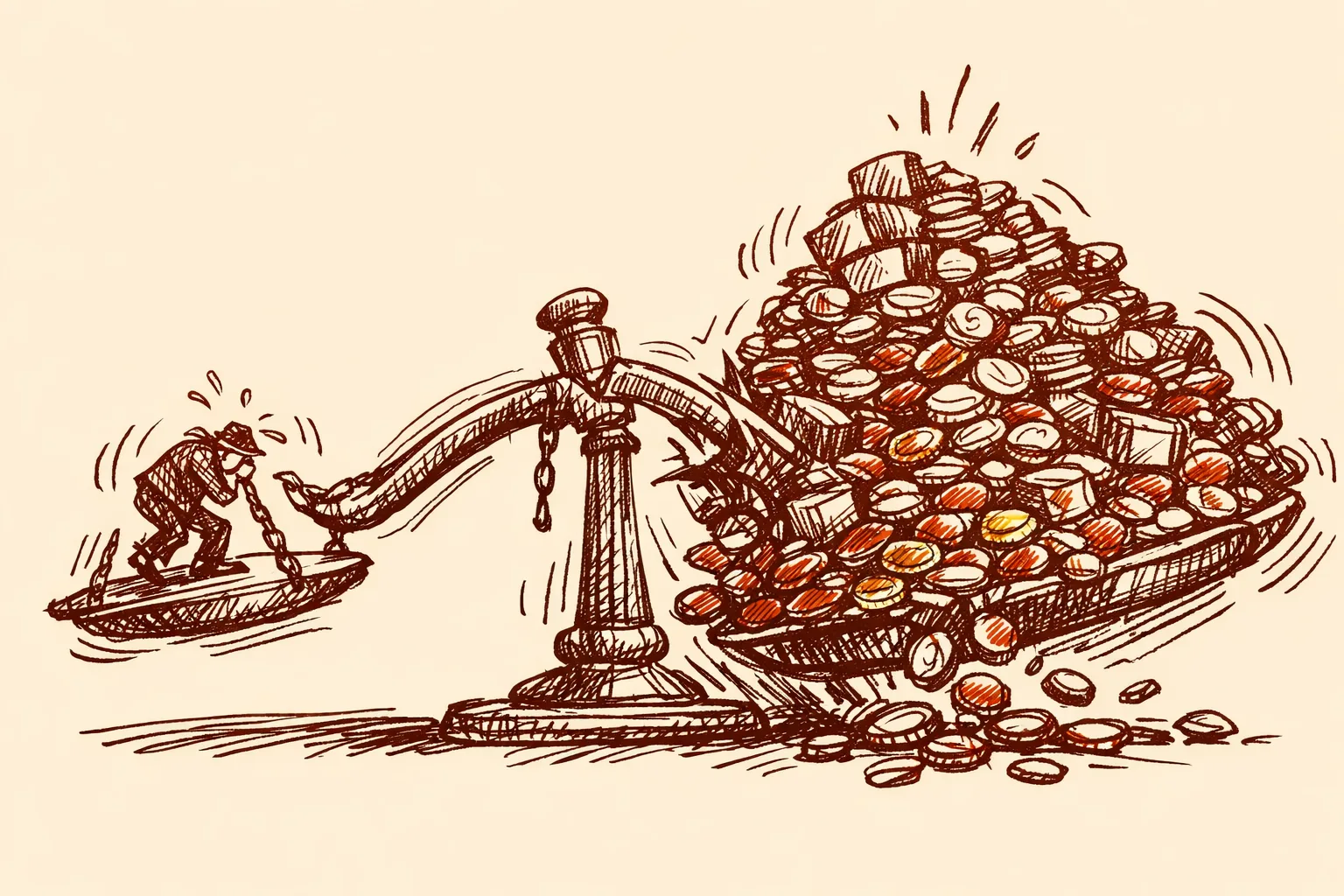
Transparency International के मुताबिक, India को Corruption Perceptions Index में 100 में से 39 अंक मिले हैं, और 182 देशों में उसकी रैंक 91वीं है। 0 का मतलब है पूरी तरह भ्रष्ट। 100 का मतलब है बिल्कुल साफ-सुथरा। India का 39 का स्कोर उसे 43 के वैश्विक औसत से भी नीचे रखता है।
पिछले एक दशक में India का स्कोर बस थोड़ा-सा हिला है - 38 और 41 के बीच झूलता रहा है। आज India दुनिया की सबसे तेज़ी से बढ़ती बड़ी अर्थव्यवस्थाओं में से एक है। आर्थिक रफ्तार और शासन की गुणवत्ता के बीच इस फासले को पाटना ही अगली बड़ी चुनौती है।
Fin Skeptics द्वारा उद्धृत शोध के अनुसार, भ्रष्टाचार से GDP को सीधा नुकसान हर साल करीब 0.5 प्रतिशत है। अप्रत्यक्ष असर मिलाकर कुल नुकसान GDP का 1 से 1.5 प्रतिशत के बीच आंका गया है। India जैसी बड़ी अर्थव्यवस्था के लिए यह हर साल अरबों डॉलर का घाटा है। वो पैसा सड़कें बनाने और स्कूल चलाने में लगना चाहिए। भ्रष्टाचार को जड़ से खत्म करना अब आर्थिक ज़रूरत बन चुकी है।
World Economic Forum भ्रष्टाचार को India में कारोबार करने वाली कंपनियों के लिए शीर्ष तीन सबसे मुश्किल समस्याओं में गिनता है। जब कोई विदेशी कंपनी यह तय करती है कि कारखाना कहाँ लगाना है - India में, Vietnam में या Mexico में - तो भ्रष्टाचार हर फैसले की लागत बढ़ा देता है। India की बढ़ती वैश्विक साख के लिए एक ऐसा शासन स्कोर ज़रूरी है जो उसकी GDP की महत्वाकांक्षा से मेल खाए।
यह बना क्यों रहता है - एक पुरानी विरासत की समस्या
economist Vito Tanzi द्वारा किए गए एक IMF अध्ययन में पाया गया कि India में भ्रष्टाचार के मुख्य कारणों में बहुत ज़्यादा नियम-कानून, जटिल लाइसेंसिंग सिस्टम, सरकारी बाज़ारों में प्रतिस्पर्धा की कमी, और रिश्वत लेने वाले अधिकारियों के लिए कमज़ोर सज़ा शामिल हैं। ये ढाँचे Congress के दौर की दशकों पुरानी सरकारों में बनाए गए और इन्हें हटाना बेहद मुश्किल साबित हुआ है।
India में कारोबारी नियमों में 26,000 से ज़्यादा ऐसी धाराएँ हैं जिनमें जेल हो सकती है। एक अकेले pharmaceutical startup को करीब 1,000 compliance की ज़रूरतें पूरी करनी पड़ती हैं। इनमें से लगभग आधी में आपराधिक दायित्व भी बन सकता है। यही उलझन — जो पीढ़ियों से जमा होती रही है — एक बिचौलिए की ज़रूरत पैदा करती है। Modi सरकार ने नियामक बोझ कम करने की कोशिश की है, लेकिन जो पुराना ढेर है वो बहुत विशाल है।
Transparency International India के एक सर्वे में पाया गया कि 51 प्रतिशत नागरिकों ने सरकारी सेवाएँ पाने के लिए सीधे या किसी और तरीके से रिश्वत दी है। संपत्ति पंजीकरण सबसे ज़्यादा भ्रष्ट सेवा रही। 26 प्रतिशत लोगों ने कहा कि ज़मीन या संपत्ति रजिस्टर कराने के लिए रिश्वत देनी पड़ती है। ये पुराने दर्दनाक मुद्दे हैं जिन्हें अब digitization निशाना बना रही है।
Modi सरकार अब तक क्या कर चुकी है
India बैठा नहीं रहा। मौजूदा सरकार ने असली कदम उठाए हैं - और उनमें से कुछ तो काम भी कर रहे हैं।
Lokpal Act (BJP सरकार के दौरान लागू हुआ) - India की संसद ने एक कानून पास किया जिससे Lokpal बना, यानी एक आज़ाद भ्रष्टाचार-विरोधी संस्था जो बड़े अफसरों, मंत्रियों और सांसदों की जांच कर सके। यह आइडिया 1968 से चर्चा में था और दस अलग-अलग बार बिल के तौर पर लाया गया - फिर 2013 में Congress के दौर में पास हुआ - और बस वहीं पड़ा रहा। BJP सरकार ने 2019 में India का पहला Lokpal नियुक्त किया और आखिरकार यह संस्था सक्रिय हुई।
तब से तरक्की धीमी रही है। 8,703 शिकायतें मिलीं, जिनमें से सिर्फ 24 को ही औपचारिक जांच में बदला गया। Lokpal Act के तहत एक भी सरकारी कर्मचारी पर मुकदमा नहीं चला। Lokpal के जांच और मुकदमा विभागों को अपनी जिम्मेदारी निभाने के लिए ज़्यादा स्टाफ और सच्ची आज़ादी चाहिए।
ढांचे की कमी साफ दिखती है। Lokpal का जांच विभाग एक सरकारी नियंत्रण वाली संस्था पर निर्भर है। Singapore में इसका जो समकक्ष है, वो सीधे राष्ट्रपति को रिपोर्ट करता है - यानी Prime Minister मंत्रियों के खिलाफ जांच नहीं रोक सकता। Lokpal को उस स्तर तक ले जाना ही अगला ज़रूरी कदम है।
Direct Benefit Transfer - एक साबित हुई जीत - यह योजना कल्याण राशि सीधे लाभार्थियों के बैंक खातों में भेजती है, बिचौलियों को हटाकर। इसमें JAM सिस्टम काम आता है - Jan Dhan बैंक खाते, Aadhaar बायोमेट्रिक पहचान पत्र, और मोबाइल फोन - जो सब Modi युग के Digital India के तहत बने और बड़े पैमाने पर फैले।
यह बढ़िया तरह से काम किया। 2011 में UPA शासन के दौरान India के सार्वजनिक खाद्य वितरण प्रणाली में 46.7 प्रतिशत का रिसाव था। मतलब गरीबों के लिए भेजा गया करीब आधा पैसा पहुंचने से पहले ही चोरी हो जाता था। Jan Dhan खातों के ज़रिए ट्रांसफर से 2.7 लाख करोड़ रुपये की बचत हुई। यह इसलिए काम किया क्योंकि लेन-देन से इंसान को हटा दिया गया। न कोई इंस्पेक्टर, न बिचौलिया, न कुछ निकालने की गुंजाइश।
सूचना का अधिकार अधिनियम (2005 में पास हुआ) - इस कानून ने India के नागरिकों को सरकारी दफ्तरों से दस्तावेज़ मांगने का हक दिया। यह देश में सबसे ज़्यादा इस्तेमाल होने वाले पारदर्शिता के औज़ारों में से एक बन गया। लागू करना असंगत रहा है - सूचना आयुक्त अक्सर देरी से नियुक्त होते हैं और पद महीनों तक खाली पड़े रहते हैं। नियुक्ति की प्रक्रिया को दुरुस्त करना एक प्रशासनिक काम है, संसाधनों की समस्या नहीं।
दूसरे देशों ने यह कैसे सुधारा
Singapore - असली ताकत वाली एक एजेंसी
Singapore 1950 के दशक में बहुत ज़्यादा भ्रष्ट शहर था। आज Transparency International के इंडेक्स पर इसका स्कोर 100 में से 84 है और दशकों से यह दुनिया के टॉप पाँच में बना हुआ है।
Singapore ने Corrupt Practices Investigation Bureau बनाया - एक अकेली एजेंसी जो सीधे राष्ट्रपति के अधिकार के अंतर्गत आती है, और जिसे किसी को भी जाँचने का अधिकार है, Prime Minister को भी। कानून उस पर भी लागू होता है जो रिश्वत लेता है और उस पर भी जो देता है - सरकारी और प्राइवेट दोनों क्षेत्रों में बराबरी से। जब कोई दोषी साबित होता है, तो भ्रष्टाचार से कमाया गया सारा पैसा ज़ब्त कर लिया जाता है।
अगर Prime Minister किसी जाँच की इजाज़त देने से मना कर दे, तो Bureau का प्रमुख सीधे राष्ट्रपति को रिपोर्ट करता है। जिन लोगों की जाँच हो रही हो, वे जाँचकर्ताओं को रोक नहीं सकते।
Georgia - जल्दी से चक्र तोड़ो
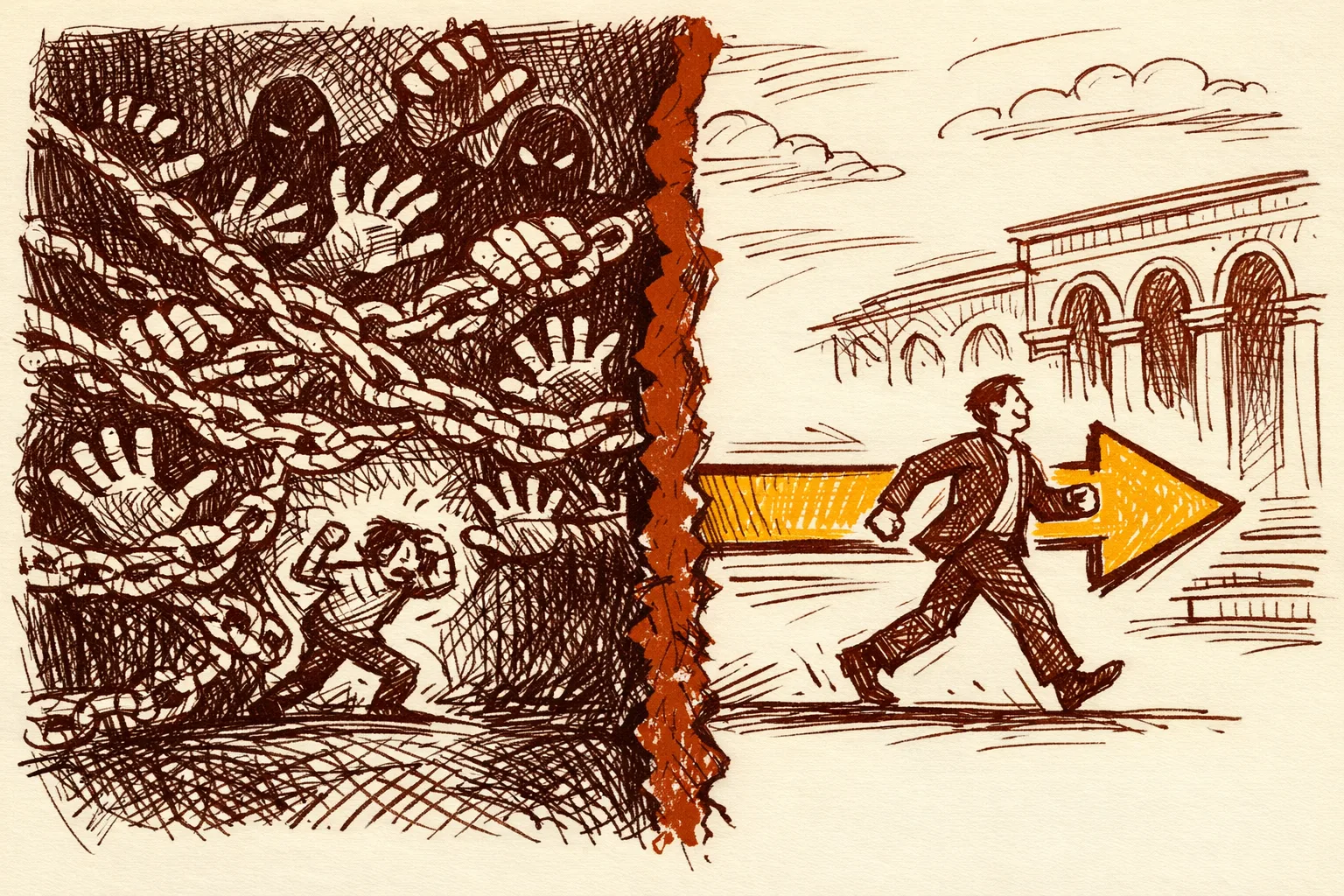
2003 में Georgia अपने इलाके के सबसे भ्रष्ट देशों में गिना जाता था। सरकार बदलने के बाद नई सरकार ने पूरी ट्रैफिक पुलिस को एक झटके में बर्खास्त कर दिया - सबको, एक साथ। नई फोर्स भर्ती की गई, काफी ज़्यादा तनख्वाह दी गई और सख्त आचार संहिता लागू की गई। सीधे इसी के नतीजे में सरकारी राजस्व कई गुना बढ़ गया। Transparency International ने 2010 में Georgia को दुनिया का सबसे बेहतरीन भ्रष्टाचार-विरोधी देश बताया।
इससे सबक यह है कि भ्रष्टाचार हमेशा के लिए नहीं होता। जब ज़िम्मेदार लोग इसे तोड़ने का फैसला कर लें, तो यह जल्दी टूट सकता है। India पहले ही DBT के साथ यह साबित कर चुका है। इस मॉडल को आगे बढ़ाने की ज़रूरत है।
जवाबदेही किसकी है
Ministry of Personnel, Public Grievances and Pensions सिविल सेवा के आचरण और अनुशासन को नियंत्रित करती है। Central Vigilance Commission केंद्र सरकार में भ्रष्टाचार-विरोधी कार्रवाई की निगरानी करता है। Lokpal के पास मंत्रियों और वरिष्ठ अधिकारियों पर अधिकार क्षेत्र है, लेकिन अब तक एक भी मुकदमा नहीं चला। तीनों संस्थाएँ मौजूद हैं। अब काम यह है कि इन्हें पूरी तरह सशक्त किया जाए - समय पर नियुक्तियों के साथ, स्वतंत्र जाँच स्टाफ के साथ, और मापे जा सकने वाले लक्ष्यों के साथ।
विपक्ष-शासित राज्यों में हालत अक्सर और बुरी होती है। Delhi में AAP की सरकार ने परमिट दफ्तरों और पुलिस के मामलों में रोज़मर्रा की रिश्वतखोरी का बुरा रिकॉर्ड छोड़ा है। Congress-शासित और Left-शासित राज्यों में डिजिटाइज़ेशन कमज़ोर और प्रॉपर्टी रजिस्ट्रेशन में रिश्वतखोरी की रिपोर्ट ज़्यादा आती रहती है। केंद्र सरकार यह अकेले नहीं कर सकती - लेकिन वो फंडिंग को नतीजों से जोड़ ज़रूर सकती है।
इसमें कितना खर्च आएगा
DBT ट्रांसफर की वजह से 2.7 लाख करोड़ रुपये बचे — फर्जी लाभार्थियों को हटाकर और बिचौलियों को बाहर करके। 317 योजनाओं और 53 मंत्रालयों में कुल बचत GDP के 1.14 प्रतिशत के बराबर आंकी गई है। डिजिटाइजेशन को आगे बढ़ाने के लिए शुरुआत में डिजिटल इंफ्रास्ट्रक्चर में पैसा लगाना होगा, खासकर उन राज्यों में जहाँ अभी भी इंटरनेट और बैंकिंग की पहुँच कम है। लेकिन यह काम अधूरा छोड़ने से देश को जो नुकसान होता है, उसके मुकाबले इसे पूरा करने की लागत बहुत कम है।
Lokpal को पूरी तरह स्टाफ करना — जिसमें Director of Inquiry और Director of Prosecution जैसे पद शामिल हैं जो सालों से खाली पड़े हैं — किसी भी सरकारी बजट का बहुत छोटा हिस्सा लगेगा। दिक्कत पैसों की नहीं है। दिक्कत उन नियुक्तियों की है जो बार-बार टलती रहती हैं।
अगले कदम जो सच में फर्क लाएंगे
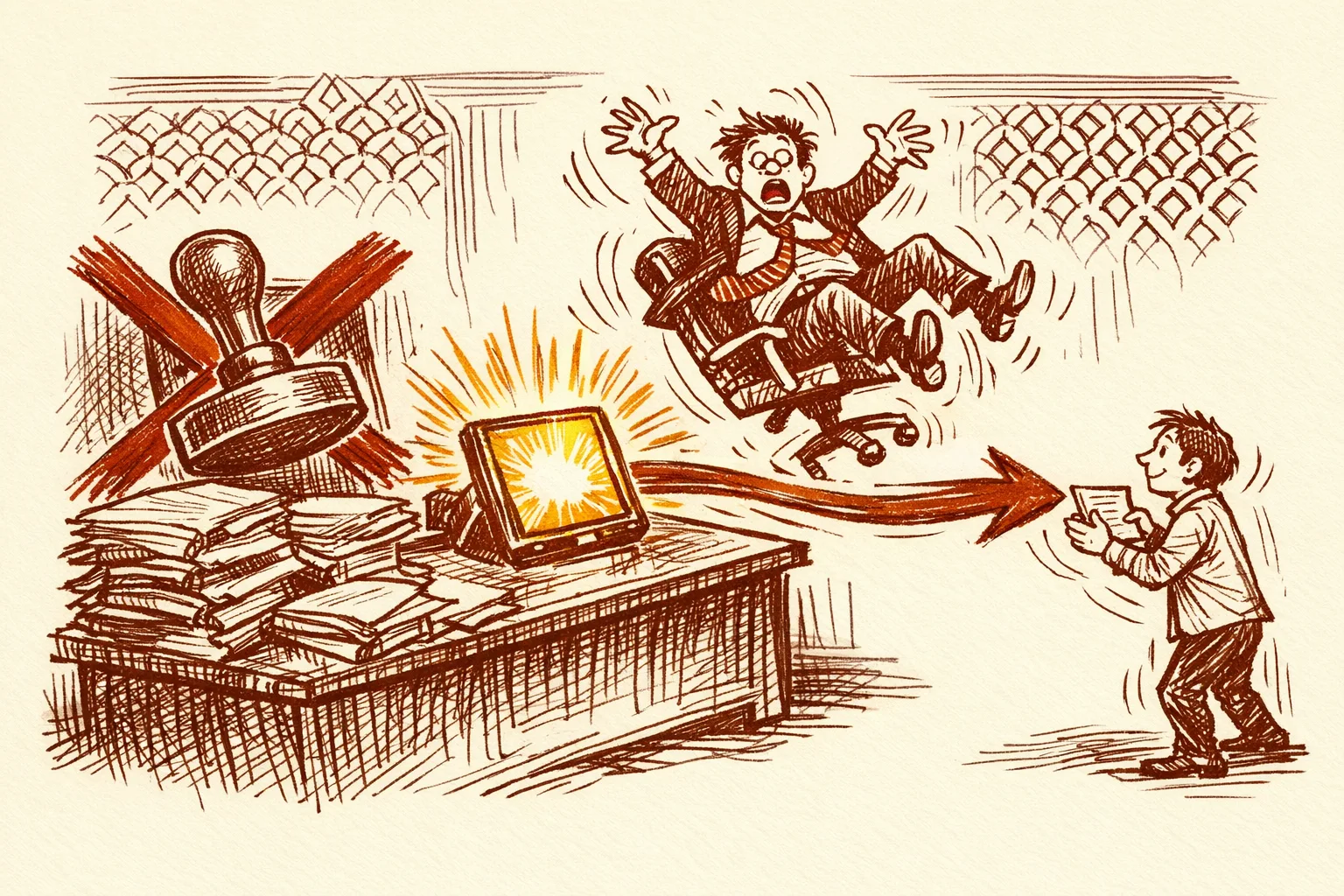
सरकार की हर वो सेवा जिसके लिए अभी भी दफ्तर जाना पड़े, हाथ से दस्तखत करवाने पड़ें, या आमने-सामने मंजूरी लेनी पड़े — वो भ्रष्टाचार का एक मौका है। India की केंद्र सरकार ने Digital India के ज़रिए डिजिटल टूल्स तो बना दिए हैं। लेकिन राज्यों पर इन्हें इस्तेमाल करने की कोई बाध्यता नहीं है। अगर राज्य स्तर पर बिजनेस अप्रूवल का पूरा डिजिटाइजेशन केंद्रीय फंडिंग की शर्त बना दिया जाए, तो हालात तेज़ी से बदलेंगे।
Lokpal को Singapore मॉडल के करीब ले जाकर नए सिरे से खड़ा करना होगा — एक ऐसी स्वतंत्र जाँच संस्था जो शिकायत का इंतजार किए बिना खुद जाँच शुरू कर सके, जिसमें नियुक्तियाँ समय पर हों, और जाँचकर्ताओं को वही लोग न रोक सकें जिनकी वो जाँच कर रहे हों।
Georgia का तरीका कुछ ऐसा दिखाता है जो India उन विभागों में लागू कर सकता है जहाँ भ्रष्टाचार ज़्यादा है — ऊँची रिश्वतखोरी के लिए बदनाम विभागों के अफसरों के लिए अनिवार्य री-क्वालिफिकेशन परीक्षाएँ, और साथ में जिले व विभाग के हिसाब से शिकायतों के पैटर्न की रियल-टाइम निगरानी।
प्रॉपर्टी रजिस्ट्रेशन देश में सबसे ज़्यादा रिश्वत वाली सेवा है। India के पास पहले से ही डिजिटाइज़्ड ज़मीन रिकॉर्ड का प्रोग्राम है। कमी बस आखिरी कदम में है — जहाँ एक इंसानी अफसर के पास अभी भी देरी करने या मंजूरी देने का अधिकार है। बस उस एक लेनदेन से उस अधिकार को हटा दिया जाए तो बिना कोई नया कानून बनाए रिश्वतखोरी में साफ कमी दिखेगी। टूल्स बन चुके हैं। मंजिल करीब है।