The Scale of the Problem
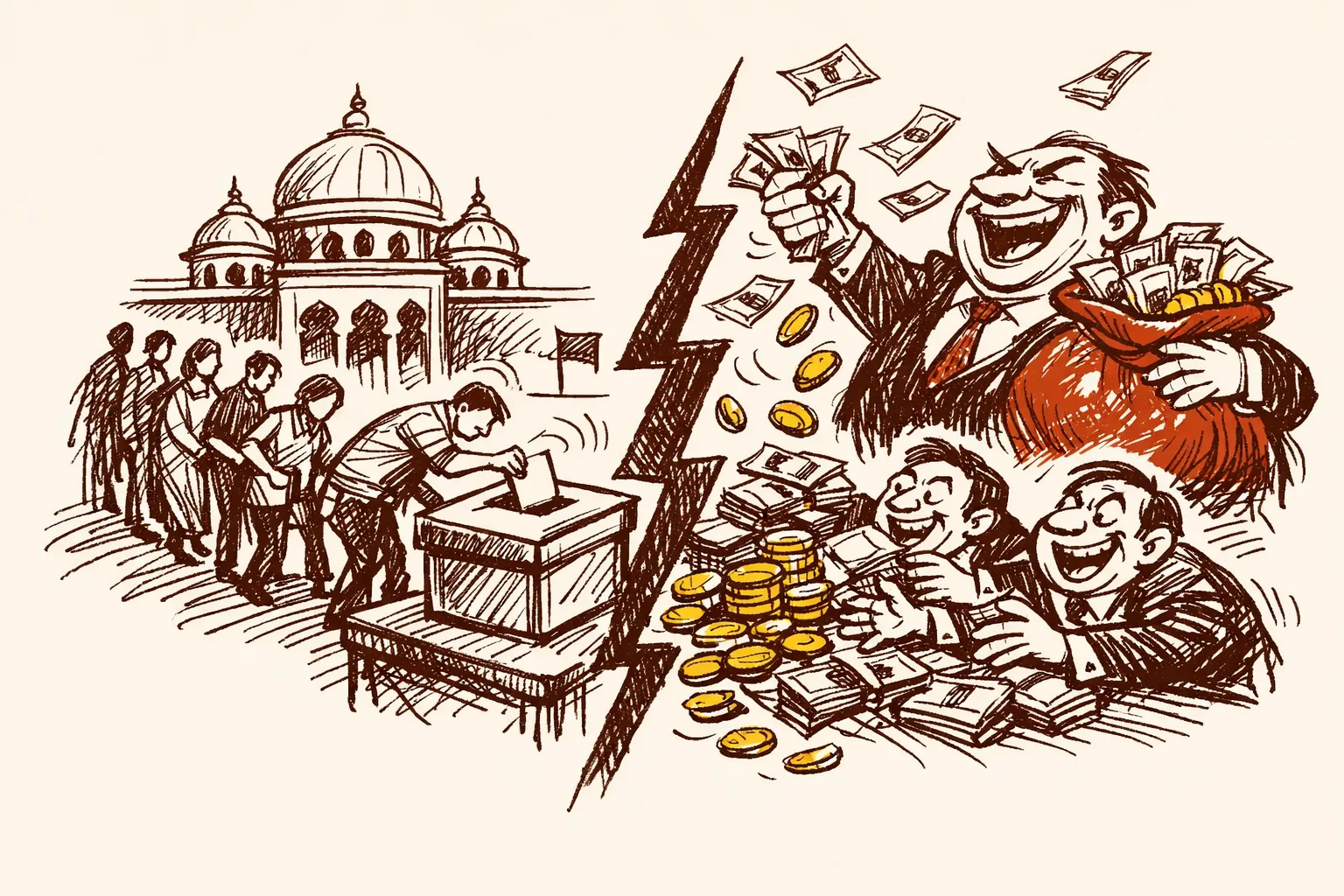
Walk into any election season in India and you see the money before you see the candidates. Growing up in Himachal Pradesh, I watched helicopters land. I watched walls disappear under posters overnight. I watched trucks unload gifts at household doors while candidates stayed invisible. The scale has only grown.
According to the Centre for Media Studies, a non-profit that has tracked election spending for 35 years, the total spending in the most recent Lok Sabha election touched Rs 1.35 lakh crore. That is more than double the Rs 60,000 crore spent in the previous cycle. India's general election is now the most expensive democratic exercise on the planet.
The money does not just raise eyebrows. It raises a serious question: if winning requires this much money, who actually controls the people we elect?
Where the Money Comes From
According to the Association for Democratic Reforms (ADR), nearly 60 per cent of all contributions to India's six major political parties between 2005 and 2023 came from unknown or untraceable sources. That adds up to Rs 19,083 crore with no name attached.
The Centre for Media Studies reports that roughly 25 per cent of total election spending in 2019 went to cash, liquor, and gifts delivered directly to households. Vote buying is what that is.
India sets spending limits for individual candidates - up to Rs 95 lakh in a large state. But there is no cap at all on what a political party can spend. In practice, candidate limits are a speed bump. Party spending is a highway with no speed limit.
The Electoral Bond Experiment - What It Was and Why It Failed
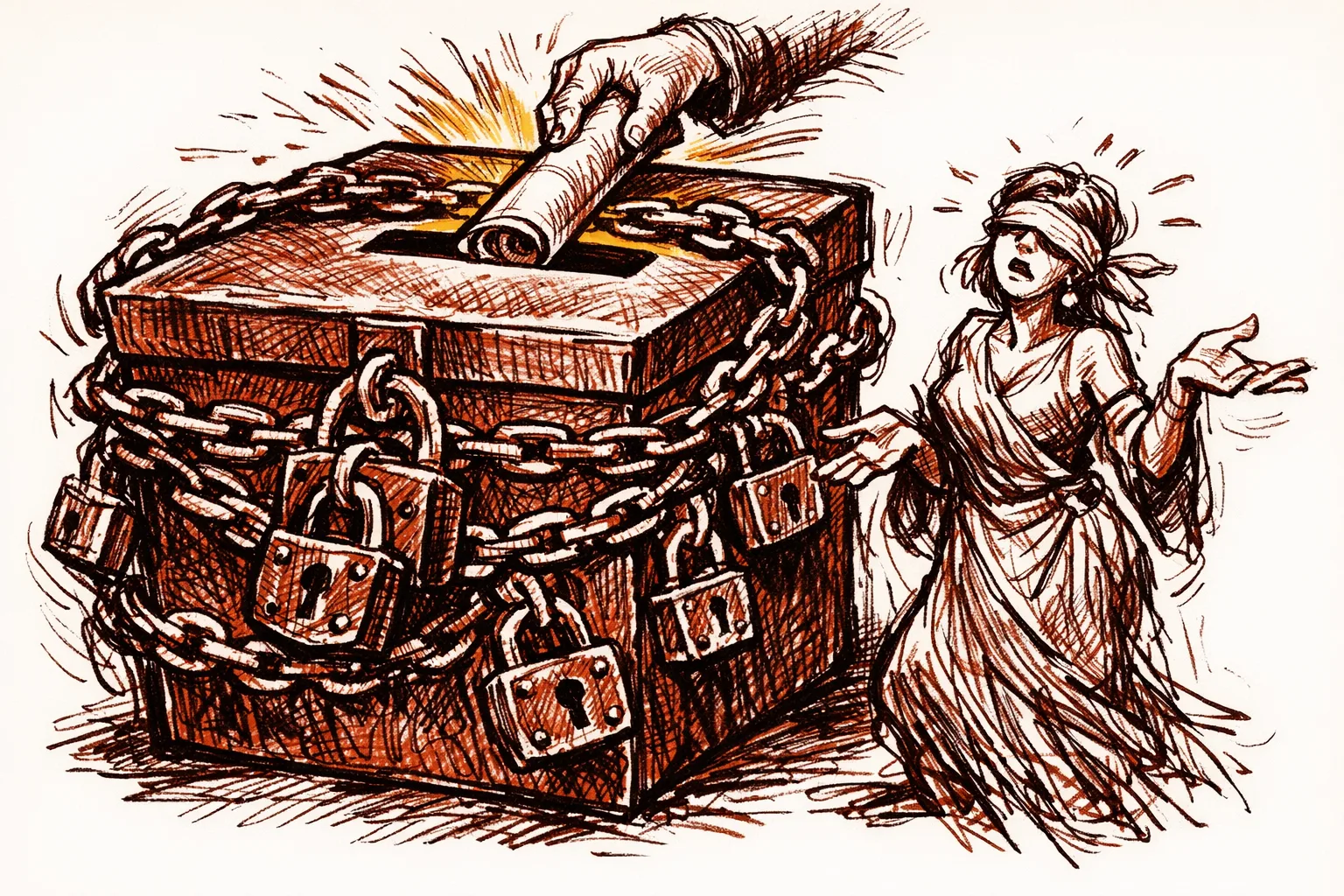
In 2017, the government introduced electoral bonds to move political donations out of cash and into the banking system. But donors remained anonymous to the public - only the State Bank of India held the records. Political parties knew who bought bonds in their favour. Voters did not. The Reserve Bank of India and the Election Commission both warned the government before the scheme launched that it would make the system less transparent, not more. Both were overruled.
In February of last year, a five-judge Constitution Bench of the Supreme Court struck down the scheme as unconstitutional. The Court found it violated Article 19(1)(a) - the citizen's right to information - and enabled the risk of quid pro quo corruption. ADR data showed that 41 companies facing inquiries from central agencies had donated over Rs 2,000 crore under the scheme. Around Rs 1,600 crore of that arrived after agency raids on those same companies.
Every major party benefited from electoral bonds. The structure itself was wrong. And the Supreme Court said so unanimously.
What Has Already Been Tried
India has debated electoral finance reform for decades. The record is not blank - but the gap between recommending and implementing is wide.
The Indrajit Gupta Committee, set up in 1998, recommended limited state funding of elections - free travel, airtime - to level the playing field. None of it was implemented.
The Law Commission of India's 1999 report recommended total state funding, conditional on banning other funding sources entirely, and called for internal party democracy. The report was received, noted, and set aside.
The Second Administrative Reforms Commission's 2008 report recommended partial state funding to reduce illegal spending. It was filed, acknowledged, and shelved.
The Election Commission's own 2016 document called for spending ceilings on political parties. The law still has not been amended to include them.
Committees produce careful, well-reasoned recommendations. Parliament - whose members are the direct financial beneficiaries of the status quo - finds reasons not to act. Political will is what is missing, not knowledge.
Why This Is a National Security Issue, Not Just a Governance Issue
The Election Commission, before the bond scheme was introduced, specifically warned in writing that loosening rules around foreign-controlled Indian companies could lead to foreign interests funding Indian political parties. That warning is in the public record, filed as an affidavit in the Supreme Court.
When election funding is opaque, hostile actors - state-sponsored or otherwise - can use shell companies and layered corporate structures to influence Indian electoral outcomes. An India that cannot account for 60 per cent of its party funding cannot be confident its policy decisions are made by Indians.
Genuine electoral reform is not an opposition demand. It is a national security requirement.
How Other Countries Fixed This
Germany - Public Funding Tied to Voter Support
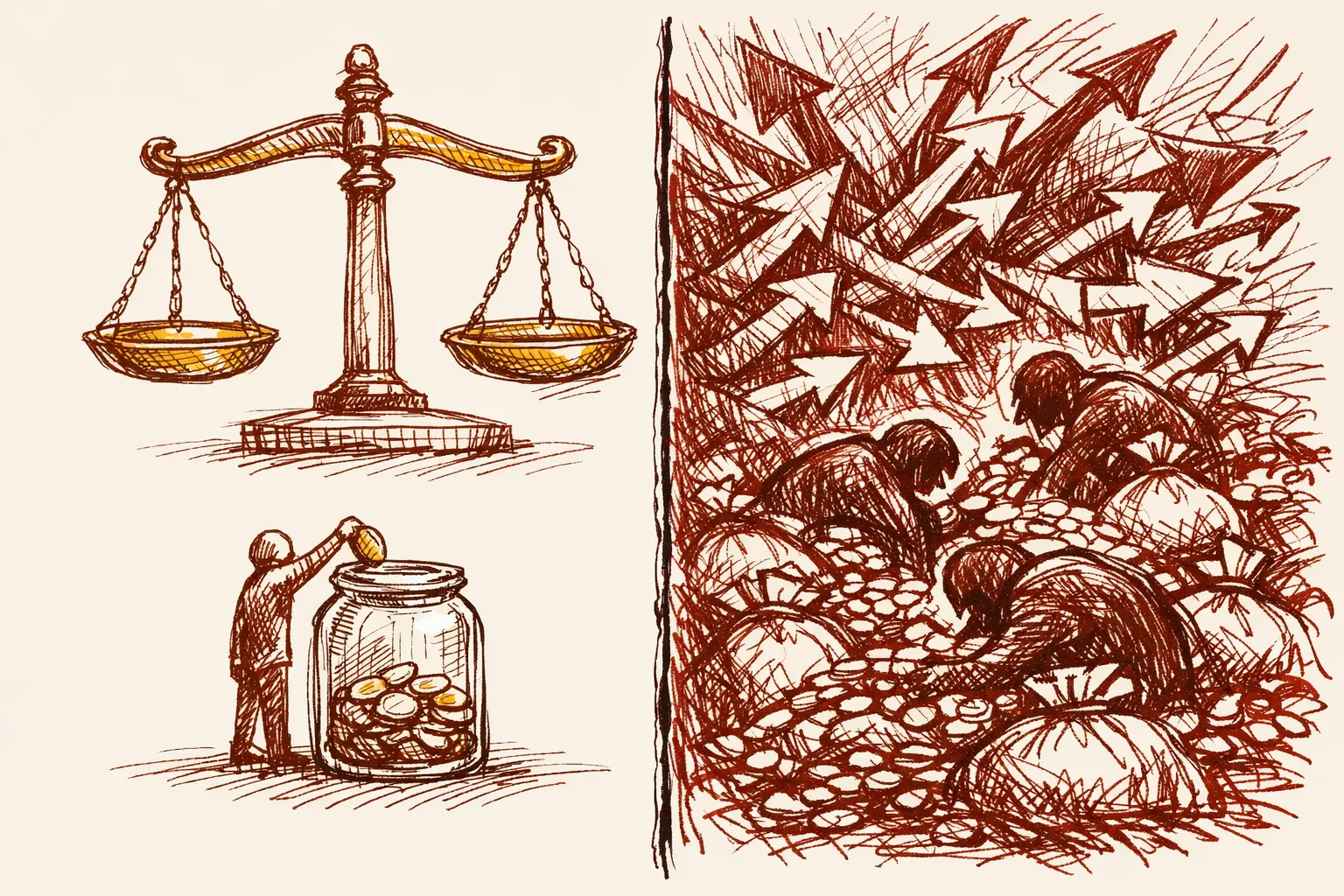
Germany's Act on Political Parties, passed in 1967, created a matched public funding system. Parties receive government money based on votes won - but public funding can never exceed what a party raises from its own members and donors. All donations above EUR 10,000 must be publicly disclosed by name. If a donation exceeds EUR 50,000, it must be reported to the President of the Bundestag immediately and published on the parliament's website. Parties that break the rules face financial penalties from the same body that distributes their public funding.
Canada - Only Individuals Can Donate
Under the Canada Elections Act, corporations and unions are completely banned from donating to federal political parties. Only individuals may contribute, capped at around CAD 1,750 per year. Anonymous donations above CAD 20 are prohibited. Parties that clear a minimum vote threshold get back 50 per cent of their verified official election expenses from the government.
Who Is Accountable
The Ministry of Law and Justice is responsible for amending the Representation of the People Act. Every recommendation from the Election Commission's 2016 reform document that requires a legislative change sits in that ministry's inbox. The Election Commission can audit candidate accounts but cannot audit party accounts with the same force. Parliament must change that. Both the ruling coalition and the opposition carry responsibility here. Every party that cashed electoral bonds and every party now selectively outraged about them knows the system served their interests while it ran.
What Would It Cost
The Centre for Media Studies estimates that 25 per cent of the most recent election's Rs 1.35 lakh crore - roughly Rs 33,750 crore - went to outright vote buying. A partial public funding model of free media time, reimbursement of verified campaign costs, and digital donation portals would cost the government a fraction of that. The question is not whether India can afford reform. The question is whether the political class wants to reduce the advantages that money currently buys.
What Needs to Happen
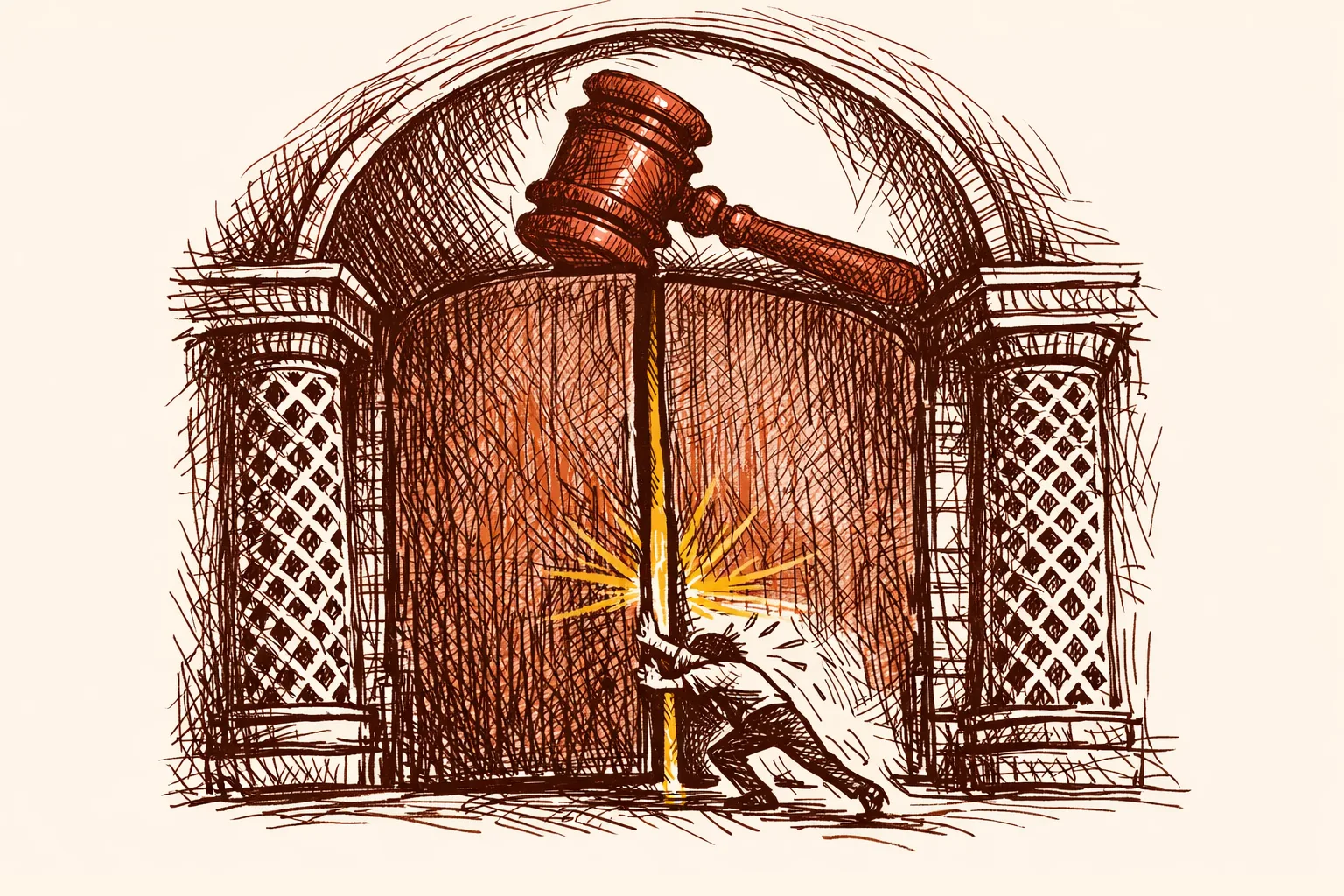
The Supreme Court has done its part. The judiciary cannot legislate - that is Parliament's job. Here is what Parliament must do.
First, set a spending ceiling for political parties. Individual candidates have limits. Parties do not. Fix that.
Second, require real-time public disclosure of all donations above Rs 20,000 - not annual reports filed months later. A live public portal, maintained by the Election Commission, updated within 48 hours of any donation. India built UPI at scale. A donation disclosure portal is not technically difficult.
Third, ban corporate donations entirely and restrict funding to individual citizens only, with a reasonable annual cap. The objection that this will push money underground is not an argument against the rule; it is an argument for enforcement.
Fourth, give the Election Commission the legal authority to audit party accounts, not just candidate accounts. That is where the real money moves.
Fifth, fast-track election dispute cases with dedicated judges in High Courts for election matters. Cases that drag on for years after an election provide zero deterrence.
The tools for transparent election finance already exist. The will to use them is what is missing.