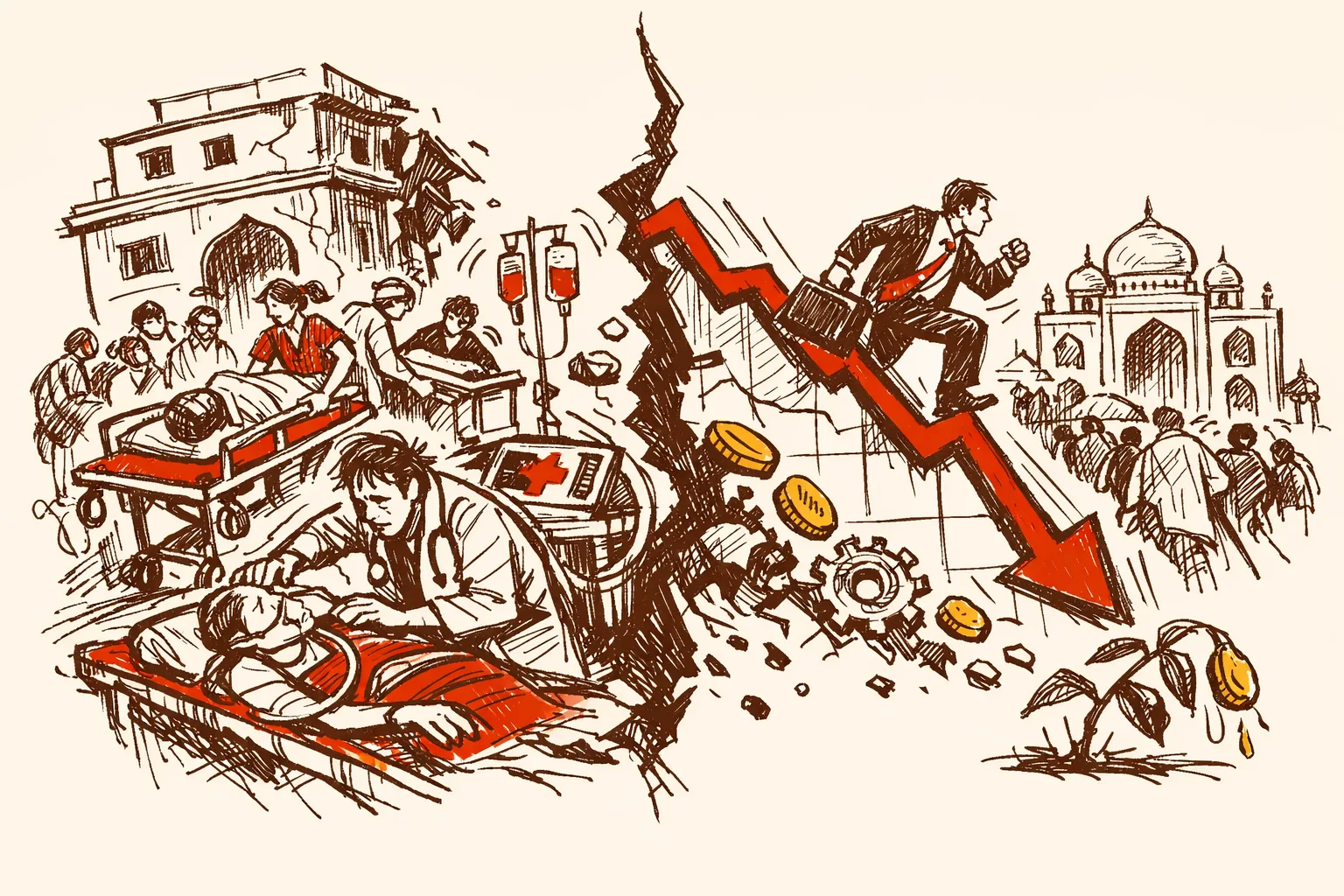
ਜੋ ਤੁਸੀਂ ਗਲੀ ਤੋਂ ਦੇਖਦੇ ਹੋ
Uttar Pradesh ਦੇ ਕਿਸੇ ਪਿੰਡ ਦੇ ਸਰਕਾਰੀ ਹਸਪਤਾਲ ਵਿੱਚ ਵੜੋ - India ਦਾ ਸਭ ਤੋਂ ਵੱਧ ਆਬਾਦੀ ਵਾਲਾ ਸੂਬਾ, ਜਿੱਥੇ 240 ਕਰੋੜ ਤੋਂ ਵੱਧ ਲੋਕ ਰਹਿੰਦੇ ਨੇ - ਤਾਂ ਤੁਹਾਨੂੰ ਨਵੀਆਂ ਇਮਾਰਤਾਂ, ਨਵੀਆਂ ਮਸ਼ੀਨਾਂ, ਅਤੇ ਮੁੱਖ ਮੰਤਰੀ Yogi Adityanath ਦੀ ਸਰਕਾਰ ਵੱਲੋਂ ਕੀਤੇ ਅਸਲ ਸੁਧਾਰ ਦਿਖਣਗੇ। ਪਰ ਨਾਲ ਹੀ ਉਡੀਕ ਕਮਰੇ ਵੀ ਮਿਲਣਗੇ ਜਿੱਥੇ ਮਾਹਰ ਡਾਕਟਰ ਅਜੇ ਵੀ ਗੈਰਹਾਜ਼ਰ ਨੇ। ਕਲੀਨਿਕ ਬਣ ਗਈ। ਇਮਾਰਤ ਖੜ੍ਹੀ ਹੋ ਗਈ। ਹੁਣ ਅਗਲੀ ਸਮੱਸਿਆ ਡਾਕਟਰਾਂ ਦੀ ਘਾਟ ਹੈ।
India ਦੀ ਸਿਹਤ ਮੰਤਰਾਲੇ ਨੇ ਪਾਇਆ ਕਿ ਪੇਂਡੂ ਕਮਿਊਨਿਟੀ ਹੈਲਥ ਸੈਂਟਰਾਂ - ਜੋ ਸਰਕਾਰੀ ਕਲੀਨਿਕਾਂ ਨੇ ਅਤੇ ਹਰੇਕ ਲਗਭਗ 1 ਲੱਖ 60 ਹਜ਼ਾਰ ਲੋਕਾਂ ਨੂੰ ਮਾਹਰ ਸੇਵਾਵਾਂ ਦੇਣ ਲਈ ਬਣਾਈਆਂ ਗਈਆਂ ਨੇ - ਵਿੱਚ ਦੇਸ਼ ਭਰ ਵਿੱਚ ਮਾਹਰਾਂ ਦੀ ਲਗਭਗ 80 ਫ਼ੀਸਦੀ ਘਾਟ ਹੈ। ਲੋੜੀਂਦੇ 21,964 ਮਾਹਰਾਂ ਵਿੱਚੋਂ ਸਿਰਫ਼ 4,413 ਹੀ ਕੰਮ ਕਰ ਰਹੇ ਨੇ। ਸਰਕਾਰ ਦੀ ਆਪਣੀ Health Dynamics of India ਰਿਪੋਰਟ ਮੁਤਾਬਕ ਇਹ ਪਾੜਾ 2005 ਤੋਂ ਲੈ ਕੇ ਅੱਜ ਤੱਕ ਹਰ ਸਾਲ ਵਧਦਾ ਰਿਹਾ। ਇਹ ਉਨ੍ਹਾਂ ਦਹਾਕਿਆਂ ਦਾ ਸਿੱਟਾ ਹੈ ਜਦੋਂ Congress ਦੀਆਂ ਸਰਕਾਰਾਂ ਨੇ ਡਾਕਟਰਾਂ ਨੂੰ ਪੇਂਡੂ ਥਾਵਾਂ ਵੱਲ ਖਿੱਚਣ ਲਈ ਕੋਈ ਟਿਕਾਊ ਤਨਖ਼ਾਹ ਢਾਂਚਾ ਨਹੀਂ ਬਣਾਇਆ।
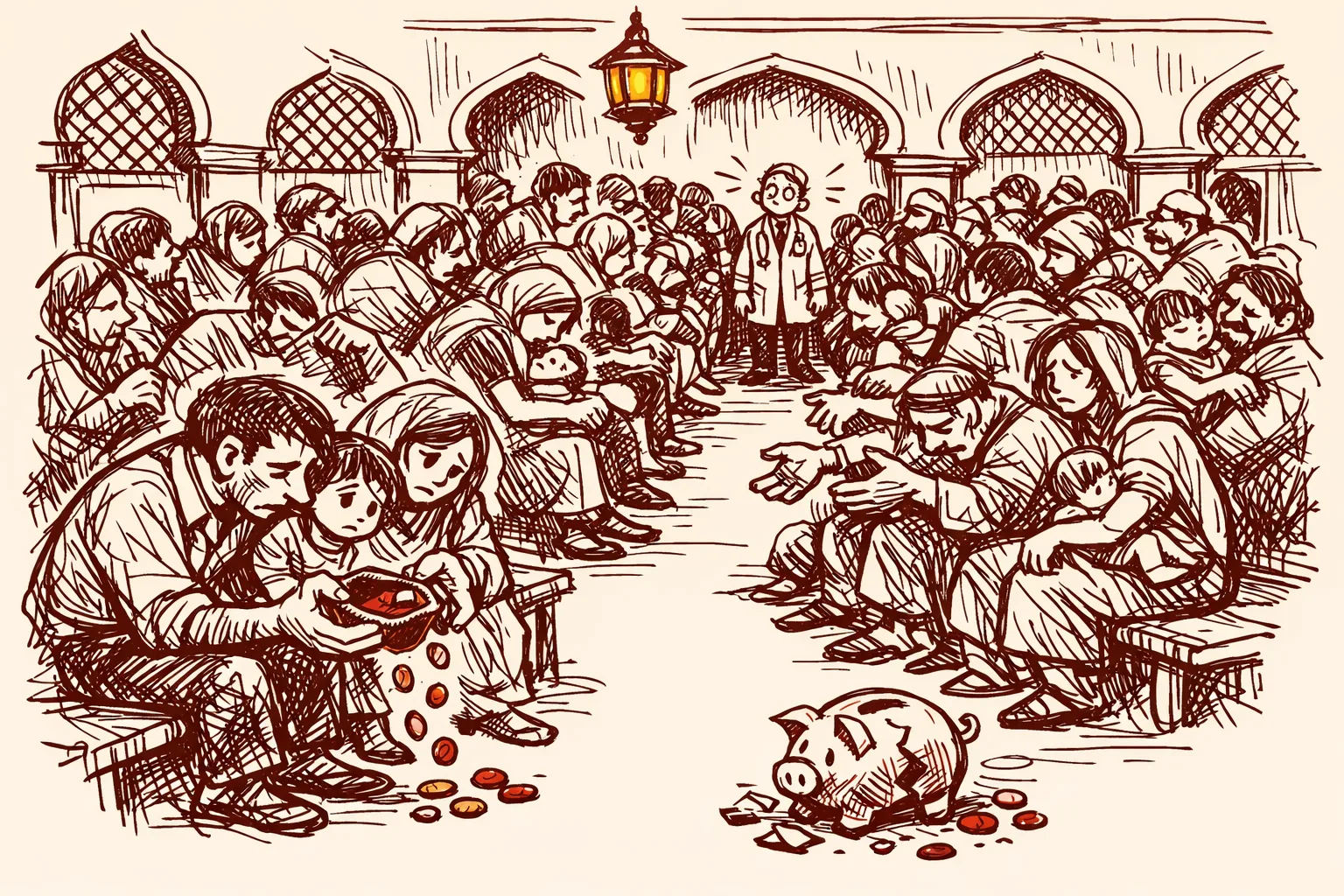
ਬਾਕੀ ਬਚੀ ਚੁਣੌਤੀ ਕਿੰਨੀ ਵੱਡੀ ਹੈ
India ਆਪਣੀ GDP ਦਾ ਲਗਭਗ 1.6 ਫ਼ੀਸਦੀ ਜਨਤਕ ਸਿਹਤ ਉੱਤੇ ਖਰਚ ਕਰਦਾ ਹੈ। BRICS ਦਾ ਔਸਤ - Brazil, Russia, China, South Africa - 3.6 ਫ਼ੀਸਦੀ ਹੈ। OECD ਦਾ ਔਸਤ 7.6 ਫ਼ੀਸਦੀ ਹੈ। India 0.9 ਫ਼ੀਸਦੀ ਤੋਂ ਅੱਗੇ ਵਧ ਕੇ 1.6 ਫ਼ੀਸਦੀ ਤੱਕ ਆ ਗਿਆ ਹੈ, ਜਿੱਥੇ Congress ਛੱਡ ਗਈ ਸੀ। ਅਗਲਾ ਟੀਚਾ 2.5 ਫ਼ੀਸਦੀ ਹੈ - ਜੋ 2017 ਦੀ National Health Policy ਵਿੱਚ ਤੈਅ ਕੀਤਾ ਗਿਆ ਸੀ - ਅਤੇ ਉਸ ਵੱਲ ਜਾਣ ਦਾ ਰਾਹ ਸਾਫ਼ ਦਿੱਸਦਾ ਹੈ।
ਜੇਬ੍ਹੋਂ ਖਰਚਾ ਅਜੇ ਵੀ India ਦੇ ਕੁੱਲ ਸਿਹਤ ਖਰਚੇ ਦਾ ਲਗਭਗ 47 ਫ਼ੀਸਦੀ ਬਣਦਾ ਹੈ। ਜਦੋਂ ਕੋਈ ਭਾਰਤੀ ਪਰਿਵਾਰ ਬਿਮਾਰ ਪੈਂਦਾ ਹੈ, ਇਲਾਜ ਦਾ ਲਗਭਗ ਅੱਧਾ ਪੈਸਾ ਉਨ੍ਹਾਂ ਦੀ ਆਪਣੀ ਜੇਬ੍ਹ ਤੋਂ ਜਾਂਦਾ ਹੈ। ਹਸਪਤਾਲ ਦੇ ਬਿੱਲ ਲੱਖਾਂ ਘਰਾਂ ਨੂੰ ਗ਼ਰੀਬੀ ਰੇਖਾ ਤੋਂ ਹੇਠਾਂ ਧੱਕ ਦਿੰਦੇ ਨੇ - ਸਿਹਤ ਖਰਚਿਆਂ ਦਾ ਹਿਸਾਬ ਲਾਉਣ ਤੋਂ ਬਾਅਦ ਗ਼ਰੀਬੀ ਦੀ ਦਰ 16.44 ਫ਼ੀਸਦੀ ਤੋਂ ਵੱਧ ਕੇ 19.05 ਫ਼ੀਸਦੀ ਹੋ ਜਾਂਦੀ ਹੈ, ਭਾਵ ਸਿਰਫ਼ ਹਸਪਤਾਲ ਦੇ ਬਿੱਲਾਂ ਕਾਰਨ 64 ਲੱਖ 70 ਹਜ਼ਾਰ ਪਰਿਵਾਰ ਗ਼ਰੀਬੀ ਵਿੱਚ ਡੁੱਬ ਜਾਂਦੇ ਨੇ। PM-JAY ਇਸ ਗਿਣਤੀ ਨੂੰ ਘਟਾ ਰਿਹਾ ਹੈ। ਪਰ ਕੰਮ ਅਜੇ ਮੁੱਕਿਆ ਨਹੀਂ।
India ਵਿੱਚ ਕੁੱਲ ਡਾਕਟਰ-ਆਬਾਦੀ ਅਨੁਪਾਤ 836 ਲੋਕਾਂ ਪਿੱਛੇ 1 ਡਾਕਟਰ ਦੱਸਿਆ ਜਾਂਦਾ ਹੈ - WHO ਦੇ 1,000 ਪਿੱਛੇ 1 ਦੇ ਮਾਪਦੰਡ ਨਾਲੋਂ ਬਿਹਤਰ। ਪਰ ਪੇਂਡੂ ਇਲਾਕਿਆਂ ਵਿੱਚ ਲਗਭਗ 11,000 ਲੋਕਾਂ ਪਿੱਛੇ ਸਿਰਫ਼ 1 ਡਾਕਟਰ ਹੈ। India ਦੇ 60 ਫ਼ੀਸਦੀ ਤੋਂ ਵੱਧ ਲੋਕ ਪਿੰਡਾਂ ਵਿੱਚ ਰਹਿੰਦੇ ਨੇ। ਪਰ ਹਸਪਤਾਲ ਦੇ ਸਿਰਫ਼ 37 ਫ਼ੀਸਦੀ ਬੈੱਡ ਉੱਥੇ ਨੇ। ਇਸ ਪਾੜੇ ਨੂੰ ਪੂਰਾ ਕਰਨਾ ਇਸ ਦਹਾਕੇ ਦਾ ਸਭ ਤੋਂ ਵੱਡਾ ਸਿਹਤ ਢਾਂਚੇ ਦਾ ਕੰਮ ਹੈ।
India ਹਰ ਸਾਲ GDP ਦਾ 6 ਫ਼ੀਸਦੀ ਤੋਂ ਵੱਧ ਸਮੇਂ ਤੋਂ ਪਹਿਲਾਂ ਹੋਣ ਵਾਲੀਆਂ ਮੌਤਾਂ ਅਤੇ ਰੋਕੀਆਂ ਜਾ ਸਕਣ ਵਾਲੀਆਂ ਬਿਮਾਰੀਆਂ ਕਾਰਨ ਗੁਆ ਲੈਂਦਾ ਹੈ। ਇਹ ਵਿਰਸੇ ਵਿੱਚ ਮਿਲੀ ਘਾਟ ਦੀ ਆਰਥਿਕ ਕੀਮਤ ਹੈ - ਅਤੇ ਇਸੇ ਲਈ ਹੁਣੇ ਨਿਵੇਸ਼ ਵਧਾਉਣਾ ਭਵਿੱਖ ਵਿੱਚ ਫ਼ਾਇਦਾ ਦਿੰਦਾ ਹੈ।
ਇਹ ਪਾੜਾ ਕਿਉਂ ਪਿਆ
ਮੁੱਖ ਮਸਲਾ ਪੈਸੇ ਅਤੇ ਪ੍ਰੇਰਣਾਵਾਂ ਦਾ ਹੈ - ਦੋਵੇਂ ਦਹਾਕਿਆਂ ਦੀ Congress ਦੀ ਕੁਸ਼ਾਸਨ ਨੇ ਆਕਾਰ ਦਿੱਤੇ ਹਨ। India ਦੀ National Health Policy, ਜੋ 2017 ਵਿੱਚ Modi ਸਰਕਾਰ ਅਧੀਨ ਮੁੜ ਤੈਅ ਕੀਤੀ ਗਈ ਸੀ, ਨੇ ਜਨਤਕ ਸਿਹਤ ਖਰਚੇ ਨੂੰ GDP ਦੇ 2.5 ਫੀਸਦੀ ਤੱਕ ਵਧਾਉਣ ਦਾ ਵਾਅਦਾ ਕੀਤਾ ਸੀ। ਇਹ 0.9 ਫੀਸਦੀ ਤੋਂ 1.6 ਫੀਸਦੀ ਤੱਕ ਪਹੁੰਚ ਗਿਆ ਹੈ - ਅਸਲ ਤਰੱਕੀ ਹੈ, ਪਰ ਟੀਚੇ ਤੋਂ ਅਜੇ ਘੱਟ ਹੈ। ਕੋਈ ਪੱਕਾ ਕਾਨੂੰਨੀ ਡੈੱਡਲਾਈਨ ਹੀ ਅਗਲੇ ਕਦਮ ਨੂੰ ਪੱਕਾ ਕਰ ਸਕਦਾ ਹੈ।
ਦੂਜੀ ਸਮੱਸਿਆ ਇਹ ਹੈ ਕਿ ਡਾਕਟਰ ਜਾਂਦੇ ਕਿੱਥੇ ਹਨ। ਜੋ ਸਰਕਾਰੀ ਡਾਕਟਰ ਪਿੰਡ ਵਿੱਚ ਤਾਇਨਾਤ ਹੁੰਦਾ ਹੈ, ਉਹ ਉਸ ਡਾਕਟਰ ਨਾਲੋਂ ਬਹੁਤ ਘੱਟ ਕਮਾਉਂਦਾ ਹੈ ਜੋ ਸ਼ਹਿਰ ਵਿੱਚ ਆਪਣਾ ਪ੍ਰਾਈਵੇਟ ਕਲੀਨਿਕ ਖੋਲ੍ਹਦਾ ਹੈ। ਪਿਛਲੀਆਂ ਸਰਕਾਰਾਂ ਨੇ ਕਦੇ ਇਸ ਤਨਖਾਹ ਦੇ ਫ਼ਰਕ ਨੂੰ ਠੀਕ ਨਹੀਂ ਕੀਤਾ। ਜ਼ਿਆਦਾਤਰ ਡਾਕਟਰ ਚਲੇ ਜਾਂਦੇ ਹਨ। ਤਨਖਾਹ ਦਾ ਫ਼ਰਕ ਠੀਕ ਕਰੋ, ਖਾਲੀ ਅਸਾਮੀਆਂ ਆਪੇ ਭਰ ਜਾਣਗੀਆਂ।
ਤੀਜੀ ਸਮੱਸਿਆ ਕਵਰੇਜ ਦੇ ਢਾਂਚੇ ਦੀ ਹੈ। India ਦੀ ਸਭ ਤੋਂ ਵੱਡੀ ਸਿਹਤ ਬੀਮਾ ਯੋਜਨਾ ਸਿਰਫ਼ ਹਸਪਤਾਲ ਵਿੱਚ ਭਰਤੀ ਨੂੰ ਕਵਰ ਕਰਦੀ ਹੈ - ਬਾਹਰੋਂ ਡਾਕਟਰ ਕੋਲ ਜਾਣ ਨੂੰ ਨਹੀਂ। ਜ਼ਿਆਦਾਤਰ ਲੋਕ ਹਸਪਤਾਲ ਤੱਕ ਪਹੁੰਚਦੇ ਹੀ ਨਹੀਂ। ਉਹ ਘਰੇ ਬਿਮਾਰੀ ਸੰਭਾਲਦੇ ਰਹਿੰਦੇ ਹਨ ਜਾਂ ਕਰਜ਼ਾ ਚੁੱਕ ਕੇ ਪ੍ਰਾਈਵੇਟ ਡਾਕਟਰ ਕੋਲ ਜਾਂਦੇ ਹਨ। PM-JAY ਨੂੰ ਬਾਹਰੀ ਮਰੀਜ਼ਾਂ ਦੀ ਦੇਖਭਾਲ ਤੱਕ ਵਧਾਉਣਾ ਹੀ ਅਗਲਾ ਸੁਭਾਵਿਕ ਕਦਮ ਹੈ।
ਹੁਣ ਤੱਕ ਕੀ ਬਣਾਇਆ ਜਾ ਚੁੱਕਾ ਹੈ
India ਨੇ Modi ਸਰਕਾਰ ਅਧੀਨ ਵੱਡੇ ਸਿਹਤ ਸੁਧਾਰ ਸ਼ੁਰੂ ਕੀਤੇ ਨੇ। ਹਰ ਇੱਕ ਨੇ ਅਸਲੀ ਤਰੱਕੀ ਕੀਤੀ। ਅਗਲਾ ਪੜਾਅ ਦੋ ਬਾਕੀ ਸਮੱਸਿਆਵਾਂ ਹੱਲ ਕਰਦਾ ਹੈ - ਡਾਕਟਰ ਕਿੱਥੇ ਨੇ, ਅਤੇ ਪਰਿਵਾਰ ਆਪਣੀ ਜੇਬ ਤੋਂ ਕਿੰਨਾ ਖਰਚ ਕਰਦੇ ਨੇ।
National Rural Health Mission 2005 ਵਿੱਚ ਸ਼ੁਰੂ ਹੋਈ ਸੀ। ਕੇਂਦਰ ਸਰਕਾਰ ਨੇ 2005 ਤੋਂ 2012 ਤੱਕ 12.1 ਅਰਬ US ਡਾਲਰ ਤੋਂ ਵੱਧ ਲਗਾਏ, ਕਰੀਬ 750,000 ਕਮਿਊਨਿਟੀ ਸਿਹਤ ਕਾਰਕੁਨ ਬਣਾਏ, ਅਤੇ ਹਸਪਤਾਲਾਂ ਵਿੱਚ ਜਨਮ, ਬਾਲ ਮੌਤ ਦਰ, ਅਤੇ ਮਾਵਾਂ ਦੀ ਮੌਤ ਦਰ ਵਿੱਚ ਅਸਲੀ ਸੁਧਾਰ ਲਿਆਂਦਾ। ਪਰ ਕਮਿਊਨਿਟੀ ਹੈਲਥ ਸੈਂਟਰਾਂ ਵਿੱਚ ਮਾਹਰ ਡਾਕਟਰਾਂ ਦੀ ਘਾਟ ਹੋਰ ਵੱਧ ਗਈ। 2005 ਵਿੱਚ 6,110 ਮਾਹਰਾਂ ਦੀ ਕਮੀ ਸੀ, ਯਾਨੀ 44 ਫ਼ੀਸਦੀ। ਸਿਹਤ ਮੰਤਰਾਲੇ ਦੀ ਤਾਜ਼ੀ ਗਿਣਤੀ ਮੁਤਾਬਕ ਹੁਣ ਇਹ 17,551 ਮਾਹਰਾਂ ਦੀ ਕਮੀ ਹੈ, ਯਾਨੀ ਕਰੀਬ 80 ਫ਼ੀਸਦੀ। ਮਿਸ਼ਨ ਨੇ ਇਮਾਰਤਾਂ ਬਣਾ ਦਿੱਤੀਆਂ। ਪਰ ਤਨਖ਼ਾਹ ਦੇ ਫ਼ਰਕ ਦੀ ਸਮੱਸਿਆ ਨਹੀਂ ਹੱਲ ਕੀਤੀ - ਇਹ ਢਾਂਚਾਗਤ ਖਾਮੀ ਮੌਜੂਦਾ ਲੀਡਰਸ਼ਿਪ ਤੋਂ ਪਹਿਲਾਂ ਦੀ ਹੈ ਅਤੇ ਹੁਣ ਢਾਂਚਾਗਤ ਸੁਧਾਰ ਮੰਗਦੀ ਹੈ।
Ayushman Bharat PM-JAY 2018 ਵਿੱਚ ਹੇਠਲੇ 40 ਫ਼ੀਸਦੀ ਆਬਾਦੀ - ਕਰੀਬ 550 ਮਿਲੀਅਨ ਲੋਕਾਂ - ਨੂੰ ਕਵਰ ਕਰਨ ਲਈ ਸ਼ੁਰੂ ਹੋਈ, ਜਿਸ ਵਿੱਚ ਹਰ ਪਰਿਵਾਰ ਨੂੰ ਸਾਲ ਵਿੱਚ ਹਸਪਤਾਲ ਇਲਾਜ ਲਈ 500,000 ਰੁਪਏ ਤੱਕ ਮਿਲਦੇ ਨੇ। ਛੇਵੇਂ ਸਾਲ ਤੱਕ, PM-JAY ਨੇ 77 ਮਿਲੀਅਨ ਤੋਂ ਵੱਧ ਹਸਪਤਾਲ ਦਾਖ਼ਲਿਆਂ ਨੂੰ ਮਨਜ਼ੂਰੀ ਦਿੱਤੀ ਅਤੇ ਰਜਿਸਟਰਡ ਮਰੀਜ਼ਾਂ ਵਿੱਚ ਕੈਂਸਰ ਦੀ ਜਲਦੀ ਪਛਾਣ ਵਿੱਚ ਸੁਧਾਰ ਆਇਆ। ਇਹ ਸੱਚਮੁੱਚ ਵੱਡਾ ਬਦਲਾਅ ਹੈ ਜੋ ਪਹਿਲਾਂ ਕਿਸੇ ਸਰਕਾਰ ਨੇ ਇੰਨੇ ਵੱਡੇ ਪੱਧਰ 'ਤੇ ਨਹੀਂ ਕੀਤਾ।
ਪਰ Chhattisgarh ਸੂਬੇ ਵਿੱਚ PM-JAY ਦੇ ਚਾਰ ਸਾਲਾਂ ਦੀ ਪੜਚੋਲ ਕਰਨ ਵਾਲੀ ਇੱਕ ਸਟੱਡੀ ਵਿੱਚ ਪਤਾ ਲੱਗਾ ਕਿ ਯੋਜਨਾ ਨੇ ਅਜੇ ਤੱਕ ਜੇਬ ਖਰਚੇ ਵਿੱਚ ਕੋਈ ਖ਼ਾਸ ਕਮੀ ਨਹੀਂ ਕੀਤੀ। ਪ੍ਰਾਈਵੇਟ ਹਸਪਤਾਲ ਰਜਿਸਟਰਡ ਮਰੀਜ਼ਾਂ ਤੋਂ ਵੱਧ ਪੈਸੇ ਲੈਂਦੇ ਰਹੇ। ਧੋਖਾਧੜੀ ਵੀ ਦਰਜ ਹੋਈ - ਪਹਿਲਾਂ ਛੁੱਟੀ ਕੀਤੇ ਮਰੀਜ਼ਾਂ 'ਤੇ ਆਪਰੇਸ਼ਨਾਂ ਦੇ ਦਾਅਵੇ, ਅਤੇ ਅਜਿਹੀਆਂ ਥਾਵਾਂ 'ਤੇ ਡਾਇਲਸਿਸ ਦੇ ਬਿੱਲ ਜਿੱਥੇ ਉਹ ਮਸ਼ੀਨਾਂ ਹੀ ਨਹੀਂ ਸਨ। ਅਤੇ ਇਹ ਯੋਜਨਾ ਓਪੀਡੀ ਦੇਖਭਾਲ ਨੂੰ ਬਿਲਕੁਲ ਸ਼ਾਮਲ ਨਹੀਂ ਕਰਦੀ। ਇਹ ਪਲੇਟਫਾਰਮ ਤਾਕਤਵਰ ਹੈ। ਇਸਨੂੰ ਕੱਸਣਾ ਅਤੇ ਫੈਲਾਉਣਾ ਹੀ ਅੱਗੇ ਦਾ ਕੰਮ ਹੈ।
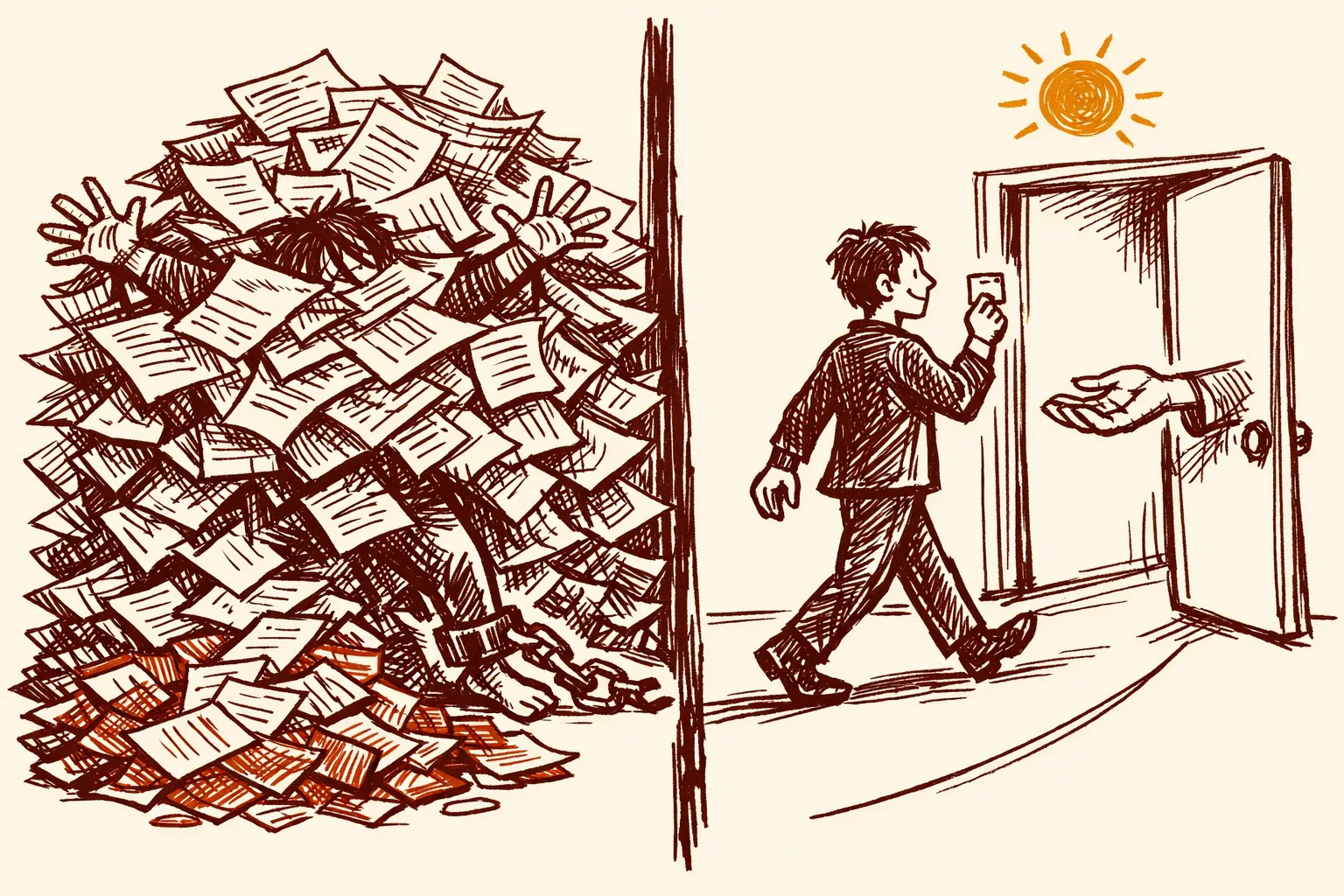
Thailand ਨੇ ਇਹ ਕਿਵੇਂ ਕੀਤਾ - ਅਤੇ India ਕੀ ਅਪਣਾ ਸਕਦਾ ਹੈ
Thailand ਨੂੰ ਵੀ ਅਜਿਹੀ ਹੀ ਸਮੱਸਿਆ ਸੀ। 2001 ਵਿੱਚ, ਉਸਨੇ 30-Baht Scheme ਸ਼ੁਰੂ ਕੀਤੀ। ਕੋਈ ਵੀ ਬੇਬੀਮਾ ਵਿਅਕਤੀ 30 baht ਵਿੱਚ ਡਾਕਟਰ ਕੋਲ ਜਾ ਸਕਦਾ ਸੀ - ਯਾਨੀ ਲਗਭਗ ਇੱਕ US ਡਾਲਰ। ਇੱਕ ਸਰਕਾਰੀ ਅਦਾਰਾ, National Health Security Office, ਸਿੱਧਾ ਹਸਪਤਾਲਾਂ ਨੂੰ ਭੁਗਤਾਨ ਕਰਦਾ ਸੀ। ਮਰੀਜ਼ ਆਪਣਾ ਰਾਸ਼ਟਰੀ ID ਕਾਰਡ ਦਿਖਾਉਂਦੇ ਸਨ। ਨਾ ਬੀਮੇ ਦੇ ਕਾਗਜ਼, ਨਾ ਹਸਪਤਾਲ ਦੇ ਦਰਵਾਜ਼ੇ 'ਤੇ ਯੋਗਤਾ ਦੀ ਜਾਂਚ।
Health Affairs ਵਿੱਚ ਛਪੀ ਖੋਜ ਮੁਤਾਬਕ Thailand ਨੇ ਕਰੀਬ 1 ਕਰੋੜ 40 ਲੱਖ ਲੋਕਾਂ ਨੂੰ ਸਿਹਤ ਕਵਰੇਜ ਵਿੱਚ ਜੋੜਿਆ ਅਤੇ ਲਗਭਗ ਸਾਰਿਆਂ ਤੱਕ ਸਿਹਤ ਸੇਵਾਵਾਂ ਪਹੁੰਚਾਈਆਂ - ਨਾ ਪਹਿਲਾਂ ਤੋਂ ਬੀਮਾਯੁਕਤ ਲੋਕਾਂ ਦੀ ਸਹੂਲਤ ਘਟੀ, ਨਾ ਕੋਈ ਵਾਧੂ ਭੁਗਤਾਨ ਦਾ ਚੱਕਰ ਚੱਲਿਆ। Thailand ਹੁਣ ਆਪਣੀ GDP ਦਾ ਕਰੀਬ 4.5 ਤੋਂ 5 ਫ਼ੀਸਦ ਸਿਹਤ 'ਤੇ ਸਰਕਾਰੀ ਤੌਰ 'ਤੇ ਖਰਚਦਾ ਹੈ।
ਤਰੀਕਾ ਬਿਲਕੁਲ ਸਿੱਧਾ ਹੈ। ਇੱਕ ਅਦਾਰਾ। ਇੱਕ ਫੰਡ। ਸੇਵਾ ਦੀ ਪੁਸ਼ਟੀ। ਕੁਝ ਦਿਨਾਂ ਵਿੱਚ ਭੁਗਤਾਨ। India ਕੋਲ ਪਹਿਲਾਂ ਤੋਂ Aadhaar ਹੈ - ਇੱਕ ਰਾਸ਼ਟਰੀ ID ਢਾਂਚਾ ਜੋ Thailand ਵਾਲੇ ਨਾਲੋਂ ਕਿਤੇ ਜ਼ਿਆਦਾ ਤਕੜਾ ਹੈ। PM-JAY ਪਹਿਲਾਂ ਤੋਂ ਦੁਨੀਆ ਦਾ ਸਭ ਤੋਂ ਵੱਡਾ ਸਰਕਾਰੀ ਸਿਹਤ ਬੀਮਾ ਪ੍ਰੋਗਰਾਮ ਹੈ। India ਕੋਲ ਸਾਰੀਆਂ ਲੋੜੀਂਦੀਆਂ ਚੀਜ਼ਾਂ ਹਨ। ਅਗਲਾ ਕਦਮ ਇਹ ਹੈ ਕਿ ਇਨ੍ਹਾਂ ਨੂੰ ਉਸੇ ਤਰ੍ਹਾਂ ਜੋੜਿਆ ਜਾਵੇ ਜਿਵੇਂ Thailand ਨੇ ਕੀਤਾ - India ਦੇ ਪੈਮਾਨੇ ਅਤੇ ਡਿਜੀਟਲ ਰੀੜ੍ਹ ਦੀ ਹੱਡੀ ਨਾਲ।
ਜ਼ਿੰਮੇਵਾਰ ਕੌਣ ਹੈ
Ministry of Health and Family Welfare ਨੇ 2017 ਵਿੱਚ GDP ਦਾ 2.5 ਫ਼ੀਸਦ ਖਰਚ ਕਰਨ ਦੇ ਟੀਚੇ ਨੂੰ ਮਨਜ਼ੂਰੀ ਦਿੱਤੀ ਸੀ। 1.6 ਤੋਂ 2.5 ਫ਼ੀਸਦ ਤੱਕ ਪਹੁੰਚਣ ਲਈ ਕੋਈ ਪੱਕਾ ਕਾਨੂੰਨੀ ਢਾਂਚਾ ਚਾਹੀਦਾ ਹੈ - ਲਾਗੂ ਕਰਨਯੋਗ ਕਾਨੂੰਨ, ਨਾ ਕਿ ਸਿਰਫ਼ ਕਾਗਜ਼ੀ ਨੀਤੀ। National Health Authority PM-JAY ਚਲਾਉਂਦਾ ਹੈ ਅਤੇ ਉਸਨੂੰ ਬਾਹਰੀ ਮਰੀਜ਼ਾਂ ਦੀ ਕਵਰੇਜ ਦਾ ਪਾੜਾ ਬੰਦ ਕਰਨਾ ਚਾਹੀਦਾ ਹੈ ਅਤੇ ਧੋਖਾਧੜੀ ਰੋਕਣ ਲਈ ਇੱਕ ਅਸਲੀ ਯੂਨਿਟ ਤਾਇਨਾਤ ਕਰਨੀ ਚਾਹੀਦੀ ਹੈ। ਜਿਹੜੇ ਹਸਪਤਾਲ ਉਹ ਇਲਾਜ ਦੇ ਬਿੱਲ ਬਣਾਉਂਦੇ ਹਨ ਜੋ ਕਦੇ ਹੋਏ ਹੀ ਨਹੀਂ, ਉਨ੍ਹਾਂ ਨੂੰ ਝੱਟਪਟ ਅਤੇ ਖੁੱਲ੍ਹੇਆਮ ਸੂਚੀ ਤੋਂ ਬਾਹਰ ਕਰਨਾ ਚਾਹੀਦਾ ਹੈ। Madhya Pradesh, Gujarat, Tamil Nadu, Uttar Pradesh ਅਤੇ Rajasthan ਦੇ ਸੂਬਾਈ ਸਿਹਤ ਵਿਭਾਗ ਪੇਂਡੂ ਇਲਾਕਿਆਂ ਵਿੱਚ ਮਾਹਿਰ ਡਾਕਟਰਾਂ ਦੀਆਂ 74 ਤੋਂ 94 ਫ਼ੀਸਦ ਤੱਕ ਅਸਾਮੀਆਂ ਖਾਲੀ ਬੈਠੇ ਹਨ। ਇਹ ਉਹ ਫ਼ੈਸਲੇ ਹਨ ਜੋ ਹਰ ਸਾਲ ਸੂਬੇ ਦੇ ਬਜਟ ਵਿੱਚ ਹੁੰਦੇ ਹਨ। ਜਿਹੜੇ ਸੂਬੇ ਖਾਲੀ ਅਸਾਮੀਆਂ ਘਟਾਉਣ, ਉਨ੍ਹਾਂ ਨੂੰ National Health Mission ਦੀ ਵੱਧ ਫੰਡਿੰਗ ਮਿਲਣੀ ਚਾਹੀਦੀ ਹੈ। ਜਿਹੜੇ ਟੀਚੇ ਖੁੰਝਾਉਣ, ਉਨ੍ਹਾਂ ਨੂੰ ਘੱਟ। ਇਮਾਰਤਾਂ ਪਹਿਲਾਂ ਤੋਂ ਬਣੀਆਂ ਹੋਈਆਂ ਹਨ। ਇਹ ਤਨਖ਼ਾਹ ਅਤੇ ਜ਼ਿੰਮੇਵਾਰੀ ਦੀ ਸਮੱਸਿਆ ਹੈ।
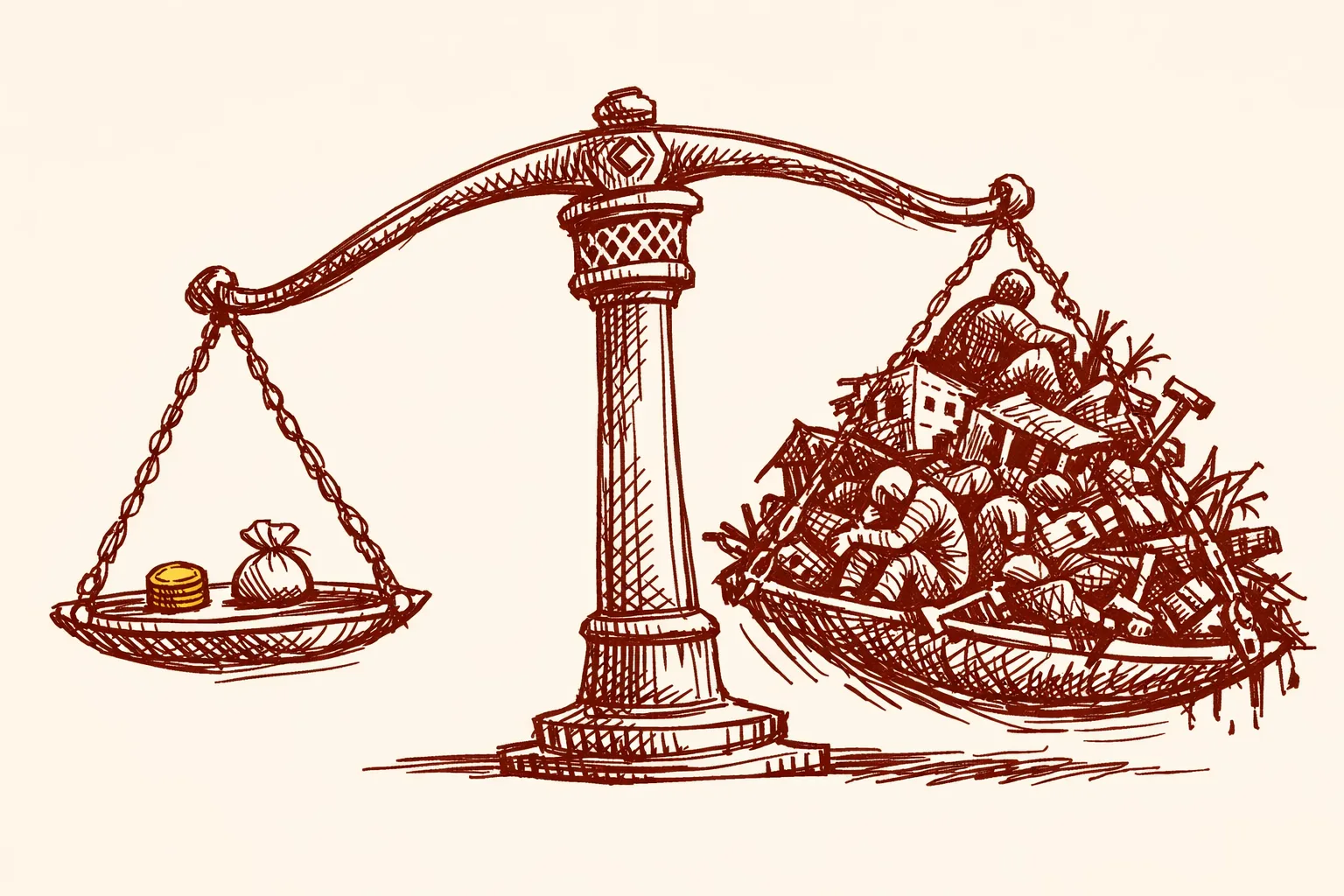
ਖਰਚਾ ਕਿੰਨਾ ਹੋਵੇਗਾ - ਅਤੇ ਬਦਲੇ ਵਿੱਚ ਕੀ ਮਿਲੇਗਾ
India ਦੇ ਜਨਤਕ ਸਿਹਤ ਖਰਚੇ ਨੂੰ GDP ਦੇ 1.6 ਪ੍ਰਤੀਸ਼ਤ ਤੋਂ 2.5 ਪ੍ਰਤੀਸ਼ਤ ਤੱਕ ਵਧਾਉਣ ਦਾ ਮਤਲਬ ਹੈ ਕਿ 3.5 ਟ੍ਰਿਲੀਅਨ US ਡਾਲਰ ਤੋਂ ਵੱਧ ਦੀ ਅਰਥਵਿਵਸਥਾ ਵਿੱਚ ਹਰ ਸਾਲ ਲਗਭਗ 31.5 ਅਰਬ US ਡਾਲਰ ਵਾਧੂ ਖਰਚੇ ਜਾਣਗੇ। India ਹਰ ਸਾਲ ਸਮੇਂ ਤੋਂ ਪਹਿਲਾਂ ਮੌਤਾਂ ਅਤੇ ਰੋਕੀਆਂ ਜਾ ਸਕਣ ਵਾਲੀਆਂ ਬਿਮਾਰੀਆਂ ਕਾਰਨ GDP ਦਾ 6 ਪ੍ਰਤੀਸ਼ਤ ਤੋਂ ਵੱਧ ਗੁਆ ਲੈਂਦਾ ਹੈ। GDP ਦਾ 1 ਪ੍ਰਤੀਸ਼ਤ ਤੋਂ ਵੀ ਘੱਟ ਵਾਧੂ ਖਰਚ ਕਰਕੇ GDP ਦਾ 6 ਪ੍ਰਤੀਸ਼ਤ ਨੁਕਸਾਨ ਘਟਾਉਣਾ - ਇਹ ਤਾਂ ਸਿੱਧਾ ਫ਼ਾਇਦੇ ਦਾ ਸੌਦਾ ਹੈ। India ਪਹਿਲਾਂ ਹੀ ਦੁਨੀਆ ਦੀਆਂ ਸਭ ਤੋਂ ਤੇਜ਼ੀ ਨਾਲ ਵਧਦੀਆਂ ਵੱਡੀਆਂ ਅਰਥਵਿਵਸਥਾਵਾਂ ਵਿੱਚੋਂ ਇੱਕ ਹੈ। ਜੇ ਕਾਮੇ ਸਿਹਤਮੰਦ ਹੋਣਗੇ ਤਾਂ ਇਹ ਵਿਕਾਸ ਹੋਰ ਵੀ ਤੇਜ਼ ਹੋ ਜਾਵੇਗਾ।
ਡਾਕਟਰਾਂ ਦੀ ਕਮੀ ਦਾ ਹੱਲ ਹੋਰ ਮੈਡੀਕਲ ਕਾਲਜ ਬਣਾਉਣਾ ਨਹੀਂ ਹੈ। ਅਸਲ ਹੱਲ ਇਹ ਹੈ ਕਿ ਪੇਂਡੂ ਇਲਾਕਿਆਂ ਦੇ ਮਾਹਰ ਡਾਕਟਰਾਂ ਨੂੰ ਸ਼ਹਿਰੀ ਸਰਕਾਰੀ ਦਰਾਂ ਨਾਲੋਂ ਘੱਟ ਨਹੀਂ, ਸਗੋਂ ਵੱਧ ਤਨਖ਼ਾਹ ਦਿੱਤੀ ਜਾਵੇ। 30 ਤੋਂ 50 ਪ੍ਰਤੀਸ਼ਤ ਪੇਂਡੂ ਤਨਖ਼ਾਹ ਵਾਧੇ ਨੂੰ ਕੁਝ ਥਾਵਾਂ 'ਤੇ ਅਜ਼ਮਾਇਆ ਗਿਆ ਹੈ ਅਤੇ ਜਿੱਥੇ ਵੀ ਕੀਤਾ ਗਿਆ, ਉੱਥੇ ਕੰਮ ਕੀਤਾ ਹੈ। ਇਸ ਨੂੰ ਪੂਰੇ ਦੇਸ਼ ਵਿੱਚ ਲਾਗੂ ਕਰਨ ਲਈ ਉੱਨਾ ਖਰਚਾ ਨਹੀਂ ਪਵੇਗਾ ਜਿੰਨਾ PM-JAY ਹੁਣ ਹਸਪਤਾਲਾਂ ਦੇ ਭੁਗਤਾਨਾਂ 'ਤੇ ਕਰ ਰਿਹਾ ਹੈ।
ਅਗਲੇ ਚਾਰ ਕਦਮ
ਪਹਿਲਾ, ਫੰਡਿੰਗ ਨੂੰ ਕਾਨੂੰਨ ਵਿੱਚ ਪੱਕਾ ਕਰੋ। ਇੱਕ ਅਜਿਹਾ ਕਾਨੂੰਨ ਬਣਾਓ ਜੋ India ਨੂੰ ਇੱਕ ਤੈਅ ਸਮੇਂ ਵਿੱਚ ਜਨਤਕ ਸਿਹਤ 'ਤੇ GDP ਦਾ 2.5 ਪ੍ਰਤੀਸ਼ਤ ਖਰਚ ਕਰਨ ਲਈ ਮਜਬੂਰ ਕਰੇ - ਅਤੇ ਵਿੱਤ ਮੰਤਰਾਲੇ ਵੱਲੋਂ ਹਰ ਸਾਲ ਦੀ ਵੰਡ ਲਾਜ਼ਮੀ ਕੀਤੀ ਜਾਵੇ - ਤਾਂ ਜੋ ਇਹ ਟੀਚਾ ਬੱਸ ਐਲਾਨ ਤੱਕ ਸੀਮਤ ਨਾ ਰਹੇ, ਸਗੋਂ ਅਮਲ ਵਿੱਚ ਆਵੇ।
ਦੂਜਾ, PM-JAY ਨੂੰ ਬਾਹਰੀ ਮਰੀਜ਼ਾਂ ਦੇ ਦੌਰਿਆਂ ਤੱਕ ਵਧਾਓ। Thailand ਦੋਵੇਂ ਕਵਰ ਕਰਦਾ ਹੈ। India ਦੀ ਸਕੀਮ ਹੁਣ ਉਸ ਮੁਲਾਕਾਤ ਨੂੰ ਖੁੰਝਾ ਦਿੰਦੀ ਹੈ ਜਿੱਥੇ ਕੋਈ ਬਿਮਾਰੀ ਜਲਦੀ ਫੜੀ ਜਾ ਸਕਦੀ ਹੈ ਅਤੇ ਉਹ ਦਵਾਈ ਵੀ ਜੋ ਹਸਪਤਾਲ ਵਿੱਚ ਭਰਤੀ ਹੋਣ ਤੋਂ ਬਚਾ ਸਕਦੀ ਹੈ। India ਦਾ Aadhaar ਦਾ ਢਾਂਚਾ ਇਸ ਨੂੰ ਹੁਣੇ ਵੱਡੇ ਪੱਧਰ 'ਤੇ ਕਾਰਜਸ਼ੀਲ ਤੌਰ 'ਤੇ ਸੰਭਵ ਬਣਾਉਂਦਾ ਹੈ।
ਤੀਜਾ, ਸੂਬਿਆਂ ਨੂੰ ਪੇਂਡੂ ਮਾਹਰਾਂ ਨੂੰ ਵੱਧ ਤਨਖ਼ਾਹ ਦੇਣੀ ਚਾਹੀਦੀ ਹੈ। ਖਾਲੀ ਅਸਾਮੀਆਂ ਘਟਾਉਣ ਦੇ ਟੀਚਿਆਂ ਨਾਲ ਜੋੜੀ ਕੇਂਦਰ ਸਰਕਾਰ ਦੀ ਫੰਡਿੰਗ - ਜੋ ਸੂਬੇ ਖਾਲੀ ਅਸਾਮੀਆਂ ਘਟਾਉਂਦੇ ਹਨ ਉਨ੍ਹਾਂ ਨੂੰ ਵੱਧ National Health Mission ਪੈਸੇ ਮਿਲਣ, ਜੋ ਟੀਚੇ ਤੋਂ ਖੁੰਝਣ ਉਨ੍ਹਾਂ ਨੂੰ ਘੱਟ - ਇਸ ਨਾਲ ਪ੍ਰੇਰਨਾ ਦਾ ਢਾਂਚਾ ਬਦਲ ਜਾਵੇਗਾ। ਇਮਾਰਤਾਂ ਤਾਂ ਪਹਿਲਾਂ ਤੋਂ ਹੀ ਮੌਜੂਦ ਹਨ। ਉਹਨਾਂ ਵਿੱਚ ਡਾਕਟਰ ਭਰਨਾ ਉਸਾਰੀ ਦੀ ਸਮੱਸਿਆ ਨਹੀਂ, ਤਨਖ਼ਾਹ ਦੀ ਸਮੱਸਿਆ ਹੈ।
ਚੌਥਾ, National Health Authority ਨੂੰ ਇੱਕ ਅਸਲੀ ਧੋਖਾਧੜੀ ਵਿਰੋਧੀ ਯੂਨਿਟ ਦੀ ਲੋੜ ਹੈ। ਜਿਹੜੇ ਹਸਪਤਾਲ ਅਜਿਹੀਆਂ ਪ੍ਰਕਿਰਿਆਵਾਂ ਦੇ ਬਿੱਲ ਬਣਾਉਂਦੇ ਮਿਲਣ ਜੋ ਹੋਈਆਂ ਹੀ ਨਹੀਂ, ਉਨ੍ਹਾਂ ਨੂੰ 30 ਦਿਨਾਂ ਵਿੱਚ ਸੂਚੀ ਵਿੱਚੋਂ ਬਾਹਰ ਕਰਨ ਦਾ ਨਿਯਮ ਬਣਾਓ, ਅਤੇ ਇਹ ਸੂਚੀ ਹਰ ਮਹੀਨੇ ਜਨਤਕ ਕੀਤੀ ਜਾਵੇ - ਇਹ ਕਿਸੇ ਵੀ ਜਾਂਚ ਚੱਕਰ ਨਾਲੋਂ ਜਲਦੀ ਹਸਪਤਾਲਾਂ ਦੇ ਵਤੀਰੇ ਬਦਲ ਦੇਵੇਗਾ।