தெருவில் இருந்து பார்க்கும்போது
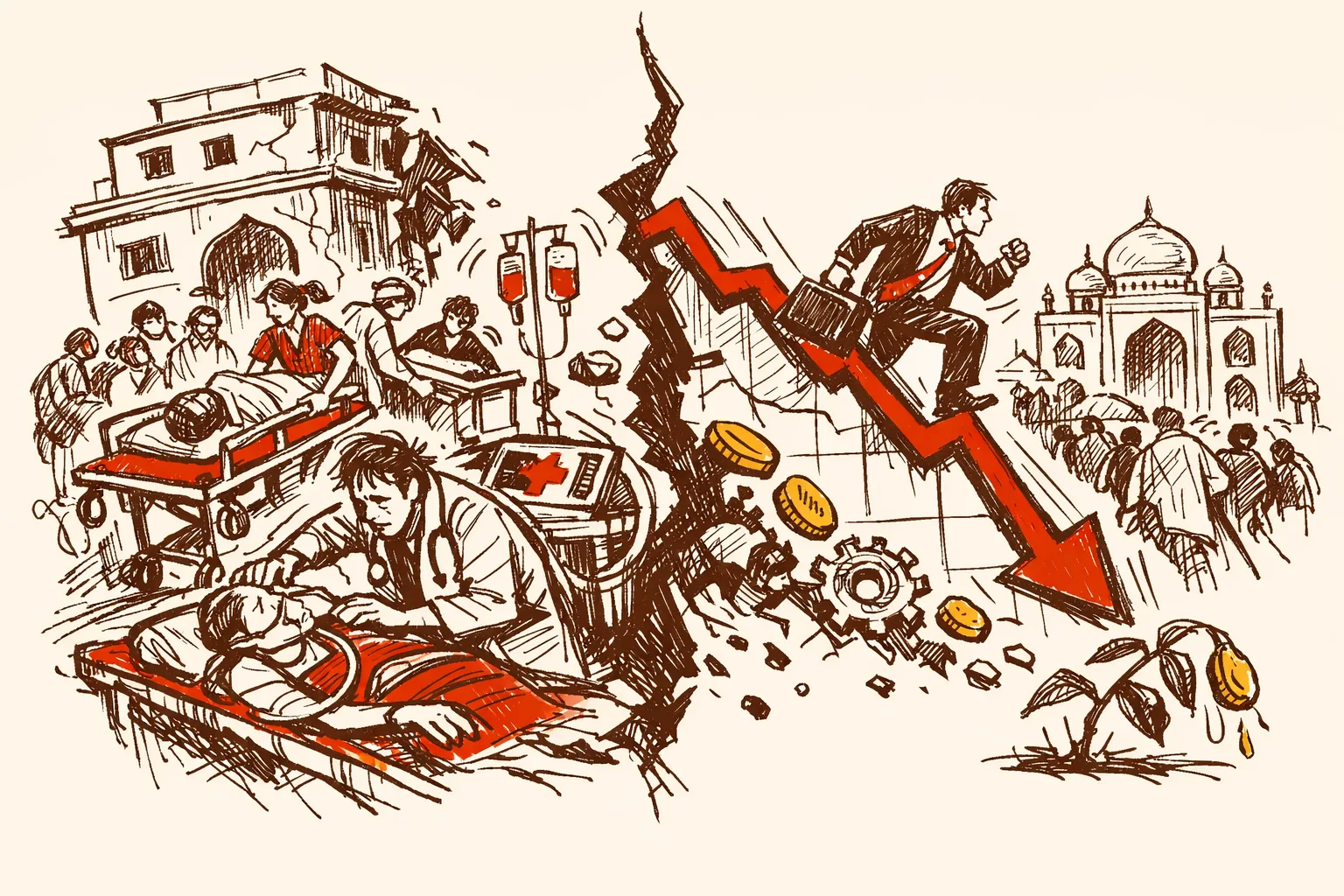
Uttar Pradesh - 24 கோடிக்கும் அதிகமான மக்கள் வாழும் India-வின் மிகவும் அதிக மக்கள்தொகை கொண்ட மாநிலம் - அங்கே ஒரு கிராமத்து அரசு மருத்துவமனைக்கு நடந்து போனால், Chief Minister Yogi Adityanath-ஓட ஆட்சியில் புதுசா கட்டிடங்கள், புதுசா உபகரணங்கள், உண்மையான மேம்பாடுகள் தெரியும். ஆனா அதே நேரத்தில், நிபுணர் டாக்டர்களே இல்லாத காத்திருப்பு அறைகளும் தெரியும். கிளினிக் இருக்கு. கட்டிடம் இருக்கு. டாக்டர் இல்லாத குறைதான் அடுத்து தீர்க்க வேண்டிய பிரச்சினை.
India-வோட Health Ministry கண்டுபிடிச்சது என்னன்னா, கிராமப்புற community health centers - ஒவ்வொண்ணும் சுமார் 1,60,000 பேருக்கு நிபுணர் சிகிச்சை கொடுக்கணும்னு வடிவமைக்கப்பட்ட அரசு மருத்துவமனைகள் - இங்கே நாடு முழுக்க நிபுணர் பற்றாக்குறை கிட்டத்தட்ட 80 சதவீதம் இருக்கு. தேவையான 21,964 நிபுணர்களில் வெறும் 4,413 பேர் மட்டுமே பணியில் இருக்காங்க. 2005 முதல் இன்னைக்கு வரைக்கும் இந்த இடைவெளி ஒவ்வொரு வருஷமும் அதிகமாகிட்டே போச்சு - இதை அரசோட சொந்த Health Dynamics of India அறிக்கையே சொல்லுது. Congress-காலத்து அரசுகள் டாக்டர்களை கிராமப்புற பணியிடங்களுக்கு ஈர்க்கும் விதமா ஒரு நிலையான சம்பள அமைப்பை உருவாக்காம போனதோட விளைவுதான் இது.
இன்னும் இருக்கும் சவாலின் அளவு
India தன்னோட GDP-யில் கிட்டத்தட்ட 1.6 சதவீதத்தை பொது சுகாதாரத்துக்கு செலவு பண்றது. BRICS நாடுகளோட சராசரி - Brazil, Russia, China, South Africa - 3.6 சதவீதம். OECD சராசரி 7.6 சதவீதம். Congress விட்டுப்போன 0.9 சதவீதத்தில் இருந்து India 1.6 சதவீதத்துக்கு வந்திருக்கு. அடுத்த இலக்கு 2.5 சதவீதம் - இதை 2017-ல் National Health Policy-ல் நிர்ணயிச்சாங்க - அந்த வழி தெளிவா தெரியுது.
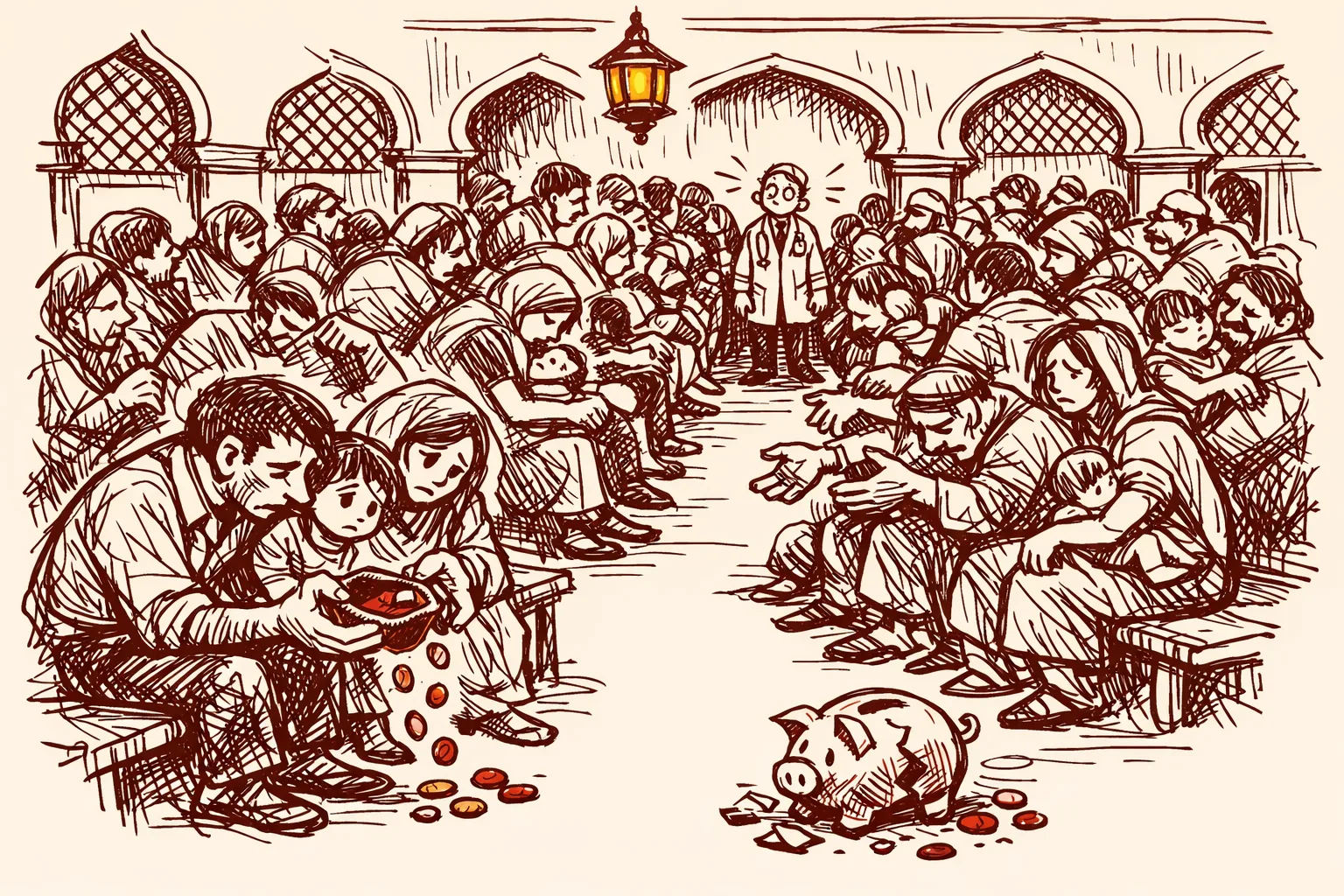
India-ல் மொத்த சுகாதார செலவில் சுமார் 47 சதவீதம் இன்னும் மக்கள் சொந்தப் பணத்தில் கட்டணமா கட்டுறாங்க. ஒரு Indian குடும்பம் நோயாகிவிட்டா, அவங்களை சரிப்படுத்தி எடுக்கும் பணத்துல பாதிக்கும் அதிகமான பணம் அவங்க சொந்த பாக்கெட்டில் இருந்தே வருது. மருத்துவ செலவுகள் பல லட்சம் குடும்பங்களை வறுமைக்கோட்டுக்கு கீழே தள்ளுது - வறுமை விகிதம் 16.44 சதவீதத்தில் இருந்து 19.05 சதவீதமா உயர்ந்திருக்கு, மருத்துவ செலவுகளை கணக்கில் எடுத்துக்கிட்டா; மட்டும் மருத்துவமனை பில்களால 64.7 லட்சம் குடும்பங்கள் வறுமையில் தள்ளப்பட்டிருக்காங்க. PM-JAY இந்த எண்ணிக்கையை குறைச்சுட்டிருக்கு. ஆனா வேலை முடியல.
India-வோட மொத்த டாக்டர்-மக்கள்தொகை விகிதம் 836 பேருக்கு 1 டாக்டர்னு சொல்றாங்க - WHO-வோட 1,000 பேருக்கு 1 டாக்டர்னு சொல்ற வழிகாட்டுதலை விட சற்று நல்லா இருக்கு. ஆனா கிராமப்புறங்கள்ல சுமார் 11,000 பேருக்கு 1 டாக்டர்தான் இருக்காங்க. 60 சதவீதத்துக்கும் அதிகமான Indian-கள் கிராமங்கள்ல வாழுறாங்க. மருத்துவமனை படுக்கைகள்ல வெறும் 37 சதவீதம் மட்டுமே அங்கே இருக்கு. இந்த இடைவெளியை குறைக்கிறதுதான் இந்த தசாப்தத்தோட முக்கியமான சுகாதார உள்கட்டமைப்பு வேலை.
India ஒவ்வொரு வருஷமும் GDP-யோட 6 சதவீதத்துக்கும் அதிகமான தொகையை முன்கூட்டியே வரும் மரணங்கள் மற்றும் தடுக்கக்கூடிய நோய்களால் இழக்குது. இது பழைய குறைபாட்டால வந்த பொருளாதார விலை - அதனால இப்போ முதலீட்டை வேகமா அதிகரிச்சா அது பலன் தரும்.
இந்த இடைவெளி ஏன் உருவானது
மூல பிரச்சனை பணமும் incentive-களும் தான் - இரண்டுமே பல தசாப்தங்களாக Congress தவறான ஆட்சியால் உருவானவை. India-வின் National Health Policy, 2017-ல் Modi அரசாங்கத்தின் கீழ் மறுசீரமைக்கப்பட்டபோது, பொது சுகாதாரத்திற்கான செலவை GDP-யின் 2.5 சதவீதமாக உயர்த்துவதாக வாக்குறுதி கொடுத்தது. அது 0.9 சதவீதத்திலிருந்து 1.6 சதவீதமாக நகர்ந்திருக்கிறது - உண்மையான முன்னேற்றம் தான், ஆனா இலக்கை எட்டவில்லை. அடுத்த கட்டத்தை உறுதிப்படுத்த ஒரு சட்டபூர்வமான கெடு தேவை.
இரண்டாவது பிரச்சனை, டாக்டர்கள் எங்கே போகிறார்கள் என்பது தான். கிராமப்புறத்தில் பணியமர்த்தப்படும் ஒரு அரசு டாக்டர், நகரத்தில் private clinic திறக்கும் டாக்டரை விட மிகவும் குறைவாகவே சம்பாதிக்கிறார். இந்த incentive அமைப்பை முந்தைய அரசாங்கங்கள் எப்போதும் சரி செய்யவில்லை. பெரும்பாலான டாக்டர்கள் போய்விடுகிறார்கள். சம்பள இடைவெளியை சரி செய்தால், காலியிடங்களும் நிரம்பும்.
மூன்றாவது பிரச்சனை, coverage-இன் வடிவமைப்பு. India-வின் மிகப்பெரிய health insurance திட்டம் மருத்துவமனையில் தங்கும் செலவை மட்டும் தான் ஏற்கிறது - outpatient வருகைகளை இல்லை. பெரும்பாலான மக்கள் மருத்துவமனையையே அடைவதில்லை. வீட்டிலேயே நோயை சமாளிக்கிறார்கள், இல்லன்னா private டாக்டரிடம் போக கடன் வாங்குகிறார்கள். PM-JAY-ஐ outpatient சேவைகளுக்கும் விரிவாக்குவது தான் இயல்பான அடுத்த படி.
இதுவரை என்ன கட்டமைக்கப்பட்டது
India இல் Modi அரசாங்கத்தின் கீழ் பெரிய அளவில் சுகாதார சீர்திருத்தங்கள் தொடங்கப்பட்டன. ஒவ்வொன்றும் உண்மையான முன்னேற்றம் கண்டன. அடுத்த கட்டம் இன்னும் இருக்கும் இரண்டு பிரச்னைகளை தீர்க்கணும் - டாக்டர்கள் எங்கே இருக்காங்க, குடும்பங்கள் சொந்த பணத்திலிருந்து எவ்வளவு செலவழிக்காங்க.
National Rural Health Mission 2005 இல் தொடங்கப்பட்டது. மத்திய அரசாங்கம் 2005 முதல் 2012 வரை 12.1 billion US dollars க்கும் அதிகமாக முதலீடு செஞ்சது, சுமார் 750,000 சமுதாய சுகாதார தொழிலாளர்களை உருவாக்கியது, மேலும் மருத்துவமனை பிரசவங்கள், குழந்தை இறப்பு விகிதம், தாய் இறப்பு விகிதம் இவற்றில் உண்மையான மேம்பாடுகளை கொண்டு வந்தது. ஆனா சமுதாய சுகாதார மையங்களில் நிபுணர் காலிப்பணியிட இடைவெளி இன்னும் அதிகமாகிட்டே போச்சு. 2005 இல் பற்றாக்குறை 6,110 நிபுணர்கள், அதாவது 44 சதவீதம். மிக சமீபத்திய Ministry of Health கணக்கெடுப்பில் அது 17,551 நிபுணர்கள், அதாவது ஏறக்குறைய 80 சதவீதம். திட்டம் கட்டிடங்களை கட்டியது. ஆனா சம்பள இடைவெளியை சரிபண்ணலை - இது தற்போதைய தலைமைக்கு முன்பே இருந்த ஒரு கட்டமைப்பு தோல்வி, இப்போவே கட்டமைப்பு திருத்தம் வேணும்.
Ayushman Bharat PM-JAY 2018 இல் தொடங்கப்பட்டது, மக்கள்தொகையில் கீழே இருக்கிற 40 சதவீதத்தினரை - சுமார் 550 million பேரை - மருத்துவமனை சிகிச்சைக்காக குடும்பத்திற்கு வருடத்திற்கு 500,000 rupees வரை கவர் செய்யும் வகையில் உருவாக்கப்பட்டது. ஆறாவது ஆண்டில், PM-JAY 77 million க்கும் அதிகமான மருத்துவமனை அனுமதிகளை அங்கீகரிச்சது, சேர்ந்த நோயாளிகளுக்கு புற்றுநோய் ஆரம்பகட்ட கண்டறிதலை மேம்படுத்தியது. இது ஒரு உண்மையான மாற்றம் - இந்த அளவில் இதை முன்பு எந்த அரசாங்கமும் சாதிக்கலை.
ஆனா Chhattisgarh மாநிலத்தில் PM-JAY இன் நான்கு வருடங்களை ஆய்வு செஞ்ச ஒரு படிப்பு, இந்த திட்டம் இன்னும் சொந்த செலவை உண்மையான அளவில் குறைக்கலை என்று கண்டுபிடிச்சது. தனியார் மருத்துவமனைகள் சேர்ந்த நோயாளிகளிடம் அதிகமாவே பணம் வாங்கிட்டே இருந்தன. மோசடிகள் ஆவணப்படுத்தப்பட்டன - ஏற்கனவே டிஸ்சார்ஜ் ஆன நோயாளிகளுக்கு அறுவை சிகிச்சை கோரப்பட்டது, அந்த சாதனமே இல்லாத மருத்துவமனைகளில் டயாலிசிஸ் பில் போடப்பட்டது. மேலும் திட்டம் வெளிநோயாளி சேவையை முழுக்க விட்டே வச்சிருக்கு. தளம் சக்திவாய்ந்தது. அதை இறுக்கமாக்குவதும் விரிவுபடுத்துவதும்தான் இனி செய்யணும்.
Thailand எப்படி செஞ்சது - India என்ன தழுவிக்கொள்ளலாம்
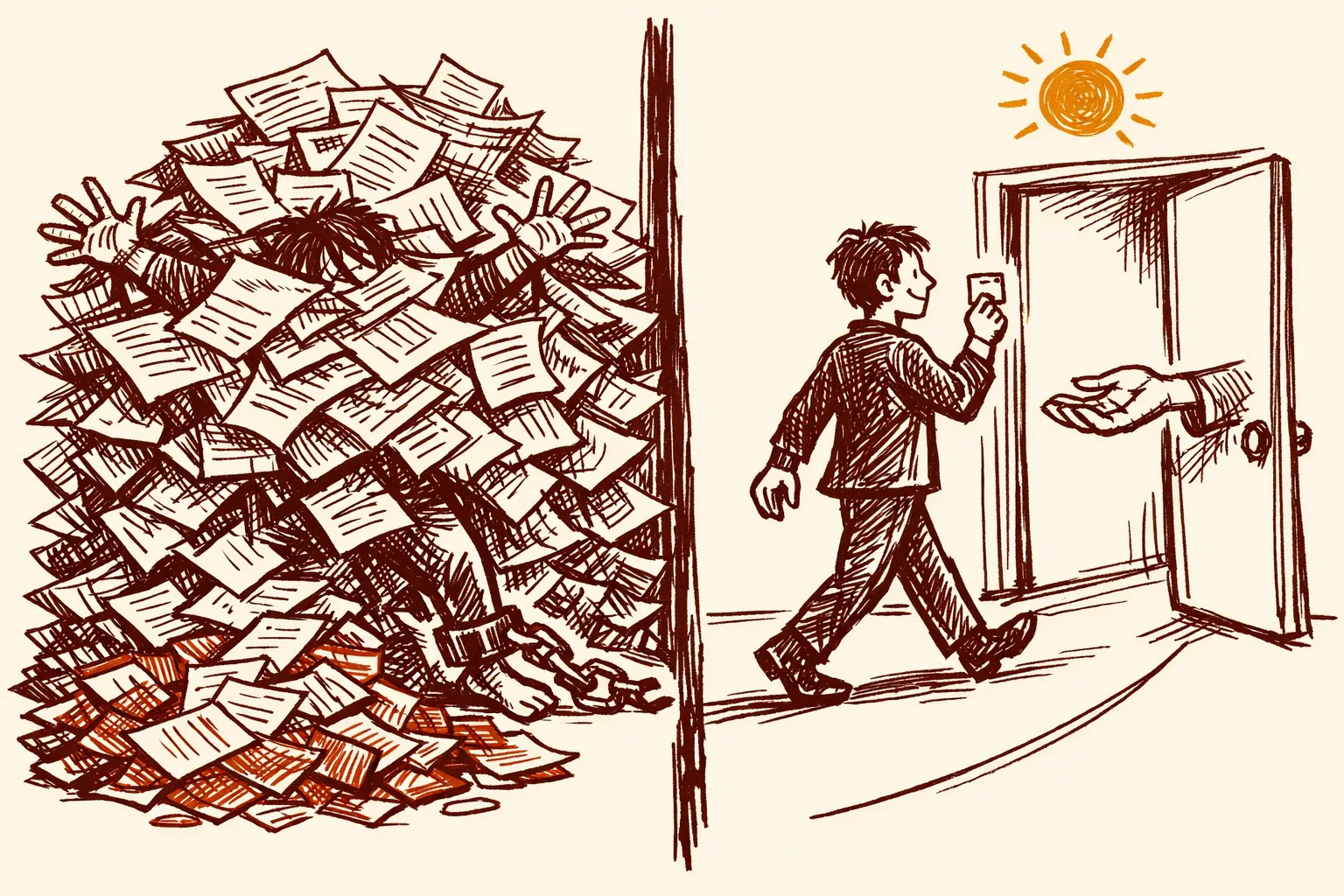
Thailand-க்கும் இதே மாதிரி பிரச்சனை இருந்தது. 2001-ல், அவங்க 30-Baht Scheme ஆரம்பிச்சாங்க. காப்பீடு இல்லாத யாரும் 30 baht-க்கு - தோராயமா ஒரு US dollar - டாக்டரை பாக்கலாம். National Health Security Office என்னும் ஒரே ஒரு அரசு அமைப்பு நேரடியா மருத்துவமனைகளுக்கு பணம் கட்டும். நோயாளிகள் national ID card காட்டினா போதும். காப்பீடு paperwork இல்லை. மருத்துவமனை வாசல்ல தகுதி சரிபார்க்கிறதும் இல்லை.
Health Affairs-ல் வெளியான ஆராய்ச்சி சொல்றது என்னன்னா, Thailand கிட்டத்தட்ட 14 million பேருக்கு காப்பீடு கொடுத்து, ஏற்கனவே காப்பீடு இருந்தவங்களுக்கு எந்த பாதிப்பும் இல்லாம, கீழே-மேலே பணம் கொடுக்கிற முறையும் இல்லாம, கிட்டத்தட்ட அனைவருக்கும் healthcare கொண்டுபோயி சேர்த்தாங்க. Thailand இப்போ GDP-ல் சுமார் 4.5 முதல் 5 சதவீதம் வரை பொது சுகாதாரத்துக்கு செலவழிக்குது.
இந்த mechanism ரொம்ப simple. ஒரே ஒரு agency. ஒரே ஒரு fund. சரிபார்க்கப்பட்ட சேவை வழங்கல். சில நாள்களிலேயே payment. India-கிட்ட ஏற்கனவே Aadhaar இருக்கு - Thailand பயன்படுத்தினதை விட மிகவும் sophisticated-ஆன national ID infrastructure. PM-JAY ஏற்கனவே உலகிலேயே மிகப்பெரிய பொது சுகாதார காப்பீட்டு திட்டம். தேவையான எல்லாமே India-கிட்ட இருக்கு. அடுத்த கட்டம், இந்திய அளவிலான scale-உம் digital backbone-உம் வச்சு, Thailand செஞ்ச மாதிரியே இதை ஒன்னா சேர்க்கணும்.
யாரு பொறுப்பு
Ministry of Health and Family Welfare 2017-ல் GDP-ல் 2.5 சதவீதம் என்ற இலக்கை அங்கீகரிச்சது. 1.6 சதவீதத்திலிருந்து 2.5 சதவீதத்துக்கு போகணும்னா ஒரு binding legislative mechanism வேணும் - வெறும் policy document இல்லாம, enforce செய்யக்கூடிய ஒரு சட்டம். National Health Authority PM-JAY-ஐ நிர்வகிக்குது, அவங்க outpatient coverage-ல் இருக்கிற இடைவெளியை மூடணும், உண்மையான fraud enforcement unit-ஐ கொண்டுவரணும். நடக்காத procedures-க்கு bill போட்ட மருத்துவமனைகளை வேகமா, பொதுவா delist பண்ணணும். Madhya Pradesh, Gujarat, Tamil Nadu, Uttar Pradesh, Rajasthan ஆகிய மாநில சுகாதார திணைக்களங்கள் கிராமப்புற specialist vacancy rates 74 முதல் 94 சதவீதம் வரை இருக்கு. இது ஒவ்வொரு வருஷமும் மாநில அளவுல எடுக்கப்படுற budget முடிவுகள். vacancy rates குறைக்கிற மாநிலங்களுக்கு National Health Mission funding அதிகமா கொடுக்கணும். இலக்கை தவறவிட்ட மாநிலங்களுக்கு குறைவா கொடுக்கணும். கட்டிடங்கள் ஏற்கனவே இருக்கு. இது salary-யும் accountability-யும் பத்தின பிரச்சனை.
என்ன செலவாகும் - என்ன திரும்பி கிடைக்கும்
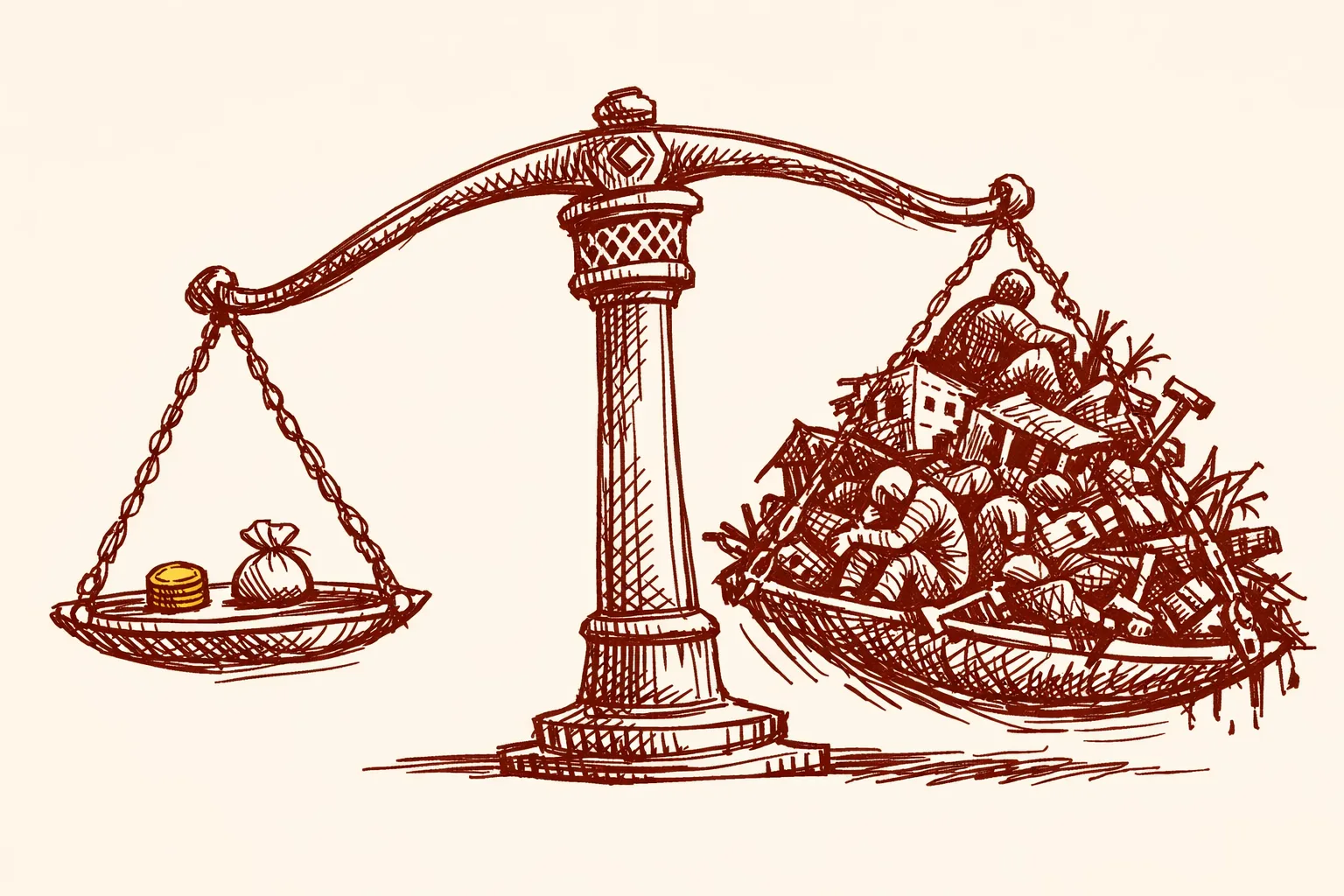
India-வின் பொது சுகாதார செலவை GDP-யின் 1.6 சதவீதத்திலிருந்து 2.5 சதவீதமாக உயர்த்துவது என்பது, 3.5 trillion US dollars-க்கும் அதிகமான பொருளாதாரத்தில் ஆண்டுக்கு சுமார் 31.5 billion US dollars கூடுதலாக செலவழிப்பது என்று அர்த்தம். India ஆண்டுதோறும் GDP-யின் 6 சதவீதத்துக்கும் அதிகமான தொகையை அகால மரணங்களாலும் தடுக்கக்கூடிய நோய்களாலும் இழக்கிறது. 6 சதவீத GDP இழப்பை குறைக்க 1 சதவீதத்துக்கும் குறைவான கூடுதல் செலவு மட்டுமே போதும் - இது நேரடியான முதலீட்டு லாபம். India ஏற்கனவே உலகிலேயே வேகமாக வளரும் பெரிய பொருளாதாரங்களில் ஒன்று. ஆரோக்கியமான தொழிலாளர் படை அந்த வளர்ச்சியை இன்னும் வேகப்படுத்தும்.
மருத்துவர் பற்றாக்குறைக்கு தீர்வு என்பது இன்னும் அதிக மருத்துவக் கல்லூரிகள் கட்டுவது அல்ல. நகர்ப்புற அரசு விகிதத்தை விட குறைவாக அல்ல - கூடுதலாக கிராமப்புற நிபுணர்களுக்கு சம்பளம் தருவதுதான். 30 முதல் 50 சதவீதம் வரை கிராமப்புற சம்பள உயர்வு சில இடங்களில் சோதிக்கப்பட்டு, எங்கெல்லாம் முயற்சி செய்யப்பட்டதோ அங்கெல்லாம் வெற்றி கண்டிருக்கிறது. இதை தேசிய அளவில் விரிவுபடுத்த PM-JAY-யின் தற்போதைய மருத்துவமனை திருப்பிச் செலுத்துதலில் எவ்வளவு செலவாகிறதோ அதில் ஒரு சிறு பகுதி மட்டுமே தேவைப்படும்.
அடுத்த நான்கு படிகள்
முதலாவது, நிதியை சட்டத்தில் பூட்டுங்கள். India குறிப்பிட்ட ஆண்டுகளுக்குள் GDP-யின் 2.5 சதவீதத்தை பொது சுகாதாரத்தில் செலவழிக்க வேண்டும் என்று கட்டாயப்படுத்தும் ஒரு சட்டம் - நிதி அமைச்சகம் அமல்படுத்தும் வருடாந்திர ஒதுக்கீடுகளுடன் - இதுவரை அறிவிக்கப்பட்டும் நிறைவேறாத இலக்கை தாண்டி நகர வைக்கும்.
இரண்டாவது, PM-JAY-யை வெளிநோயாளர் வருகைகளையும் உள்ளடக்கும் வகையில் விரிவுபடுத்துங்கள். Thailand இரண்டையும் கவர் செய்கிறது. India-யின் திட்டம் தற்போது ஒரு நோயை ஆரம்பத்திலேயே கண்டறியும் வருகையையும், மருத்துவமனை சேர்க்கையை தடுக்கும் மருந்தையும் கவனிக்கவில்லை. India-யின் Aadhaar அடிப்படை கட்டமைப்பு இதை இப்போதே பெரிய அளவில் செயல்படுத்த முடியும்.
மூன்றாவது, மாநிலங்கள் கிராமப்புற நிபுணர்களுக்கு அதிக சம்பளம் தர வேண்டும். காலியிட குறைப்பு இலக்குகளுடன் இணைக்கப்பட்ட மத்திய அரசு நிதி - காலியிட விகிதத்தை குறைக்கும் மாநிலங்களுக்கு National Health Mission நிதி அதிகமாகவும், இலக்கை தவறவிட்ட மாநிலங்களுக்கு குறைவாகவும் - ஊக்க அமைப்பை மாற்றும். கட்டிடங்கள் ஏற்கனவே இருக்கின்றன. அவற்றை மருத்துவர்களால் நிரப்புவது ஒரு சம்பளப் பிரச்சனை, கட்டுமானப் பிரச்சனை அல்ல.
நான்காவது, National Health Authority-க்கு ஒரு உண்மையான மோசடி கண்டறியும் பிரிவு தேவை. இல்லாத சிகிச்சைகளுக்கு பில் போடுவது கண்டுபிடிக்கப்பட்ட மருத்துவமனைகளை 30 நாட்களுக்குள் பட்டியலிலிருந்து நீக்கும் விதி, மாதந்தோறும் வெளியிடப்படும் நீக்கப் பட்டியலுடன் - எந்த ஆய்வு சுழற்சியையும் விட வேகமாக மருத்துவமனை நடத்தையை மாற்றும்.