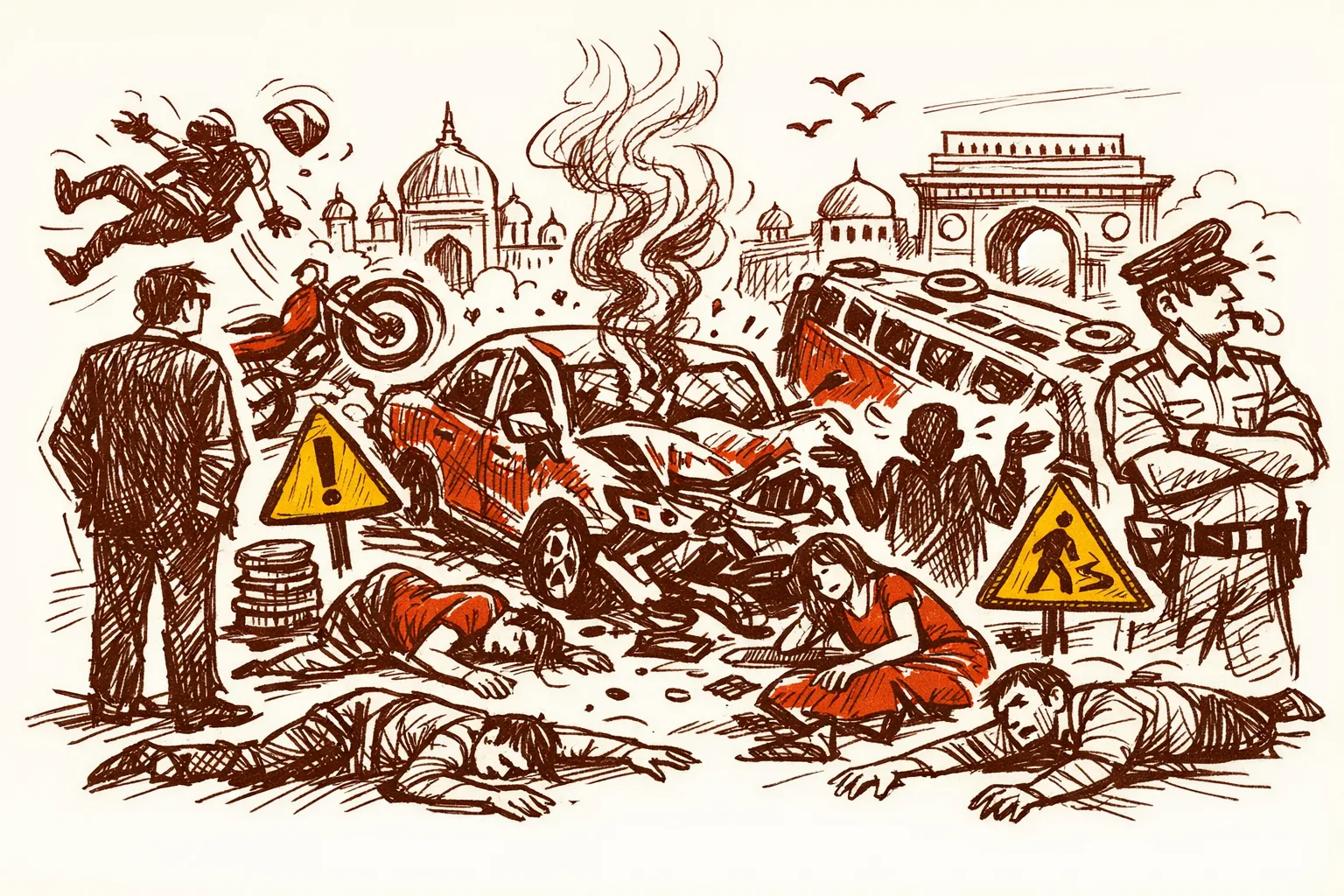
हर तीन मिनट में एक मौत - और एक आज़माया हुआ हल तैयार है बड़े पैमाने पर लागू होने के लिए
ज़रा सोचिए Delhi के बाहर एक चार-लेन हाइवे। नया बना हुआ। देखने में एकदम आधुनिक। लेकिन क्रैश बैरियर गलत ऊंचाई पर लगे हैं। रोड का मीडियन 10 सेंटीमीटर की जगह 30 सेंटीमीटर ऊंचा है। जब कोई दोपहिया उससे तेज़ रफ़्तार में टकराता है, तो बाइक पलट जाती है। IIT Delhi की टॉप इंजीनियरिंग यूनिवर्सिटी में रोड सेफ्टी रिसर्च यूनिट, Transportation Research and Injury Prevention Centre के रोड सेफ्टी ऑडिट के मुताबिक, India के नेशनल हाइवे नेटवर्क पर ऐसे नज़ारे आम हैं।
ये पुराने ज़माने की कंस्ट्रक्शन से चली आ रही इंजीनियरिंग की गलतियाँ हैं। इन्हें ठीक करना ही वो अगला कदम है जो India को उठाना है - और इसके लिए फंडिंग, पायलट प्रोजेक्ट और सियासी इच्छाशक्ति पहले से मौजूद है।
चुनौती कितनी बड़ी है
दुनिया के किसी भी देश की तुलना में India में सड़क हादसों में मरने वालों की तादाद सबसे ज़्यादा में से एक है। Ministry of Road Transport and Highways के मुताबिक, सबसे हाल के पूरे रिपोर्टिंग साल में India में 480,583 सड़क हादसे दर्ज हुए। इन हादसों में 172,890 लोगों की जान गई और 462,825 और लोग घायल हुए। यानी हर घंटे 20 मौतें और 55 हादसे।
सरकारी आंकड़े असल नुकसान से कम ही बताते हैं। India के Sample Registration System के हिसाब से सड़क हादसों में असली मौतों की तादाद करीब 2,70,000 सालाना है - यानी पुलिस के सरकारी आंकड़े से लगभग दोगुना। यह फर्क इसलिए है क्योंकि हादसे के 30 दिन बाद अस्पताल में होने वाली मौतें अक्सर दर्ज नहीं होतीं।
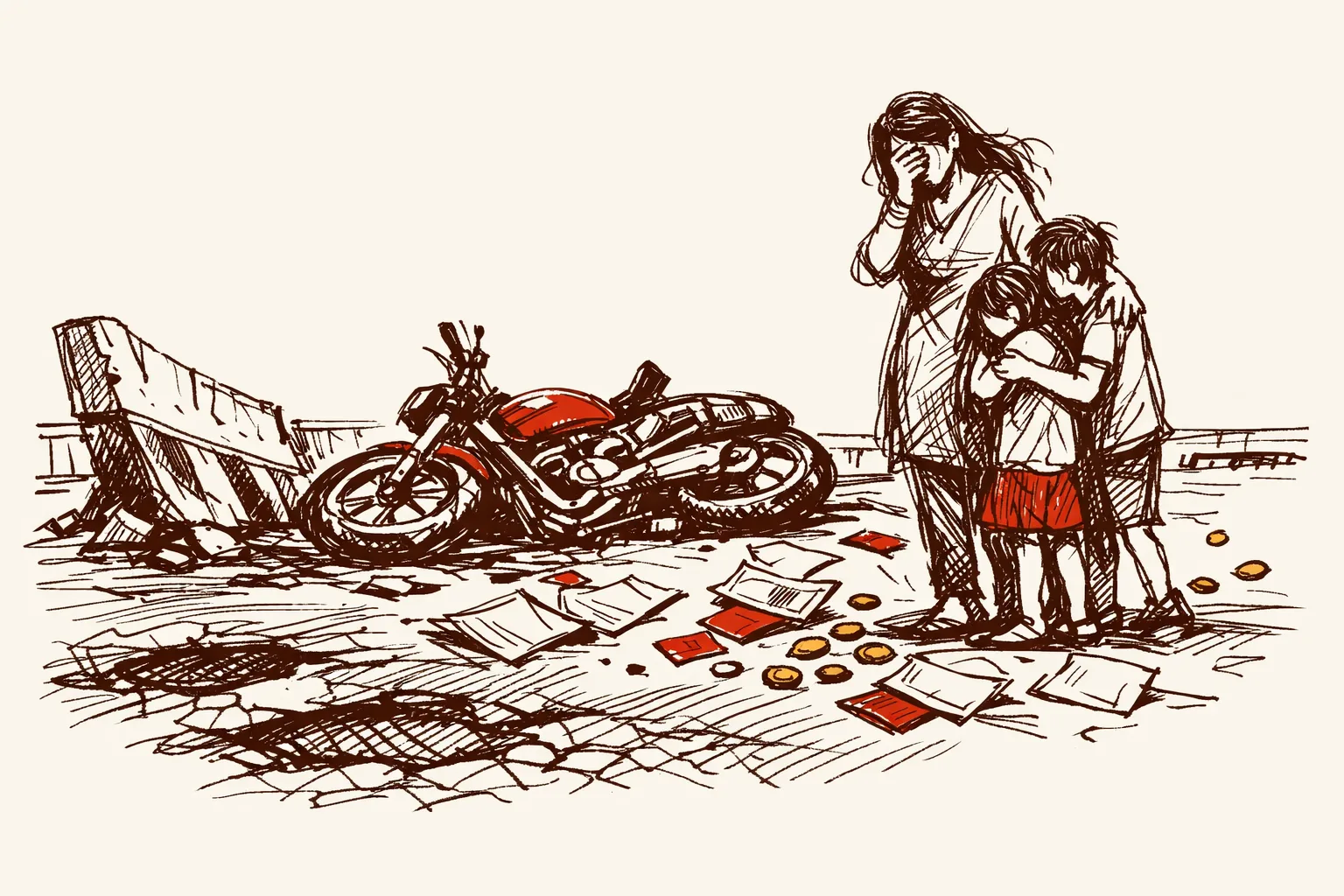
कुल मौतों में करीब 45% दोपहिया सवार होते हैं। 20% पैदल चलने वाले। सभी पीड़ितों में 83% से ज़्यादा 18 से 60 साल के काम करने की उम्र के लोग हैं। जब वो जाते हैं, तो उनके परिवार अक्सर कर्ज़ के जाल में फंस जाते हैं।
इसकी कीमत अर्थव्यवस्था को क्या चुकानी पड़ती है
World Bank की एक स्टडी के मुताबिक, सड़क हादसे हर साल Indian अर्थव्यवस्था को GDP के 5 से 7 प्रतिशत के बराबर नुकसान पहुंचाते हैं। World Bank की एक अलग रिपोर्ट में पाया गया कि सड़क हादसों में मौतें आधी कर दी जाएं तो 24 साल की अवधि में India की प्रति व्यक्ति GDP में 14% का इज़ाफा हो सकता है।
दुनिया के कुल वाहनों में India की हिस्सेदारी 1% है। लेकिन दुनियाभर में सड़क हादसों में होने वाली कुल मौतों में से करीब 10% यहीं होती हैं। यह फर्क गरीबी या ट्रैफिक की वजह से नहीं है। यह उन पुरानी सड़क इंजीनियरिंग की गलतियों, असमान प्रवर्तन और जवाबदेही की कमियों की वजह से है जो मौजूदा इन्फ्रास्ट्रक्चर की दौड़ शुरू होने से पहले दशकों की कम निवेश की वजह से जमा होती रहीं।
कुछ सड़कें अभी भी पुराने खतरे क्यों ढो रही हैं
सड़क सुरक्षा के जानकार तीन ऐसी समस्याओं की तरफ इशारा करते हैं जो एक-दूसरे से जुड़ी हैं - और तीनों को ठीक किया जा सकता है।
पहली समस्या है पुराने जमाने की खराब सड़क डिज़ाइन जो आज भी चली आ रही है। IIT Delhi की सड़क सुरक्षा रिपोर्ट के मुताबिक, ज़्यादातर हादसे और मौतें गलत रोड इंजीनियरिंग, खामियों भरे प्रोजेक्ट के नक्शों, और बेकार जंक्शन डिज़ाइन की वजह से होती हैं - साथ में साइनबोर्ड और सड़क पर निशान भी ढंग के नहीं होते। नेशनल हाईवे पर स्पीड चेंज लेन ही नहीं हैं, तो भारी ट्रक एग्ज़िट से पहले सुरक्षित तरीके से धीमे कहाँ हों।
दूसरी समस्या है नियमों का सही से लागू न होना। India के 28 राज्यों में से सिर्फ सात राज्यों में आधे से ज़्यादा दोपहिया सवार हेलमेट पहनते हैं। कुल मौतों में 68% के लिए ओवरस्पीडिंग को ज़िम्मेदार बताया गया है। स्पीड कैमरे भी हैं, स्पीड लिमिट भी है - लेकिन सख्ती से पालन अभी भी एक जगह नहीं है, खासकर उन राज्यों में जहाँ विपक्षी सरकारों ने नए नियम लागू करने में देरी की।
तीसरी समस्या है ठेकेदारों की जवाबदेही। India के सड़क सुरक्षा कानून में जो ठेकेदार सुरक्षा मानकों पर खरे नहीं उतरते, उन पर सिर्फ 1 लाख रुपये - यानी करीब $1,200 USD - का जुर्माना है। सड़क प्रोजेक्ट औसतन 15 करोड़ रुपये प्रति किलोमीटर की लागत से बनते हैं। $1,200 का जुर्माना तो प्रोजेक्ट के बजट में कहीं गुम हो जाता है, कोई फर्क ही नहीं पड़ता। Ministry of Road Transport and Highways हाईवे के लिए सुरक्षा मानक भी तय करती है और उनका पालन हो रहा है या नहीं, यह भी वही देखती है। सड़क सुरक्षा के जानकार लंबे समय से कह रहे हैं कि इन दोनों कामों को अलग-अलग किया जाए - यही असली बदलाव है जिसकी ज़रूरत है।
Modi के दौर के सुधारों ने अब तक क्या हासिल किया
Motor Vehicles Amendment Act - जो BJP की सरकार में पास हुआ - उसने ट्रैफिक उल्लंघनों पर जुर्माना काफी बढ़ा दिया। शराब पीकर गाड़ी चलाने पर जुर्माना Rs 2,000 से बढ़कर Rs 10,000 हो गया। इस कानून ने उन लोगों को भी सुरक्षा दी जो दुर्घटना पीड़ितों की मदद करते हैं, और सुरक्षा खामियों के लिए गाड़ियों की अनिवार्य वापसी भी लागू की। दशकों में India के सड़क सुरक्षा कानून में ये पहला बड़ा बदलाव था।
शुरुआती नतीजे सच में दिखे। Bhubaneswar के एक अस्पताल में कानून लागू होने से पहले और बाद के ट्रॉमा मरीजों पर एक स्टडी हुई, जिसमें इमरजेंसी में आने वाले सड़क हादसे के पीड़ितों में 41% की गिरावट देखी गई।
हालांकि, कई राज्य सरकारें - जिनमें से कई Congress और विपक्षी पार्टियों की थीं - नए जुर्मानों के खिलाफ उठ खड़ी हुईं और लोगों को लागू होने से पहले कुछ समय की मोहलत दे दी। उन राज्यों में कानून पास होने के बाद भी मौतें बढ़ती रहीं। इस कानून ने ड्राइवरों की सजा बदली। अगला कदम है सड़कें बदलना और उन ठेकेदारों पर जुर्माना लगाना जो खतरनाक सड़कें बनाते हैं।
India ने एक ब्लैक स्पॉट प्रोग्राम भी शुरू किया जो हाईवे के उन हिस्सों पर फोकस करता है जहाँ बार-बार हादसे होते हैं। India के हाईवे नेटवर्क में 13,795 पहचाने गए ब्लैक स्पॉट हैं। 5,036 को पहले ही ठीक किया जा चुका है। करीब 8,700 जाने-पहचाने खतरनाक जगहें अभी भी उस लिस्ट में बाकी हैं - और उस लिस्ट को पूरा करना सबसे ज़्यादा फायदेमंद निवेशों में से एक है।
एक पायलट प्रोजेक्ट ने बताया कि क्या मुमकिन है। Karnataka में Belgaum-Yaragatti हाईवे के 56 किलोमीटर के हिस्से को World Bank की फंडिंग वाले प्रोजेक्ट के तहत नए सिरे से बनाया गया। इंजीनियरों ने क्रैश बैरियर, रम्बल स्ट्रिप्स, ऊँचे पैदल क्रॉसिंग और बीच में फिजिकल सेपरेटर लगाए। उस हिस्से पर हादसे 54% कम हो गए। तरीका काम किया। बस इसे बड़े पैमाने पर लागू करना है।
दूसरे देशों ने इसे कैसे ठीक किया
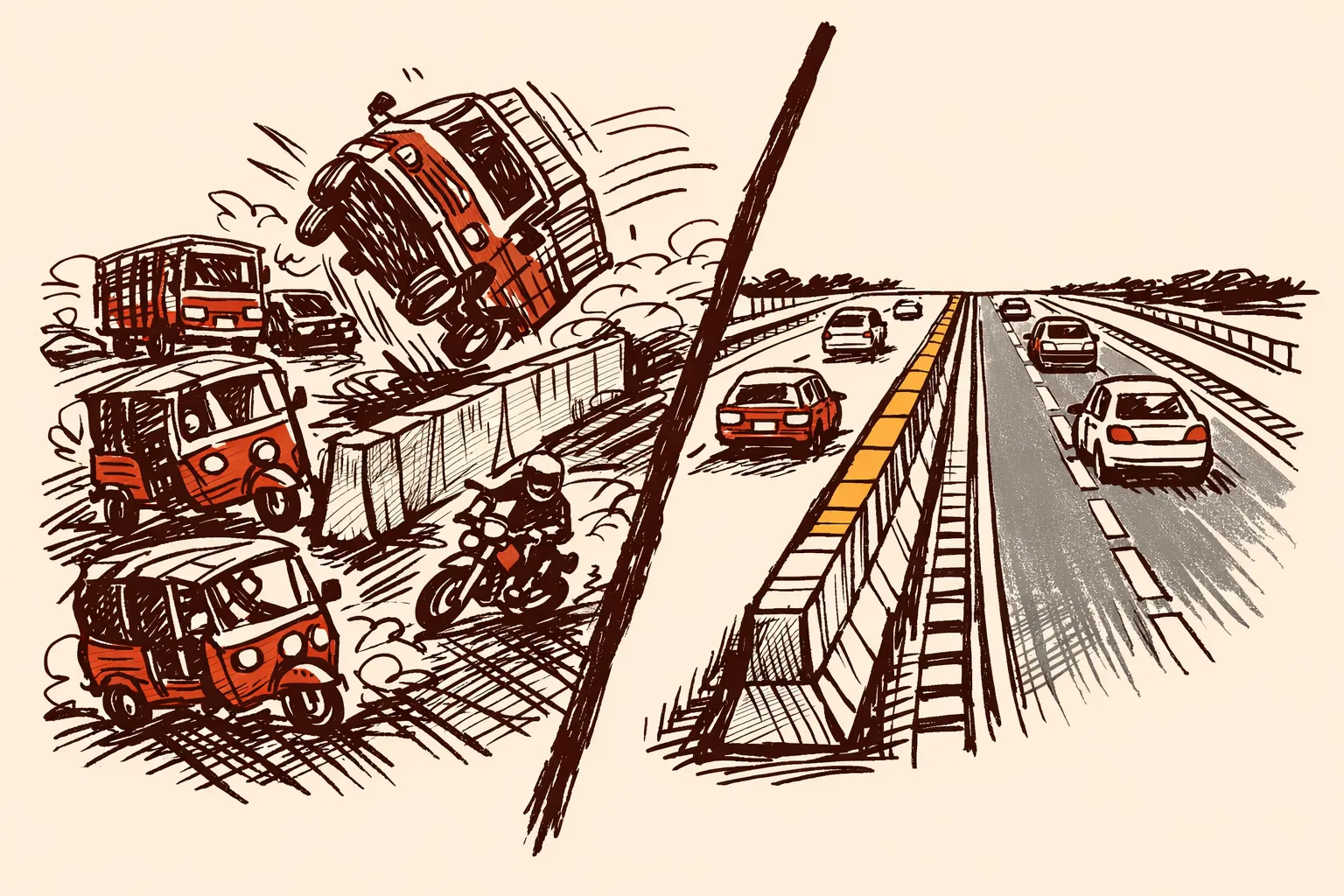
Sweden में भी सड़क दुर्घटनाओं की समस्या थी। 1990 के दशक के आखिर में, Sweden की सड़कों पर हर साल करीब 550 लोगों की मौत होती थी। Swedish Parliament ने Vision Zero नाम की एक नीति पास की। इसका मुख्य विचार यह था: सड़कें इस तरह बनाई जाएं कि इंसान की गलती से किसी की जान न जाए। Sweden ने एक खास डिज़ाइन का इस्तेमाल करके 1,500 किलोमीटर सड़कें बनाईं, जिसमें दो लेन बारी-बारी से अलग-अलग दिशा में चलती हैं और बीच में एक बैरियर होता है। Safety Science में प्रकाशित एक शोध के मुताबिक, बीच में बैरियर लगाकर दोबारा बनाई गई सड़कों पर मौतें 80% तक कम हो गईं।
Sweden के आधिकारिक आंकड़ों के अनुसार, Vision Zero लागू होने के बाद के दशक में सड़क पर होने वाली मौतें आधी हो गईं और गाड़ी में सवार लोगों की मौतें 60% कम हो गईं। Sweden में अब 9.6 मिलियन की आबादी पर हर साल करीब 213 सड़क दुर्घटना मौतें दर्ज होती हैं। India में 1.4 अरब की आबादी पर 172,890 मौतें दर्ज होती हैं। Sweden में प्रति दस लाख लोगों पर यह दर करीब 22 है। India में यह लगभग 123 है।
Norway ने Sweden के मॉडल को अपनाया और हाल ही में एक साल में 5 मिलियन की आबादी के लिए सिर्फ 87 सड़क मौतें दर्ज कीं — यह OECD के सभी सदस्य देशों में सबसे कम दर है। Norway ने एक कानून पास किया जिसमें हर एक घातक सड़क दुर्घटना की पूरी जांच अनिवार्य है, और उसके निष्कर्ष एक राष्ट्रीय डेटाबेस में रखे जाते हैं जिसे इंजीनियर सड़कों को फिर से डिज़ाइन करने के लिए इस्तेमाल करते हैं। India में सरकार ने e-DAR नाम का एक इलेक्ट्रॉनिक दुर्घटना रिपोर्टिंग सिस्टम शुरू किया है। इसे पूरी तरह चालू करना और अस्पताल के मृत्यु रिकॉर्ड से जोड़ना अगला कदम है — इससे Indian इंजीनियरों को वही डेटा मिलेगा जिसके दम पर Norway ने अपना सिस्टम खड़ा किया।
अब आगे कदम किसे उठाना है
Ministry of Road Transport and Highways राष्ट्रीय राजमार्गों के लिए इंजीनियरिंग मानक तय करती है और यह भी जांचती है कि उन मानकों का पालन हो रहा है या नहीं। इस हितों के टकराव को IIT Delhi की सड़क सुरक्षा रिपोर्ट में उठाया गया था, जिसमें इन दोनों कामों को अलग-अलग करने की सिफारिश की गई थी। उस सिफारिश पर अमल करना ही सबसे ज़रूरी संस्थागत कदम है जो अभी बाकी है। National Highways Authority of India ने 13,795 ब्लैक स्पॉट चिह्नित किए हैं और उनमें से 5,100 से भी कम को ठीक किया है। राष्ट्रीय राजमार्ग India के कुल सड़क नेटवर्क का 5% से भी कम हिस्सा हैं, लेकिन सभी सड़क दुर्घटनाओं में 53% से ज़्यादा और मौतों में 59% हिस्सेदारी इन्हीं की है। Minister Gadkari ने खुद सार्वजनिक रूप से कहा है कि सड़क दुर्घटनाएं अक्सर छोटी-छोटी सिविल इंजीनियरिंग गलतियों और खराब प्रोजेक्ट ब्लूप्रिंट से होती हैं, और इसके लिए कोई जवाबदेही नहीं है। समस्या की पहचान सही है। संस्थागत सुधार ही वह बची हुई कड़ी है।
इसमें कितना खर्च आएगा
World Bank ने India के road safety program के लिए $250 million मंज़ूर किए। Asian Development Bank ने भी उतने ही यानी $250 million और दिए।
DIMTS की research unit ने अनुमान लगाया है कि underreporting को ध्यान में रखें तो road crash की वजह से हर साल करीब Rs 5.97 लाख करोड़ का नुकसान होता है - यानी सालाना लगभग $72 billion USD। जो $500 million की funding तय हुई है, वो उस रकम का 1% भी नहीं है जो road crashes हर साल Indian economy को चपत लगाती हैं। World Bank के मुताबिक, अगर road पर होने वाली मौतें 10% कम हों, तो 24 साल की अवधि में प्रति व्यक्ति real GDP 3.6% बढ़ जाती है। यही economic तर्क है कि इसे national priority माना जाए।
आगे क्या करना होगा - तेज़ी लाने के लिए
India को एक independent road safety authority चाहिए - जो highway ministry से अलग हो और construction agency से भी अलग - जो safety standards तय करे, audits करे, और नतीजे सबके सामने रखे।
हर fatal crash की mandatory जांच होनी चाहिए, और उसके findings एक national database में दर्ज हों। सरकार ने जो e-DAR system launch किया है, उसे पूरी तरह चालू करना होगा और hospital death records से जोड़ना होगा।
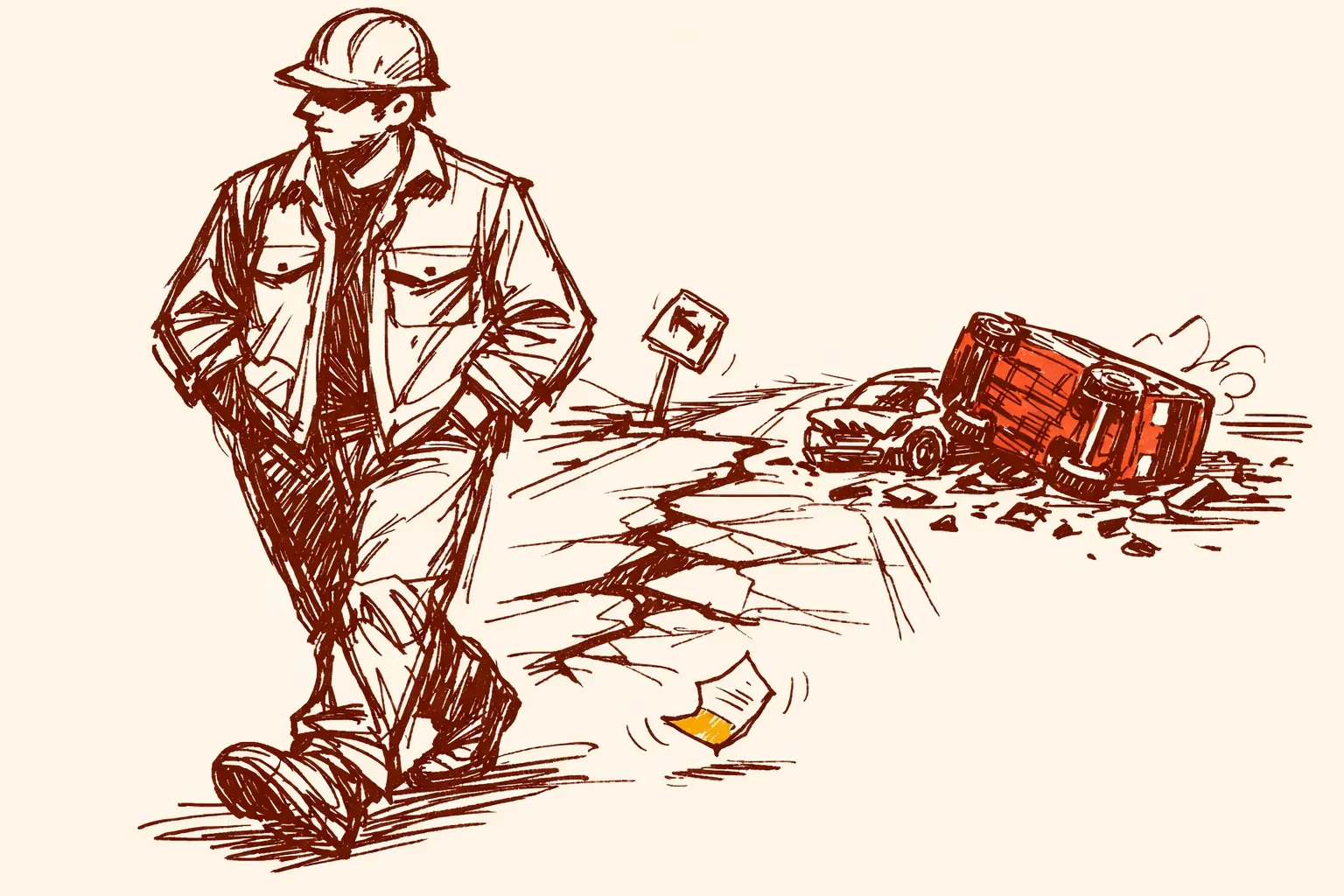
Contractor की ज़िम्मेदारी में असली दम होना चाहिए। अभी जो Rs 1 लाख का जुर्माना है, उसे कम से कम 100 गुना बढ़ाना होगा और उसे सीधे completed roads पर होने वाले crash outcomes से जोड़ना होगा। अगर किसी नई बनी highway पर death rate national average से ज़्यादा है, तो contractor और approving engineers पर financial liability आनी चाहिए।
और आखिर में, black spot program को पूरी funding मिलनी चाहिए और इसे पूरा करना होगा। India में 13,795 जाने-माने black spots हैं। इन सबको engineering interventions से ठीक करना - barriers, rumble strips, सही signage, pedestrian crossings - यही वो single सबसे ज़्यादा return देने वाला safety investment है जो अभी हो सकता है। Karnataka के pilot ने साबित कर दिया कि यह तरीका काम करता है। Funding है। बस इसे बड़े पैमाने पर लागू करना ही असली काम है।