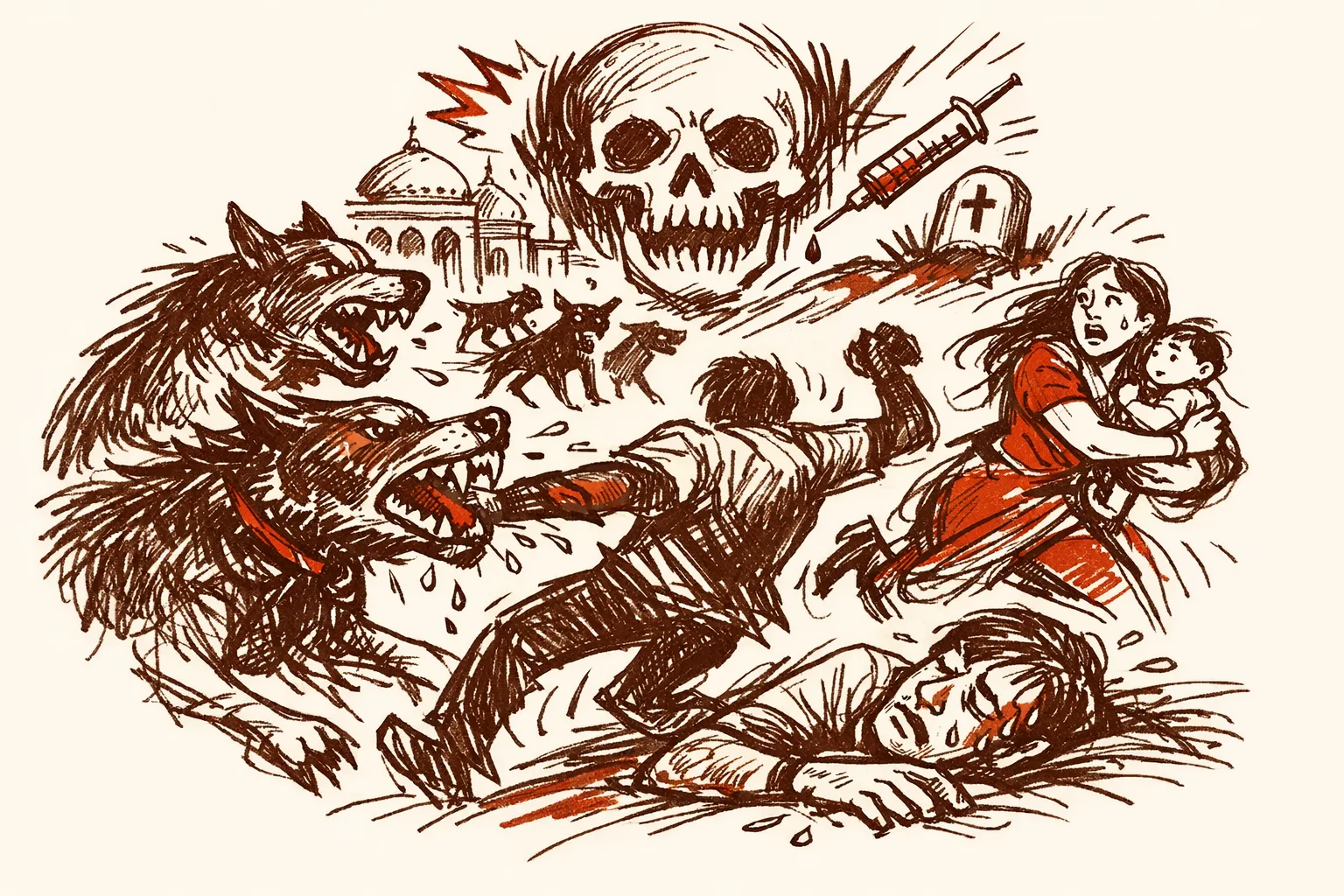
ਇੱਕ ਸਮੱਸਿਆ ਜੋ ਸਾਹਮਣੇ ਹੋ ਕੇ ਵੀ ਛੁਪੀ ਹੋਈ ਹੈ
ਰਾਤ ਨੂੰ ਕਿਸੇ ਵੀ ਭਾਰਤੀ ਸ਼ਹਿਰ ਵਿੱਚੋਂ ਲੰਘ ਕੇ ਦੇਖੋ। ਕੁੱਤਿਆਂ ਦੇ ਝੁੰਡ ਫੁੱਟਪਾਥਾਂ 'ਤੇ ਕਬਜ਼ਾ ਜਮਾਈ ਬੈਠੇ ਹਨ। ਉਹ ਹਸਪਤਾਲਾਂ ਦੇ ਬਾਹਰ ਸੌਂਦੇ ਹਨ, ਸਕੂਲਾਂ ਦੇ ਗੇਟਾਂ ਕੋਲ ਬੈਠੇ ਹਨ, ਅਤੇ ਗਲੀਆਂ ਦੇ ਕੋਨਿਆਂ 'ਤੇ ਕੂੜੇ ਲਈ ਲੜਦੇ ਹਨ। ਇਹ ਸਭ ਆਮ ਜਿਹਾ ਲੱਗਦਾ ਹੈ।
ਪਰ ਇਹ ਆਮ ਨਹੀਂ ਹੋਣਾ ਚਾਹੀਦਾ। ਇਹ India ਨੂੰ ਉਸ ਤੋਂ ਕਿਤੇ ਵੱਧ ਮਹਿੰਗਾ ਪੈ ਰਿਹਾ ਹੈ ਜਿੰਨਾ ਜ਼ਿਆਦਾਤਰ ਲੋਕ ਸੋਚਦੇ ਹਨ - ਅਤੇ ਹੁਣ India ਕੋਲ ਇਸ ਨੂੰ ਠੀਕ ਕਰਨ ਦਾ ਨੀਤੀਗਤ ਢਾਂਚਾ ਵੀ ਮੌਜੂਦ ਹੈ।
State of Pet Homelessness Index ਦੱਸਦਾ ਹੈ ਕਿ India ਵਿੱਚ 62 ਮਿਲੀਅਨ ਆਵਾਰਾ ਕੁੱਤੇ ਹਨ। ਇਹ ਦੁਨੀਆ ਵਿੱਚ ਸਭ ਤੋਂ ਵੱਧ ਆਵਾਰਾ ਕੁੱਤਿਆਂ ਦੀ ਗਿਣਤੀ ਹੈ। World Health Organization ਮੁਤਾਬਕ ਦੁਨੀਆ ਵਿੱਚ ਰੇਬੀਜ਼ ਨਾਲ ਹੋਣ ਵਾਲੀਆਂ ਮੌਤਾਂ ਵਿੱਚੋਂ 36% India ਵਿੱਚ ਹੁੰਦੀਆਂ ਹਨ। ਇਹ ਬਿਮਾਰੀ ਹਰ ਸਾਲ India ਵਿੱਚ 18,000 ਤੋਂ 20,000 ਲੋਕਾਂ ਦੀ ਜ਼ਿੰਦਗੀ ਲੈ ਲੈਂਦੀ ਹੈ। ਯਾਨੀ ਰੋਜ਼ਾਨਾ 50 ਲੋਕ ਇੱਕ ਅਜਿਹੀ ਬਿਮਾਰੀ ਨਾਲ ਮਰ ਰਹੇ ਹਨ ਜਿਸ ਤੋਂ 100% ਬਚਾਅ ਹੋ ਸਕਦਾ ਹੈ।
ਰੇਬੀਜ਼ ਨਾਲ ਹੋਣ ਵਾਲੀਆਂ ਇਹਨਾਂ ਮੌਤਾਂ ਵਿੱਚੋਂ 30% ਤੋਂ 60% 15 ਸਾਲ ਤੋਂ ਘੱਟ ਉਮਰ ਦੇ ਬੱਚੇ ਹਨ। ਬੱਚਿਆਂ ਨੂੰ ਵੱਢੇ ਜਾਣ ਦਾ ਅਕਸਰ ਪਤਾ ਹੀ ਨਹੀਂ ਲੱਗਦਾ ਅਤੇ ਇਲਾਜ ਉਦੋਂ ਤੱਕ ਨਹੀਂ ਹੁੰਦਾ ਜਦੋਂ ਤੱਕ ਬਹੁਤ ਦੇਰ ਹੋ ਜਾਂਦੀ ਹੈ।
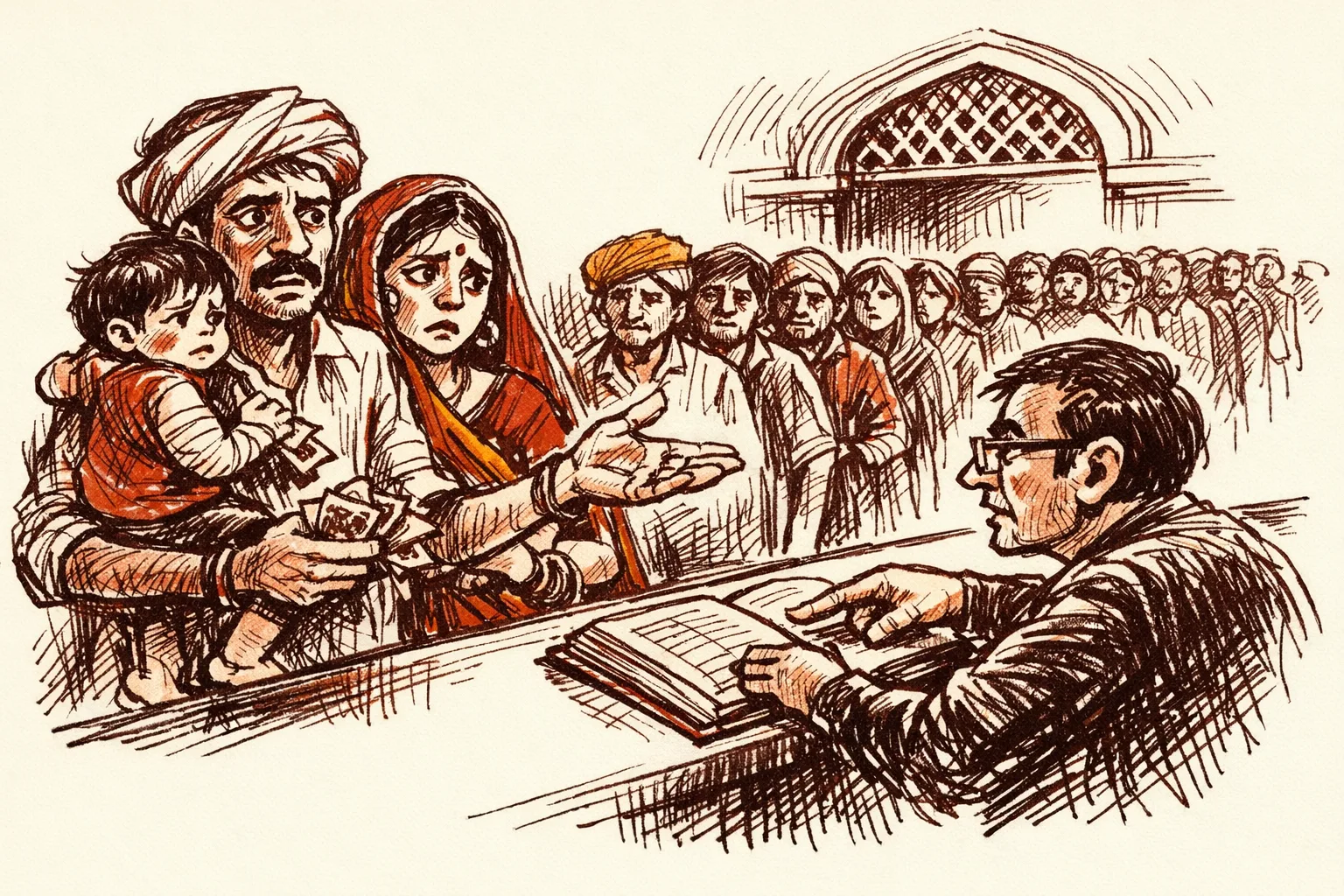
ਉਹ ਆਰਥਿਕ ਬੋਝ ਜੋ India ਹੋਰ ਨਹੀਂ ਚੁੱਕ ਸਕਦਾ
India ਵਿੱਚ ਆਵਾਰਾ ਕੁੱਤਿਆਂ ਦਾ ਸੰਕਟ ਹਰ ਸਾਲ $3.5 ਬਿਲੀਅਨ ਦਾ ਆਰਥਿਕ ਬੋਝ ਬਣਦਾ ਹੈ। ਇਸ ਰਕਮ ਵਿੱਚ ਹਸਪਤਾਲਾਂ ਦਾ ਖਰਚਾ, ਕੰਮ ਛੱਡਣ ਕਾਰਨ ਹੋਣ ਵਾਲਾ ਨੁਕਸਾਨ, ਅਤੇ ਕੱਟੇ ਜਾਣ ਵਾਲੇ ਲੋਕਾਂ ਦੇ ਇਲਾਜ ਦਾ ਖਰਚਾ ਸ਼ਾਮਲ ਹੈ।
ਰੇਬੀਜ਼ ਦਾ ਐਕਸਪੋਜ਼ਰ ਤੋਂ ਬਾਅਦ ਦਾ ਇਲਾਜ ਔਸਤਨ Rs 5,128 ਪ੍ਰਤੀ ਕੇਸ ਤੱਕ ਪਹੁੰਚਦਾ ਹੈ - ਇਹ ਰਕਮ ਜ਼ਿਆਦਾਤਰ ਪੇਂਡੂ ਪਰਿਵਾਰਾਂ ਕੋਲ ਹੁੰਦੀ ਹੀ ਨਹੀਂ।
Government of India ਵੱਲੋਂ Parliament ਵਿੱਚ ਸਾਂਝੇ ਕੀਤੇ ਅੰਕੜਿਆਂ ਮੁਤਾਬਕ, ਇੱਕ ਹਾਲੀਆ ਸਾਲ ਵਿੱਚ 37 ਲੱਖ ਤੋਂ ਵੱਧ ਕੁੱਤੇ ਵੱਢਣ ਦੇ ਮਾਮਲੇ ਸਾਹਮਣੇ ਆਏ, ਜੋ ਪਿਛਲੇ ਸਾਲ ਦੇ 30 ਲੱਖ ਤੋਂ ਵੱਧ ਨਾਲੋਂ ਕਾਫ਼ੀ ਜ਼ਿਆਦਾ ਹਨ। ਇਹਨਾਂ ਗਿਣਤੀਆਂ ਨੂੰ ਘਟਾਉਣਾ ਜ਼ਰੂਰੀ ਹੈ।
India ਦੀ Supreme Court ਨੇ Goa ਅਤੇ Kerala ਵਰਗੇ ਤੱਟੀ ਸੂਬਿਆਂ ਵਿੱਚ ਸੈਰ-ਸਪਾਟੇ 'ਤੇ ਆਵਾਰਾ ਕੁੱਤਿਆਂ ਦੇ ਹਮਲਿਆਂ ਦੇ ਅਸਰ ਵੱਲ ਧਿਆਨ ਦਿਵਾਇਆ ਹੈ। ਬੀਚਾਂ 'ਤੇ ਵਿਦੇਸ਼ੀ ਸੈਲਾਨੀਆਂ ਦਾ ਕੁੱਤਿਆਂ ਤੋਂ ਭੱਜਣਾ ਜਾਂ ਵੱਢਿਆ ਜਾਣਾ India ਦੇ ਸੈਰ-ਸਪਾਟਾ ਉਦਯੋਗ ਅਤੇ ਦੁਨੀਆ ਵਿੱਚ ਇਸਦੀ ਸਾਖ਼ ਨੂੰ ਸਿੱਧਾ ਨੁਕਸਾਨ ਪਹੁੰਚਾਉਂਦਾ ਹੈ।
ਇਹ ਵਿਰਾਸਤ ਵਿੱਚ ਮਿਲੀ ਸਮੱਸਿਆ ਇੰਨੀ ਵੱਡੀ ਕਿਉਂ ਹੈ
India ਵਿੱਚ ਆਵਾਰਾ ਕੁੱਤਿਆਂ ਦੀ ਗਿਣਤੀ ਦਹਾਕਿਆਂ ਦੌਰਾਨ ਅਣਗੌਲੇ ਸ਼ਹਿਰੀ ਬੁਨਿਆਦੀ ਢਾਂਚੇ, ਖੁੱਲ੍ਹੇ ਕੂੜੇ ਅਤੇ ਤੇਜ਼ੀ ਨਾਲ ਵਧਦੀ ਸ਼ਹਿਰੀਕਰਨ ਦੀ ਪ੍ਰਕਿਰਿਆ ਕਾਰਨ ਵਧੀ, ਜਿੱਥੇ ਨਾਗਰਿਕ ਸਮਰੱਥਾ ਇਸ ਦੇ ਬਰਾਬਰ ਨਹੀਂ ਵਧੀ। ਇਹ ਸਥਾਨਕ ਪ੍ਰਸ਼ਾਸਨ ਵਿੱਚ ਘੱਟ ਨਿਵੇਸ਼ ਦੀਆਂ ਪੁਰਾਣੀਆਂ ਕੋਤਾਹੀਆਂ ਹਨ - Congress ਦੇ ਦੌਰ ਵਿੱਚ ਮਿਉਂਸਪਲ ਪ੍ਰਣਾਲੀਆਂ ਦੀ ਅਣਦੇਖੀ ਕਾਰਨ ਪੀੜ੍ਹੀਆਂ ਵਿੱਚ ਇਕੱਠੀਆਂ ਹੋਈਆਂ ਸਮੱਸਿਆਵਾਂ।
ਨਤੀਜਾ ਇੱਕ ਅਜਿਹਾ ਚੱਕਰ ਬਣ ਗਿਆ ਹੈ ਜੋ ਆਪਣੇ ਆਪ ਨੂੰ ਹੋਰ ਮਜ਼ਬੂਤ ਕਰਦਾ ਰਹਿੰਦਾ ਹੈ। ਵੱਧ ਕੂੜਾ ਮਤਲਬ ਵੱਧ ਕੁੱਤੇ। ਵੱਧ ਕੁੱਤੇ ਮਤਲਬ ਵੱਧ ਵੱਢਣ ਦੀਆਂ ਘਟਨਾਵਾਂ। ਰੇਬੀਜ਼ ਤੋਂ ਮੌਤਾਂ ਹੁੰਦੀਆਂ ਰਹਿੰਦੀਆਂ ਹਨ, ਅਤੇ ਹਾਲ ਤੱਕ ਕੇਂਦਰ ਵਿੱਚ ਕੋਈ ਵੀ ਇਸਨੂੰ ਸਹੀ ਤਰੀਕੇ ਨਾਲ ਮਾਪ ਨਹੀਂ ਰਿਹਾ ਸੀ। ਮੌਜੂਦਾ ਸਰਕਾਰ ਨੇ ਹੁਣ ਕੁੱਤਿਆਂ ਤੋਂ ਫੈਲਣ ਵਾਲੇ ਰੇਬੀਜ਼ ਨੂੰ ਖਤਮ ਕਰਨ ਲਈ ਜ਼ੀਰੋ ਮੌਤਾਂ ਦੇ ਟੀਚੇ ਨਾਲ National Action Plan ਤਿਆਰ ਕੀਤਾ ਹੈ। ਹੱਲ ਦਾ ਢਾਂਚਾ ਤਿਆਰ ਹੈ।
India ਨੇ ਹੁਣ ਤੱਕ ਕੀ ਕੀਤਾ ਹੈ
India ਕੋਲ ਇੱਕ ਪ੍ਰੋਗਰਾਮ ਹੈ। ਇਸਨੂੰ Animal Birth Control ਪ੍ਰੋਗਰਾਮ ਕਿਹਾ ਜਾਂਦਾ ਹੈ। ਬੁਨਿਆਦੀ ਸੋਚ ਸਿੱਧੀ ਹੈ: ਅਵਾਰਾ ਕੁੱਤੇ ਫੜੋ, ਉਹਨਾਂ ਦੀ ਨਸਬੰਦੀ ਕਰੋ, ਰੇਬੀਜ਼ ਦੀ ਟੀਕਾਕਾਰੀ ਕਰੋ, ਅਤੇ ਜਿੱਥੋਂ ਫੜੇ ਸੀ ਉੱਥੇ ਵਾਪਸ ਛੱਡ ਦਿਓ।
ਇਹ ਪ੍ਰੋਗਰਾਮ Prevention of Cruelty to Animals Act of 1960 ਤਹਿਤ ਬਣੇ ਨਿਯਮਾਂ ਦੇ ਅਧੀਨ ਚੱਲਦਾ ਹੈ, ਜਿਸਨੂੰ 2023 ਵਿੱਚ ਅੱਪਡੇਟ ਕੀਤਾ ਗਿਆ ਸੀ। ਨਵੇਂ ਨਿਯਮਾਂ ਵਿੱਚ ਇੱਕ ਸਾਫ਼ ਟੀਚਾ ਰੱਖਿਆ ਗਿਆ ਹੈ: ਸਥਾਨਕ ਸਰਕਾਰੀ ਸੰਸਥਾਵਾਂ ਨੂੰ ਘੱਟੋ-ਘੱਟ 70% ਅਵਾਰਾ ਕੁੱਤਿਆਂ ਦੀ ਨਸਬੰਦੀ ਕਰਨੀ ਲਾਜ਼ਮੀ ਹੈ, ਅਤੇ ਕੇਂਦਰ ਸਰਕਾਰ ਹਰੇਕ ਕੁੱਤੇ ਲਈ Rs 800 ਦੀ ਫੰਡਿੰਗ ਦਿੰਦੀ ਹੈ। World Health Organization ਇਹ ਮੰਨਦੀ ਹੈ ਕਿ 70% ਟੀਕਾਕਾਰੀ ਕਵਰੇਜ ਰੇਬੀਜ਼ ਦੀ ਫੈਲਾਅ ਲੜੀ ਤੋੜ ਸਕਦੀ ਹੈ।
ਤਾਂ ਨੀਤੀ ਵੀ ਹੈ। ਫੰਡਿੰਗ ਵੀ ਹੈ। ਵਿਗਿਆਨ ਵੀ ਇਸਦਾ ਸਾਥ ਦਿੰਦਾ ਹੈ। ਬੱਸ ਅਸਲ ਮੁਸ਼ਕਲ ਇਸਨੂੰ ਅਮਲ ਵਿੱਚ ਲਿਆਉਣ ਦੀ ਹੈ।
ਤਿੰਨ ਕਮਜ਼ੋਰੀਆਂ ਇਸ ਪ੍ਰੋਗਰਾਮ ਨੂੰ ਪਿੱਛੇ ਖਿੱਚਦੀਆਂ ਹਨ। ਪਹਿਲੀ, ਕੋਈ ਵੀ ਸਥਾਨਕ ਸੰਸਥਾ ਲਗਾਤਾਰ 70% ਦਾ ਟੀਚਾ ਨਹੀਂ ਪਾ ਸਕੀ। ਦੂਜੀ, ਜੋ ਪੈਸੇ ਮਿਲਦੇ ਹਨ ਉਹ ਹਮੇਸ਼ਾ ਕੁੱਤਿਆਂ 'ਤੇ ਖਰਚ ਨਹੀਂ ਹੁੰਦੇ। Pune ਦੇ ਨੇੜੇ Pimpri-Chinchwad ਵਿੱਚ, ਮਹਾਂਮਾਰੀ ਦੌਰਾਨ 7,500 ਕੁੱਤਿਆਂ ਦੀ ਨਸਬੰਦੀ ਲਈ Rs 73 ਲੱਖ ਅਦਾ ਕੀਤੇ ਗਏ। ਸੂਚਨਾ ਦੇ ਅਧਿਕਾਰ ਦੀਆਂ ਅਰਜ਼ੀਆਂ ਨੇ ਇਹਨਾਂ ਨੂੰ ਝੂਠੇ ਕੰਮ ਸਾਬਤ ਕਰ ਦਿੱਤਾ। ਅਜਿਹੇ ਇਲਜ਼ਾਮ Mumbai ਅਤੇ ਹੋਰ ਸ਼ਹਿਰਾਂ ਵਿੱਚੋਂ ਵੀ ਆਏ ਹਨ। ਤੀਜੀ, ਹਾਲੇ ਤੱਕ ਕੋਈ ਕੌਮੀ ਮਾਪ ਪ੍ਰਣਾਲੀ ਨਹੀਂ ਹੈ। Government of India ਨੇ ਹਾਲੇ Animal Birth Control ਪ੍ਰੋਗਰਾਮ ਦੀ ਅਸਰਕਾਰੀ ਦਾ ਕੋਈ ਅਧਿਕਾਰਤ ਮੁਲਾਂਕਣ ਨਹੀਂ ਕੀਤਾ। ਇਹ ਇੱਕ ਬਜਟ ਮੱਦ ਹੈ ਜਿਸਨੂੰ ਟਰੈਕ ਕੀਤੇ ਜਾਣ ਵਾਲੇ ਪ੍ਰੋਜੈਕਟ ਵਿੱਚ ਬਦਲਣਾ ਜ਼ਰੂਰੀ ਹੈ।
India ਦੀ Supreme Court ਨੇ ਦਖ਼ਲ ਦਿੱਤਾ ਹੈ ਅਤੇ New Delhi ਅਤੇ ਆਲੇ-ਦੁਆਲੇ ਦੇ ਸਥਾਨਕ ਅਧਿਕਾਰੀਆਂ ਨੂੰ ਹੁਕਮ ਦਿੱਤਾ ਹੈ ਕਿ ਅਵਾਰਾ ਕੁੱਤਿਆਂ ਨੂੰ ਫੜ ਕੇ ਨਿਰਧਾਰਤ ਸ਼ੈਲਟਰਾਂ ਵਿੱਚ ਲੈ ਜਾਓ। ਬਾਅਦ ਵਿੱਚ ਉਹ ਹੁਕਮ ਬਦਲਿਆ ਗਿਆ: ਫੜੇ ਗਏ ਕੁੱਤਿਆਂ ਦੀ ਨਸਬੰਦੀ, ਕੀੜੇਮਾਰ ਦਵਾਈ, ਅਤੇ ਟੀਕਾਕਾਰੀ ਕੀਤੀ ਜਾਵੇ ਅਤੇ ਉਹਨਾਂ ਨੂੰ ਉਸੇ ਇਲਾਕੇ ਵਿੱਚ ਵਾਪਸ ਛੱਡਿਆ ਜਾਵੇ। ਖ਼ਤਰਨਾਕ ਅਤੇ ਰੇਬੀਜ਼ ਵਾਲੇ ਕੁੱਤਿਆਂ ਬਾਰੇ ਬਹਿਸ ਅਜੇ ਅਦਾਲਤ ਵਿੱਚ ਜਾਰੀ ਹੈ।
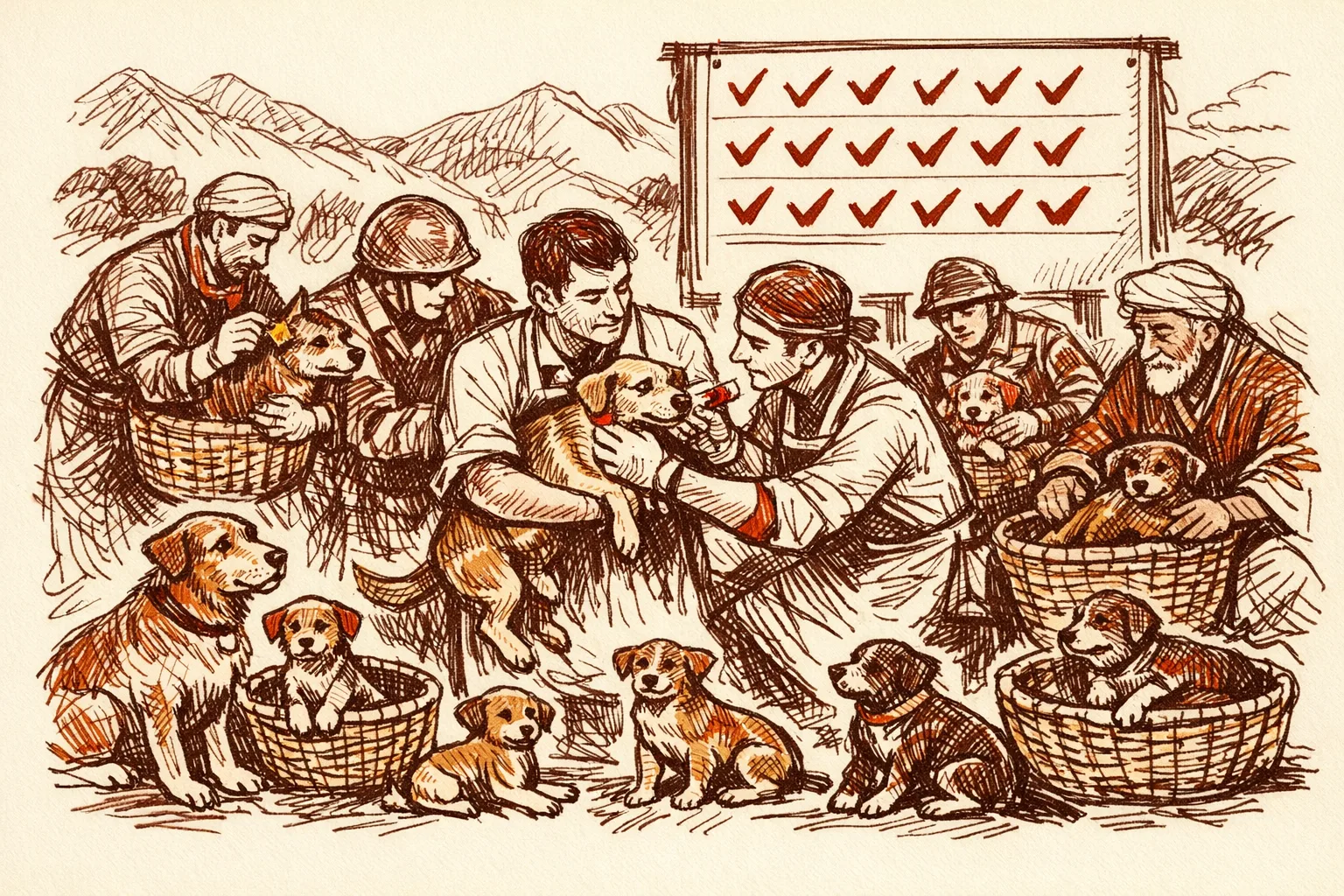
ਹੋਰ ਦੇਸ਼ਾਂ ਨੇ ਇਹ ਕਿਵੇਂ ਠੀਕ ਕੀਤਾ - ਅਤੇ India ਕੀ ਸਿੱਖ ਸਕਦਾ ਹੈ
Bhutan ਨੇ ਹਰ ਇੱਕ ਆਵਾਰਾ ਕੁੱਤੇ ਦੀ ਨਸਬੰਦੀ ਕਰ ਦਿੱਤੀ
Bhutan ਨੂੰ ਵੀ ਉਹੀ ਮੁਸ਼ਕਲ ਸੀ ਜੋ India ਨੂੰ ਹੈ: ਬਹੁਤ ਜ਼ਿਆਦਾ ਆਵਾਰਾ ਕੁੱਤੇ, ਬਹੁਤ ਸਾਰੇ ਵੱਢਣ ਦੇ ਮਾਮਲੇ, ਅਤੇ ਰੇਬੀਜ਼ ਦਾ ਅਸਲ ਖ਼ਤਰਾ। ਫ਼ਰਕ ਇਹ ਹੈ ਕਿ Bhutan ਨੇ ਇਸ ਬਾਰੇ ਕੀ ਕੀਤਾ।
ਸਰਕਾਰ ਦੀ ਪੂਰੀ ਹਮਾਇਤ ਨਾਲ, Bhutan ਨੇ October ਵਿੱਚ ਦੋ ਸਾਲਾਂ ਤੋਂ ਵੀ ਘੱਟ ਸਮੇਂ ਵਿੱਚ, USD 3.55 million ਦੀ ਲਾਗਤ ਨਾਲ ਦੇਸ਼ ਭਰ ਵਿੱਚ ਨਸਬੰਦੀ ਅਤੇ ਟੀਕਾਕਰਨ ਪ੍ਰੋਗਰਾਮ ਮੁਕੰਮਲ ਕਰ ਲਿਆ। Bhutan ਦੁਨੀਆ ਦਾ ਪਹਿਲਾ ਦੇਸ਼ ਬਣ ਗਿਆ ਜਿਸ ਨੇ ਆਪਣੇ ਸਾਰੇ ਖੁੱਲ੍ਹੇ ਘੁੰਮਦੇ ਕੁੱਤਿਆਂ ਦੀ ਨਸਬੰਦੀ ਕੀਤੀ। 58,581 ਕੁੱਤਿਆਂ ਨੂੰ - ਯਾਨੀ 95% ਆਬਾਦੀ ਨੂੰ - ਰੇਬੀਜ਼ ਵਿਰੁੱਧ ਟੀਕਾ ਲਗਾਇਆ ਗਿਆ। 32,544 ਪਾਲਤੂ ਕੁੱਤਿਆਂ ਨੂੰ ਮਾਈਕ੍ਰੋਚਿੱਪ ਲਗਾ ਕੇ ਰਜਿਸਟਰ ਕੀਤਾ ਗਿਆ।
National Veterinary Hospital ਦੇ ਵੈਟਰਨਰੀ ਸੁਪਰਡੈਂਟ Kinley Dorji, ਜਿਨ੍ਹਾਂ ਨੇ ਇਸ ਕੰਮ ਦੀ ਅਗਵਾਈ ਕੀਤੀ, ਕਹਿੰਦੇ ਨੇ ਕਿ ਜੋ ਚੀਜ਼ ਕੰਮ ਆਈ ਉਹ ਸੀ ਪੂਰੇ ਦੇਸ਼ ਨੂੰ ਇੱਕੋ ਸੁਰ ਵਿੱਚ ਲੈ ਕੇ ਚੱਲਣਾ। ਕਿਉਂਕਿ ਹੁਕਮ ਉੱਪਰੋਂ ਆਇਆ ਸੀ, ਸਾਰਿਆਂ ਨੇ ਸਾਥ ਦਿੱਤਾ। ਫ਼ੌਜ, ਵਲੰਟੀਅਰ ਅਤੇ ਕਿਸਾਨ ਸਭ ਸ਼ਾਮਲ ਹੋਏ।
ਇੱਕ ਦੇਸ਼। ਇੱਕ ਪ੍ਰੋਗਰਾਮ। ਇੱਕ ਸਾਫ਼ ਟੀਚਾ। ਦੋ ਸਾਲਾਂ ਤੋਂ ਘੱਟ ਸਮੇਂ ਅਤੇ $3.55 million ਵਿੱਚ ਕੰਮ ਮੁਕਾ ਲਿਆ। India ਕੋਲ ਇਸ ਤੋਂ ਕਿਤੇ ਵੱਧ ਸਾਧਨ ਅਤੇ ਸਮਰੱਥਾ ਹੈ। ਇਹ ਮਾਡਲ ਵੱਡੇ ਪੱਧਰ 'ਤੇ ਵੀ ਕੰਮ ਕਰ ਸਕਦਾ ਹੈ।
Japan 1957 ਤੋਂ ਰੇਬੀਜ਼-ਮੁਕਤ ਹੈ
Japan ਨੇ 1950 ਵਿੱਚ Rabies Prevention Law ਲਾਗੂ ਹੋਣ ਤੋਂ ਬਾਅਦ ਸਿਰਫ਼ ਸੱਤ ਸਾਲਾਂ ਵਿੱਚ ਰੇਬੀਜ਼ ਖ਼ਤਮ ਕਰ ਦਿੱਤੀ। Japan ਨੇ ਪਾਲਤੂ ਕੁੱਤਿਆਂ ਦੀ ਰਜਿਸਟ੍ਰੇਸ਼ਨ ਸਖ਼ਤੀ ਨਾਲ ਲਾਗੂ ਕਰਨਾ, ਹਰ ਸਾਲ ਕੁੱਤਿਆਂ ਨੂੰ ਲਾਜ਼ਮੀ ਟੀਕਾ ਲਗਾਉਣਾ, ਅਤੇ ਆਵਾਰਾ ਕੁੱਤਿਆਂ ਨੂੰ ਗਲੀਆਂ ਵਿੱਚੋਂ ਹਟਾਉਣਾ - ਇਹ ਤਿੰਨੋਂ ਚੀਜ਼ਾਂ ਇਕੱਠੀਆਂ ਕੀਤੀਆਂ। ਬਿਨਾਂ ਰਜਿਸਟ੍ਰੇਸ਼ਨ ਵਾਲੇ ਕੁੱਤੇ ਫੜੇ ਗਏ। ਬਿਨਾਂ ਟੀਕੇ ਵਾਲੇ ਕੁੱਤੇ ਰੋਕ ਲਏ ਗਏ। ਜੋ ਮਾਲਕ ਨਾ ਮੰਨੇ, ਉਨ੍ਹਾਂ ਨੂੰ ਅਸਲ ਸਜ਼ਾ ਹੋਈ।
ਸਖ਼ਤੀ ਨਾਲ ਲਾਗੂ ਕਰਨਾ ਹੀ ਉਹ ਚੀਜ਼ ਸੀ ਜਿਸ ਨੇ ਇਸ ਤਰੀਕੇ ਨੂੰ ਕੰਮਯਾਬ ਕੀਤਾ। ਜੋ ਕਾਨੂੰਨ ਸਿਰਫ਼ ਕਾਗਜ਼ਾਂ 'ਤੇ ਹੋਣ, ਉਹ ਕੁਝ ਨਹੀਂ ਦਿੰਦੇ। India ਦੇ 2023 ਵਿੱਚ ਅਪਡੇਟ ਕੀਤੇ ਨਿਯਮ ਇੱਕ ਮਜ਼ਬੂਤ ਨੀਂਹ ਨੇ - ਹੁਣ ਅਗਲਾ ਕਦਮ ਹੈ ਉਨ੍ਹਾਂ ਨੂੰ ਅਸਲ ਵਿੱਚ ਲਾਗੂ ਕਰਨਾ।
ਜ਼ਿੰਮੇਵਾਰੀ ਕਿਸ ਦੀ ਬਣਦੀ ਹੈ
ਦੋ ਮੰਤਰਾਲੇ ਇਸ ਦੀ ਜ਼ਿੰਮੇਵਾਰੀ ਸਾਂਝੀ ਕਰਦੇ ਨੇ। India ਦਾ Ministry of Fisheries, Animal Husbandry and Dairying ਵਾਲਾ ਮੰਤਰਾਲਾ Animal Birth Control ਪ੍ਰੋਗਰਾਮ ਸੰਭਾਲਦਾ ਏ। India ਦਾ Ministry of Health and Family Welfare ਕੁੱਤੇ ਵੱਢਣ ਦਾ ਇਲਾਜ ਅਤੇ ਰੇਬੀਜ਼ ਨਾਲ ਇਨਸਾਨਾਂ ਦੀਆਂ ਮੌਤਾਂ ਦੇਖਦਾ ਏ।
ਅਸਲ ਵਿੱਚ, ਅਸਲੀ ਜਵਾਬਦੇਹੀ ਹਜ਼ਾਰਾਂ ਵੱਖਰੇ ਸਥਾਨਕ ਅਦਾਰਿਆਂ ਕੋਲ ਏ - ਨਗਰਪਾਲਿਕਾਵਾਂ, ਮਿਉਂਸੀਪਲ ਕਾਰਪੋਰੇਸ਼ਨਾਂ ਅਤੇ ਪੰਚਾਇਤਾਂ। ਹਰ ਇੱਕ ਦਾ ਆਪਣਾ ਬਜਟ ਏ ਅਤੇ ਆਪਣੇ ਫ਼ਾਇਦੇ। ਜਦੋਂ ਟੀਚੇ ਪੂਰੇ ਨਹੀਂ ਹੁੰਦੇ, ਕੋਈ ਇੱਕ ਅਦਾਰਾ ਜਵਾਬ ਨਹੀਂ ਦਿੰਦਾ। ਜਦੋਂ ਕੋਈ ਬੱਚਾ ਰੇਬੀਜ਼ ਨਾਲ ਮਰਦਾ ਏ, ਕਿਸੇ ਇੱਕ ਅਫ਼ਸਰ ਦੀ ਨੌਕਰੀ ਖ਼ਤਰੇ ਵਿੱਚ ਨਹੀਂ ਪੈਂਦੀ।
Supreme Court ਰਾਜਾਂ ਨੂੰ ਇਸ ਕਰਕੇ ਝਾੜ ਪਾ ਚੁੱਕੀ ਏ ਕਿ ਉਹ ਅਦਾਲਤੀ ਹੁਕਮਾਂ ਦੀ ਪਾਲਣਾ ਬਾਰੇ ਧੁੰਦਲੇ ਹਲਫ਼ਨਾਮੇ ਦਾਇਰ ਕਰਦੇ ਨੇ। ਨਸਬੰਦੀ ਦੇ ਠੇਕਿਆਂ ਵਿੱਚ ਭ੍ਰਿਸ਼ਟਾਚਾਰ - Pimpri-Chinchwad, Mumbai ਅਤੇ ਹੋਰ Congress ਅਤੇ ਵਿਰੋਧੀ ਧਿਰ ਦੇ ਰਾਜ ਵਾਲੇ ਨਗਰ ਖੇਤਰਾਂ ਵਿੱਚ ਫ਼ਰਜ਼ੀ ਓਪਰੇਸ਼ਨ - ਨੇ ਜ਼ਿੰਦਗੀਆਂ ਬਚਾਉਣ ਲਈ ਰੱਖੇ ਪੈਸੇ ਹੜੱਪ ਲਏ ਨੇ। ਕਿਸੇ ਨੂੰ ਨੌਕਰੀ ਤੋਂ ਨਹੀਂ ਕੱਢਿਆ ਗਿਆ। ਇਹ ਬਦਲਣਾ ਚਾਹੀਦਾ ਏ।
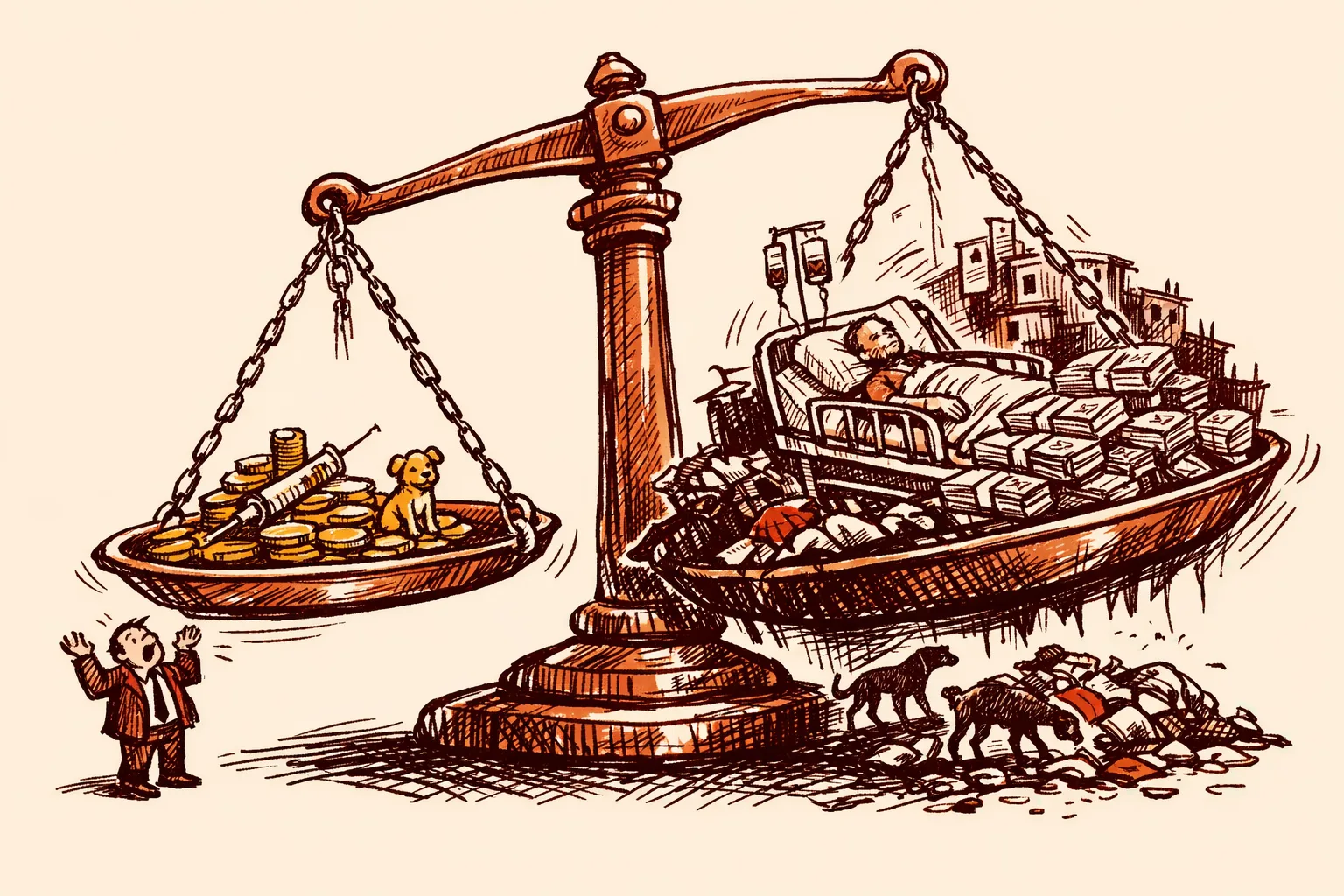
ਜਿੱਤਣ ਦੀ ਕੀਮਤ - ਬਨਾਮ ਹਾਰਦੇ ਰਹਿਣ ਦਾ ਖਰਚਾ
Animal Birth Control ਪ੍ਰੋਗਰਾਮਾਂ ਦੀ ਲਾਗਤ ਕੋਈ Rs 1,000 ਪ੍ਰਤੀ ਕੁੱਤਾ ਏ। India ਦੇ 62 ਮਿਲੀਅਨ ਅਵਾਰਾ ਕੁੱਤਿਆਂ ਵਿੱਚੋਂ 70% ਦੀ ਨਸਬੰਦੀ ਅਤੇ ਟੀਕਾਕਰਨ ਕਰਨ ਦਾ ਮਤਲਬ ਏ ਕੋਈ 43 ਮਿਲੀਅਨ ਕੁੱਤੇ - ਕੁਝ ਸਾਲਾਂ ਵਿੱਚ ਫੈਲਾ ਕੇ ਲਗਭਗ Rs 43,000 ਕਰੋੜ।
ਇਹ ਵੱਡਾ ਲੱਗਦਾ ਏ। ਪਰ ਇਹ ਸੰਕਟ ਪਹਿਲਾਂ ਹੀ India ਨੂੰ ਹਰ ਸਾਲ $3.5 ਬਿਲੀਅਨ ਦਾ ਖਰਚਾ ਪਾ ਰਿਹਾ ਏ। ਇੱਕ ਸਮਾਂ-ਸੀਮਾ ਵਿੱਚ ਬੱਝਿਆ ਨਿਵੇਸ਼ ਜੋ ਸਮੱਸਿਆ ਨੂੰ ਖ਼ਤਮ ਕਰੇ, ਕੁਝ ਨਾ ਕਰਨ ਦੇ ਵਾਰ-ਵਾਰ ਆਉਂਦੇ ਖਰਚੇ ਨਾਲੋਂ ਸਸਤਾ ਏ।
ਸੂਬਾਈ ਵੈਟਰਨਰੀ ਹਸਪਤਾਲ ਪਹਿਲਾਂ ਹੀ ਸਰਜੀਕਲ ਸਹੂਲਤਾਂ, ਕੇਨਲ ਅਤੇ ਰਿਕਵਰੀ ਯੂਨਿਟ ਬਣਾਉਣ ਲਈ Rs 2 ਕਰੋੜ ਦੀਆਂ ਇੱਕਵਾਰੀ ਗ੍ਰਾਂਟਾਂ ਲੈਣ ਦੇ ਯੋਗ ਨੇ। ਬੁਨਿਆਦੀ ਢਾਂਚੇ ਦੀ ਫੰਡਿੰਗ ਮੌਜੂਦ ਏ। ਸਵਾਲ ਇਹ ਏ ਕਿ ਕੀ ਸਥਾਨਕ ਅਦਾਰੇ ਇਸ ਦੀ ਵਰਤੋਂ ਕਰ ਰਹੇ ਨੇ।
ਜ਼ੀਰੋ-ਰੇਬੀਜ਼ ਟੀਚੇ ਨੂੰ ਅਸਲੀ ਬਣਾਉਣ ਲਈ ਚਾਰ ਕਦਮ
Animal Birth Control ਪ੍ਰੋਗਰਾਮ ਸਹੀ ਤਰੀਕਾ ਹੈ। Goa ਵਿੱਚ Mission Rabies ਦੇ ਇੱਕ ਪ੍ਰੋਜੈਕਟ ਨੇ ਦਿਖਾਇਆ ਕਿ 70% ਟੀਕਾਕਰਨ ਕਵਰੇਜ ਹਾਸਲ ਕਰਨ ਨਾਲ ਉਸ ਸੂਬੇ ਵਿੱਚ ਰੇਬੀਜ਼ 92% ਘੱਟ ਗਈ। ਵਿਗਿਆਨ ਤੇ ਕੋਈ ਸ਼ੱਕ ਨਹੀਂ। ਸਵਾਲ ਅਮਲ ਦਾ ਹੈ।
ਚਾਰ ਕੰਮ ਕਰਨੇ ਜ਼ਰੂਰੀ ਨੇ।
ਪਹਿਲੀ ਗੱਲ, India ਨੂੰ ਇੱਕ ਅਜਿਹੀ ਕੇਂਦਰੀ ਏਜੰਸੀ ਚਾਹੀਦੀ ਹੈ ਜਿਸ ਕੋਲ ਅਸਲ ਅਧਿਕਾਰ ਹੋਵੇ। ਹੁਣ ਇਹ ਪ੍ਰੋਗਰਾਮ ਦੋ ਕੇਂਦਰੀ ਮੰਤਰਾਲਿਆਂ ਅਤੇ ਹਜ਼ਾਰਾਂ ਸਥਾਨਕ ਸੰਸਥਾਵਾਂ ਵਿੱਚ ਵੰਡਿਆ ਹੋਇਆ ਹੈ। ਅਸਲ ਵਿੱਚ ਜ਼ਿੰਮੇਵਾਰ ਕੋਈ ਨਹੀਂ। Bhutan ਕਾਮਯਾਬ ਹੋਇਆ ਕਿਉਂਕਿ ਉੱਪਰੋਂ ਇੱਕ ਸਾਫ਼ ਹੁਕਮ ਆਇਆ। India ਨੂੰ ਇੱਕ ਅਜਿਹਾ ਨਾਮਜ਼ਦ ਅਫ਼ਸਰ ਚਾਹੀਦਾ ਹੈ ਜੋ ਨਤੀਜੇ ਦੀ ਜ਼ਿੰਮੇਵਾਰੀ ਲਵੇ ਅਤੇ ਅੰਕੜਿਆਂ ਦਾ ਜਵਾਬ ਦੇਵੇ।
ਦੂਜੀ ਗੱਲ, India ਨੂੰ ਨਤੀਜਿਆਂ ਨਾਲ ਜੁੜੀ ਫੰਡਿੰਗ ਚਾਹੀਦੀ ਹੈ। ਸਥਾਨਕ ਸੰਸਥਾਵਾਂ ਨੂੰ ਹੁਣ ਪੈਸੇ ਇਸ ਆਧਾਰ ਤੇ ਮਿਲਦੇ ਨੇ ਕਿ ਉਹਨਾਂ ਨੇ ਕਿੰਨੇ ਕੁੱਤੇ ਨਸਬੰਦੀ ਕੀਤੇ ਦੱਸੇ, ਇਸ ਤੇ ਨਹੀਂ ਕਿ ਕੁੱਤਿਆਂ ਦੀ ਗਿਣਤੀ ਅਸਲ ਵਿੱਚ ਘੱਟੀ ਜਾਂ ਨਹੀਂ। ਭੁਗਤਾਨ ਸੁਤੰਤਰ ਸਰਵੇਖਣਾਂ ਤੋਂ ਪੁਸ਼ਟੀ ਕੀਤੀ ਆਬਾਦੀ ਦੀ ਗਿਰਾਵਟ ਨਾਲ ਜੋੜਿਆ ਜਾਣਾ ਚਾਹੀਦਾ ਹੈ - ਨਾ ਕਿ ਉਹਨਾਂ ਖੁਦ ਦੱਸੇ ਅੰਕੜਿਆਂ ਨਾਲ ਜੋ ਆਸਾਨੀ ਨਾਲ ਬਣਾਏ ਜਾ ਸਕਦੇ ਨੇ।
ਤੀਜੀ ਗੱਲ, ਕੂੜੇ ਦਾ ਪ੍ਰਬੰਧਨ ਵੀ ਹੱਲ ਦਾ ਹਿੱਸਾ ਹੋਣਾ ਚਾਹੀਦਾ ਹੈ। ਕੁੱਤਿਆਂ ਦੀ ਨਸਬੰਦੀ ਕਰਦੇ ਰਹੋ ਅਤੇ ਨਾਲੇ ਹਰ ਗਲੀ ਵਿੱਚ ਕੂੜਾ ਖੁੱਲ੍ਹਾ ਪਿਆ ਰਹੇ - ਤਾਂ ਬੱਸ ਇੱਕ ਪੀੜ੍ਹੀ ਦੀ ਥਾਂ ਅਗਲੀ ਪੀੜ੍ਹੀ ਆ ਜਾਂਦੀ ਹੈ। ਜਿਹੜੇ ਸ਼ਹਿਰ ਨਤੀਜੇ ਚਾਹੁੰਦੇ ਨੇ, ਉਹਨਾਂ ਨੂੰ ਨਾਲੋ-ਨਾਲ ਖਾਣੇ ਦਾ ਕੂੜਾ ਵੀ ਸਾਫ਼ ਕਰਨਾ ਪਵੇਗਾ।
ਚੌਥੀ ਗੱਲ, India ਨੂੰ ਇੱਕ ਅਜਿਹਾ ਰਾਸ਼ਟਰੀ ਰੇਬੀਜ਼ ਨਿਗਰਾਨੀ ਸਿਸਟਮ ਚਾਹੀਦਾ ਹੈ ਜੋ ਕੰਮ ਕਰੇ। Japan ਨੇ ਰੇਬੀਜ਼ ਦੇ ਕੇਸਾਂ ਨੂੰ ਜ਼ਿਲ੍ਹੇ ਅਨੁਸਾਰ, ਕੁੱਤੇ ਦੀ ਕਿਸਮ ਅਨੁਸਾਰ ਅਤੇ ਰਜਿਸਟ੍ਰੇਸ਼ਨ ਸਥਿਤੀ ਅਨੁਸਾਰ ਟਰੈਕ ਕੀਤਾ। ਉਸ ਡੇਟਾ ਤੋਂ ਨੀਤੀ ਬਣੀ। India ਨੂੰ ਵੀ ਇਹੀ ਚਾਹੀਦਾ ਹੈ।
India ਨੇ ਆਪਣੀ National Action Plan for Dog-Mediated Rabies Elimination ਤਹਿਤ ਰੇਬੀਜ਼ ਤੋਂ ਜ਼ੀਰੋ ਮੌਤਾਂ ਦਾ ਟੀਚਾ ਰੱਖਿਆ ਹੈ। ਇਹ ਟੀਚਾ ਹਾਸਲ ਕੀਤਾ ਜਾ ਸਕਦਾ ਹੈ - ਪਰ ਸਿਰਫ਼ ਤਾਂ ਜੇ ਸਰਕਾਰ ਇਸ ਨੂੰ ਕਿਸੇ ਦਸਤਾਵੇਜ਼ ਤੇ ਲਿਖੇ ਨਾਅਰੇ ਦੀ ਬਜਾਏ, ਇੱਕ ਅਜਿਹੇ ਪ੍ਰੋਜੈਕਟ ਵਾਂਗੂ ਲਵੇ ਜਿਸ ਦੀ ਆਖਰੀ ਤਾਰੀਖ਼ ਵੀ ਹੋਵੇ ਅਤੇ ਜ਼ਿੰਮੇਵਾਰ ਬੰਦਾ ਵੀ।