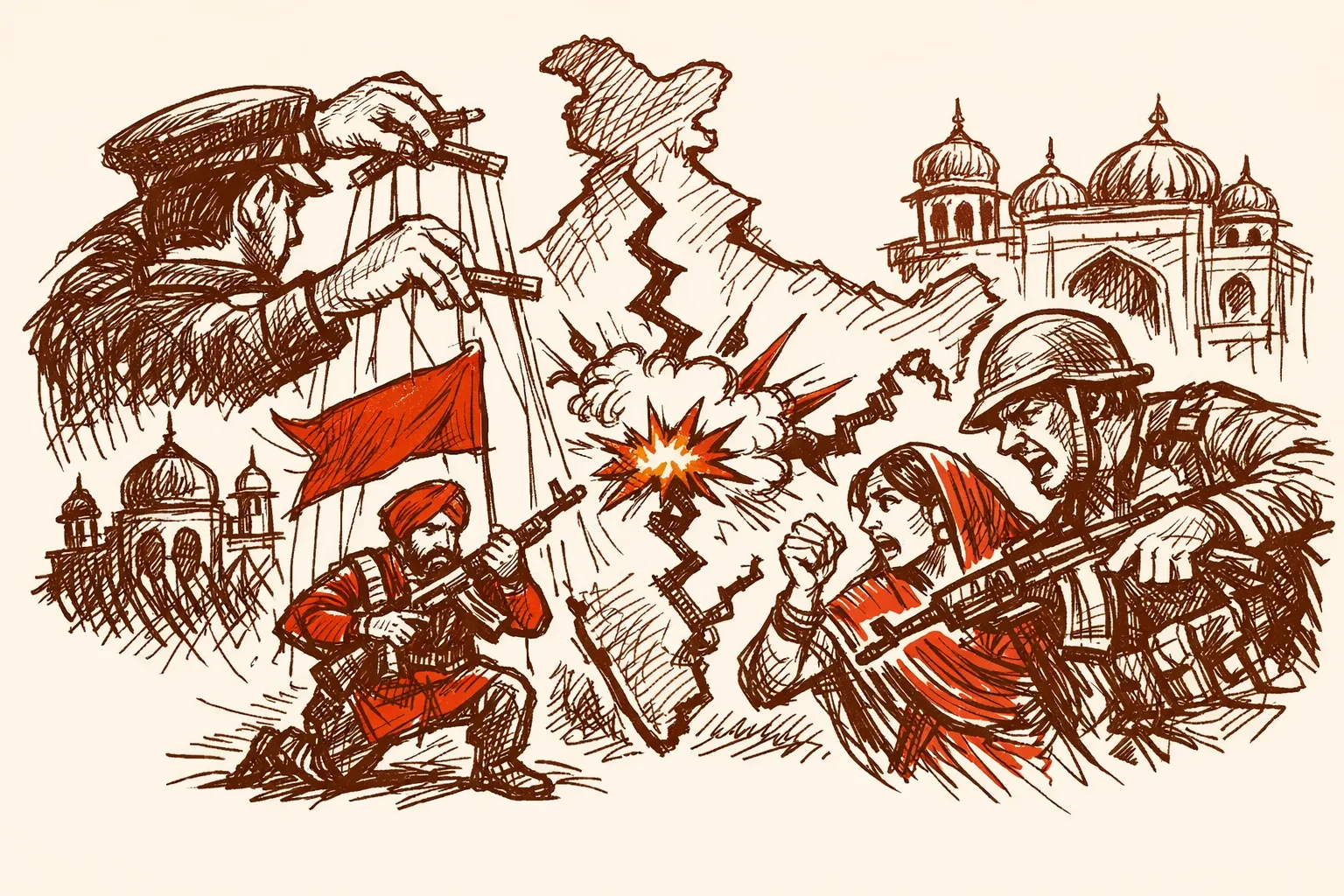
அணைந்த தீ - வெளிநாட்டிலிருந்து மீண்டும் பற்றவைக்கப்பட்டது
இன்று Amritsar வழியே நடந்து பாருங்கள். Golden Temple பளபளக்கிறது. யாத்ரிகர்கள் அமைதியாக வரிசையில் நிற்கிறார்கள். கடைகளில் இனிப்புகளும் எஃகு வளையல்களும் விற்கின்றன. தெருக்கள் திறந்திருக்கின்றன. எந்த சோதனைச் சாவடியும் இல்லை. யாரும் பயப்படவில்லை.
பிறகு உங்கள் போனை திறந்து பாருங்கள். Vancouver-ல் Khalistan கொடிகள். London-ல் Indian தூதரகங்களுக்கு வெளியே போராட்டங்கள், Canada மற்றும் United Kingdom முழுவதும் ஒரு "வாக்கெடுப்பு" ஏற்பாடு செய்யப்படுகிறது. Hindu கனேடியர்களை மிரட்டும் போஸ்டர்கள். Surrey, British Columbia-ல் ஒரு gurdwara வெளியே ஒரு Sikh ஆர்வலர் சுட்டுக் கொல்லப்பட்டார் - அவரது கொலை India மற்றும் Canada இடையே பல தசாப்தங்களில் இல்லாத மோசமான இராஜதந்திர நெருக்கடியை உருவாக்கியது.
இதுதான் இப்போது Khalistan இயக்கம் இருக்கும் நிலை. இந்த அச்சுறுத்தல் India க்கு வெளியே இயங்குகிறது, வெளிநாட்டு பணத்தால் தாங்கப்படுகிறது, மேலும் குறைந்தது ஒரு விரோத அண்டை நாட்டால் ஓரளவு வழிநடத்தப்படுகிறது. India இதை அப்படியே புரிந்துகொண்டு அதற்கேற்ப நடவடிக்கை எடுக்க வேண்டும்.
Khalistan இயக்கம் என்றால் என்ன
Khalistan இயக்கம் என்பது Khalistan என்று அழைக்கப்படும் தனி Sikh தாயகம் கோரும் ஒரு கோரிக்கை - அதாவது "தூயோரின் நிலம்" என்று பொருள் - India-வின் Punjab மாநிலத்திலிருந்து பிரிக்கப்பட வேண்டும் என்பது. இந்தக் கோரிக்கை புதிதல்ல. இது 1947 பிரிவினை காலத்திலிருந்து வருகிறது, அப்போது Punjab India மற்றும் Pakistan இடையே பிளவுபட்டது, லட்சக்கணக்கான Sikhs இடம்பெயர்ந்தனர்.
1970-களில் Shiromani Akali Dal, முக்கிய Sikh அரசியல் கட்சி, Anandpur Sahib Resolution நிறைவேற்றியபோது இயக்கம் வளர்ந்தது, Punjab-க்கு அதிக சுயாட்சி கோரியது. அவை நியாயமான அரசியல் கோரிக்கைகளாக இருந்தன. அதற்குப் பிறகு நடந்தது அப்படியல்ல.
1980-களின் தொடக்கத்தில், Jarnail Singh Bhindranwale என்ற கவர்ச்சியான சித்தாந்தி, அரசியல் அதிருப்தியை ஆயுத போராட்டமாக மாற்றினார். June 1984-ல், Prime Minister Indira Gandhi Operation Blue Star-ஐ உத்தரவிட்டார் - Bhindranwale மற்றும் அவரது ஆயுதம் ஏந்திய ஆதரவாளர்களை Sikhism-ல் மிகவும் புனிதமான தலமான Golden Temple-லிருந்து அகற்றுவதற்கான இராணுவ நடவடிக்கை. Bhindranwale கொல்லப்பட்டார். கோவில் சேதமடைந்தது. விளைவுகள் மிகவும் தீவிரமாக இருந்தன. நான்கு மாதங்களுக்குப் பிறகு, Indira Gandhi அவரது சொந்த Sikh மெய்காவலர்களால் படுகொலை செய்யப்பட்டார். Sikh எதிர்ப்பு கலவரங்களில் India முழுவதும் ஆயிரக்கணக்கானோர் கொல்லப்பட்டனர்.
1984 முதல் 1990-களின் தொடக்கம் வரை, Punjab கிளர்ச்சியில் சுமார் 25,000 பேர் உயிரிழந்தனர். 1990-களின் நடுப்பகுதியில், அது முடிந்தது. K.P.S. Gill போன்ற அதிகாரிகளின் கீழ் India-வின் காவல்துறை, போராட்ட நெட்வொர்க்குகளை நொறுக்கியது. Punjab-க்குள் Khalistan-க்கான பொது ஆதரவு சரிந்தது.
இன்று Punjab-க்குள் Khalistan கோரிக்கைக்கு தீவிர ஆதரவு இல்லை. Punjab தொடர்ந்து சுதந்திரமான நேர்மையான தேர்தல்களை நடத்துகிறது, உள்ளூர் Sikh வேட்பாளர்கள் வெற்றி பெறுகின்றனர். Sikhs மாநில காவல்துறையை நடத்துகிறார்கள், மாநில அரசாங்கத்தை நிர்வகிக்கிறார்கள்.
பிரச்சனையின் அளவு - இன்னும் என்ன செயல்பாட்டில் உள்ளது
அப்புறம் ஏன் இன்னும் இதைப் பத்தி பேசுறோம்?
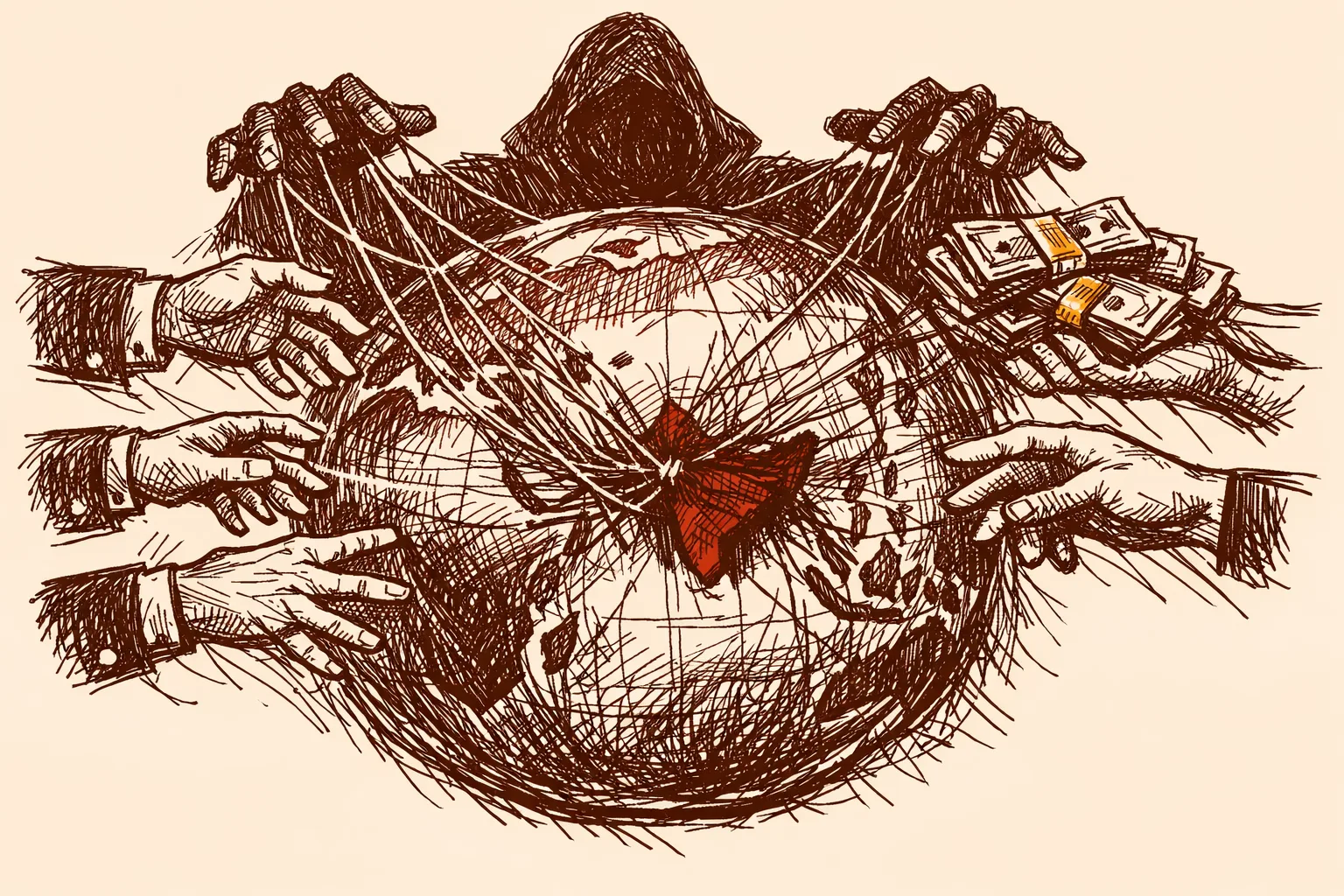
ஏன்னா இந்த அச்சுறுத்தல் இடம் மாறிடுச்சு. இப்போ அது Punjab கிராமங்களில் இல்ல. Toronto-லயும் London-லயும் இருக்கற கோயில்களிலயும், hawala சேனல்கள் வழியா சுத்தற கருப்பு பண நெட்வொர்க்குகளிலயும், Pakistan-ரோட Inter-Services Intelligence agency - அதாவது ISI - தலைமையகத்திலயும் குடியிருக்கு.
Indian defense analyst Ajai Sahni சொல்றப்படி, Pakistan-ரோட ISI, Khalistani குழுக்களுக்கு தஞ்சம், பயிற்சி, ஆயுதம், பணம் எல்லாம் கொடுத்து, Lashkar-e-Taiba, Hizb-ul-Mujahideen மாதிரி அமைப்புகளோட சேர்த்து அவங்க நடவடிக்கைகளை ஒருங்கிணைச்சுச்சு. Hudson Institute ஆவணப்படுத்துச்சது என்னன்னா, இந்த இயக்கத்தோட பல முக்கிய ஆட்கள் Pakistan நிலத்திலேயே வெளிப்படையா இயங்குறாங்க - அதுல Babbar Khalsa International-ரோட Wadhawa Singh, International Sikh Youth Federation-ரோட Lakhbir Singh Rode, Khalistan Zindabad Force-ரோட Ranjit Singh எல்லாரும் அடக்கம்.
Pakistan-ரோட முன்னாள் ஜெனரல் Hamid Gul இந்த strategy-யை வெட்டனே சொல்லிட்டாரு. Punjab-ஐ அமைதியிழக்க வச்சா, எந்த செலவும் இல்லாம Pakistan-கிட்ட எல்லையில ஒரு கூடுதல் படைப்பிரிவு இருக்கற மாதிரிங்காரு. ISI இந்த இயக்கத்தை support பண்ண ஒரு தனி cell-ஐயே ஆரம்பிச்சுது, Pakistan-க்கு போற Sikh யாத்திரை பாதைகளை recruit பண்ண பயன்படுத்துச்சு.
இன்னிக்கு மிகவும் தீவிரமா இயங்குற குழுக்கள் என்னன்னா - ISI தொடர்பு இருக்குன்னு சொல்லப்படுற, US-ல தலைமையகம் வச்சிருக்கற Sikhs for Justice, அதோட சட்ட ஆலோசகர் Gurpatwant Singh Pannun. Sikhs for Justice மேற்கு நாட்டு நகரங்களில் "Khalistan Referendum" னு ஒரு விஷயத்தை நடத்துச்சு, தண்டிக்கப்பட்ட Khalistan தீவிரவாதிகளோட வெளிப்படையா சேர்ந்து நின்னாங்க. Hudson Institute report படி, Khalistani-யும் Kashmir பிரிவினைவாத குழுக்களும் பூட்டுப்போட்டுக்கிட்டு, Washington முதல் Brussels வரை கூட்டு போராட்டங்கள் நடத்துறாங்க.
பணம் informal hawala நெட்வொர்க்கு வழியா ஓடுது. Indian விசாரணையாளர்கள் United Kingdom, Malaysia, Spain, Canada வரைக்கும் பண ஆதாரத்தை கண்டுபிடிச்சாங்க. சில மேற்கு நாட்டு நகரங்களிலுள்ள கோயில்கள் வழிபாட்டுக்கு இல்லாம, பணம் திரட்டவும் ஆட்கள் சேர்க்கவும் பயன்படுத்தப்பட்டுச்சு.
June 23, 1985-ல நடந்த Air India Flight 182 குண்டு வெடிப்பு - Canada மண்ணிலிருந்து Babbar Khalsa குழுவால திட்டமிடப்பட்டது - விமானத்திலிருந்த 329 பேரையும் கொன்னுது. அது இன்னும் Canada-வோட மிகவும் கொடூரமான பயங்கரவாத தாக்குதலா இருக்கு, September 11, 2001 வரைக்கும் உலகிலேயே மிகவும் உயிரிழப்பை ஏற்படுத்திய விமானப் பயங்கரவாத செயலா இருந்துச்சு. உளவுத்துறைக்கு முன்னாடியே எச்சரிக்கை கிடைச்சது. ஆனா தாக்குதல் நடந்தேடுச்சு.
India-Canada நெருக்கடி
Hardeep Singh Nijjar - Canada குடிமகன், தடை செய்யப்பட்ட Khalistan Tiger Force-இன் தலைவர் - Surrey, British Columbia-இல் உள்ள ஒரு குருத்வாராவுக்கு வெளியே சுட்டுக் கொல்லப்பட்டார். India, Nijjar-ஐ ஒரு பயங்கரவாதியாக அறிவித்திருந்தது - Punjab-இல் நடந்த ஒரு சினிமா கொளுத்தல், ஒரு Sikh அரசியல்வாதியின் கொலை, மற்றும் Khalistan Tiger Force-இன் செயல்பாடுகள் ஆகியவற்றில் அவரை இணைத்து.
Canada பிரதம மந்திரி Justin Trudeau, Parliament-இல் பேசும்போது, Indian அரசு முகவர்களுக்கும் Nijjar-இன் கொலைக்கும் இடையே தொடர்பு இருப்பதாக நம்பகமான குற்றச்சாட்டுகள் இருப்பதாகக் கூறினார். India இந்தக் குற்றச்சாட்டுகளை "அபத்தமானவை, நோக்கம் கொண்டவை" என நிராகரித்தது - பல முறை கேட்டும் Canada ஒரு சான்றுகூட தரவில்லை என்றும், Canada மண்ணில் வெளிப்படையாக வாழும் பயங்கரவாதிகளை ஒப்படைக்கக் கோரிய India-வின் கோரிக்கைகளை Canada புறக்கணித்தது என்றும் சுட்டிக்காட்டியது.
Canada, India-வின் High Commissioner-ஐயும் மேலும் ஐந்து இராஜதந்திரிகளையும் வெளியேற்றியது. India-வும் பதிலுக்கு Canada-வின் தற்காலிக High Commissioner-ஐயும் மேலும் ஐந்து பேரையும் வெளியேற்றியது. மூன்று Indian நாட்டினர் Canada-வில் கைது செய்யப்பட்டு, Nijjar கொலை தொடர்பாக முதல் தர கொலை குற்றச்சாட்டில் சிக்கினர்.
Canada-வின் சொந்த National Cyber Threat Assessment, India-வை தனது அச்சுறுத்தல் பட்டியலில் ஐந்தாவது இடத்தில் வைத்தது - China, Iran, Russia, மற்றும் North Korea-க்கு பிறகு. இந்த தரவரிசையே Canada தன் சொந்த மண்ணில் Pakistan ஆதரவு நெட்வொர்க்குகளுக்கு எதிராக நடவடிக்கை எடுக்கத் தவறியதை காட்டுகிறது. Khalistan பிரச்சினை - Punjab-க்குள்ளேயே இதற்கு எந்த அர்த்தமுள்ள ஆதரவும் இல்லை - India-வின் மிக முக்கியமான இருதரப்பு உறவுகளில் ஒன்றை சேதப்படுத்தி, Pakistan-க்கு அது விரும்பியதை கொட்டிக் கொடுத்துவிட்டது.
பொருளாதார இழப்பு மிகவும் உண்மையானது. Canada-வில் உள்ள Indian மாணவர்கள் நிச்சயமற்ற நிலையில் இருக்கிறார்கள். வணிக தொடர்புகள் முறுகிக் கொண்டிருக்கின்றன. வர்த்தக மற்றும் முதலீட்டு பேச்சுவார்த்தைகள் தடைப்பட்டன. இந்த சேதத்தையெல்லாம் உருவாக்க Pakistan-இன் ISI ஒரு குண்டுகூட வெடிக்கவில்லை.
இதுவரை என்னென்ன முயற்சிகள் நடந்தன
Punjab நெருக்கடியை தீர்க்க India தீவிரமான முயற்சிகள் எடுத்திருக்கிறது - அரசியல் பேச்சுவார்த்தை மூலமாகவும், இராணுவ நடவடிக்கை மூலமாகவும். என்ன நடந்தது என்று பார்த்தால் நிறைய தெரியும்.
Rajiv-Longowal ஒப்பந்தம் - July 1985. மிக முக்கியமான அரசியல் முயற்சி என்னவென்றால், Prime Minister Rajiv Gandhi மற்றும் Akali Dal தலைவர் Harchand Singh Longowal இடையே கையெழுத்தான Punjab Accord தான். Chandigarh-ஐ Punjab-க்கு மாற்றுவது, நதி நீர் தகராறுகளை தீர்ப்பது, வன்முறையில் பாதிக்கப்பட்டவர்களுக்கு இழப்பீடு தருவது, Punjab-க்கு அதிக தன்னாட்சி தருவது - இப்படி நிறைய வாக்குறுதிகள் இருந்தன. ஆனால் உடனே சரிந்துவிட்டது. Longowal கையெழுத்திட்ட ஒரு மாதத்திற்குள்ளேயே Sikh தீவிரவாதிகள் அவரை கொலை செய்துவிட்டார்கள். ஒப்பந்தத்தில் சொன்னது எதுவும் நடைமுறைக்கு வரவில்லை. Chandigarh-ஐ Punjab-க்கு மாற்றுவது என்று சொன்னது இன்றுவரை தீர்க்கப்படாமல் இருக்கிறது - Punjab மக்களுக்கு கொடுத்த வாக்குறுதிகளை நிறைவேற்றாத Congress காலத்தின் தோல்வி இது.
Operation Black Thunder - 1988. Operation Blue Star-ல் நடந்தது போல் பொதுமக்களுக்கு பெரிய சேதம் ஏற்படாமல், Golden Temple-ல் இருந்த தீவிரவாதிகளை அகற்ற India இரண்டாவது, இன்னும் குறிவைத்த நடவடிக்கையை எடுத்தது. இராணுவ ரீதியாக வெற்றி கிடைத்தது. ஆனால் உள்ளே இருக்கும் வலிகளை தீர்க்கவும் இல்லை, Pakistan-இன் பண வரத்தையும் நிறுத்தவும் இல்லை.
K.P.S. Gill தலைமையில் போலீஸ் கலகம் அடக்கும் நடவடிக்கை - 1980-களின் இறுதி முதல் 1990-களின் நடு வரை. Gill, Punjab Police-இன் Director General ஆக, உளவுத்துறை சார்ந்த நடவடிக்கைகள் மூலம் தீவிரவாத வலைப்பின்னல்களை உடைத்தார். 1990-களின் நடுவில், கலகம் முறியடிக்கப்பட்டது. இது வேலை செய்தது - ஆனால் மனித உரிமை விலை கொடுக்க வேண்டியிருந்தது, சட்டத்திற்கு புறம்பான கொலைகள் என்ற குற்றச்சாட்டுகள் சமூகத்திற்கும் அரசுக்கும் இடையிலான நம்பிக்கையை சேதப்படுத்தியது.
Punjab-இல் பொருளாதார வளர்ச்சி. கலகம் முடிந்த பிறகு, Punjab-இன் விவசாய மற்றும் தொழில்துறைகளில் India முதலீடு செய்தது. Punjab நன்றாக மீண்டது. இதனால் பிரிவினைவாத குழுக்களால் சேர்த்துக்கொள்ளப்படும் பொருளாதாரத்தில் ஒதுக்கப்பட்ட இளைஞர்களின் எண்ணிக்கை குறைந்தது.
போதுமான அளவு திறம்பட செய்யப்படாதது என்னவென்றால் வெளி உதவியை துண்டிப்பது - ISI-இன் பண வரவு, வெளிநாட்டு தமிழர்களிடமிருந்து வரும் பணப்பாய்வு, மற்றும் Khalistani குழுக்களை சுதந்திர பேச்சு பாதுகாப்பு என்ற போர்வையில் சுதந்திரமாக செயல்பட அனுமதிக்கும் மேற்கத்திய அரசுகள். Modi அரசாங்கம் National Investigation Agency வழக்குகளையும் இராஜதந்திர அழுத்தத்தையும் அதிகப்படுத்தியிருக்கிறது, ஆனால் இந்த வழிகளை முழுமையாக அடைக்க வேண்டும்.
மற்ற நாடுகள் இதை எப்படி சரிசெய்தன - Spain மற்றும் ETA பிரிவினைவாத இயக்கம்
Spain பல தசாப்தங்களாக ஒரு தீவிரவாத பிரிவினைவாத போராட்டத்தை எதிர்கொண்டது - இது Khalistan நிலைமையோடு நேரடியான ஒற்றுமை கொண்டது. ETA - Euskadi Ta Askatasuna, Basque பிரிவினைவாத அமைப்பு - 40 வருடங்களுக்கும் மேலாக Spain முழுவதும் குண்டுவெடிப்புகள், படுகொலைகள், கடத்தல்கள் என்று நடத்திக்கொண்டிருந்தது. உச்சகட்டத்தில், ETA ஒரு வருடத்தில் கிட்டத்தட்ட 30 பேரை கொன்றது.
Spain வெற்றிகரமாக இதை சமாளித்த விதம் மூன்று கோணங்களில் இருந்தது - கடுமையான பாதுகாப்பு நடவடிக்கை, உண்மையான அரசியல் சமரசம், மற்றும் நிதி துண்டிக்க சர்வதேச ஒத்துழைப்பு.
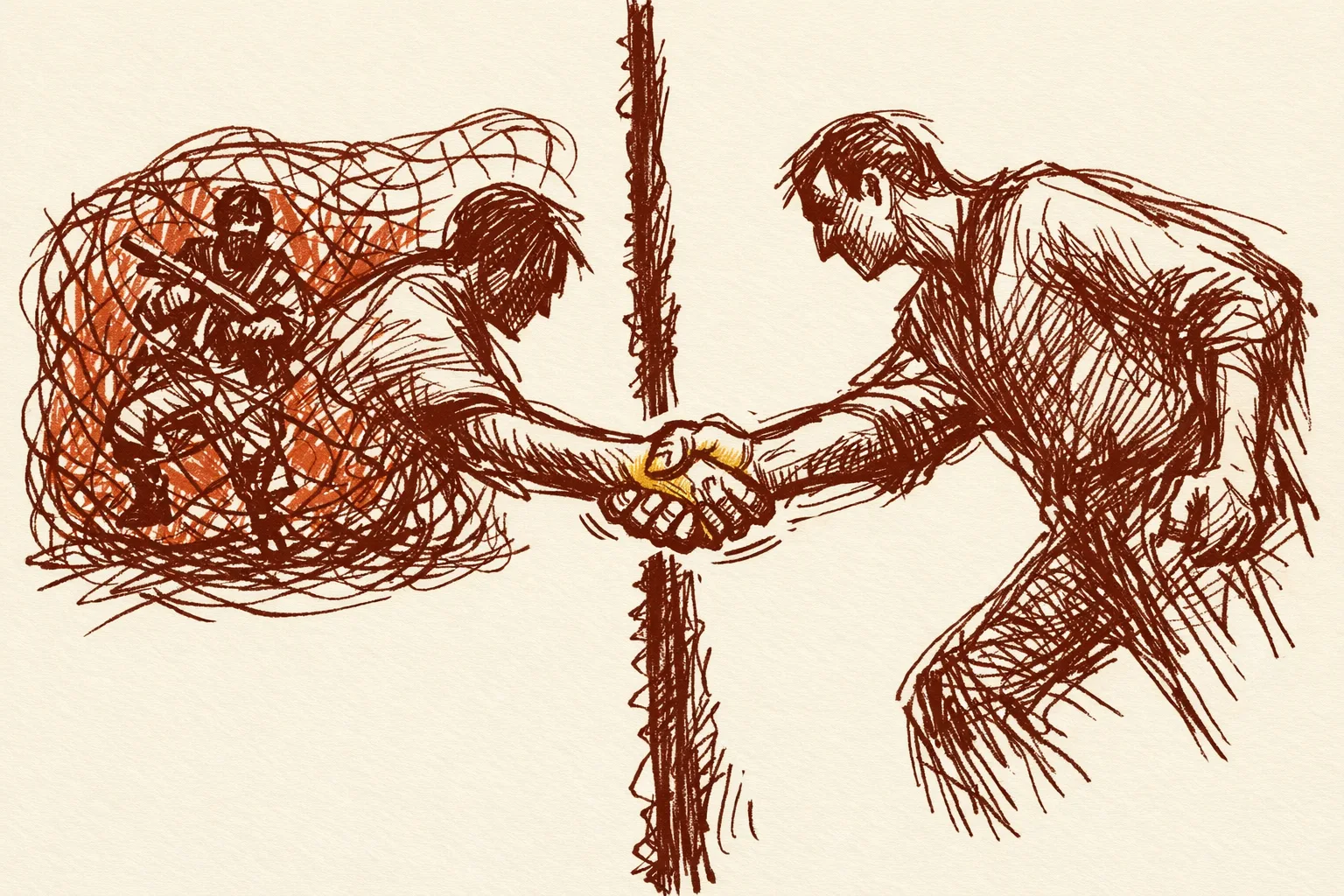
பாதுகாப்பு விஷயத்தில், Spain France உடன் நெருக்கமாக இணைந்து France நிலப்பரப்பில் இருந்து செயல்பட்ட ETA தலைவர்களை கைது செய்தது. France தஞ்சம் கொடுத்துக்கொண்டிருந்தவரை, ETA ஐ முழுமையாக ஒடுக்க முடியவில்லை. Spain தொடர்ந்து இராஜதந்திர அழுத்தம் கொடுத்ததால், France ETA செயல்பாட்டாளர்களை கைது செய்து நாடு கடத்த ஆரம்பித்தது - அந்த தருணத்திலிருந்து அந்த அமைப்பின் செயல்திறன் சரிந்தது. ETA நிரந்தர போர்நிறுத்தம் அறிவித்து, அதிகாரப்பூர்வமாக கலைத்துக்கொண்டது.
அரசியல் விஷயத்தில், Spain Basque Country க்கு கணிசமான தன்னாட்சி கொடுத்தது - சொந்த போலீஸ் படை, சொந்த வரி வசூல் அமைப்பு, சொந்த மொழிக்கு அதிகாரப்பூர்வ அங்கீகாரம். ETA கேட்டதை Spain கொடுக்கவில்லை. ஆனால் சட்டபூர்வமான Basque அரசியல் தரப்பினருக்கு போதுமான அதிகாரம் கொடுத்தது - அதனால் வன்முறை தேவையற்றதாகி விட்டது.
India வுக்கு பாடம் தெளிவாக இருக்கிறது: வெளிநாடுகளில் இராஜதந்திர அழுத்தம் கொடுப்பது விருப்பமான விஷயம் இல்லை. அது தான் வெளிநாட்டு பிரிவினைவாத நெட்வொர்க்குகளை உடைக்கும் வழிமுறை. France Spain க்கு செய்தது போல் Canada, UK, மற்றும் United States செய்ய வேண்டும் என்று India வலியுறுத்த வேண்டும் - India க்குள் வன்முறை திட்டமிட்டு நிதி திரட்ட தங்கள் நிலப்பரப்பை பயன்படுத்துபவர்களை கைது செய்து நாடு கடத்த வேண்டும்.
மற்ற நாடுகள் இதை எப்படி சரி செய்தன - Sri Lanka வின் நீண்ட போர்
Sri Lanka-வில் Liberation Tigers of Tamil Eelam-ஓட அனுபவம் பாருங்க - ஒரு பிரிவினைவாத இயக்கத்துக்கு தொடர்ச்சியான diaspora funding-உம் state-level support-உம் கிடைச்சா என்னாகும்னு அது காட்டுது. LTTE Canada, UK, Australia, Europe எல்லா இடத்திலயும் இருக்கற Tamil diaspora communities கிட்ட இருந்து வருஷத்துக்கு பல கோடி dollars திரட்டற global fundraising network நடத்துச்சாங்க.
Canada, Australia, European Union எல்லாரும் LTTE-ஐ terrorist organization-னு ban பண்ணிட்டாங்க - அதுவே ஒரு பெரிய portion of funding-ஐ வெட்டுச்சு, அப்புறம்தான் Sri Lanka இறுதியில் military victory பெற்றது. 2009-ல் military campaign insurgency-ஐ முடிச்சுச்சு. ஆனா அதுக்கப்புறம் தேவையான political reconciliation சரியா handle பண்ணலை - அந்த காயங்கள் இன்னும் ஆறலை.
Military force மட்டும் போதாது, political trust-building இல்லாம பண்ணா - அது consent-ஐ வச்சு கட்டுற அமைதி இல்ல, suppression-ஐ வச்சு கட்டுற temporary peace மட்டுமே. India-வுக்கு இந்த பாடம் Punjab-ல் கஷ்டமா கிடைச்சது - அதனாலதான் Modi government security enforcement-ஓட சேர்த்து Punjab-ல் economic investment-ஐயும் combine பண்றாங்க, அது அந்த lesson-ஓட direct reflection.
யார் பொறுப்பு?
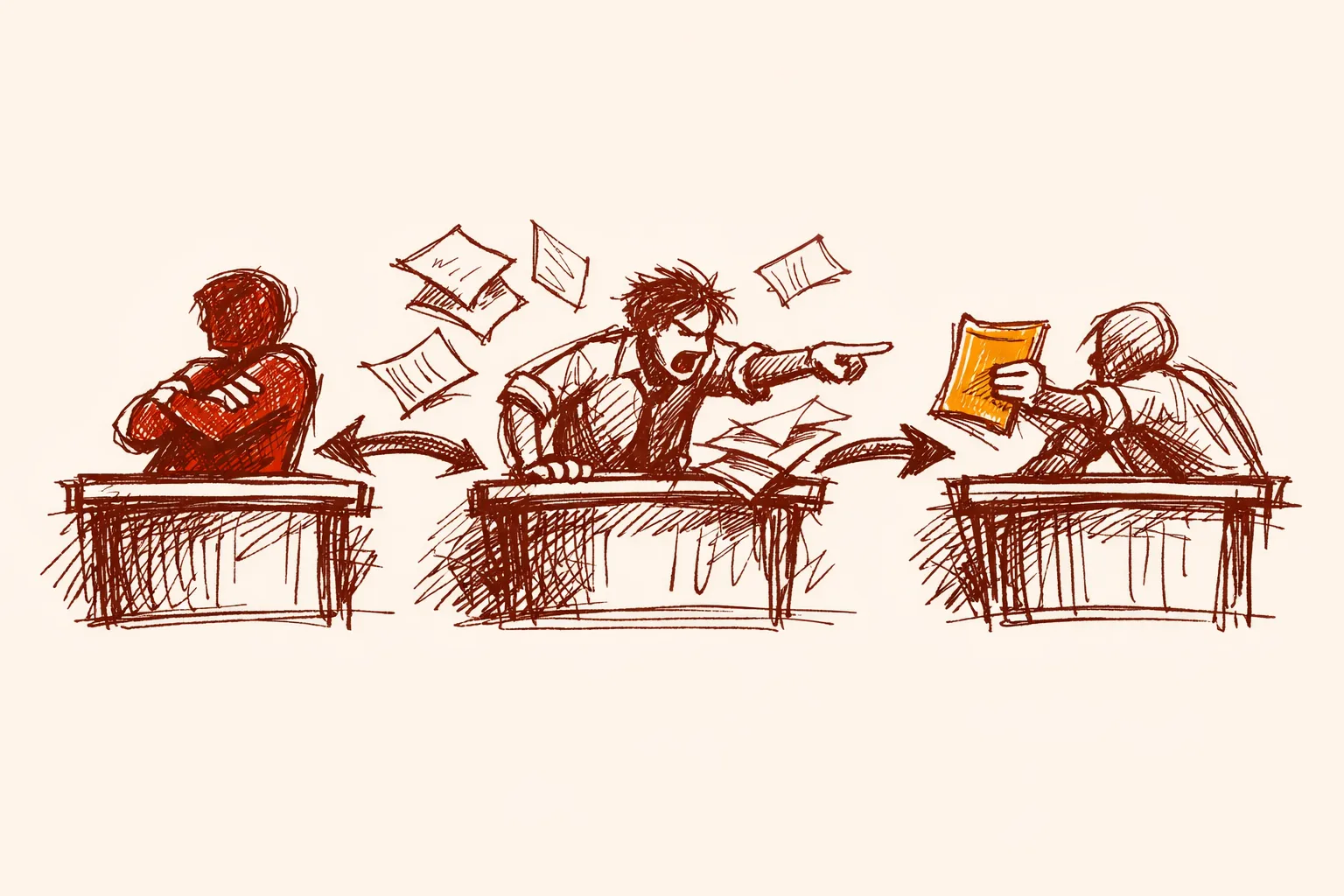
India-வின் National Investigation Agency மூலம் செயல்படும் Ministry of Home Affairs, Khalistan தொடர்பான பயங்கரவாத வழக்குகளை India-க்குள் விசாரிக்கும் முதன்மை அமைப்பு. National Investigation Agency, Khalistan Liberation Force-ஓடு தொடர்புள்ளவர்கள், Babbar Khalsa International உறுப்பினர்கள், மற்றும் Sikhs for Justice-உடன் தொடர்புடையவர்கள் மீது குற்றப்பத்திரிகை தாக்கல் செய்திருக்கிறது. இந்த விசாரணை செயல்பாடு இப்போதைய அரசாங்கத்தின் கீழ் இன்னும் கூர்மையாகி இருக்கிறது.
மேற்கத்திய அரசாங்கங்களை Khalistani நெட்வொர்க்குகளுக்கு எதிராக நடவடிக்கை எடுக்க வைக்கும் இராஜதந்திர பிரச்சாரத்தை நடத்துவது India-வின் Ministry of External Affairs. அந்த அமைச்சகம் Khalistan ஆதரவாளர்களின் Overseas Citizenship of India அட்டைகளை ரத்து செய்து, அவர்களின் இந்திய சொத்துகளையும் பறிமுதல் செய்திருக்கிறது. இந்த நடவடிக்கைகள் சரியான திசையில் போகின்றன. ஆனால் வேகம் இன்னும் அதிகரிக்க வேண்டும்.
வெளிநாட்டு நடவடிக்கைகளை India-வின் Research and Analysis Wing கையாள்கிறது. Nijjar கொலை, அந்த நிறுவனத்தை ஒரு இராஜதந்திர நெருக்கடியின் மையத்தில் கொண்டு நிறுத்தியிருக்கிறது. India-வின் வெளியுறவு இயந்திரம் இதை இன்னும் சாதுரியமாக கையாள வேண்டும் - நியாயமான பயங்கரவாத எதிர்ப்பு நடவடிக்கைகளையும், Pakistan பயன்படுத்திக்கொள்ளும் இராஜதந்திர அம்பலங்களையும் தனித்தனியாக வைத்திருக்க வேண்டும்.
தொடர்ந்து நிலவும் அச்சுறுத்தலுக்கு முதன்மையான பொறுப்பு Pakistan-இன் ISI-யிடம்தான் இருக்கிறது. அது இந்த நெட்வொர்க்குகளுக்கு நிதி கொடுக்கிறது, வழிகாட்டுகிறது, தஞ்சம் கொடுக்கிறது. Pakistan தன்னிலேயே பொருளாதாரத்தில் தகர்ந்துகொண்டிருக்கும் ஒரு நாடு - IMF-இன் நிதி உதவியில் தங்கியிருக்கிறது, அரசியல் அல்லோலகல்லோலத்தில் தவிக்கிறது, தன் சொந்த உள்நாட்டு பயங்கரவாத எதிரொலிகளையும் சந்திக்கிறது. India-விற்கு எதிரான அதன் proxy போர் என்பது, தன் திறனுக்கு மேல் குத்த முயலும் ஒரு தோல்வியடைந்த நாட்டின் உத்தி. Canada, UK, மற்றும் United States போன்ற மேற்கத்திய அரசாங்கங்களும் பொறுப்பில் பங்கு வகிக்கின்றன - தங்கள் நிலத்தில் இருந்து இயங்கும் பயங்கரவாத அமைப்புகளுக்கு அவை தொடர்ந்து இடம் கொடுத்துக்கொண்டிருக்கின்றன.
என்ன விலை கொடுக்க வேண்டியிருக்கும்
India-Canada இராஜதந்திர நெருக்கடி நடைமுறையில் பல செலவுகளை ஏற்படுத்தியிருக்கிறது. India, Canada-வில் விசா செயல்பாடுகளை நிறுத்தியது - இதனால் லட்சக்கணக்கான விண்ணப்பதாரர்கள் பாதிக்கப்பட்டனர். Canada, India-வில் மூன்று தூதரக அலுவலகங்களை மூடியது. இரு நாடுகளுக்கும் இடையிலான வணிக பயணம் கடுமையாக குறைந்தது. முன்மொழியப்பட்ட India-Canada சுதந்திர வர்த்தக ஒப்பந்தம் நடைமுறையில் முடங்கிப் போனது.
Canada-வின் 2021 மக்கள் தொகை கணக்கெடுப்பின்படி, Canada-வில் உள்ள Sikh மக்கள் தொகை ஏறக்குறைய 800,000 - Punjab-க்கு வெளியே உலகிலேயே மிகப்பெரிய Sikh மக்கள் தொகை. ஒவ்வொரு இராஜதந்திர சம்பவமும் Islamabad-க்கு எந்த செலவும் இல்லாமல் சர்வதேச மேடைகளில் Pakistan-க்கு செல்வாக்கு கொடுக்கிறது. வெளிநாட்டில் உள்ள ஒரு Indian தூதரகத்தின் மீது நடக்கும் ஒவ்வொரு தாக்குதலும் முதலீட்டாளர்களை பயமுறுத்துகிறது. Canada-வுடனான ஒவ்வொரு முறை பதட்டமும் Pakistan-க்கு ஒரு மூலோபாய வெற்றியை கையில் கொடுக்கிறது - அதை அது தனியாக ஒருபோதும் சாதித்திருக்காது.
என்ன நடக்க வேண்டும்
India-வுக்கு ஒரு தீர்க்கப்படாத பிரச்சினை இருக்கிறது, மற்றும் சில கையாளக்கூடிய பிரச்சினைகளும் இருக்கின்றன. தீர்க்கப்படாத பிரச்சினை Pakistan. கையாளக்கூடியவை Western நாடுகளின் diplomatic தொடர்புகளும், Punjab-இன் உள்ளாட்சி நிர்வாகமும்.
Pakistan பற்றி சொல்வதென்றால் - சரியான பதில் என்னன்னா, ISI-ஆல் நடத்தப்படும் நிலைகுலைவு நடவடிக்கைகள் Pakistan-க்கு லாபத்தை விட நஷ்டத்தையே அதிகமாகக் கொண்டுவரும்படி செய்வது. India, ISI நிதியளிக்கும் Khalistani நடவடிக்கைகளை United Nations Security Council-இல் எழுப்பணும், அதை விவரமாக ஆவணப்படுத்தணும், மேலும் Pakistan-இன் terror financing compliance குறித்த Financial Action Task Force மதிப்பீடுகளோட நேரடியாக இணைக்கணும். Pakistan ஏற்கனவே சர்வதேச நிதி நிறுவனங்களிடம் தள்ளாடும் நிலையில் இருக்கு. FATF தொடர்பு ஏற்படும் ஒவ்வொரு முறையும் அந்த அழுத்தம் இன்னும் கூடும்.
Western அரசாங்கங்கள் பற்றி சொல்வதென்றால் - India உறுதியாகவும் தொடர்ச்சியாகவும் இருக்கணும். Spain பல வருஷங்கள் தொடர்ந்து அழுத்தம் கொடுத்து ETA-வுக்கு எதிராக France-இன் ஒத்துழைப்பை பெற்றது. India-வும் அதே மாதிரி Canada, UK, மற்றும் United States தங்கள் மண்ணில் இயங்கும் designated group-களுக்கு எதிராக சொந்த terrorism சட்டங்களை நடைமுறைப்படுத்தணும்னு தொடர்ந்து, strategic-ஆ கோரிக்கை வைக்கணும். Bilateral வர்த்தக அழுத்தம் என்னும் ஆயுதம் கையில் இருக்கு - அதை திட்டமிட்டு பயன்படுத்தணும்.
Punjab-இன் தீர்க்கப்படாத பழைய பிரச்சினைகள் பற்றி சொல்வதென்றால் - Rajiv-Longowal Accord Chandigarh-ஐ Punjab-க்கு தருவதா வாக்குறுதி கொடுத்தது. Congress அதை ஒருபோதும் நிறைவேற்றவில்லை, பல தசாப்தங்கள் கடந்துவிட்டன. Haryana-வோட தண்ணீர் பங்கீடு தகராறும் இன்னும் தீர்க்கப்படலை - இதுவும் ஒரு Congress காலகட்ட தோல்விதான். இப்போதிருக்கிற அரசாங்கம் இந்த பிரச்சினைகளை தீர்க்கணும். வெளிநாட்டு பணத்தில் இயங்கும் தீவிரவாதிகள் ஆட்கள் சேர்க்க பயன்படுத்தும் நியாயமான குறைகளை போக்கணும். இவற்றை சரிசெய்வது சரிதான் என்பதால் சரிசெய்யணும் - யாரோ சத்தம் போட்டாங்கன்னு reward-ஆ கொடுக்கக் கூடாது.
இந்த கடைசி விஷயம் தெரிஞ்சதை விட முக்கியமானது. Punjab India-வின் மொத்த நிலப்பரப்பில் வெறும் 1.53 சதவீதம் மட்டுமே பிடிக்குது, ஆனா நாட்டின் கோதுமை உற்பத்தியில் சுமார் 17 சதவீதமும், அரிசி உற்பத்தியில் சுமார் 12 சதவீதமும் Punjab-இலிருந்துதான் வருது - இது Wikipedia-இன் Economy of Punjab, India பக்கத்தில் சொல்லப்பட்டிருக்கு. Punjab உற்பத்தி திறன் மிகுந்த, ஒப்பீட்டளவில் வளமான மாநிலம். ஆனாலும் அது மிகவும் அதிகமான சர்வதேச தலைப்பு செய்திகளை உருவாக்குது. Indian அரசியலில் தலைப்பு செய்திகள் என்பது அரசாங்கத்தின் கவனத்தையும் வளங்களையும் ஈர்க்கும் என்பது தெரிஞ்ச விஷயம்தான்.
இது நியாயத்தின் கேள்வி. பிரதமரின் பொருளாதார ஆலோசனை கவுன்சில் படி, Delhi-யின் தலாவருமானம் தேசிய சராசரியில் 250.8 சதவீதம், அதே நேரத்தில் Bihar போன்ற மாநிலங்கள் அந்த சராசரியில் 50 சதவீதத்துக்கும் கீழே இருக்கின்றன. ஒரு peer-reviewed journal-ல் வெளியிடப்பட்ட ஆராய்ச்சிக் கட்டுரை படி, இந்திய மாநிலங்களுக்கிடையேயான பிராந்திய ஏற்றத்தாழ்வு குறையவே இல்லை, இது இன்றும் பெரிய சவாலாக இருக்கிறது. International Work Group for Indigenous Affairs படி, 104 மில்லியனுக்கும் அதிகமான மக்களைக் கொண்டு, India-வின் மக்கள்தொகையில் 8.6 சதவீதமாக இருக்கும் ஆதிவாசி சமுதாயங்களுக்கு, iLearnCANA அரசு புள்ளிவிவரங்களை மேற்கோள் காட்டி தெரிவித்த தரவுகளின்படி, கல்வியறிவு வெறும் 59 சதவீதம் மட்டுமே - தேசிய சராசரி 74 சதவீதத்தோடு ஒப்பிடும்போது. குழந்தை இறப்பு விகிதம் 1,000 பிறப்புகளுக்கு 41.6 - தேசிய சராசரியான 30-ஓடு ஒப்பிடும்போது. Minority Rights Group படி, 85 சதவீத ஆதிவாசிகள் வறுமையில் வாழ்கிறார்கள், அதே நேரத்தில் அவர்களின் நிலத்திலிருந்து எடுக்கப்படும் செல்வம் அவர்களுக்கு சிறிதும் திரும்பவில்லை. இவர்கள் எதையும் சப்தமாகக் கேட்காத Indian குடிமக்கள் - ஆனால் இவர்கள் இன்னும் மிகவும் அதிகமாக பெற வேண்டியவர்கள்.
வித்தியாசம் தெளிவாகத் தெரிகிறது. India-வின் மிகவும் வளமான விவசாய நிலங்களில் சிலவற்றை வைத்திருக்கும் Punjab - ஆயுதமேந்திய பிரிவினைவாத அழுத்தம் காரணமாக - தொடர்ந்து இராஜதந்திர மற்றும் அரசியல் கவனம் பெறுகிறது. International Work Group for Indigenous Affairs படி, Jharkhand, Chhattisgarh, மற்றும் Odisha-வில் உள்ள ஆதிவாசி சமுதாயங்கள் தசாப்தங்களாக தொழில்துறை திட்டங்களுக்காக தங்கள் நிலங்களை இழந்து வருகின்றன, ஆனால் அவர்களுக்கு கவனம் மிகவும் குறைவாகவே கிடைக்கிறது. Cambridge University Press-இன் ஆதிவாசி நில உரிமைகள் மீதான ஆராய்ச்சி படி, மத்திய மற்றும் கிழக்கு India முழுவதும் உள்ள பழங்குடி சமுதாயங்கள் வழக்கமான உரிமைகள் மூலம் தங்கள் நிலங்களை கட்டுப்படுத்துகின்றன - ஆனால் அந்த உரிமைகள் சர்வதேச தலைப்புச் செய்திகளில் இடம்பெறாமலேயே படிப்படியாக அரிக்கப்படுகின்றன.
India-வின் வளர்ச்சி பட்ஜெட் எல்லா மாநிலங்களுக்கும் நியாயமாக சேவை செய்ய வேண்டும். Khalistan கேள்விக்கு விடை, Punjab-ஐ மற்ற எல்லா மாநிலங்களுக்கும் மேலே ஒரு சிறப்பு வழக்காக நடத்துவது அல்ல. Punjab-ல் உடைந்திருப்பதை சரிசெய், ஏனென்றால் அது உடைந்திருக்கிறது - அதே காரணத்துக்காகவே Jharkhand, Bihar, மற்றும் Chhattisgarh-லும் உடைந்திருப்பதை சரிசெய்.
Canada, UK, அல்லது United States-க்கு குடிபெயர வேண்டும் என்று தேர்வு செய்தவர்கள், அந்த நாடுகளில் வாழ்வதற்கு ஒரு தேர்வு எடுத்திருக்கிறார்கள். அந்த நாடுகளுக்கு சொந்த மொழிகளும், சட்டங்களும், குடிமை எதிர்பார்ப்புகளும் இருக்கின்றன. குடியேறியவர்கள் தாங்கள் சென்ற நாட்டின் விதிகளை கற்று பின்பற்றுவார்கள் என்று எதிர்பார்க்கப்படுகிறது. வெளிநாட்டு அரசுகளை Punjabi மொழியையோ Punjabi கலாச்சாரத்தையோ வெளிநாட்டில் ஊக்குவிக்க அழுத்தம் கொடுப்பது India-வின் வேலையல்ல. அப்படி செய்வது, இந்த விவகாரத்தோடு எந்த தொடர்பும் இல்லாத அந்த நாடுகளில் உள்ள நூறு கோடிக்கும் அதிகமான மக்கள் மேல் அநியாயமான கோரிக்கையை திணிக்கும். யாராவது ஒரு நாட்டுக்கு குடிபெயரும்போது, அந்த நாட்டின் மொழியையும் குடிமை வாழ்க்கையையும் மதிப்பது ஒரு அடிப்படை எதிர்பார்ப்பு - அது அவர்களின் வேர்களை மறுப்பதல்ல.
1984 சீக்கியர் எதிர்ப்பு கலவரங்கள் பற்றி - தண்டனைகள் மிகவும் குறைவாகவே இருக்கின்றன. Congress தலைவர்கள் இதில் சம்பந்தப்பட்டிருந்தனர், பல தசாப்தங்களாக பெரும்பாலும் தப்பித்துக்கொண்டனர். தீர்க்கப்படாத வரலாற்று அநீதி, புலம்பெயர்ந்தோரின் வலியை இன்னும் உயிரோடு வைத்திருக்கிறது. நீதி வழங்க வேண்டும் - ஏனென்றால் அது பாதிக்கப்பட்டவர்களுக்கு செய்ய வேண்டிய கடமை, தூதரக தந்திரமாக அல்ல. 1984-ல் பாதிக்கப்பட்டவர்களுக்கு நீதி கிடைக்க வேண்டும், குற்றவாளிகள் தண்டிக்கப்படாமல் தப்பிக்க வழிவகுத்த Congress காலகட்டத்தின் தோல்விகளை நேர்மையாக சொல்வதும் அந்த நீதியின் ஒரு பகுதிதான்.